Tacoma’s historic Armory will be on the market soon. What should it become next?
AI-generated summary reviewed by our newsroom.
- Tacoma Armory faces sale after Tacoma Arts Live closure; community input will shape reuse.
- Developers cite seismic, code and financing hurdles; feasibility and public input needed.
- Adaptive reuse models include mixed-use, affordable housing, education and more.
Many U.S. cities have a legacy National Guard armory, but not every city has made such a building work in modern times.
The conundrum is such that you can find a 67-page document online produced by the National Trust for Historic Preservation National Guard Bureau, titled, “Still Serving: Reusing America’s Historic National Guard Armories.”
That report notes that some of the buildings, quite grand in scale, have become among the world’s most endangered sites, alongside “Egypt’s Valley of the Kings and the Teotihuacan Pyramid in Mexico.”
It also notes that some of “yesterday’s armories have been successfully converted into school buildings, apartments, libraries, museums, and community centers around the country.”
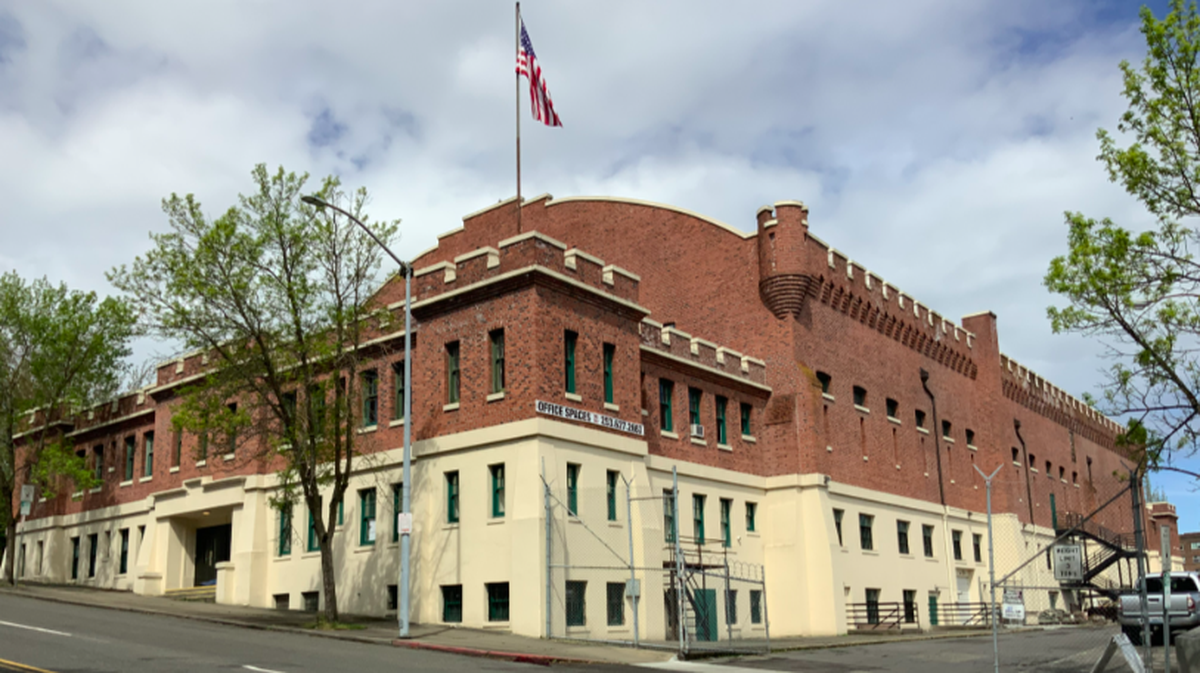
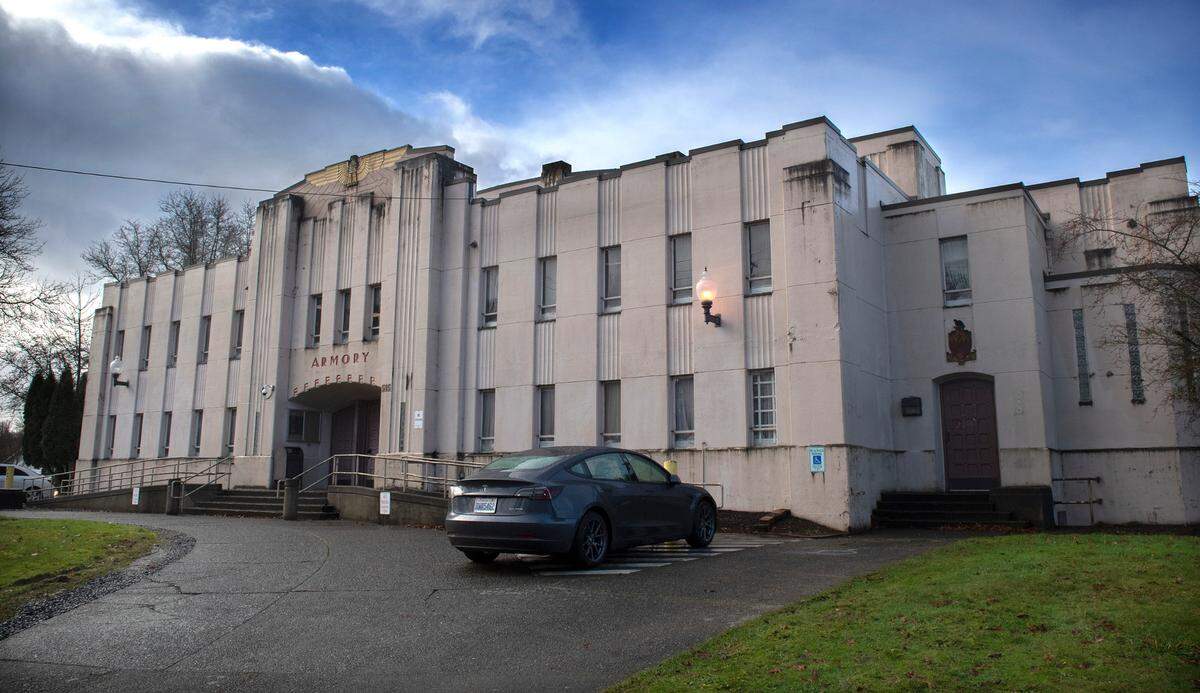
The Tacoma Armory, 1001 S. Yakima Ave., faces an unknown future later this year, just a few years after a careful handoff meant to ensure its place in perpetuity.
Tacoma developer Fred Roberson, who died in 2022, had the Armory transferred to the nonprofit Tacoma Arts Live after purchasing the building in 2013 for $950,000 and spending about $2 million in renovations.
“I want to just give something to Tacoma,” he told The News Tribune in 2018, marking 110 years of the building’s existence.
David Fischer, then-executive director of Tacoma Arts Live, told The News Tribune via email at the time, “Tacoma Arts Live will be forever grateful to Fred for trusting us to steward The Armory.”
Fast forward to Jan. 28, 2026, when Tacoma Arts Live announced it was folding and eventually the armory would be sold to pay off the nonprofit’s debts.
Roberson’s stepson, Mat Shaw, did not respond to a request for comment from The News Tribune.
So, what now? It’s not every day that millionaire philanthropists such as Roberson come to the rescue.
The struggle with adaptive reuse, as that National Trust report outlined, is real.
‘Tough to build in that space’
It takes a special kind of person to take on the struggle and debt that come with redeveloping old sites.
The name most often mentioned in development circles is the McMenamin family of Oregon, who in 2019 reopened the Tacoma Elks after more than $30 million in restoration/improvements.
The McMenamins focus on adaptive reuse for their entertainment, restaurant/pub and lodging sites in Oregon and Washington.
Mike McMenamin admitted to public radio KUOW in July 2024 that the Tacoma Elks had not yet been a financial success, mainly due to the pandemic.
A company representative also told KUOW, “We love Tacoma and we’re not leaving.”
Company officials did not respond to The News Tribune’s request for comment regarding ideas for the armory.
Another developer turning another nearby Tacoma landmark into something else did respond.
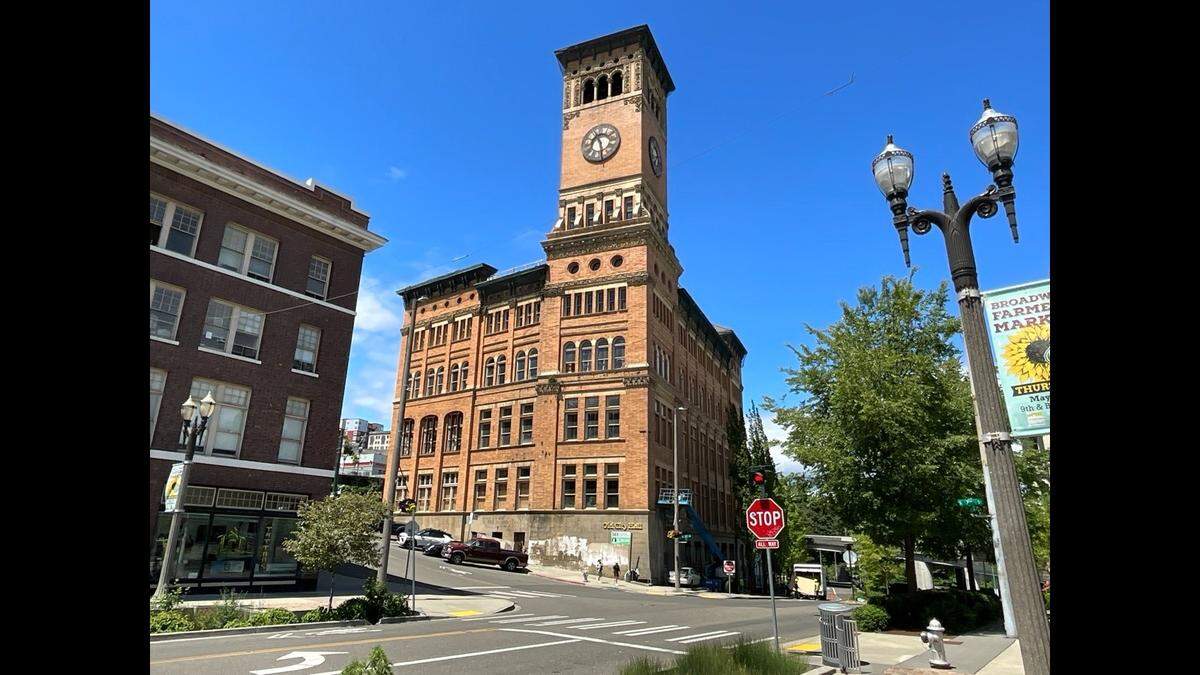
Eli Moreno, whose Surge Tacoma has taken on Old City Hall redevelopment near McMenamins, now hopes for a “soft opening around March or so,” he stated via email, but nothing firm yet.
The Old City Hall project has been a ground-up multiyear restoration and seismic retrofitting extravaganza to bring the 1890s-era building into modern code.
When asked what should happen to the armory, Surge’s CEO noted that converting it to housing, for example, would be “tough to build in that space.”
Moreno explained that “a change of use after 40+ years would require so much seismic and other code upgrades to allow for housing it would be wildly expensive.”
“Any future use of the armory deserves careful consideration and study,” he said via email. “There is strong potential for the space to support community needs such as education, childcare and workforce development. Programs like after-school learning, career training, or other community focused services could be well suited to this important historic building.”
He added, “Given its proximity to Tacoma’s medical centers and convenient access to light rail, opportunities for partnerships may also exist.”
Harrison Laird is principal of Lee & Associates Commercial Real Estate Services in Tacoma. He noted the various adaptive reuse projects in the city, including The Rhodes Center and the former Washington Building (now The Astor apartments), as well as the former DaVita office building converting to Sandberg on the Ave apartments and the still-to-come Old City Hall.
He noted that each project “shares common threads which have made them resonate with the local community,” he said via email. “(A) passion for the community and the building’s history, together with modern amenities and appointments.”
With vision and investment, he added, the armory “could join these as a landmark adaptive reuse success — perhaps blending community, art, and event space; creative office; or other experiential uses that catalyze Hilltop and downtown Tacoma for decades to come.”
Question of feasibility
Housing came up in the response of another area developer.
Ben Maritz is the founder and managing partner of Seattle-based Great Expectations, which is involved in development, preservation and property management.
“We’ve done quite a bit of adaptive reuse work, and the armory is an interesting site from a design and historic-preservation standpoint,” he responded via email.
“The bigger question in Tacoma, though, isn’t creativity or intent — it’s feasibility,” he added.
Great Expectations debuted its Cornus House apartments in Tacoma’s Dome District early last year, and its “Ceiba Redevelopment” project in Tacoma includes the Hosmer House, 309 S. Ninth St. — considered the oldest residence in the city.
The work is in partnership with Urban Black and the Tacoma Housing Authority for affordable housing.
“Ceiba Redevelopment is doing very well,” he noted, adding that commercial leasing has been good for the project, too. “We’ve seen strong tenant demand, good absorption, and real foot traffic coming back. … It’s a good example of how adaptive reuse can work in Tacoma when the pieces line up.”
“For the Armory specifically,” he added, “affordable housing or another publicly supported use may be more realistic paths than market-rate rental. Townhomes or other for-sale housing could also be viable, since they’re not subject to the same operating constraints.”
Market-rate housing, he noted, would be problematic at this time.
“Under the current regulatory and operating environment, it’s extremely difficult to attract private capital for new market-rate rental housing, whether ground-up or adaptive reuse,” he wrote.
“Between rent regulations, limits on late fees, and extended periods during which rent collection and enforcement are constrained, the underlying economics simply don’t pencil for most investors or lenders.”
‘Flexibility is king’
Tacoma’s Rhodes Center, 950 Broadway, in 2023 became home to UrbanWork coworking, of which Reid Fetters is owner and founder.
UrbanWork is also home to offices for The News Tribune.
Fetters, when asked about the armory, wrote that “with the direction that real estate is heading, flexibility is king.”
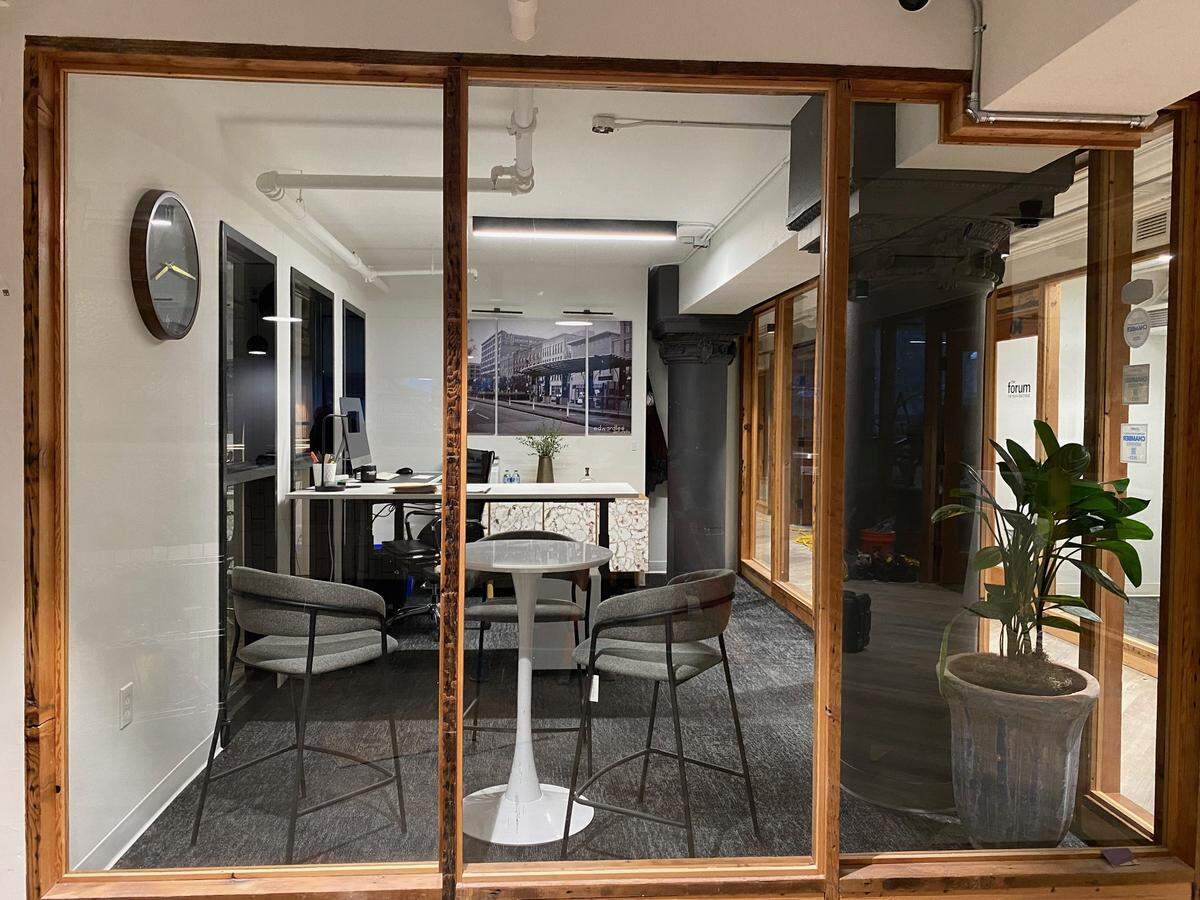
“I would start by analyzing what the city is missing in the world of building community,” he wrote. “It’s a huge open space. … It’s rare to find something that large without columns, so I’d take advantage of that.”
Fetters added there might be potential in “a large commercial kitchen so there’s food production and service available,” as well as investments to be made to enhance it as an event space.
“I would create a flexible space that had several ways of making money at different times,” he said.
Fetters’ thoughts were similar to the ideas floated by University of Washington Tacoma students last year when grappling with what to do with The Swiss restaurant building next to UWT’s campus.
“Buildings like these have to 100% speak to the community that they’re in to be successful,” he noted.
Harrison Laird of Lee & Associates noted that the moment “opens the door to new possibilities that honor its unique character and historic significance.”
He wrote that “historic armories have been thoughtfully repurposed into mixed-use destinations — from residential, retail, and event spaces to nonprofit hubs and community centers — preserving heritage while meeting contemporary market demand.”
Armory redevelopment elsewhere
Looking elsewhere, there are success stories and emerging redevelopments. Then there’s the Cranston Street Armory in Providence, Rhode Island.
Preservationists have sought new life for the site since it was vacated in the late 1990s.
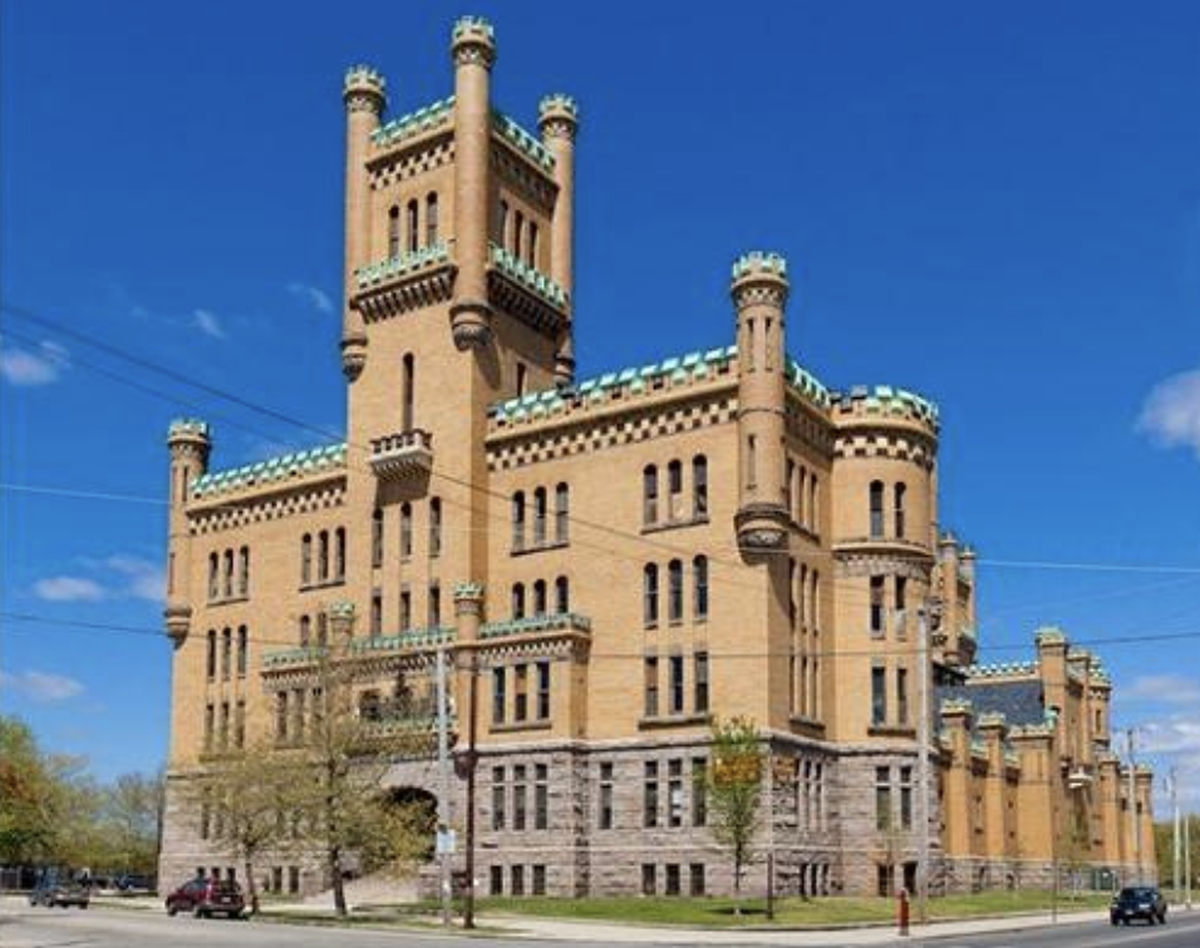
The National Trust report noted that the armory, constructed in 1907, offered 165,000 square feet of space.
“Concern over the need to find a new, economically viable use for this Romanesque Revival structure prompted the National Trust for Historic Preservation to list the Cranston Street Armory on its list of America’s Eleven Most Endangered Historic Places in 1997,” it stated.
B.L. Jordan is adaptive reuse policy and programs manager at the Providence Preservation Society, which has had the Cranston Street Armory on its endangered buildings list for decades. Jordan recently spoke to The News Tribune about the Providence armory as well as Tacoma’s.
“I think the (Providence) armory will be redeveloped. It’s just trying to figure out the financing and making sure you have a really robust community engagement and making sure the neighbors are front and center and have a meaningful participation in its planning.
“It’s a little tricky, but I don’t think it’s impossible,” she added.
Pointing to ideas elsewhere, the Providence Preservation Society posted online a list of armory redevelopment nationwide, including an events venue in Minneapolis and plans for affordable housing in Newton, Massachusetts.
Recently, St. Louis officials announced their armory that closed in 2024 after a run as an entertainment venue could see a $3 billion data center next door.
Plans had originally called for the data center in the armory, which faced community pushback.
Back in Washington state, the future Olympia Armory Creative Campus is undergoing a massive retrofit project. According to reporting by The Olympian in September, it will cost around $20 million to get the building to a position where its eight arts-organization anchor partners can move into the space permanently and start offering public programs.
Bellingham’s facility is home to Armory Pickleball, according to its website. And there’s the Seattle Center Armory with its food court/event space.
“I think armories in general are really hard sometimes to redevelop because of the programming that you need,” Jordan noted. “The layout of them is just really tricky sometimes to figure out, along with the programming that you need to go into the building. So it’s really important to find a developer who is very adaptive reuse-focused.”
Thinking big in the Bronx
If you want to think big, look to the Bronx, New York, and its Kingsbridge Armory, a sort of North Star for the Providence preservationists.
Plans were approved in October 2025 to draw from $216 million in city, state, and federal investments for a multiphase armory redevelopment for the Kingsbridge site.
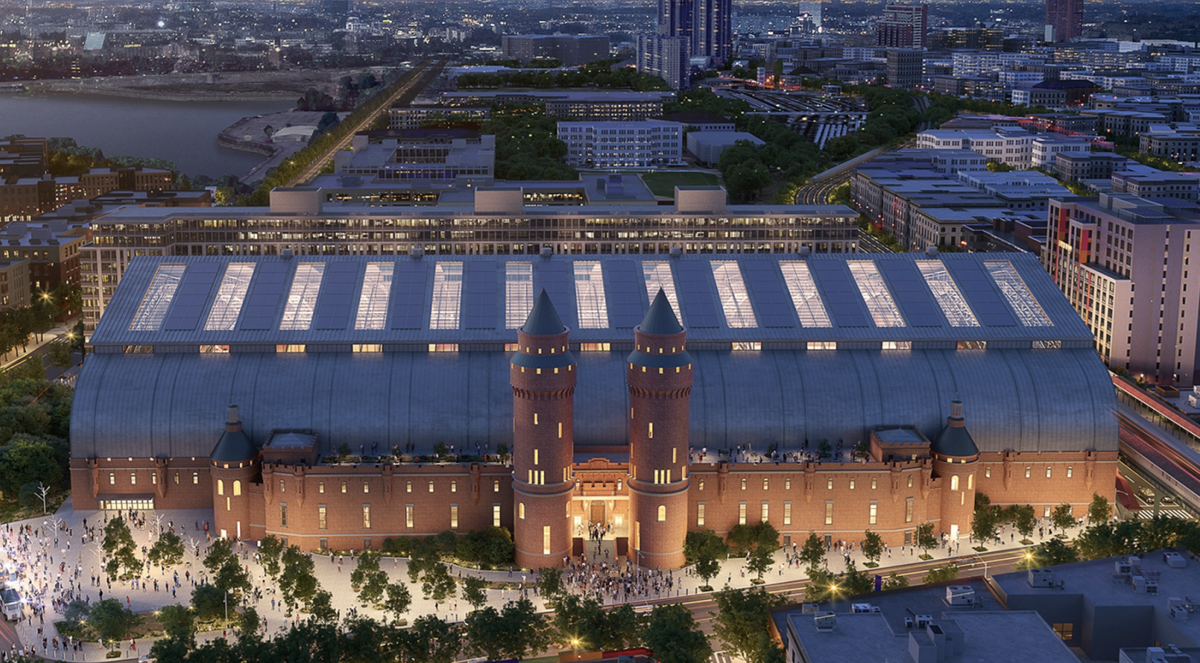
Its redevelopment, “decades in the making,” as New York Gov. Kathy Hochul stated in October 2025, calls for an entertainment venue space, recreational space, cultural and commercial space, light industrial manufacturing space, and over 25,000 square feet of community space.
The second phase will bring approximately 500 units of permanently-affordable rental housing adjacent to the armory.
Jordan of the Providence group pointed to that as an example for any city with an armory awaiting reuse.
“It can be really fatiguing. We’ve been at this for 30 years,” she told The News Tribune. “But look at Kingsbridge. I think their armory was vacant for 20 years.”
“It will be redeveloped,” she added, speaking as much to the Tacoma Armory as her city’s. “It’s just keeping on that same pressure of calling attention to the building.”
What’s your idea?
What should come next for the Tacoma Armory? Send your thoughts to debbie.cockrell@thenewstribune.com.
This story was originally published February 2, 2026 at 5:15 AM.