At least three data centers call Pierce County home. Here’s a look inside two
AI-generated summary reviewed by our newsroom.
- Pierce County hosts at least three data centers serving local and international clients.
- Rising data center power demand threatens Washington’s clean-energy goals.
- Legislature considers HB 2515 for energy and water reporting, plus annual fees.
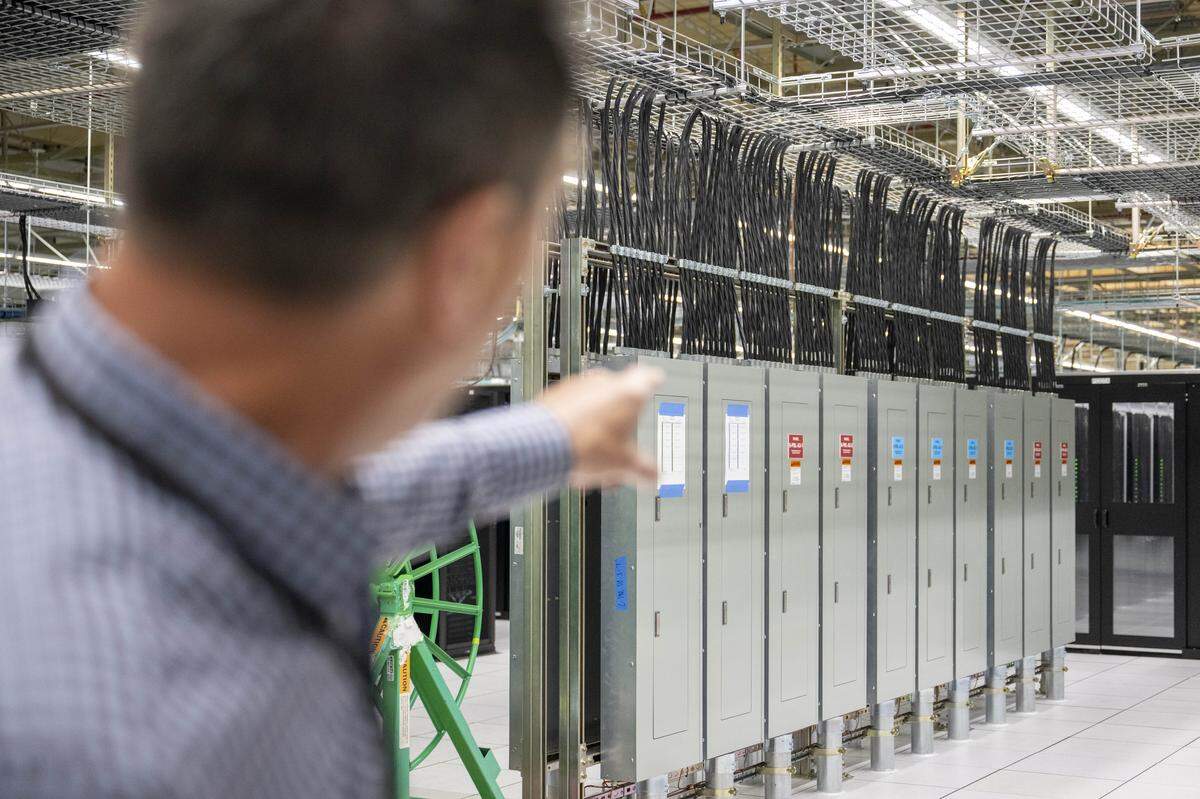
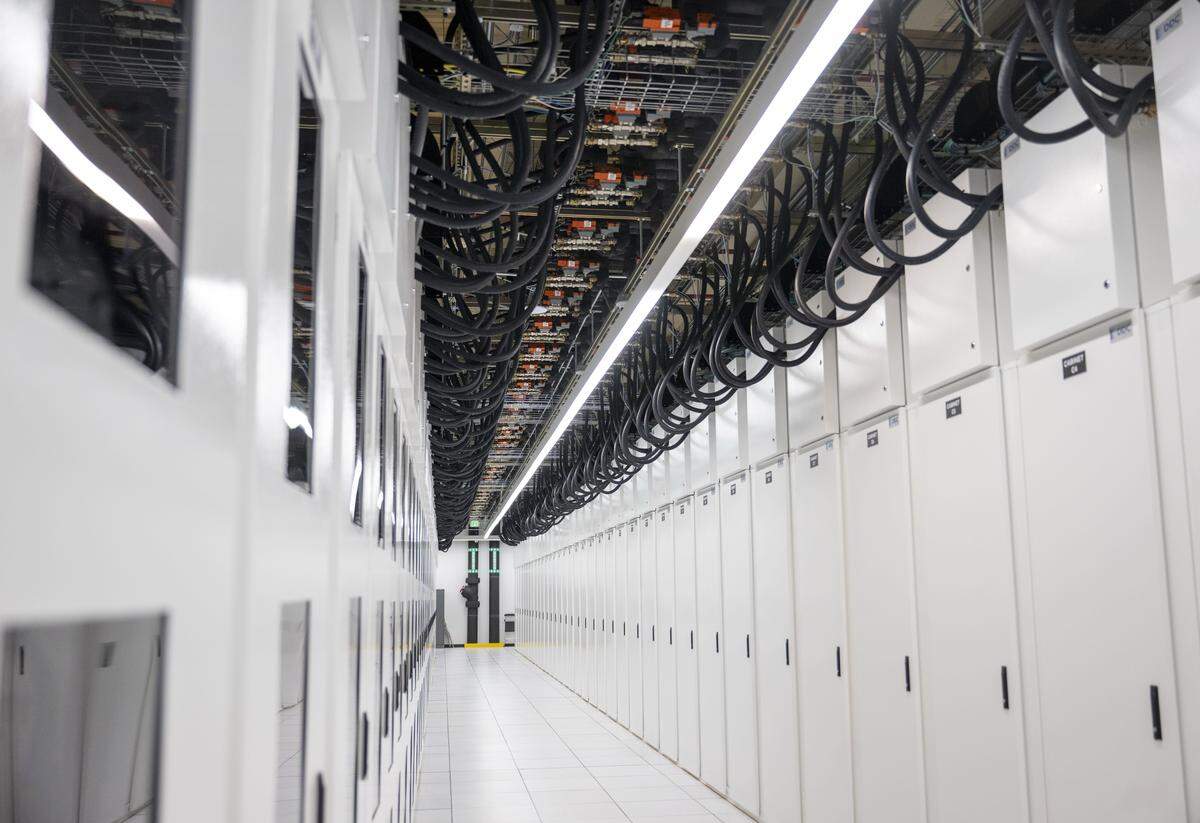
Inside the largest data center in Pierce County rivers of blue cable run in carefully threaded lines across the ceiling, and heat emanates off hundreds of racks of blinking servers. The center is a maze of sterile, white hallways and locked rooms. In the heart of the complex, a droning hum vibrates the air as fans roar to cool the hardware.
Recent technological advances, including in Artificial Intelligence, have meant that data centers are processing more information than ever. Data centers are facilities that provide the power, infrastructure and cooling necessary to allow users to access the internet or “the cloud,” the vast global network where businesses and people store their files and applications.
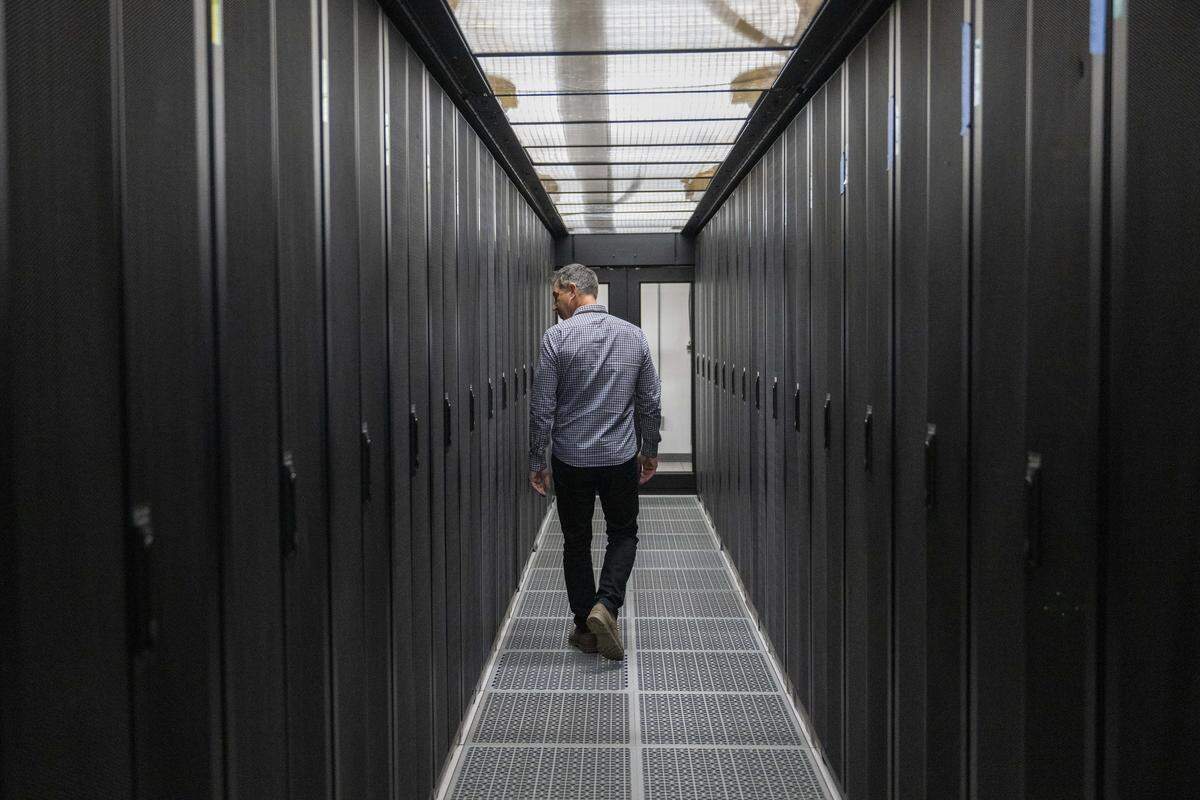
Any time you use the internet — for work, to stream a movie, to browse social media or check your email — you are using a data center that might be in your backyard.
The News Tribune found that there are at least three data centers in Pierce County: Colocation Northwest (1101 A St.) and Cogent Fiber LLC (2210 S. 35th St.) in Tacoma and the Centeris Benaroya South Hill Business and Technology Center in Puyallup (1015-1023 39th Ave. SE).
What do these data centers look like? What do they do? And how much water and electricity do they use?
AI is driving up the power needs of data centers, threatening Washington’s clean energy goals, in addition to goals at the national and global level, as reported by The Seattle Times and ProPublica. Power demand by data centers is expected to triple by 2028, making up 12% of the nation’s total energy demand, according to a recent study from the U.S. Department of Energy. That is driving up utility costs nationwide and fostering more reliance on fossil fuels like coal, according to the Environmental and Energy Study Institute. As the Washington Post reported Thursday, some tech companies are also building their own “shadow power grids,” with new private power plants on-site of large data centers, fueled mostly by natural gas.
A proposal in front of the state Legislature (House Bill 2515) seeks to set new requirements for data centers, such as required reporting of their energy and water usage, as well as annual fees, the proceeds of which would be split between energy and higher education-related purposes, per The Olympian.
Inside a data center
Many of the data centers in Pierce County operate as “colocation” sites, where companies buy space or rent racks of servers from a larger data center that oversees heating, cooling, backup generators and security for the complex.
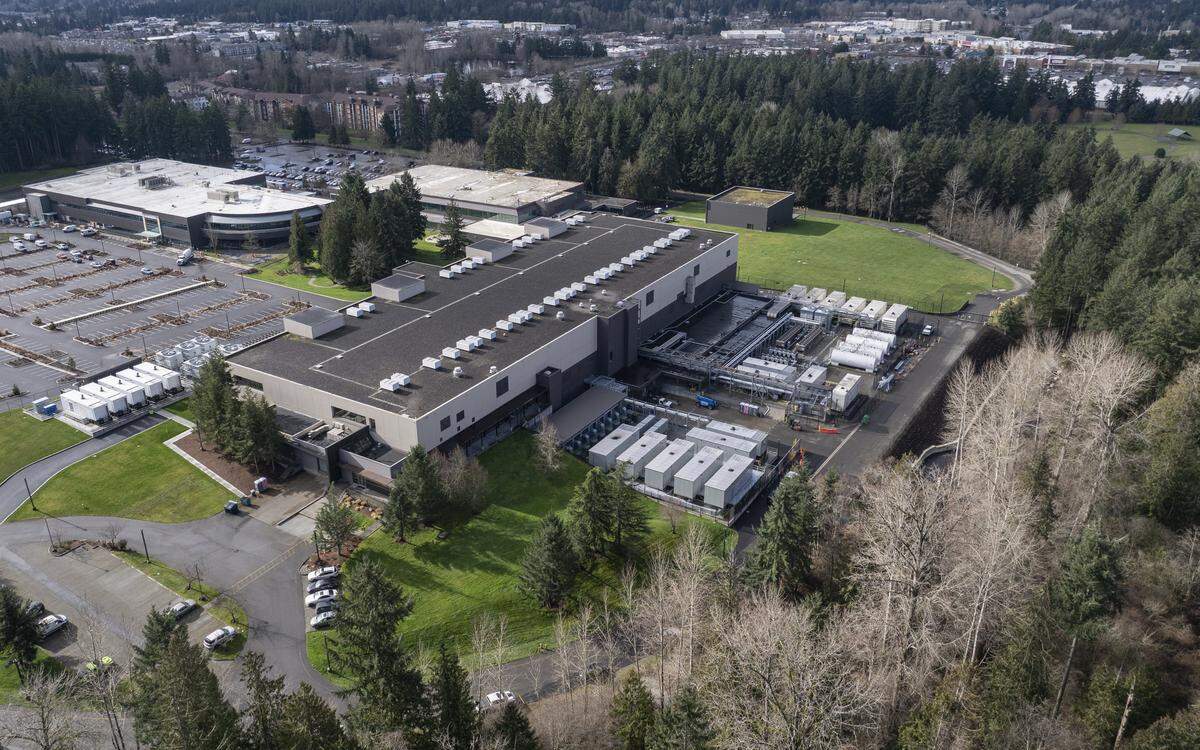
On Feb. 13, The News Tribune took a tour of the Benaroya South Hill Business and Technology Center’s 86-acre data center complex, the largest in Pierce County. Behind a locked gate are several large buildings that house office space and the SH1 Data Center. Centeris vice president of leasing and operations Dave Vranizan said about 20 companies lease racks of servers at a monthly or yearly rate (which is often growth-dependent). Four of those companies use the majority of the servers, he said. The center has operated there since 2011, Vranizan said.
Vranizan wouldn’t share specifics about which companies use the servers but said some tenants work in business, finance, architecture, online gaming and AI. For scale, one AI company leases more than 700 racks of servers, Vranizan said. From 2011 to 2014, there was a craze for cryptocurrency, popularized by Bitcoin, he said.
Derik Dahlke, vice president of sales with Colocation Northwest in Tacoma, didn’t share information about how many clients the company has or who they are. He said common industries that use his firm’s services include finance, legal, engineering, AI and others that need high-computing power in a secure location. More than half of the company’s hundreds of customers are local to Tacoma and Pierce County, but other clients are from elsewhere in the Northwest, the United States and internationally, he said.
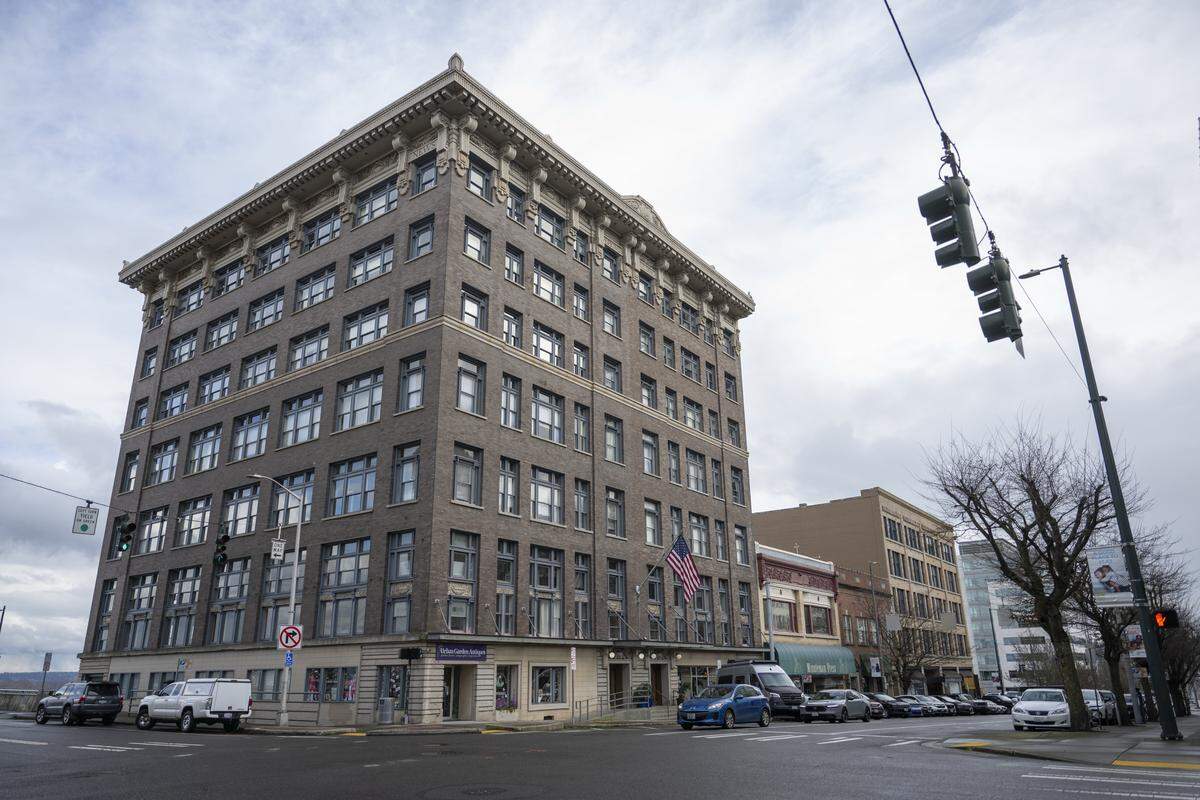
Colocation Northwest’s 5,000-square-foot data center has 140 cabinets of servers with varying sizes, said senior data center manager Neil Sayers. Colocation Northwest is part of the IsoFusion company, which has data centers in downtown Seattle, Redmond and Bellevue, Dahlke said. The Tacoma location has been there since 2002, tucked away inside the historic Perkins Building downtown between office space and condos.
Both data centers have staff on site 24 hours a day, seven days a week, 365 days a year. Colocation Northwest has about 15 employees on rotation per week, all skilled in understanding the operations of the computer systems, Sayers said. Centeris has 20 staff, most of whom are ex-military, with electrical or mechanical skills, Vranizan said.
Security is a big concern for both centers. Nearly every door The News Tribune walked through in the Centeris complex required keycard access. Both Centeris and Colocation Northwest staff directed The News Tribune to turn off cameras when passing through certain cages of data servers, lest anything confidential be revealed.
Vranizan said each of the company’s server racks is worth $1 million. Security is important to prevent unauthorized break-ins, but most importantly to protect intellectual property, he said.
When asked why data centers are important, Dahlke said in the internet age people have come to expect that everything they do online — including work — should operate smoothly and at the speed they are accustomed to. In order to maintain that, as well as continue to grow, there need to be data facilities that can operate all the time and withstand any potential power outages, he said.
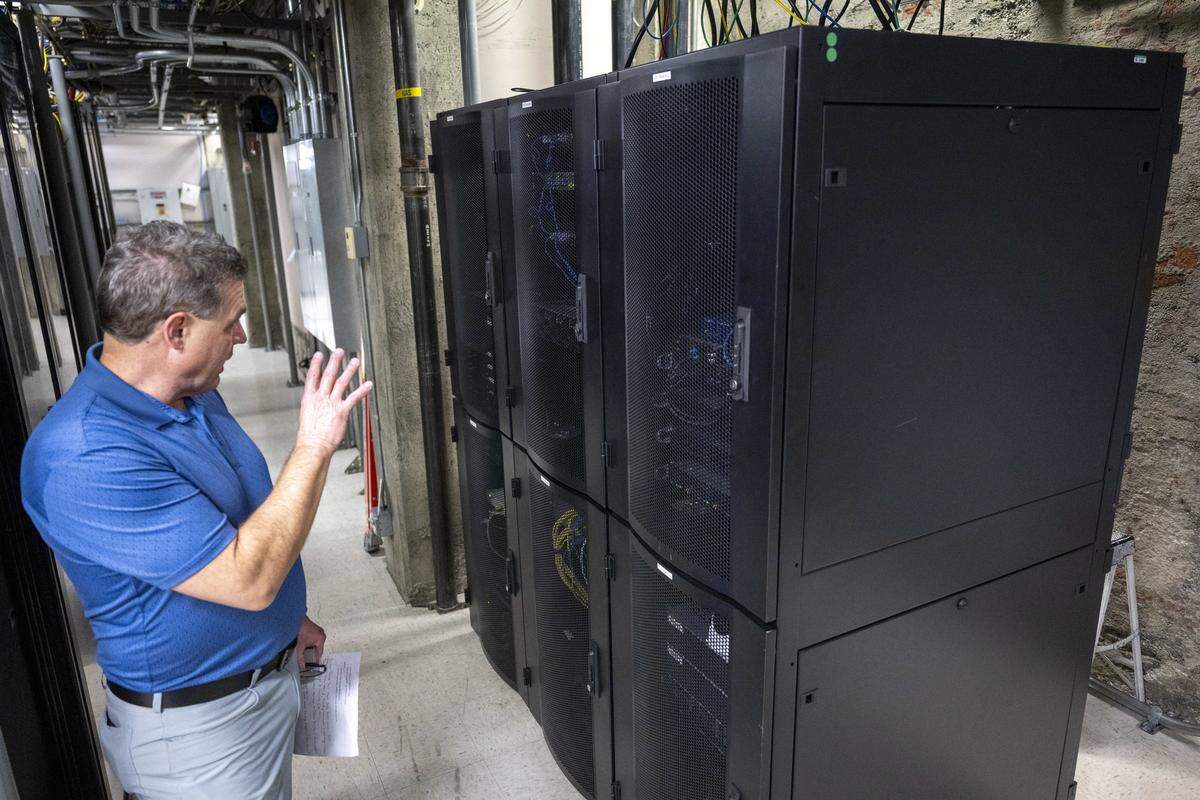
“Any time you text, any time you use Zoom, any time you do a banking transaction, any time you stream, anything related to any of the things I just mentioned — it’s touching a data center somewhere,” Dahlke said.
Vranizan said a lot of people want to paint data centers as the enemy, but it’s the public that’s driving the demand for data centers.
“Stop using Excel. Stop using Word, stop using Google, stop using AI. And then data centers will stop,” he said. “Instead of making the data centers evil, we either have to make an effort to work with them somehow, some way, if we want to sustain the technology growth that we’re all used to. If we want to go back a step or two, that’s fine, too. Then data centers will stop needing power. They’ll stop needing to grow. But you can’t have one without the other.”
Cogent Fiber LLC declined to comment for this story.
How much power and water do these data centers use?
Tacoma Public Utilities did not give The News Tribune specifics when asked about how much water and power Colocation Northwest and Cogent Fiber LLC use annually. Spokesperson Mike Halliday said both companies are charged an energy rate of about six cents per kilowatt-hour. Most of TPU’s power is generated by dams.
“Colocation Northwest doesn’t have a separate water bill from the building it occupies in Tacoma,” Halliday said via email, noting that Cogent Fiber LLC is charged $2.97 per 100 cubic feet of water it uses. TPU’s water comes from the Green River and local wells.
Puget Sound Energy provides power to Centeris’s Puyallup location, and spokesperson Andrew Padula said the utility could not provide information about specific customer’s energy use due to privacy reasons. Padula said PSE does not have any customers that currently meet the definition of a large data center, as spelled out in the proposed House Bill 2515 (which defines “large energy use facilities” as using a cumulative maximum of 20 megawatts of energy or more).
The city of Puyallup said Centeris used about 8,789 cubic feet of water in 2025. For context, the U.S. Environmental Protection Agency reports that the average American uses 82 gallons of water a day (or 11 cubic feet), which equates to 4,015 cubic feet of water a year.
On average, a Washington homeowner uses 916 kilowatt-hours of electricity per month, according to the Constellation Energy Corporation, a leading energy supplier in the U.S.
When asked about energy and water usage on the tours, Sayers said Colocation Northwest has a 600 kilowatt (kW) generator and a 750 kW backup generator. Hot air from the machines is cycled outside through four air handlers on the roof, which also cycle in cool air, he said. Colocation Northwest draws the power of about 200–400 homes, Sayers said. Colocation Northwest does not use as much water as other larger centers to cool their servers, Dahlke said.
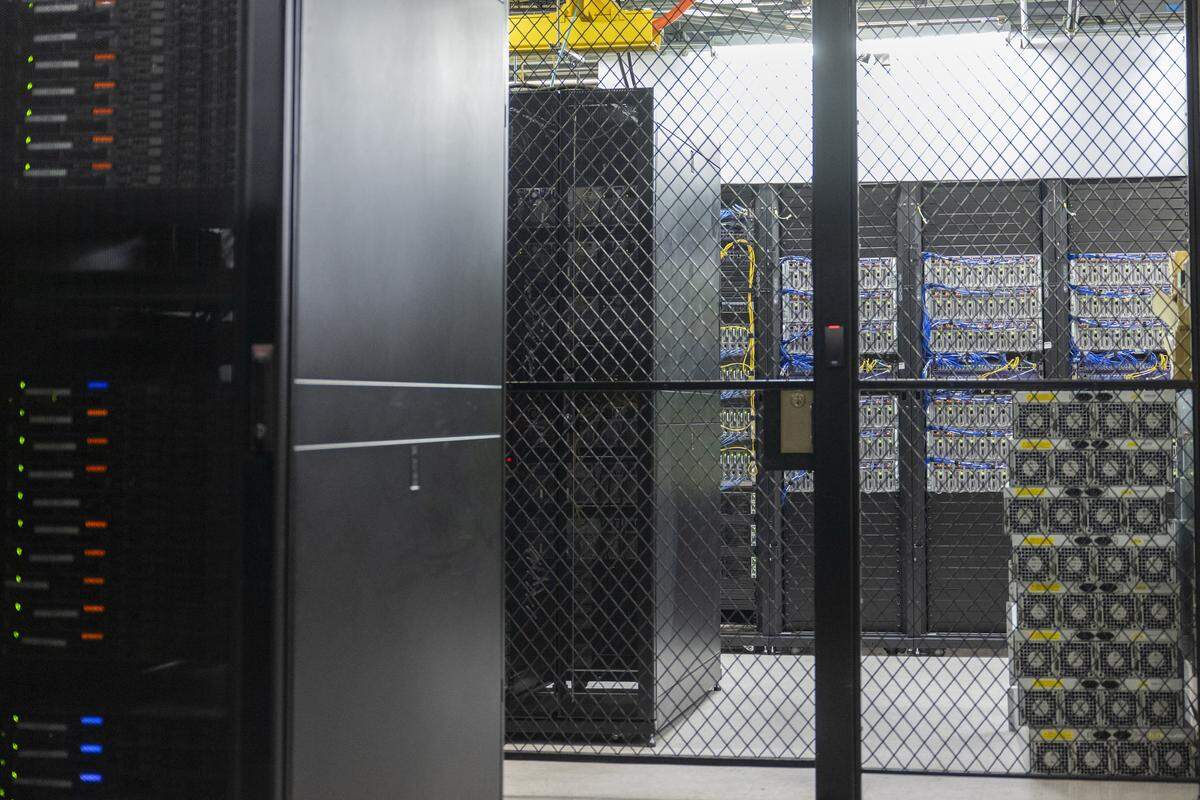
Centeris has a power allotment of 37.5 Megawatts, said Vranizan. For context, one Megawatt (MW) is 1,000 kW. Diesel-powered back-up generators on site ensure the servers can run for more than 48 hours if there is a power outage, Vranizan said. Early on in the industry, from the 1990s to 2010, racks used about 3 kW of energy, he said. Racks used about 5 kW of energy when the facility opened in 2011, and now racks use an average of 20 kW of energy, although some use 85 kW (mostly for AI), Vranizan said.
To cool the machines, the company draws cool air from outside the building inside, and fans blow the air onto the floor above the servers, Vranizan said. The servers have their own fans that push the hot air through grates in the floor, he said. Then the hot air is pushed out of the building, or recirculated to heat the complex. Tanks in the basement pump water on a closed loop to cool some of the hotter racks, he said.
Why Pierce County?
Washington is home to more than 100 data centers, and the state has worked to attract more centers by providing tax incentives, as reported by The Olympian. Most of the state’s data centers are in King County or Eastern Washington, which has more land availability.
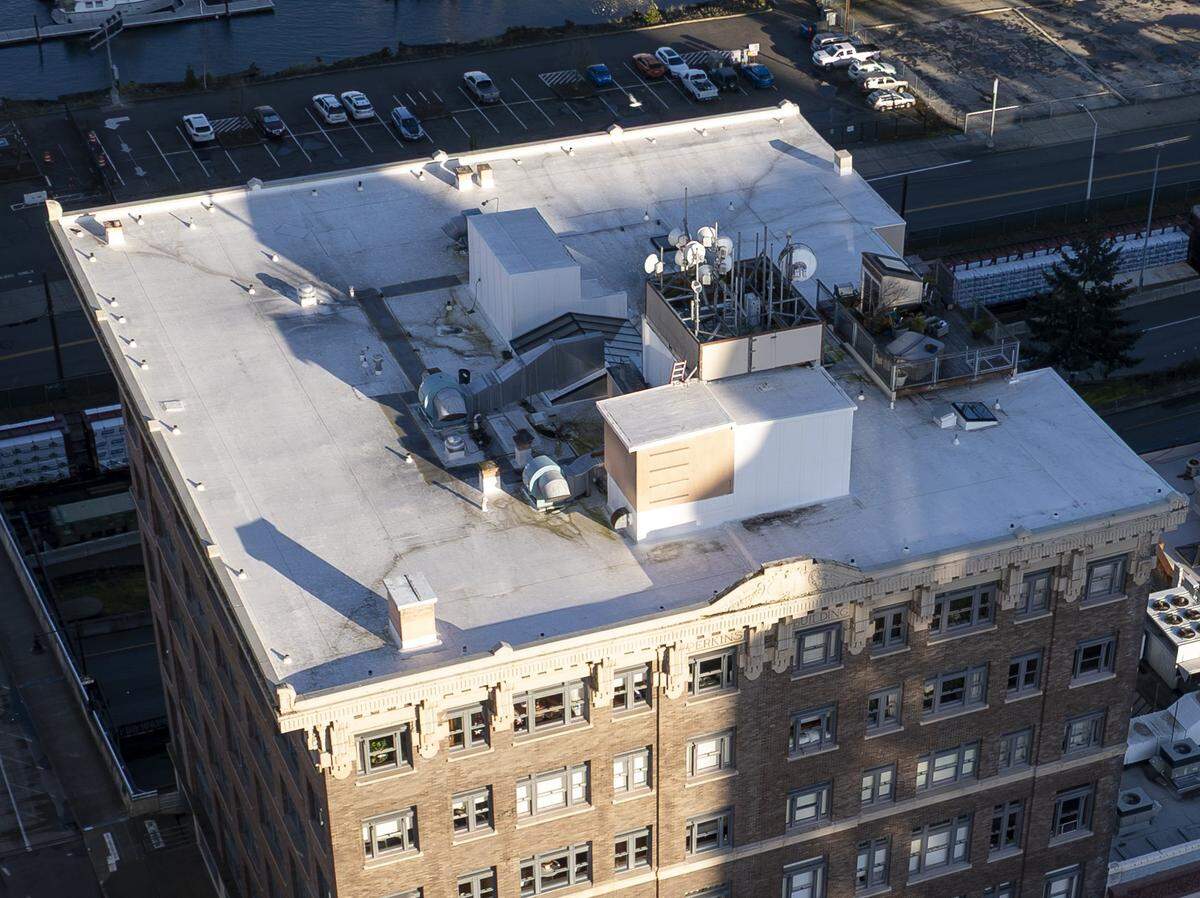
As for why Colocation Northwest has operated a spot in Tacoma for 24 years, Sayers said the space was originally built out to service a single customer located a few blocks away. As the business attracted more customers, Colocation Northwest began to offer more networking services, he said.
The site of the Centeris data center used to be a computer-chip manufacturing company before it was bought by the Benaroya Corporation in 2007. In 2022, the state Legislature passed a bill that provided sales-and-use tax exemptions to urban data centers for eligible server equipment, power infrastructure and associated installation labor. That made Washington a more attractive state for data centers as compared to Oregon, and that year the Benaroya Corporation invested more than $200 million in its Pierce County site, Vranizan said. Since then, it has been able to attract bigger users, he said.
When asked if Centeris would build another data center on its campus, Vranizan said it would “if I could get more power from Puget Sound Energy, but that’s looking bleak [because] they’re claiming they don’t have any more power.”
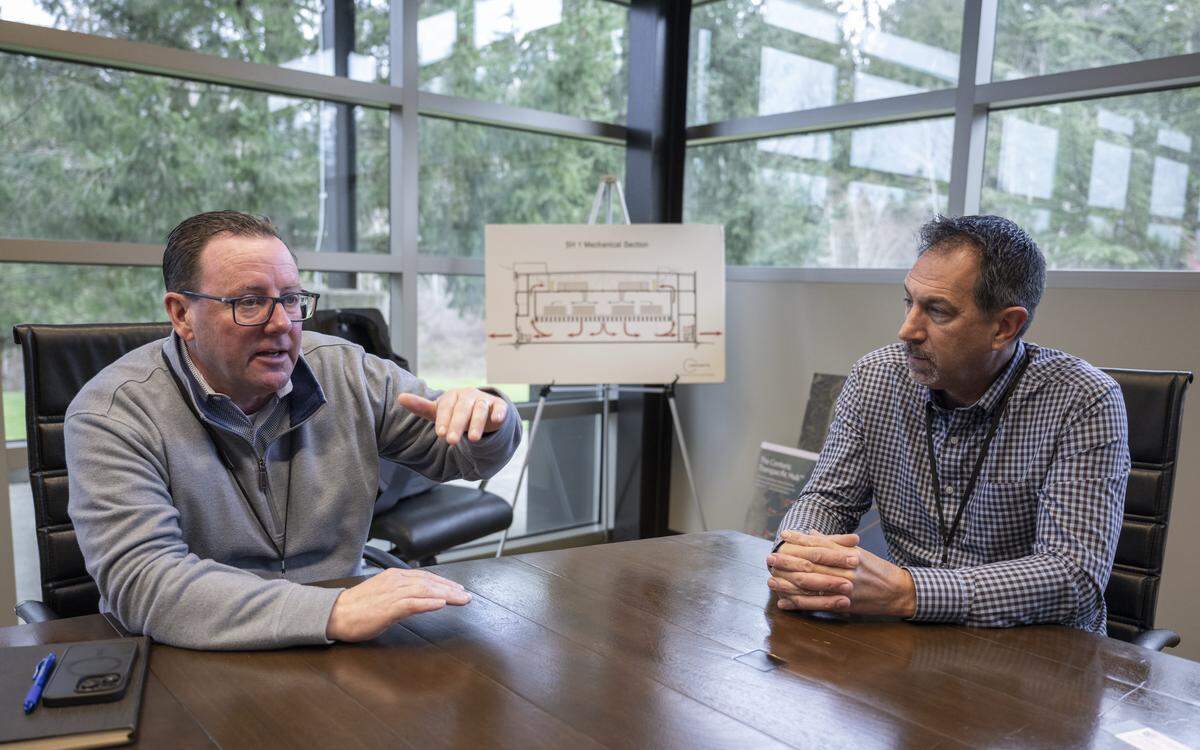
CEO of the Tacoma Pierce County Chambers of Commerce Tom Pierson accompanied The News Tribune on its tour of the Centeris complex earlier this month. He said the state lacks sufficient transmission infrastructure that would generate more power, and there are ongoing conversations about possible gas-powered or nuclear options in the future.
“There’s just no more power. It’s not like somebody’s hiding it. They just can’t generate it,” Vranizan said. “So somehow, some way, something’s got to change.”