Are these weird-looking bugs taking over Lakewood? What to know
AI-generated summary reviewed by our newsroom.
- Spongy moth caterpillars threaten 300+ tree and shrub species in Lakewood.
- WSDA will spray Btk by plane in spring to eradicate small local moth populations.
- Officials urge residents to report sightings and sign up for treatment alerts.
You probably won’t see them, but they’re there. Growing in the tall tree canopies of Lakewood are tiny invasive critters that have the potential to wreak havoc on Pacific Northwest forests, especially oak trees.
It’s called a spongy moth.
With a small yellow head, hairy body and a distinctive blue-red dot pattern, the little caterpillars eat over 300 types of trees and shrubs, and if not kept in check, could strip all the leaves of a forest from canopy to floor within a matter of months.
In April or May, a mile-and-a-half area of Lakewood will be treated for spongy-moth eradication after staff with the Washington State Department of Agriculture found five there in 2025 and 10 the year before, said communications consultant Karla Salp.
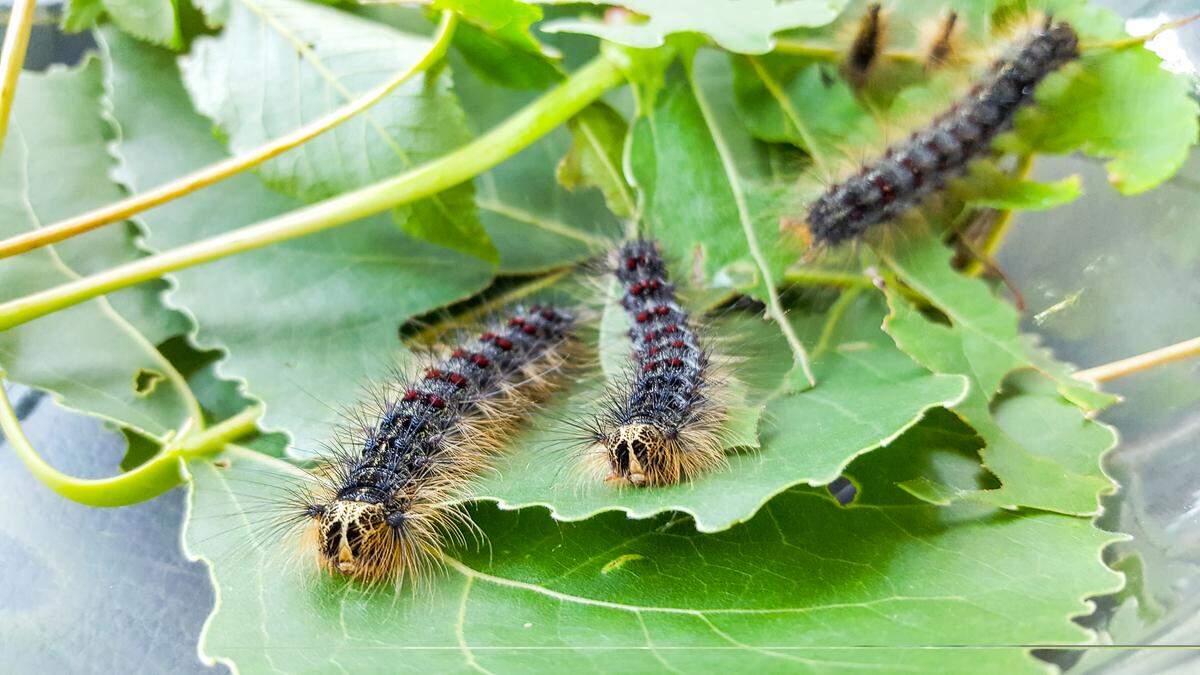
That might not seem like many, but the goal is to find no moths for years in Washington, Salp said. The spongy moths are non-native to North America, introduced to this area from Europe and Asia. The East Coast is more overrun with them, but some are finding their way to the West Coast via bicycle tires, outdoor lawn furniture or vehicles, she said.
Some people can get a rash if they come in contact with the caterpillars, Salp said. In high enough concentrations, spongy moth droppings have been known to cause car accidents as their poop (falling from trees above) can make the roads slippery, she said.
“They have the potential to do widespread damage,” Salp said. “And if that only happens one year, most trees — if they don’t have other stressors — can be resilient and re-leaf. But when you have multiple years of that in a row, like you would in an outbreak, that can actually kill trees.”
Thankfully, Lakewood is nowhere close to those numbers, she said. The goal is to eradicate the moths while their population is still small, Salp said.
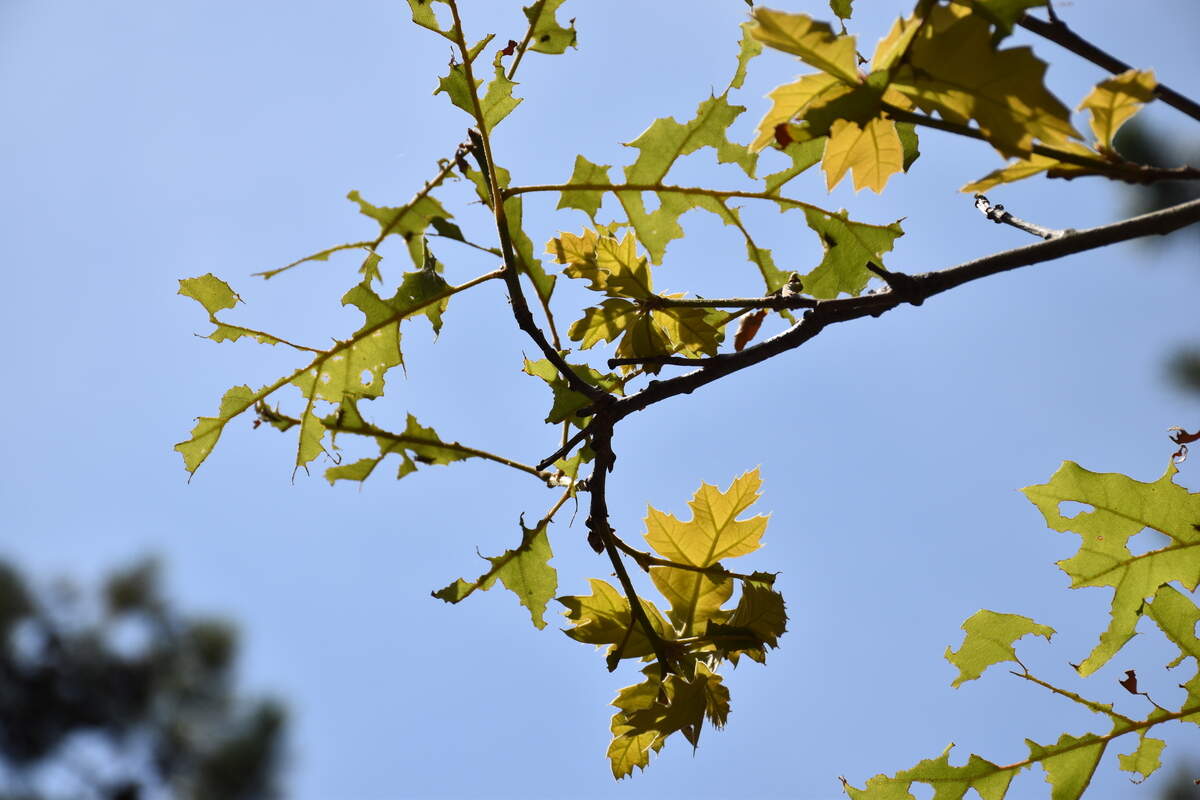
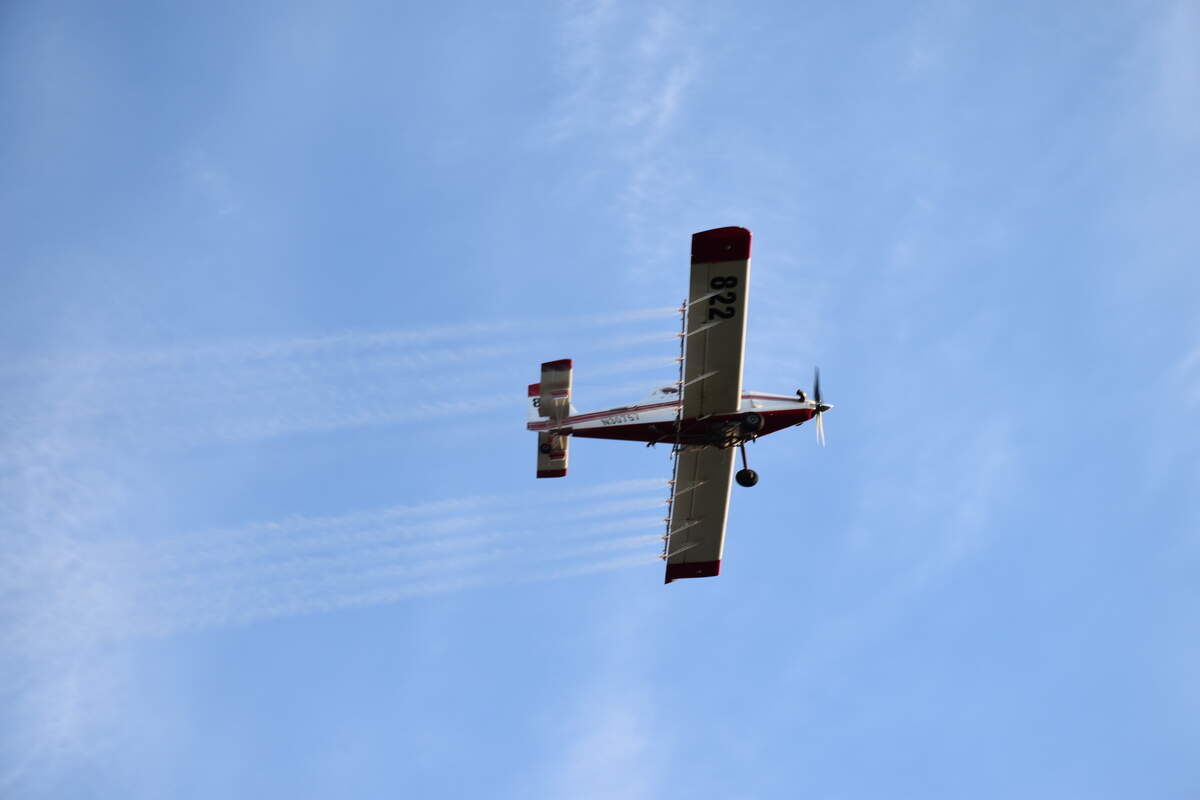
In the next month or two, some residents within a one-mile radius of Custer Road Southwest might see a small plane flying overhead, spraying a biological insecticide called Btk (Bacillus thuringiensis kurstaki) on the trees below. Btk is a naturally occurring bacteria that’s been commonly used as pest management in organic farming and is a safe and effective way to eradicate the spongy moth, according to the WSDA.
Salp said Btk contains a bacteria that caterpillars cannot digest, so when they eat foliage with Btk on it, they die. Numerous studies show Btk has a very low risk to human health and is not harmful to other insects like bees or ants, in addition to animals, birds or fish, according to the WSDA.
Not many other moths or butterflies have the same breeding cycle as spongy moths, which hatches in the spring, Salp said. WSDA deploys its Btk treatment when about 40% of leaves have emerged, which is when the spongy moth larvae have hatched and the caterpillars begin feeding on them, she said. They would normally pupate in June or July, then emerge as moths in the late summer, Salp said.
“All the damage is done by the caterpillars. The caterpillars eat the leaves, and that’s the biggest problem,” Salp said. “The moths themselves actually don’t eat anything in their adult stage. They just basically mate, and then lay eggs and die. And that’s basically their life cycle over the year. Then those eggs overwinter, and then again, next spring, they’ll hatch out.”
People can sign up for alerts as to when the treatment will take place, which is usually dependent on the weather. If you think you’ve spotted one of the caterpillars or a moth, you can take a photo and send it to the WSDA.
“Most people are not going to see the caterpillars, because they’re usually in the tree canopy,” Salp said. “Unless you get, like, really high numbers where they’re climbing up and down the trees, and falling out of the trees and then climbing back up the trees, most people would not see the caterpillars.”