New documentary series examines the double life of Tacoma’s ‘Frugal Gourmet’
Do you remember “The Frugal Gourmet”?
For millions of viewers in the ‘80s and ‘90s, the TV show once conjured images of cheerful thrift, simmering sauces and a charismatic Tacoma chef who made international cuisine feel accessible.
For years Jeff Smith, a Tacoma resident, charmed households across the nation with his frenetic flair and contagious zeal for cooking.
But in 1997, his fame shifted to something more sinister.
In a bombshell civil court case, seven different men came forward alleging that Smith sexually assaulted them as teenagers. Smith denied wrongdoing. The case settled out of court. He was never charged with a crime, but his reputation never recovered.
Almost three decades after the court case began, many of Smith’s victims and former colleagues broke their silence and discussed their history with the controversial chef in a new documentary series, “I Bid You Peace.”
The origins of ‘The Frugal Gourmet’
Smith was born and raised in Seattle, and after becoming an ordained Methodist minister in New Jersey, he returned to his alma mater, the University of Puget Sound.
From 1965 to 1972, he served as a chaplain at UPS, becoming a beloved figure for his spiritual mentorship, especially when it came to cooking.
His class, “Food as Sacrament and Celebration,” laid the groundwork for him to open the Chaplain’s Pantry in 1972, an unconventional meld of a deli, kitchen supply store and cooking school in Tacoma.
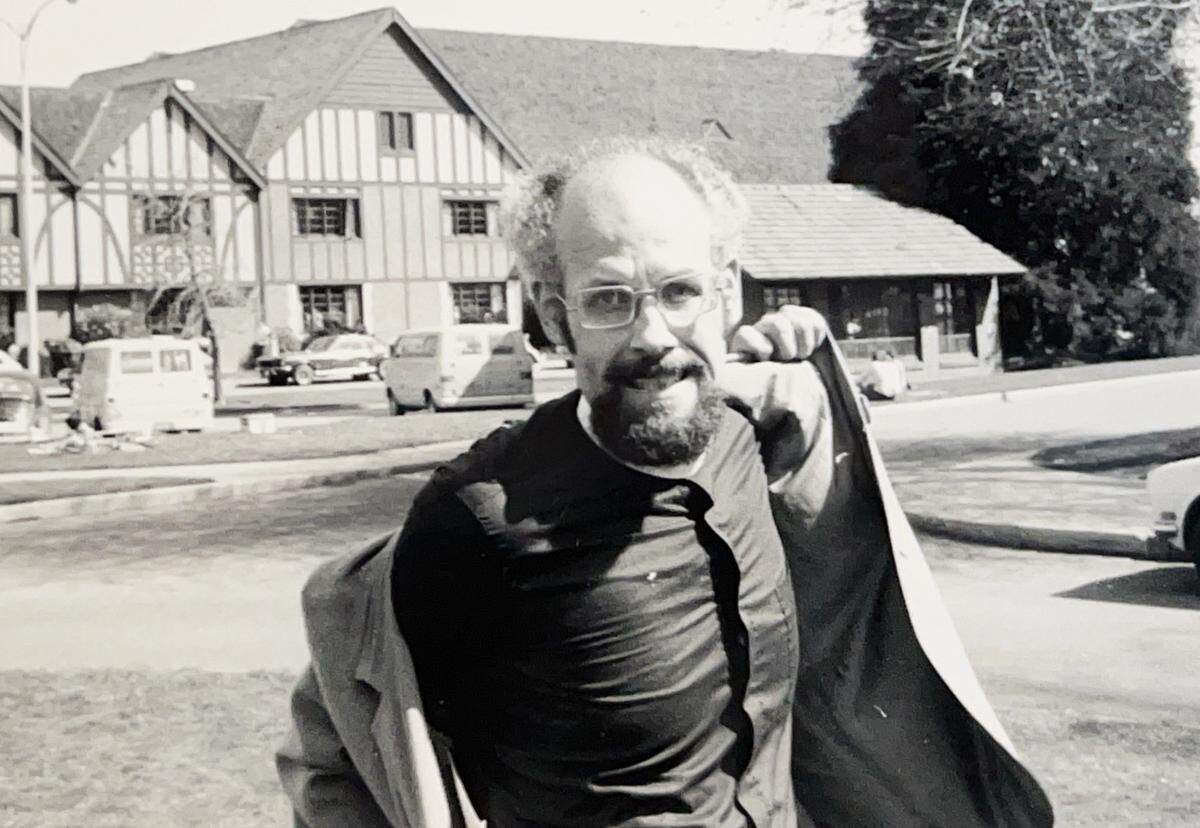
Many of his employees were teenagers — part of a work-study program at Stadium High School.
“He brought a level of sophistication to Tacoma that didn’t exist at the time,” said John Evans, a former employee and longtime friend of Smith, in an interview with The News Tribune. “He sold a lot of items that you couldn’t find in regular supermarkets back then.”
His first local PBS show, “Cooking Fish Creatively,” aired from 1973 to 1977.
Then in 1984, he introduced what was soon to become his signature series “The Frugal Gourmet” on national television. It garnered around 15 million viewers a week and quickly became the highest-rated TV cooking show of the time.
“He loved being famous,” Evans said. “He loved being able to go anywhere in the country and have people notice and recognize him.”
Bridget Charters, a Chaplain’s Pantry employee who worked with Smith as a teenager then later on his show, spoke about his undeniable knack for the camera in an interview with The News Tribune.
“That dude could roll tape and there would be no cut,” Charters said. “It was amazing. The guy was brilliant.”
Throughout his career shifts, Smith emphasized the importance of trying dishes from different countries, a rare attitude among TV chefs at the time.
His weekly column ran in The News Tribune (and other newspapers) from 1988 to 1995, sharing recipes with quick quips about each dish’s cultural background.
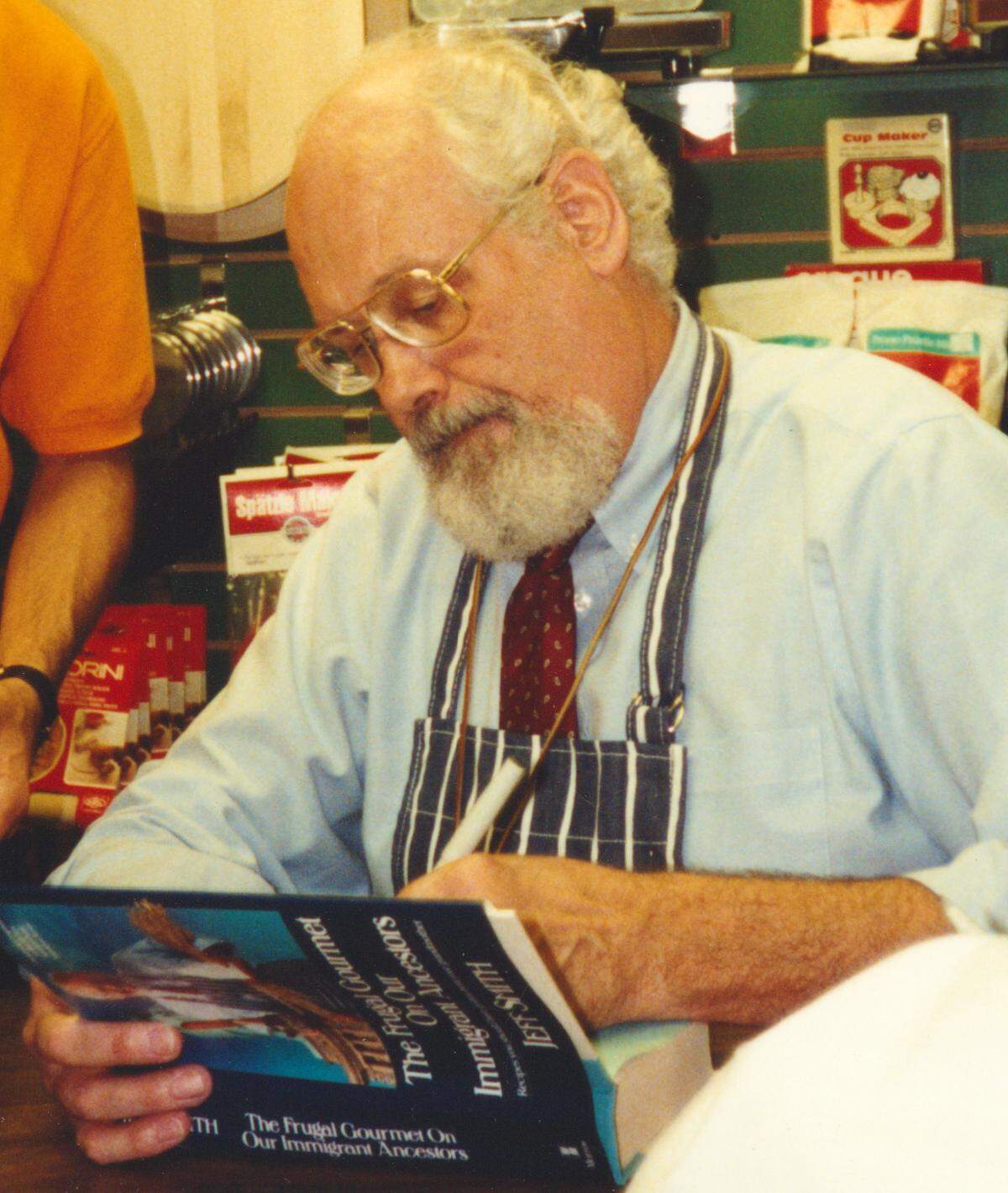
But as the documentary explains, Smith’s shiny facade concealed a dark side.
He had a temper. And an alcohol problem.
Charters remembers hiding with coworkers from his angry outbursts, even witnessing Smith guzzle Carlo Rossi wine on the job.
“He was super intense, and with alcohol became more intense, and I’m guessing you could say more uninhibited,” Charters said.
Still for decades, the greater public knew him solely as the charismatic “Frugal Gourmet,” a skilled cook with TV-friendly charm.
That was, until 1997.
The allegations
That year, seven different men came forward in a civil suit against Smith.
Most of the allegations came from former staff at the Chaplain’s Pantry, who all were underage when they say Smith assaulted them.
Court documents describe how Smith would test the waters, getting the plaintiffs drunk, pressuring them to remove clothing or do sexual acts for favors. He would inappropriately touch male employees’ genitals, going so far as to rape some of the plaintiffs multiple times, according to the documents.
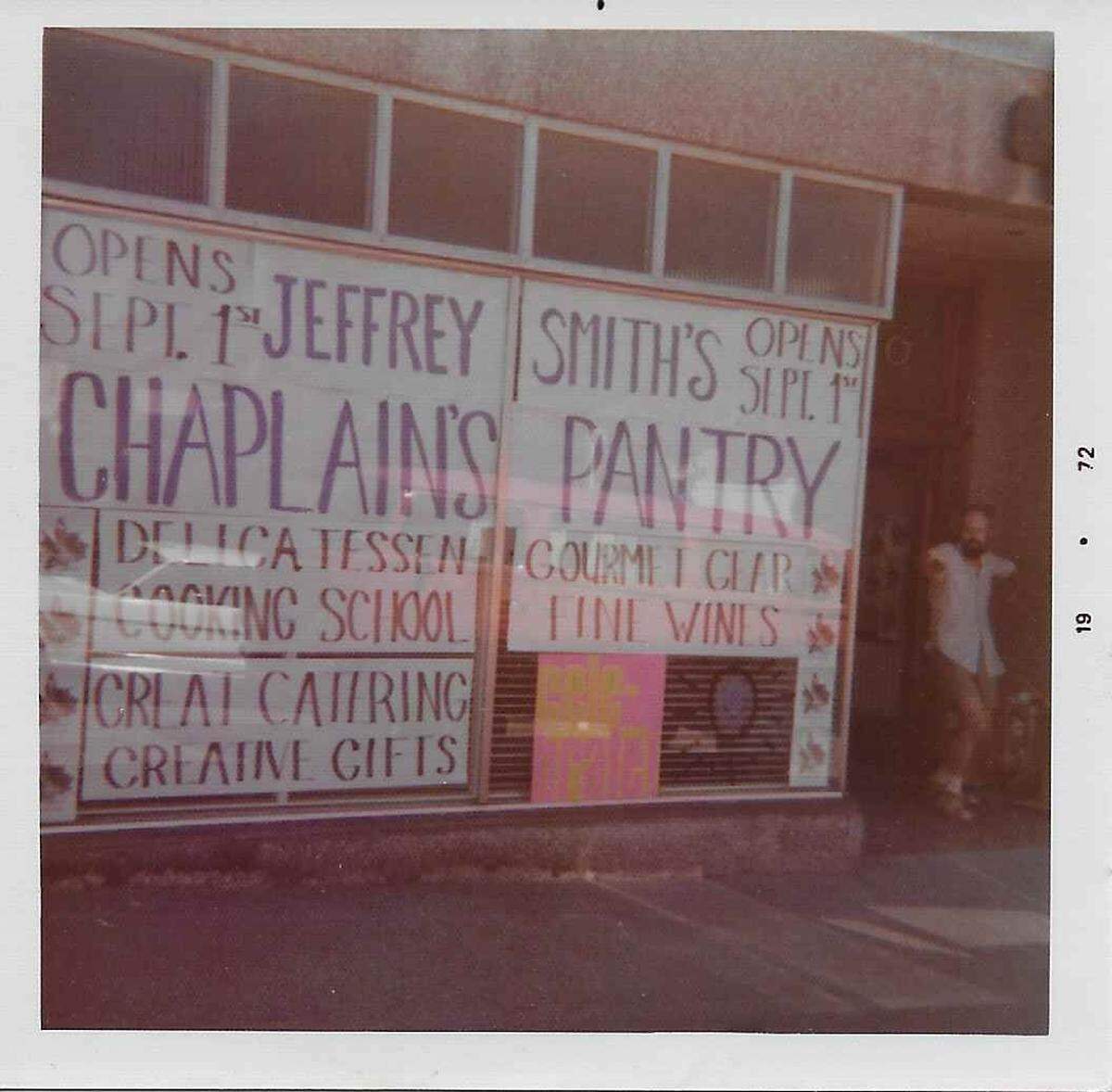
One of the plaintiffs, Rodney Pedersen, began working for Smith at the restaurant when he was 15 years old in 1975. During Pedersen’s sophomore and junior year of high school, Smith repeatedly got him drunk and forced him to perform sex acts, Pedersen said.
“He targeted the troubled kids that were looking for attention,” Pedersen told The News Tribune. “And they warmed up to him that way.”
Like many of the other accusers, for the years following the abuse Pedersen thought he was the only one. He kept it a secret, petrified of the shame he would face by speaking publicly.
“I had three older brothers, so I didn’t tell them I’m messing around with this guy,” Pedersen said. “It would be my fault. Though I was terrified I didn’t say a word to anybody.”
But when he heard of the class action suit filed against Smith over two decades later, he felt motivated to bring his story to light.
“Money was not my motive,” Pedersen said. “It was to help the case get stronger if I could.”
The civil court case against Smith sent his career into a tailspin. PBS pulled his shows and his book deals were canceled.
He and his wife Patty vehemently denied the accusations.
Smith’s then-lawyer Ed Winskill insisted that if the leading accuser’s story was true, it wouldn’t have taken him so long to realize he had been harmed, according to reporting from The News Tribune in 1997.
It raises the question: Why did it take over 20 years for the men to come forward against Smith?
For one, it was their word against a beloved, nationally recognized figure.
As The News Tribune reported in 1998, “Many of his accusers admitted they didn’t disclose what they say happened – even to their wives or families – for more than two decades because they were embarrassed and feared they would not be believed.”
Reporting sexual assault in the late 20th century, especially same-sex sexual assault, had stronger social consequences for victims, Dr. Heather White, a visiting assistant professor in Gender and Queer Studies at the University of Puget Sound, told The News Tribune.
“These young men, they would have faced potentially life-ruining consequences for naming something that happened to them,” White said. “Things like losing jobs, kids were kicked out of school, people were kicked out of families.”
The day before the case went to trial in 1998, Smith and his insurers settled the case for an undisclosed amount of money. No criminal charges were filed against him.
Six years later in 2004, Smith died in his sleep from heart disease. He was 65.
‘I Bid You Peace’
For two decades following Smith’s death, his reputation faded into obscurity. He became a passing face on thrift-store cookbooks and the occasional grainy episode re-uploads on YouTube.
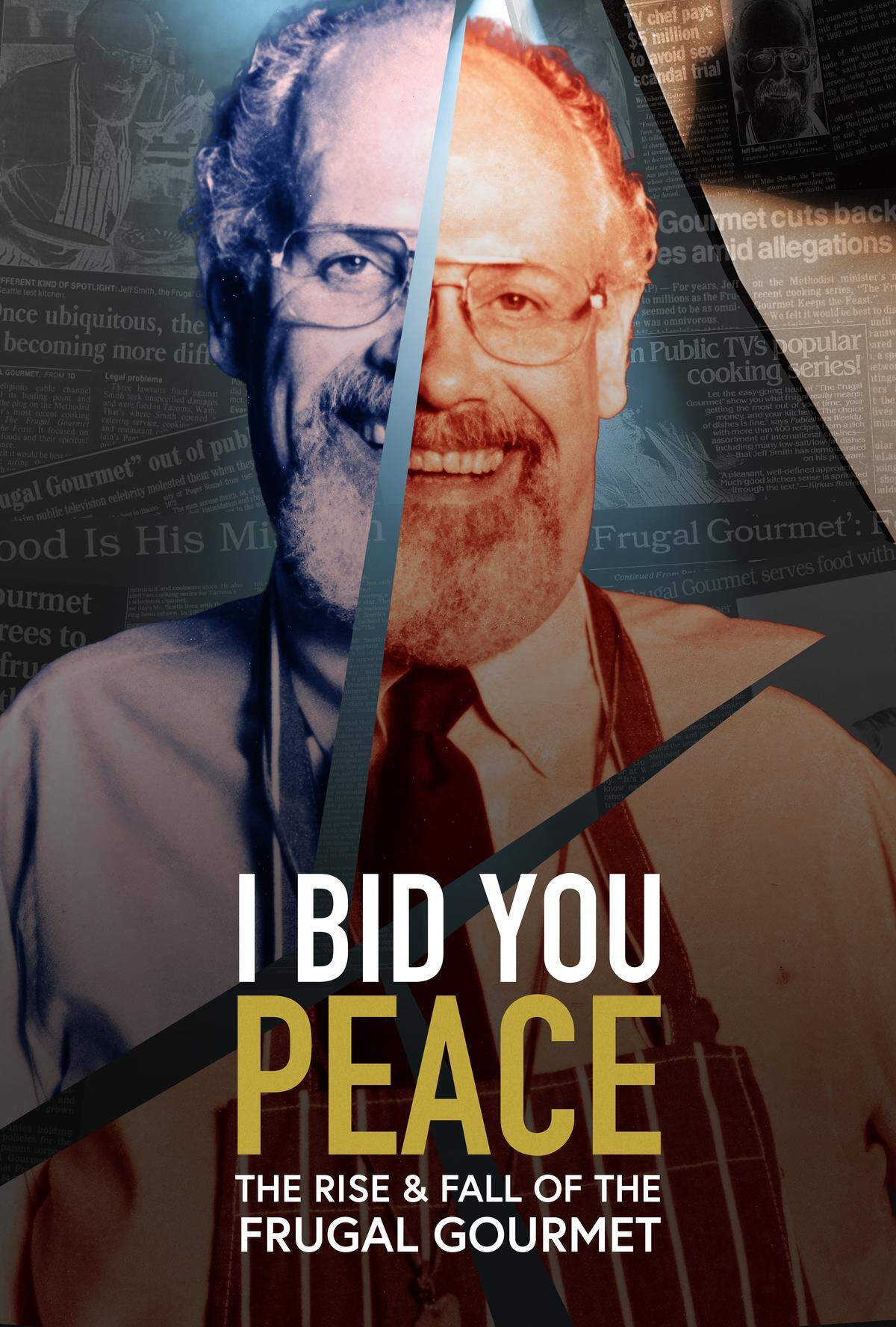
The latter is how documentary director and Seattle native, Chris Johnson, rediscovered Smith. He took interest in the chef he vaguely remembered from his childhood.
It was 2018, the year after the #MeToo movement led an influx of survivors to come forward about their abuse, causing a massive shift in how the culture viewed people in power.
Johnson was surprised that Smith’s life and abuses against his teenage employees hadn’t been covered extensively since the trial.
To this day, male victims of assault face additional barriers such as social stigma and homophobia when it comes to reporting their abuse, White said.
“Some of the #MeToo movement has generated particularly visible sympathy for women who are victims of sexual assault, but there really hasn’t been as many cases of men coming forward,” White said.
Seeing an opportunity for important coverage, he dove into the story and spent five years investigating it, each interview and court document painting a more layered picture of Smith.

“I’d speak to someone, and they would say he was the most generous, wonderful, kind individual I ever met,” Johnson said in an interview with The News Tribune. “And then you hang up the phone and speak to the next person, and they’d say he was awful and terrible and a monster. And sometimes, that would actually come from the same person.”
His duality, even referred to as “Dr. Jekyll & Mr. Hyde” in the third episode, is part of what made Smith a fascinating documentary subject.
Despite many of his sources concluding that Smith was a pedophile, some of the subjects Johnson interviewed still denied the allegations against him.
“I think it’s hard for people to look at somebody that they have only had really good experiences with and imagine them being completely different to other people,” he said.
For Johnson, the series is not just a story about Jeff Smith but “about how we as a society look at people that we admire who do bad things.”
“People aren’t just kind of one thing or one person,” Johnson said. “People act differently to different people. And I think we find it hard to deal with that sometimes, because we want to think of people as being kind of static and one thing. And I think there’s more complexity there.”
This story was originally published March 4, 2026 at 5:00 AM.