Pierce County island residents without solution after gas station closes
AI-generated summary reviewed by our newsroom.
- Pierce County won’t pursue policy change after cost and safety analysis.
- Allowing gasoline would cost ~$250K start-up and $300K–$500K yearly.
- Elderly residents risk power outages; no public gas station reopening soon.
One month after the sole gas station and grocery store on Anderson Island closed, residents are no closer to a solution after Pierce County determined it would be financially infeasible to allow passengers to carry gasoline on the ferry, The News Tribune confirmed this week.
The Pierce County Ferry system is one of the only ferry systems in Washington that doesn’t allow passengers to carry gasoline aboard, as previously reported by The News Tribune. That’s left the 1,500 full-time Anderson Island residents in the lurch, as many elderly residents struggle to afford to leave the island and rely on gas-powered generators during power outages.
“Ferry staff have spent the past several weeks investigating the costs, operational impacts and timelines required to accommodate a policy change that would allow passengers to carry gasoline onboard,” said county communications specialist Danielle Winski via email. “This change would require either a special permit from the U.S. Department of Transportation (USDOT) or an amendment to the ferry vessels’ Certificates of Inspection (COI) through the U.S. Coast Guard. Both paths were explored, and the team completed a full analysis.”
The conclusion? Either option “would negatively affect the safety, reliability, capacity and fiscal sustainability of Pierce County’s ferry service,” Winski said.
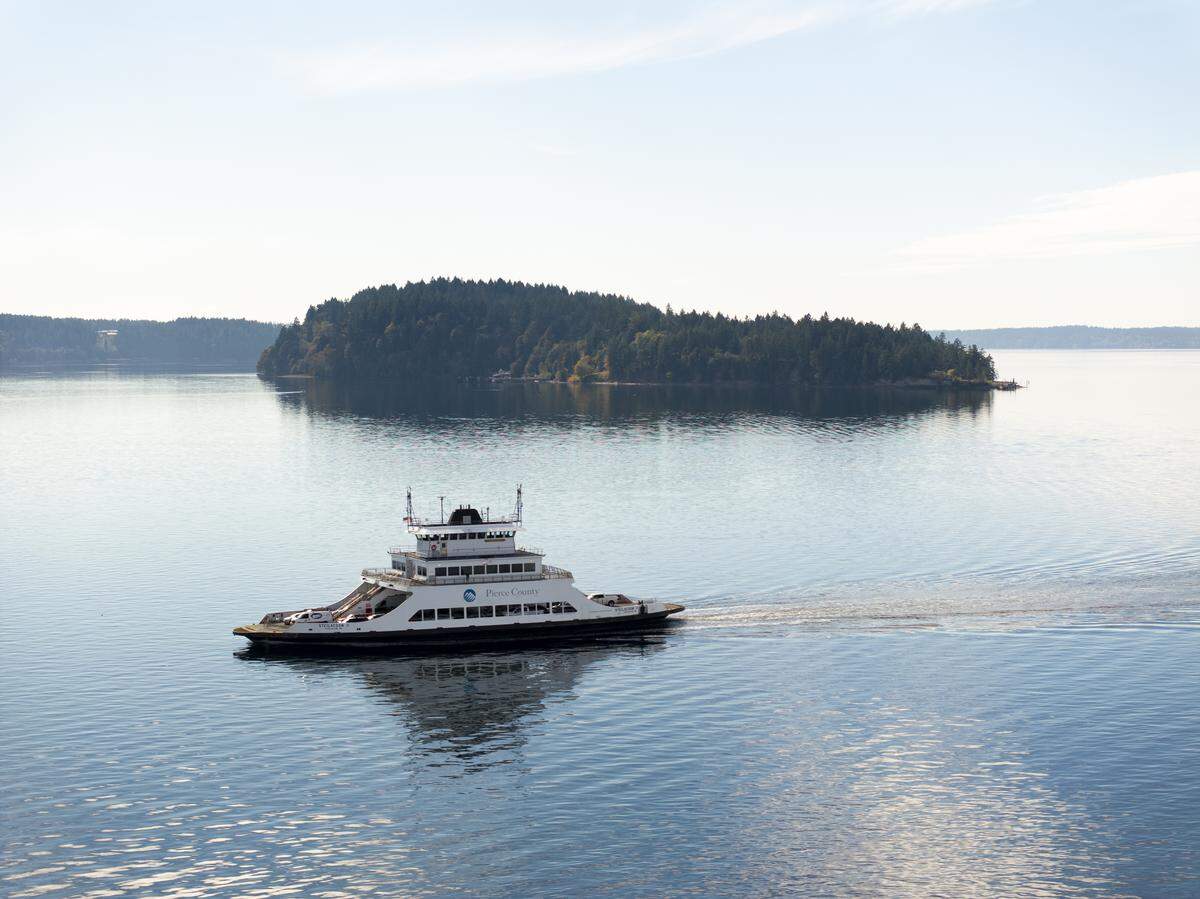
Pierce County said allowing passengers to transport gasoline “would significantly increase fire risks and the potential for vapor accumulation.” The county would have to invest $250,000 in start-up costs for firefighting equipment, updated hazard mitigation plans, permitting processes, personnel changes and specialized training, Winski said.
“Annual operational costs would also increase by approximately $300,000 to $500,000. These costs are not funded in the current budget, and immediate fare increases would likely be required,” Winski said. “If we pursued and received an amended COI from the U.S. Coast Guard, the maximum number of passengers allowed would drop from 325 to 16 whenever gasoline is being transported.”
That means Pierce County will keep its policy prohibiting passengers from bringing gasoline aboard, “and we will not pursue the special permit or the COI amendment,” Winski said.
County communications manager Connor Davis said via email Thursday that staff are still analyzing the annual operation costs, which would include additional staffing. A more detailed breakdown will be shared with island residents in the near future, Davis said.
‘Jeopardizing people’s lives’
Island residents are “really, really frustrated” with the situation, said Jeremy Kamel, the chair of the Anderson Island Citizens Advisory Board (AICAB). He said some residents are sneaking gasoline containers on the ferry anyway, in violation of the current policy.
“A lot of people have the feeling that we are one storm away from jeopardizing people’s lives, one power outage away from jeopardizing people’s lives … because of the lack of gasoline,” Kamel said.
Davis said that while county staff understand the community’s frustration, “carrying gasoline in containers onboard puts our service – and the safety of passengers and the crew – at risk, and it is a violation of federal regulations.”
“We ask all riders to please follow existing rules for their safety, the safety of their fellow passengers and the crew,” Davis said.
The median age of island residents is 61, and about a quarter of the population has a household income below the poverty line, according to a recent letter sent to county leadership from the Anderson Island Healthcare Advocates, a group of current and retired health care professionals who live on the island.
“Many have chronic medical conditions making them heavily dependent upon reliable power for oxygen generators, refrigerators of essential medications, CPAP and other medical devices,” according to the letter, which was shared with The News Tribune. “Power outages are quite common following storms on our heavily forested island. One of our board members has experienced 19 power outages at her home in the past year alone, some of which have lasted more than 24 hours. In these circumstances, back-up power is absolutely essential. Gasoline powered generators are a lifeline on the island.”
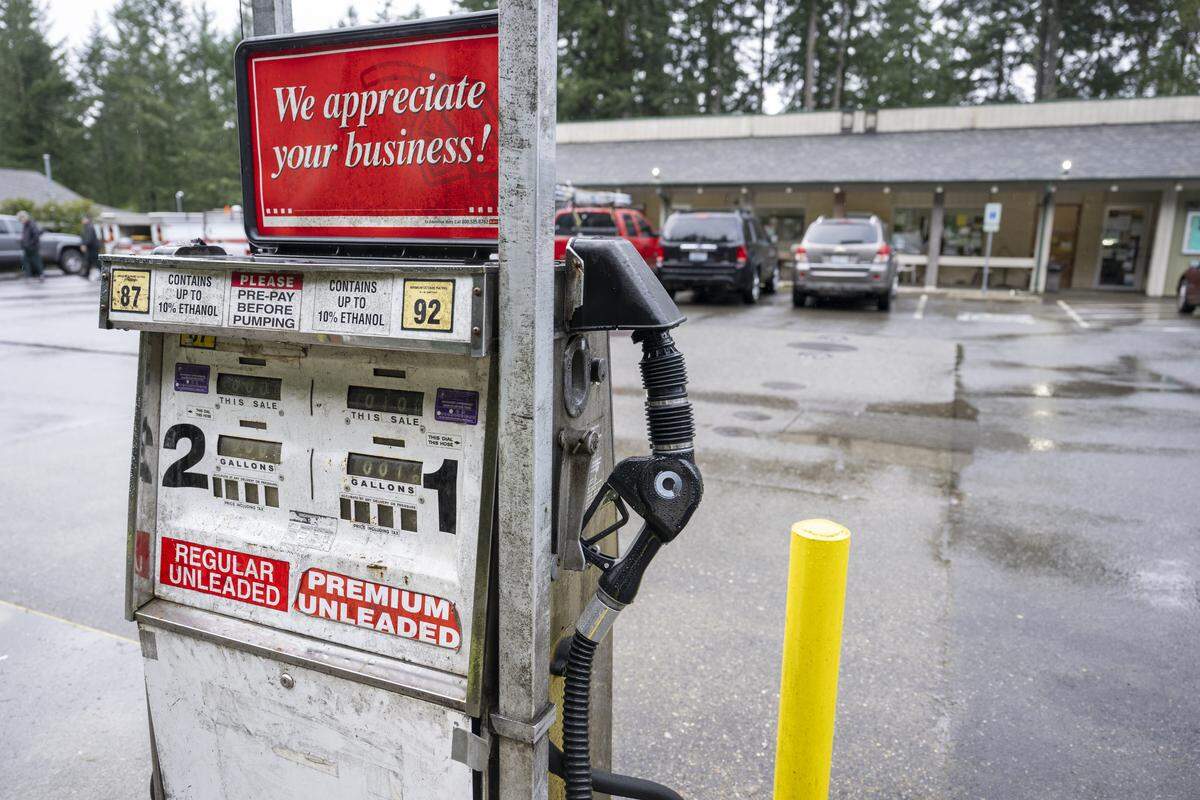
County council member Jani Hitchen told The News Tribune on Tuesday that Anderson Island residents have been finding ways to support each other within the confines of the law.
“We don’t want people hiding fuel on our ferries — we need people to follow the laws and comply with things. I know that we have residents using private boats,” she said. “But at the end of the day, we can’t afford to do the investments to make the changes, both in the infrastructure … and then the ongoing expense to the county, without additional sources of revenue.”
No easy fix
A new Anderson Island general store and gas station won’t open anytime soon, Kamel said. He’s aware of some private businesses and organizations on the island (like the fire station) that have fuel delivered regularly, but there’s no place for the public to purchase gasoline.
“None of the fuel tanks that are on the island are licensed and insured for retail sales,” he said.
Hitchen said it’s not the county’s role to sell fuel to island residents and that it would be up to private businesses to sell fuel to those on the island.
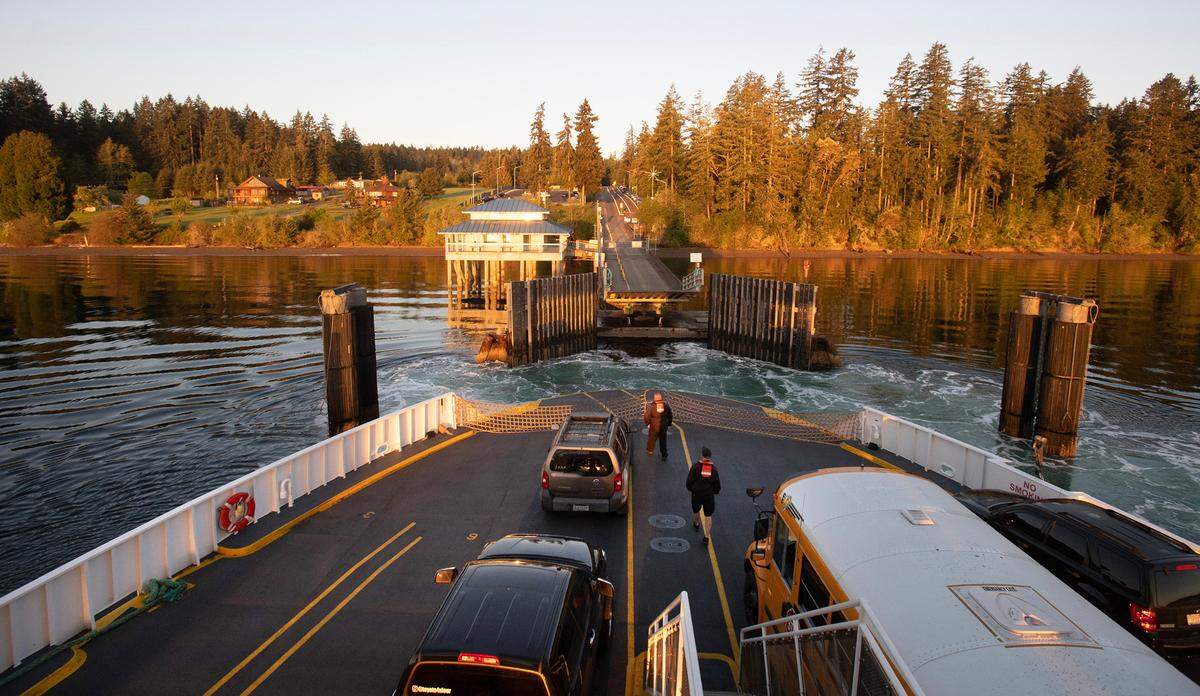
Kamel said he spoke with Puget Sound Petroleum, which delivers most of the gasoline to the island. He was told that the company won’t deliver to individuals because their fuel run schedule is short, and they only take bulk orders. Filling individual gas containers from one of their fuel trucks is also not a safe environmental practice due to frequent spillage, Kamel said.
The AICAB has been contemplating how to respond to the problem, Kamel said. In the next week or two the board plans to hold a ferry committee meeting closed to the public, with a public meeting to follow, he said.
Pierce County has said it will be working on other ways to help the most vulnerable on the island in the coming weeks.
“Our ferry team is exploring preliminary options with other internal teams to help mitigate the impacts of the general store closure,” Davis said. “We will share additional information with the Anderson Island community and the advisory board (AICAB) as those discussions move forward.”