
WA’s urban tree program faced elimination. Here’s how it was saved
Washington state tree lovers were in shock last month when they found out that a forestry program that helps plant and sustain trees in urban areas was about to be eliminated.
The Department of Natural Resources (DNR) was informed in February that the state House appropriations committee had a budget proposal that included the elimination of its urban forestry program.
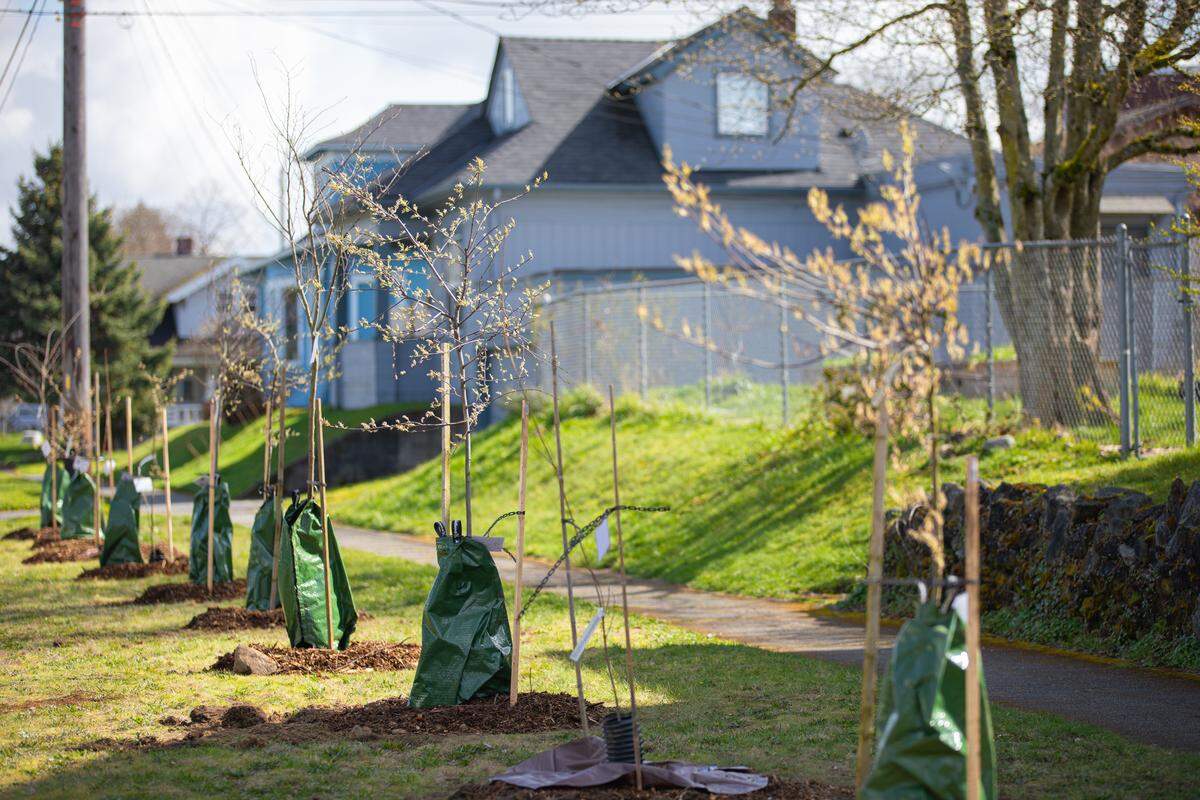
Urban forestry programs across Washington help communities sustain urban tree canopies, promote tree equity and plant and maintain vegetation in metropolitan environments.
The News Tribune originally covered the House’s budget proposal on March 1.
On March 11, Mike Carey, Tacoma’s urban forest program manager, received word that the proposal had been axed.
“The community showed up when there was the potential for taking out urban forestry funding,” Carey told The News Tribune. “The urban forestry council got all of their networks involved, and local officials who were concerned about losing potential grants that their communities had been awarded made themselves heard as well.”
Carey said that Tacomans also made a big impact.
“I was cc’d on dozens of emails going out to policymakers with their concerns about zeroing out that program,” Carey continued. “So, I think the community knew it was a threat, and they showed up.”
Without funding, Tacoma’s current grants, which are funded through the DNR, would have been halted, affecting many programs and projects.
“The work that we’ve already been doing would have been at immediate risk,” Carey said.
Will Rubin, communications manager at the DNR, told The News Tribune that he appreciated the Legislature recognizing the importance of urban and community forestry in Washington and that it found a way to maintain the funding during tough budget times.
“I’m sure your story and others played a big role,” he told The News Tribune in an email.
House majority leader Joe Fitzgibbon told The News Tribune that he heard loud and clear from Washington residents about how important urban forestry is to them.
“We heard from a lot of folks who really valued our urban forestry program and didn’t want to see it eliminated,” Fitzgibbon said. “It was good for us to hear about the meaningful nature of that work in many of the communities across the state, and we felt comfortable moving to a position where we didn’t have to make those reductions.”
Fitzgibbon also pointed to hard choices ahead for urban forestry programs funded by Climate Commitment Act dollars. “The CCA revenue stream is declining as emissions decline, so it’s funding that I think folks are going to need to advocate to see the funding for that program transition off the CCA dollars and onto the state general fund,” he said.
“That’s what I think the future looks like for proponents of the urban forestry program.”
In a tough budgeting year,Fitzgibbon said they found the funds in the state capital budget to continue the DNR’s urban forestry program by agreeing to do fewer greenhouse gas reduction projects, which provided more dollars to spend in the operating budget.
“We made some really good progress in the capital budget, but didn’t make as many cuts as the house capital budget originally proposed,” Fitzgibbon said.
For example, Fitzgibbon said, there were a number of higher education projects that the Legislature was able to fund, but there were also some that it couldn’t.
“Because we needed to make room in the operating budget for programs like urban forestry,” he said.
.jpg)