
It’s not your imagination — allergy season arrived early in Western WA this year
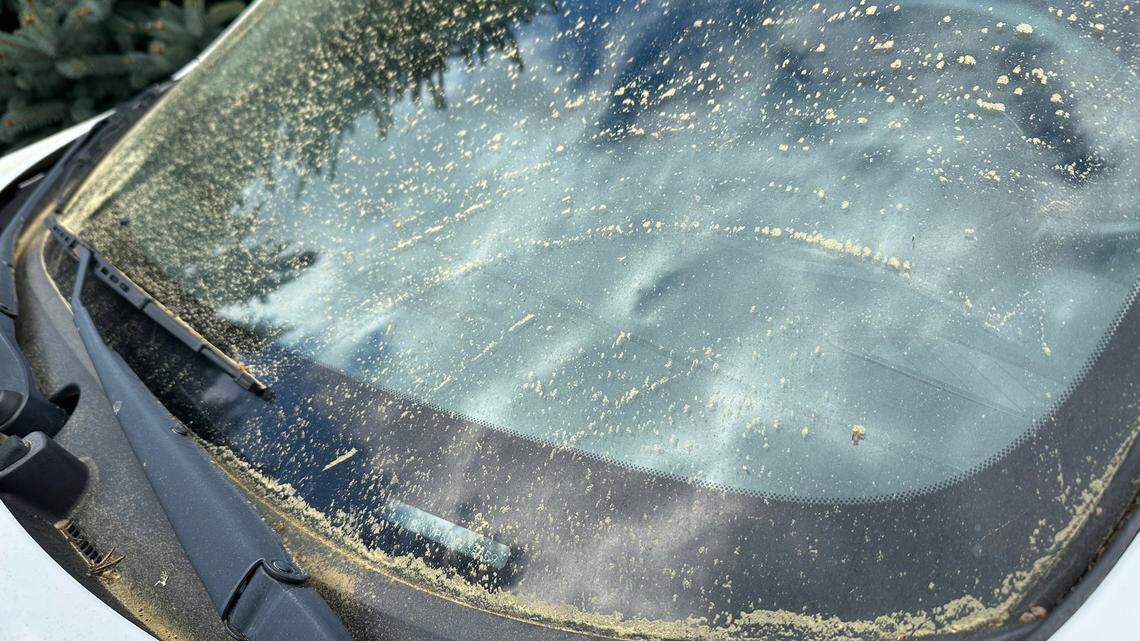
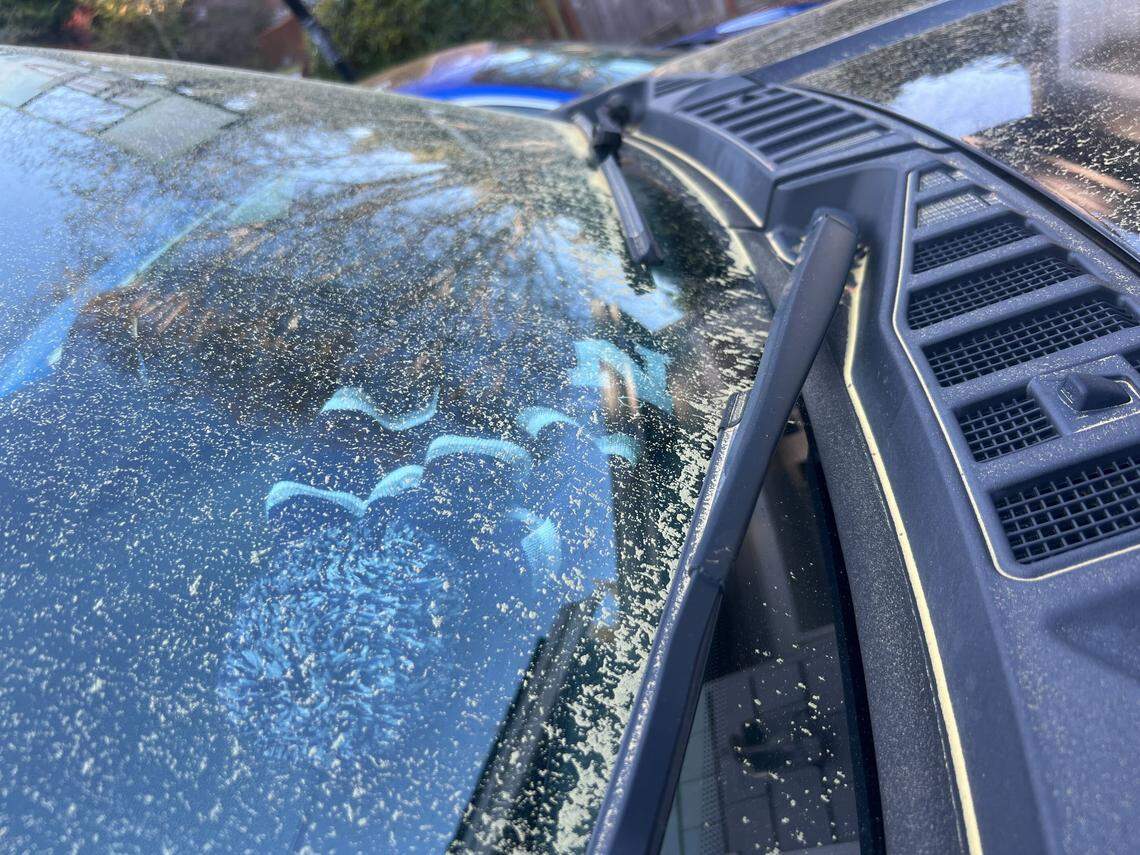
Are you noticing pollen collecting on your car windows earlier in the season? It’s not just your imagination. According to their 2026 allergy capitals report, the Asthma and Allergy Foundation of America found that due to climate change, growing seasons now start 20 days earlier and last 10 days longer than they did 30 years ago.
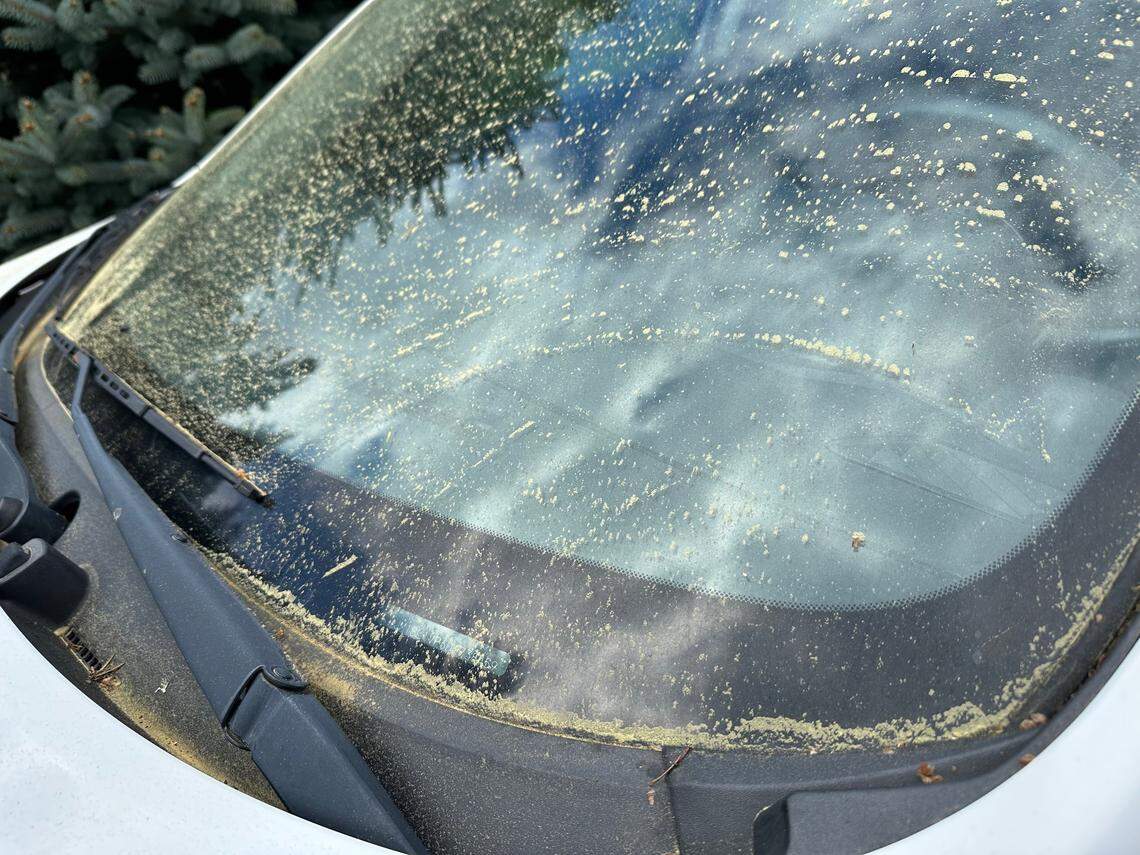
“The amount of pollen released by trees appears to be higher, and its allergenicity appears to be stronger than in the recent past,” Andy Spears from the Asthma and Allergy Foundation of America told the News Tribune. Allergenicity is the strength of an allergic response to pollen.
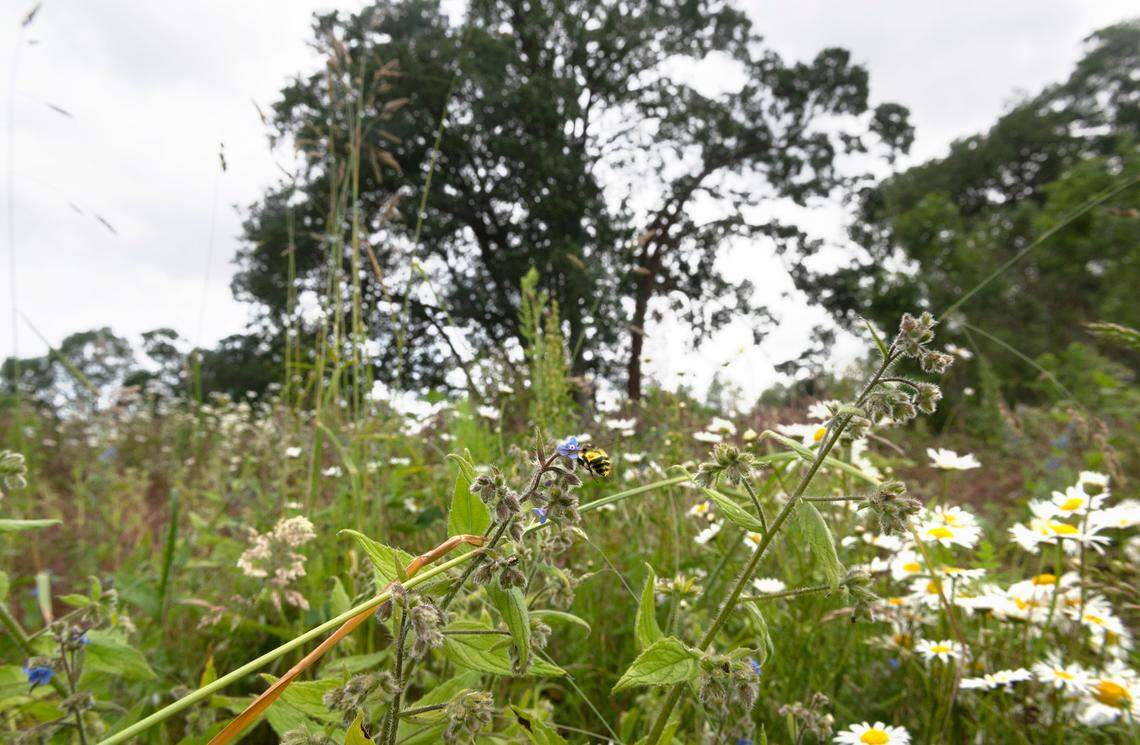
Pollen, of course, is a regular spring visitor everywhere that has plants. It’s necessary for pollination, which is necessary for plant reproduction. Via wind, bee or animal, pollen carries the male gametes from the male stamen to the female pistil, thus concluding reproduction for plants.
Pollination has been happening for 150 million years. But now that the humans are around, we call it “allergy season.”
Western Washington allergy sufferers might notice symptoms earlier in allergy season than the rest of the country, thanks to our abundance of birch, cedar and alder trees.
“Tree pollen season starts first,” Spears said. “As we get into April, the combination of tree pollen with the start of early grass pollen season creates a powerful pollen combination.”
Seattle ranks 45th overall in the Asthma and Allergy Foundation of America’s Allergy Capitals rankings, but has the third-highest grass pollen score of the cities they analyzed.
How climate change is affecting allergy season
In late 2024, Western states (including Washington) experienced several strong storms, including a bomb cyclone and multiple powerful atmospheric rivers. The storms brought intense rainfall, impacting the 2025 spring growing season and pollen release.
According to the Allergy Capitals report, the Asthma and Allergy Foundation of America found the same trends heading into 2026.
“These wet spells can make plants grow faster and bloom earlier because the extra rain and warmer weather encourage vegetation, which often leads to more pollen in the air,” said Spears.
Also, the increased flooding and intense rainfall associated with climate change, as we saw in December, can promote mold growth, which is another significant allergen.
Don’t count yourself lucky if you aren’t suffering from seasonal allergies. For one more hit to the nasal cavity, climate change is also causing new allergies to pop up, as allergy-producing plants (like ragweed) expand into new areas.
Here’s how you can protect yourself
If you suffer from allergies, try to limit your outdoor activities while counts are high. Plenty of websites and apps measure pollen counts, like the Weather Channel, Pollen.com, and the Pollen Wise app.
Spears said if you do go outside, consider wearing a head covering to keep pollen out of your hair and be sure to wash your hands and remove your outer layer of clothes when you go inside, to keep pollen from collecting on furniture and bedding.
Wipe down furry pets when they come in from outside, and bathe them regularly if possible.
Keep your windows closed when pollen counts are high while running your HVAC system. Spears also recommends changing your air filters and, if you can, using an air purifier.
A bit of hope
Don’t let allergies keep you inside.
With new apps and websites that monitor allergen and air-quality levels in every major region, upgraded vaccines and industrial strength air purifiers with HEPA filters, with a little bit of preparation, most seasonal discomforts are becoming easier to prevent.
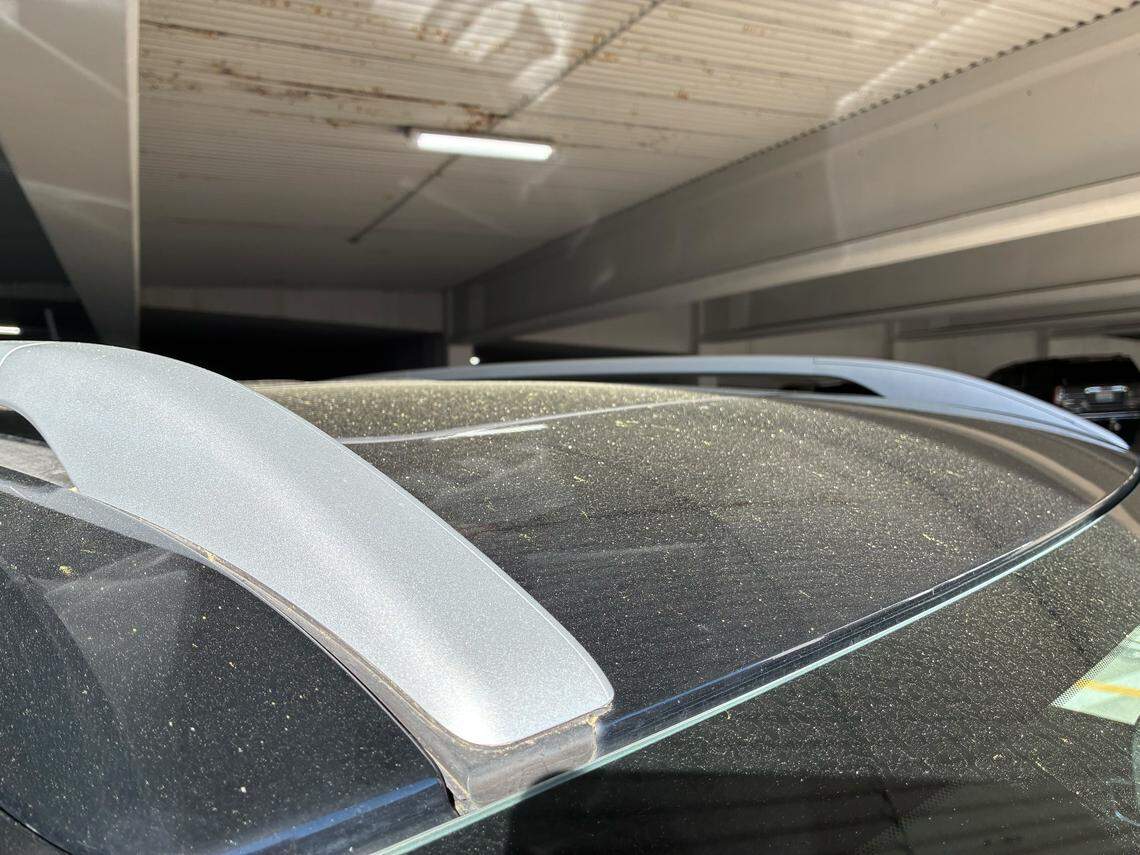
You just might need a few more car washes.
.jpg)