Boat building program for county’s troubled youth navigates uncertain future
A modest navy warehouse sits amid clusters of cacophonous construction sites and the churning waters of Thea Foss Waterway.
To the average person, the blue structure is just another boating depot along the Tacoma Tideflats.
But for the juvenile offenders who enter its doors, it’s something more.
Its desks, filled with wooden opportunity, power tools buzzing, and snuggles from resident therapy dog Leo are a welcome escape from the conflict that’s defined their adolescence.
And for many, it’s enough to steer them away from a life behind bars.
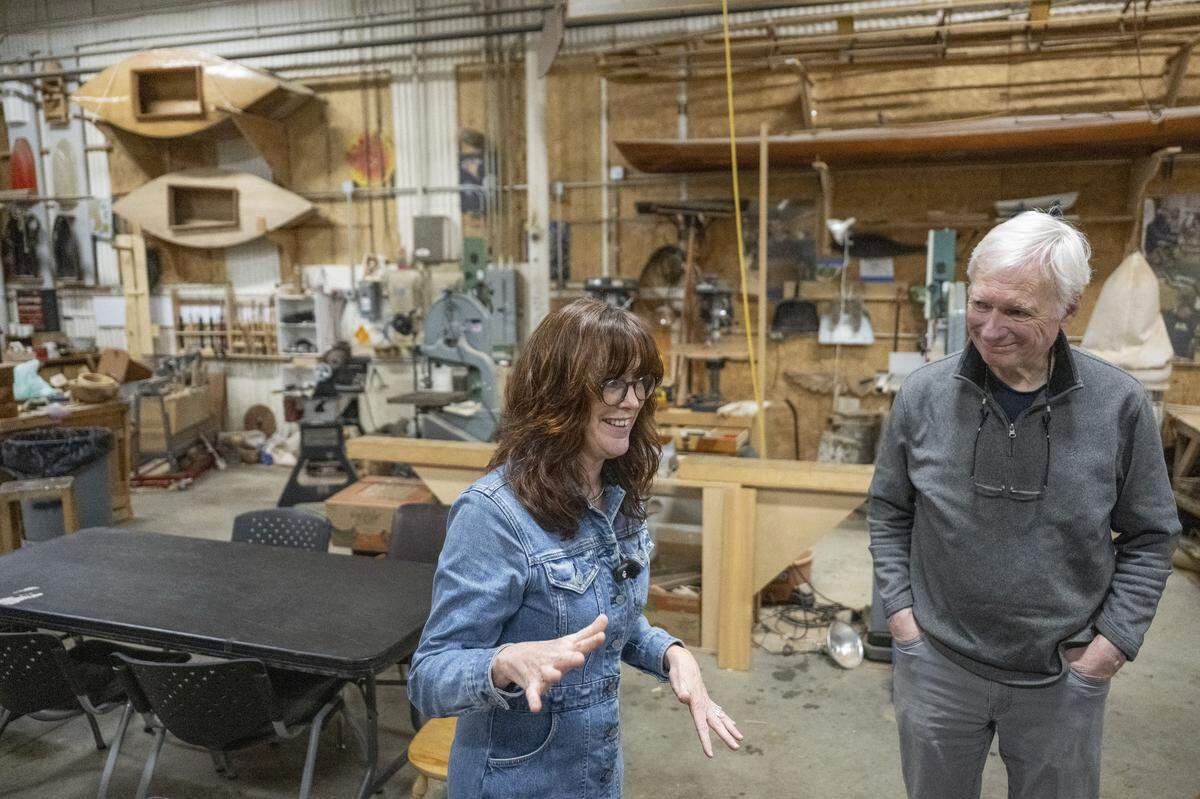
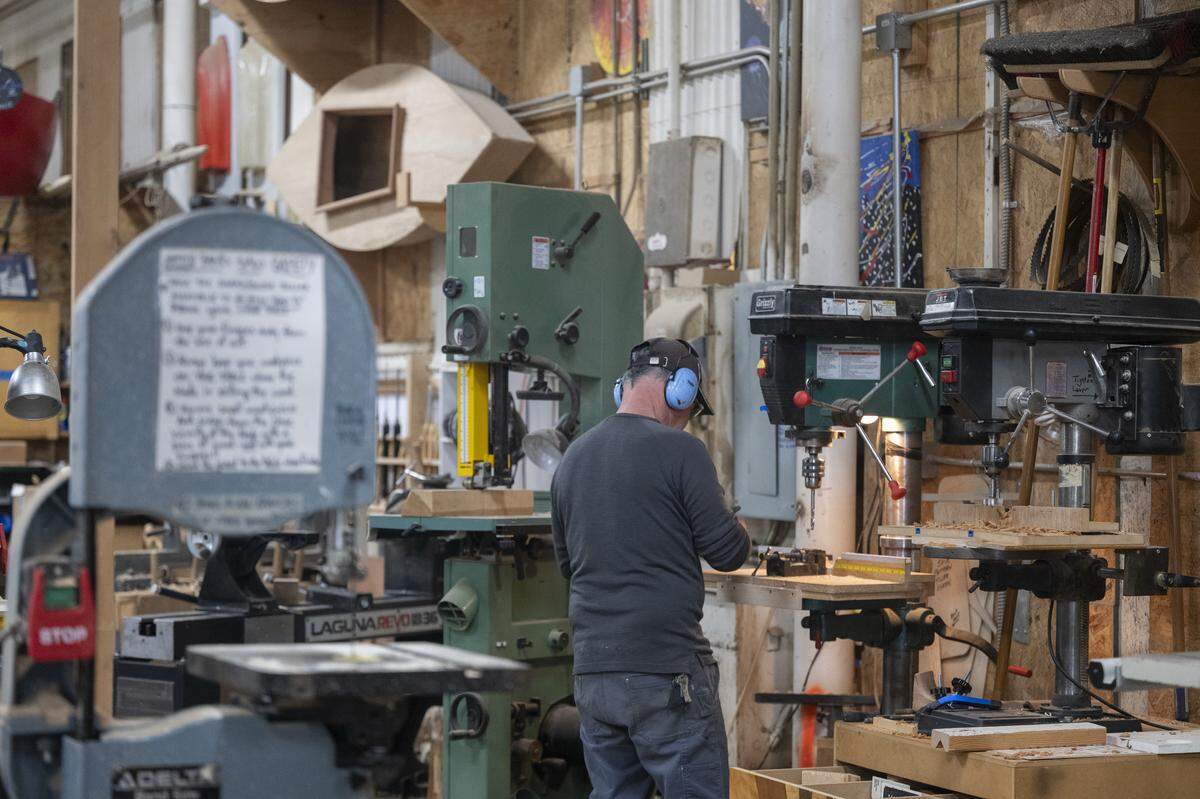
This is Tacoma Community Boat Builders, an organization providing mentorship to youth in the justice system through a combination of old-fashioned carpentry and modern mental health mentorship.
For over a decade the program has introduced nearly 2,000 juvenile offenders to woodworking and maritime activities as an alternative to traditional juvenile punishments.
But despite their success, TBB staff worry that funding issues and uncertainty within the Pierce County Juvenile Court could lead the program into dire straits.
From super yachts to supervision
Prior to founding TBB, Paul Birkey made a name for himself in the maritime community with Belina Interiors, a company that designed and built luxury interiors for super yachts.
But after decades in the business, that life wasn’t enough for him. He wanted to give his arsenal of tools and building equipment to the community. Juvenile offenders seemed like they needed it most, Birkey said.
He called the Pierce County Juvenile Court with his idea, unsure if it had any merit.
When the late Superior Judge Tom Larkin picked up the call, Birkey’s pitch met with fervent enthusiasm.
“He just came alive, practically came through the phone. ” Birkey said. “I didn’t know it until actually some years later, Judge Larkin was the vanguard of transforming the way that we deal with youth that are in trouble.”
Along with Tacoma Community Boat Builders, the court partners with other outside-the-box programs from the Youth Serving Agencies Network to provide a variety of options to fit a young adult’s needs.
Pierce County began that shift in strategy in 2003, and the results led to fewer youth being placed in juvenile detention over the following years and fewer young people being charged with a crime in the first place. In 2016, Judge Larkin told The News Tribune that the county had one of the most progressive juvenile courts in the country in part because former Juvenile Court Administrator TJ Bohl and his staff ran it like a successful business.
Pierce County also outperforms state youth reoffense rates after involvement in the justice system, with a recidivism rate of 27% over a year.
Since Tacoma Community Boat Builders’ first cohort of students arrived in 2014, nearly 2,000 students from across Pierce County have participated in the program.
While Birkey and other volunteers brought the woodworking skills, Shannon Shea, a former ethics professor and researcher at the Monterrey Institute of Technology and Higher Education in Mexico City, appointed as the executive director of TBB, handled the social service aspects.
Professional child psychologists also volunteered during the beginning of the program to not just mentor youth, but to teach the craftsmen how to better understand the mentalities of the kids they worked with.
“My background is in trauma, and human engineered trauma in particular,” Shea said. “My big question is about what it takes for a person to be restored and [...] thriving post-trauma. And recovery from trauma is a very intensive thing that doesn’t always work with formalized therapy.”
‘The difference between going to prison or not’
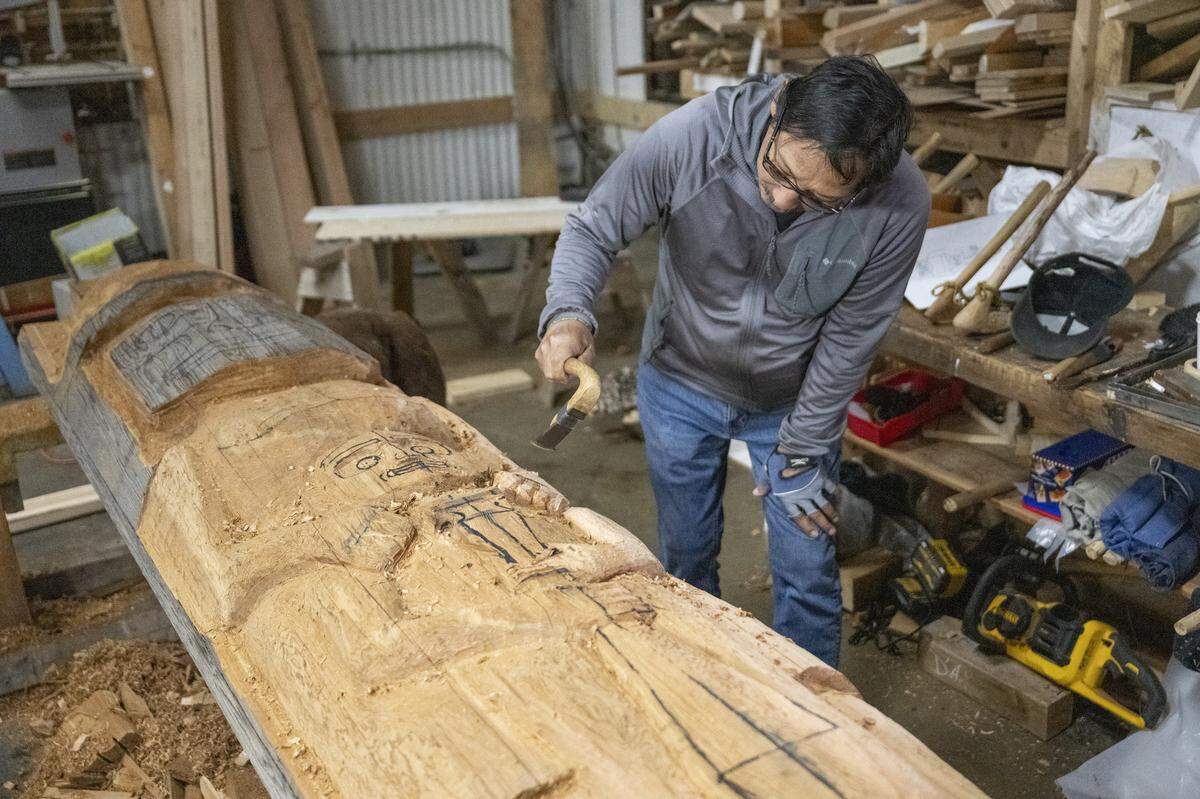
Despite the name, the participants don’t typically build boats. The programs run once a week for eight weeks, which is too tight of a timeframe for beginners to put together an entire watercraft.
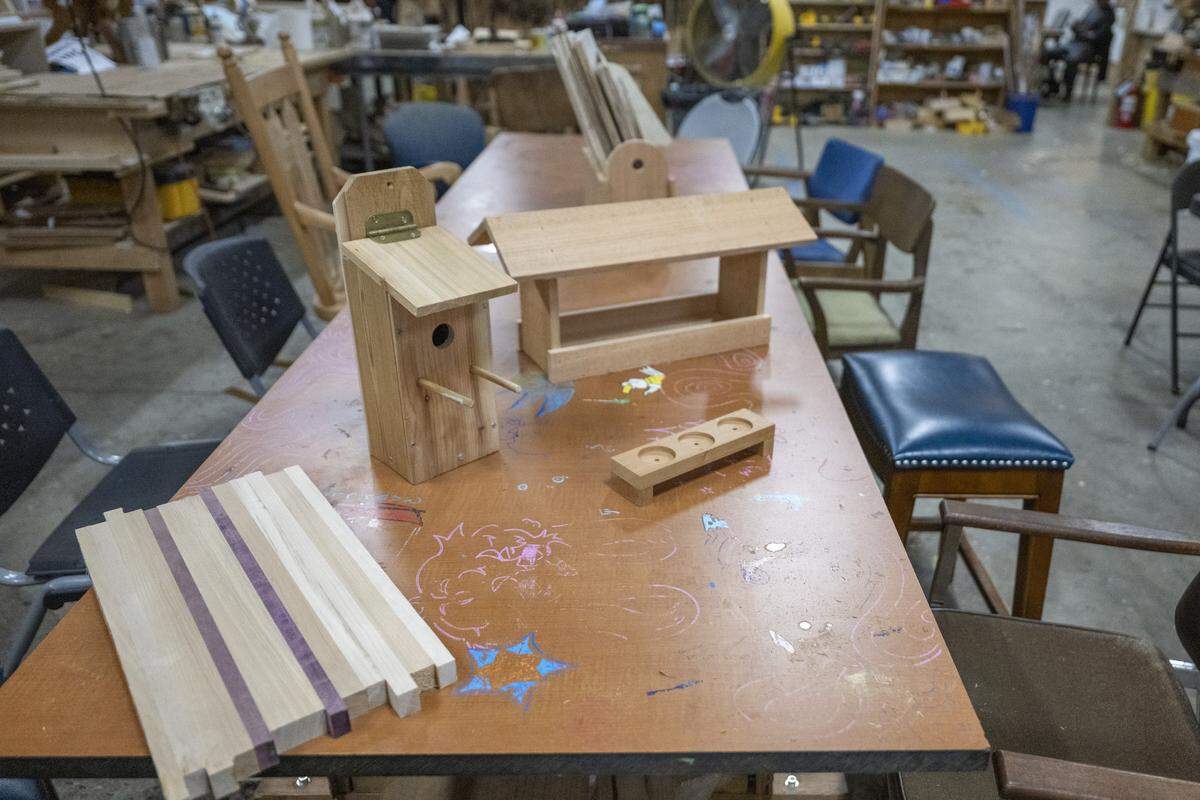
Instead, participants choose from a catalog of wooden crafts, from cutting boards to fidget spinners to heart-shaped boxes for their sweethearts. Some even come with their own project ideas, which staff happily accommodate.
Years ago, one of their participants who lived in a chaotic group home with kids with behavioral issues built an “unbreakable” coffee table. He’d seen far too many instances of arguments in the TV room ending with someone thrown into the central table, smashing it to pieces.
“He would literally throw himself down on it to see if it would break,” Shea said. “It was such a proud moment for him to put that into the van and take it back up there, and then come back and be like, ‘Hey, there was a fight last week, and it didn’t break.” And you know that home cycles through here and as always, and that table remains.”
The building sessions are intermixed with meetings where mentors work with kids one-on-one, giving them the individualized attention they need.
Students also spend time on riding on boats in Commencement Bay, a quintessential Tacoma venture that many kids have never experienced before.
Once youth finish the two-month program, they have the option to return for weekly meetups aimed at continuing the sense of community past participants built.
“I think there’s not a lot of kids we turn around 180 degrees, but I do think that if you change a course by a few degrees, it’s the difference between going to prison and not,” Birkey said.
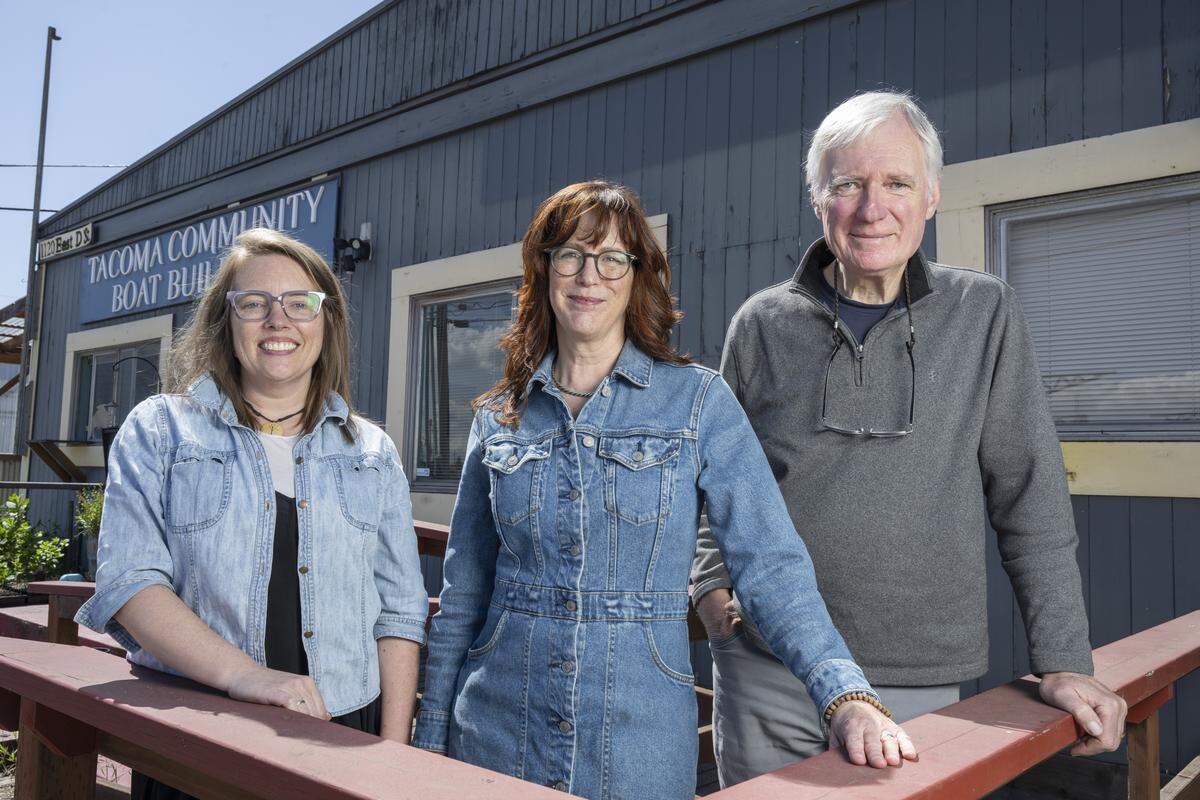
The benefits of Tacoma Boat Builders and other programs part of the Juvenile Detention Alternatives Initiative expand beyond the at-risk youth who cycle through, said Sara Zier, a member of TBB’s board.
“The reality of some young folks’ lives is that there is a lot of fighting and violence in the home,” Zier said. “Having that singular experience of success, doing something that’s skill-based that you didn’t know you could do before, ultimately this is what prevents community-based violence.”
‘Financial uncertainty’
Despite Pierce County’s nationally recognized success, leadership changes in Juvenile Court and allegations of abuse at Remann Hall, the county’s juvenile detention facility, have rattled community organizations.
Bohl, the administrator for Pierce County Juvenile Court and chair of the state’s JDAI steering committee, as well as the court’s probation manager, Kevin Williams, were let go in April. Reasons remain unclear.
In the midst of the administrative chaos, delays in grants given to juvenile intervention programs such as TBB worry its leaders.
The latest financial awards from two important sources, Pierce County’s Puget Sound Taxpayer Accountability Account and the Youth Violence Prevention Program, still haven’t been announced.
Since the previous rounds of funding ended in December 2025, the near 5-month delay is creating an ever-widening gap in dollars for TBB, Shea said.
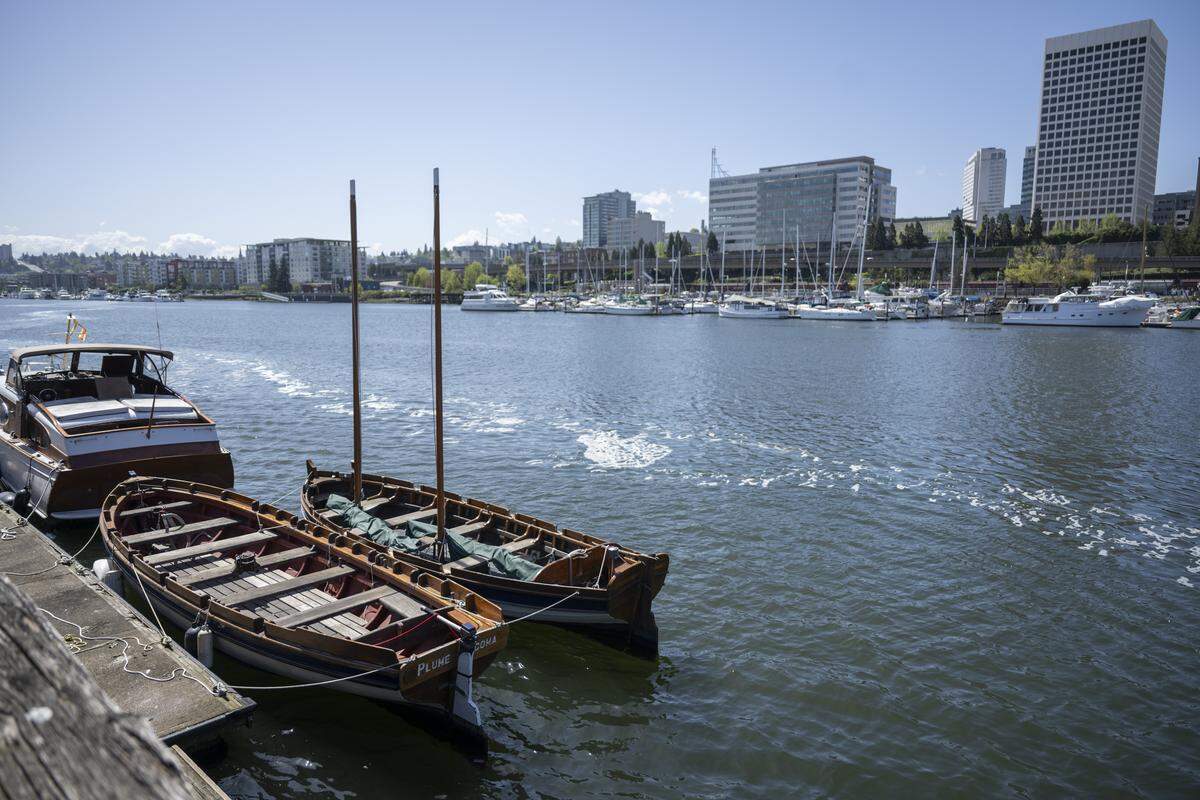
In an email to The News Tribune, Human Services Communications Manager Kari Moore explained that process for dispersing Violence Prevention Dollars was delayed in part, “due to ongoing uncertainty surrounding federal funding.” There were also errors in the evaluation process that contributed to the delay, she added.
In years past the funding decisions were made before the county’s biennial budget was set, putting providers in “financial uncertainty,” Moore said. If the final budget ended up being less than the amount originally anticipated, it could force contracts with programs to be reduced or even be canceled.
Moore echoed similar reasons for the delay in PSTAA dollars. The funding available is lower than what the county predicted, which added a 30-day delay in award decisions as the county refines its projections, Moore said.
Shea has had to get creative with TBB’s money by eating into savings, conducting emergency fundraisers, reducing hours and laying off employees.
A year ago the nonprofit had 11 employees. Now, it’s down to seven. An emergency fundraising campaign has generated $92,000, not enough to address all of their problems.
“All it does is buy us a little more time before we have to stop,” Shea said.
Reflecting on over a decade of working with juvenile offenders, Birkey is concerned about the program’s survival if the funding lapses continue.
“This has become a unique kind of asset for Tacoma, and if it were to go away, it’s not something you can just go turn the lights back on,” Birkey said. “It would be gone. And that would be a loss.”
Information from News Tribune archives in included in this report.
This story was originally published May 19, 2026 at 5:00 AM.