What is a clouded leopard? More about the wild cat that escaped Tacoma keepers
AI-generated summary reviewed by our newsroom.
- Clouded leopards aren’t actually a type of leopard but a separate species of wild cat.
- They are among the most ancient cat species. They typically can live up to 15 years.
- Clouded leopards cannot roar or purr, and are known for long canine teeth.
Clouded leopards, such as the one that escaped its keepers Friday morning at the Point Defiance Zoo in Tacoma, are not actually a type of leopard but a separate species of wild cat — and among the most ancient cat species.
“While more closely related to big cats, the clouded leopard is frequently described as bridging the gap between big and small cats due largely to its smaller stature,” according to the Smithsonian’s National Zoo & Conservation Biology Institute.
Clouded leopards are a vulnerable species. They’re native to eastern India and southern China, preferring to live in lowland tropical forests, according to the institute’s website.
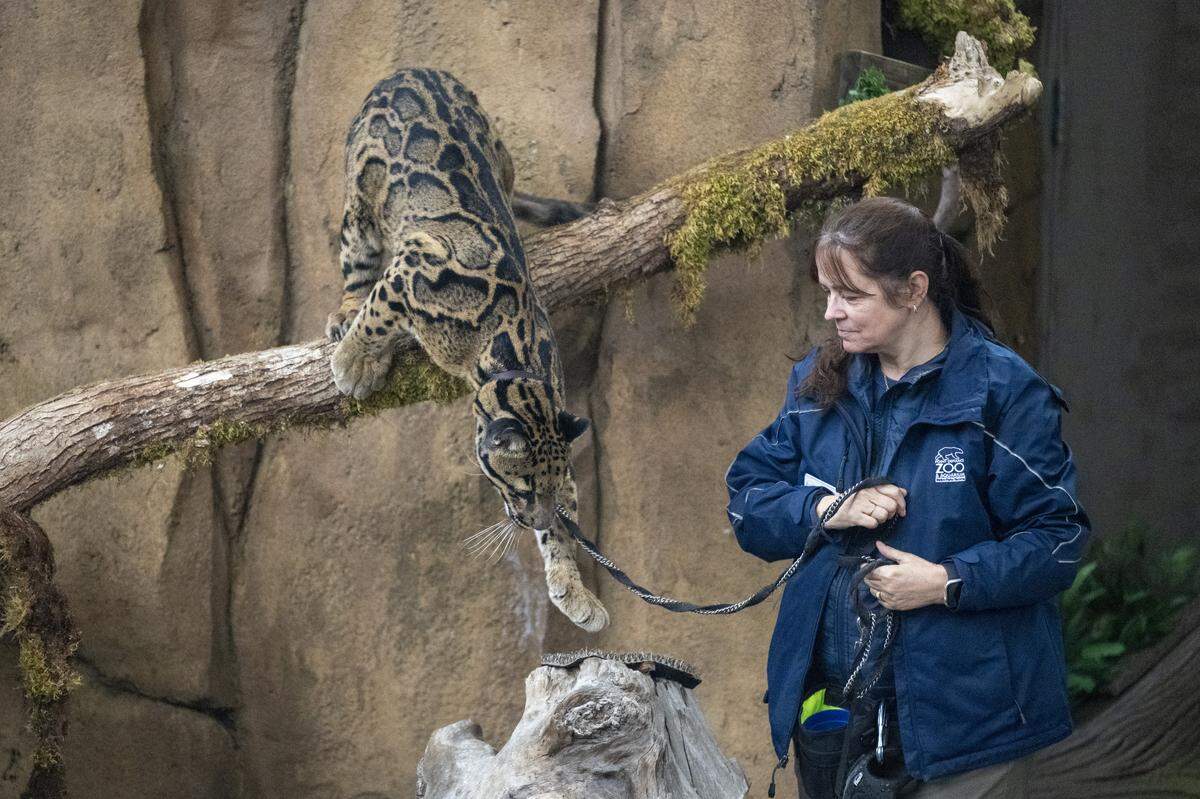
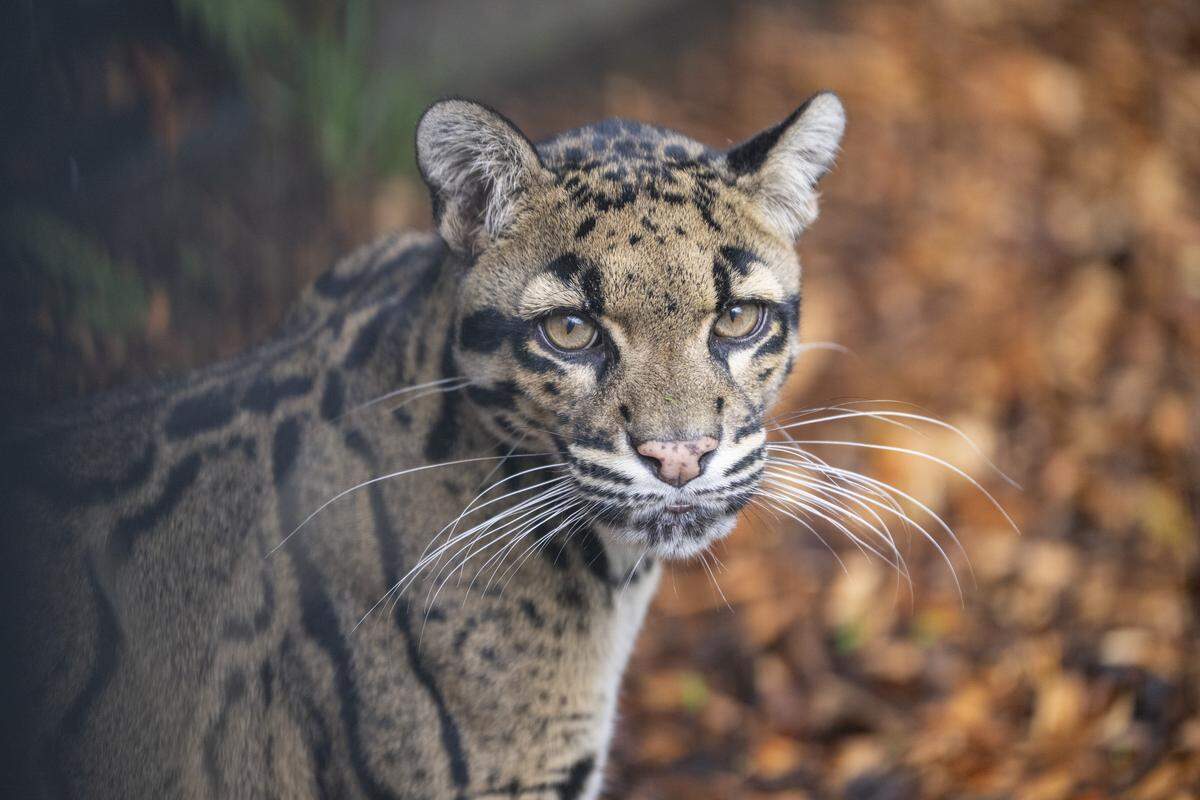
They have proportionate short legs, a long tail and long canine teeth. While they cannot roar or purr, they do growl, hiss and chuff, the institute says. It notes that the species’ coat is typically brown or yellowish-gray and covered with irregular stripes, spots and blotches.
Males can weigh up to 50 pounds, the institute says. Females usually weigh 25 to 35 pounds.
Orchid, one of the Point Defiance Zoo’s five clouded leopards, climbed a tree behind an outdoor theater Friday morning, and the zoo said later that afternoon that staff were working on getting her down.
Clouded leopards can climb down trees headfirst — one of only a few animals able to do so, according to the Smithsonian’s institute.
The wild cats typically live 12 to 15 years, but can survive up to 17 in human care, the institute says.
They’re largely solitary and hunt animals like monkeys, rodents and small deer, according to the Point Defiance Zoo’s website.
Orchid is not a danger to guests or staff, a zoo spokesperson said.
This story was originally published May 22, 2026 at 3:05 PM.