North Tacoma residents sound alarm over high speeds on North 21st Street
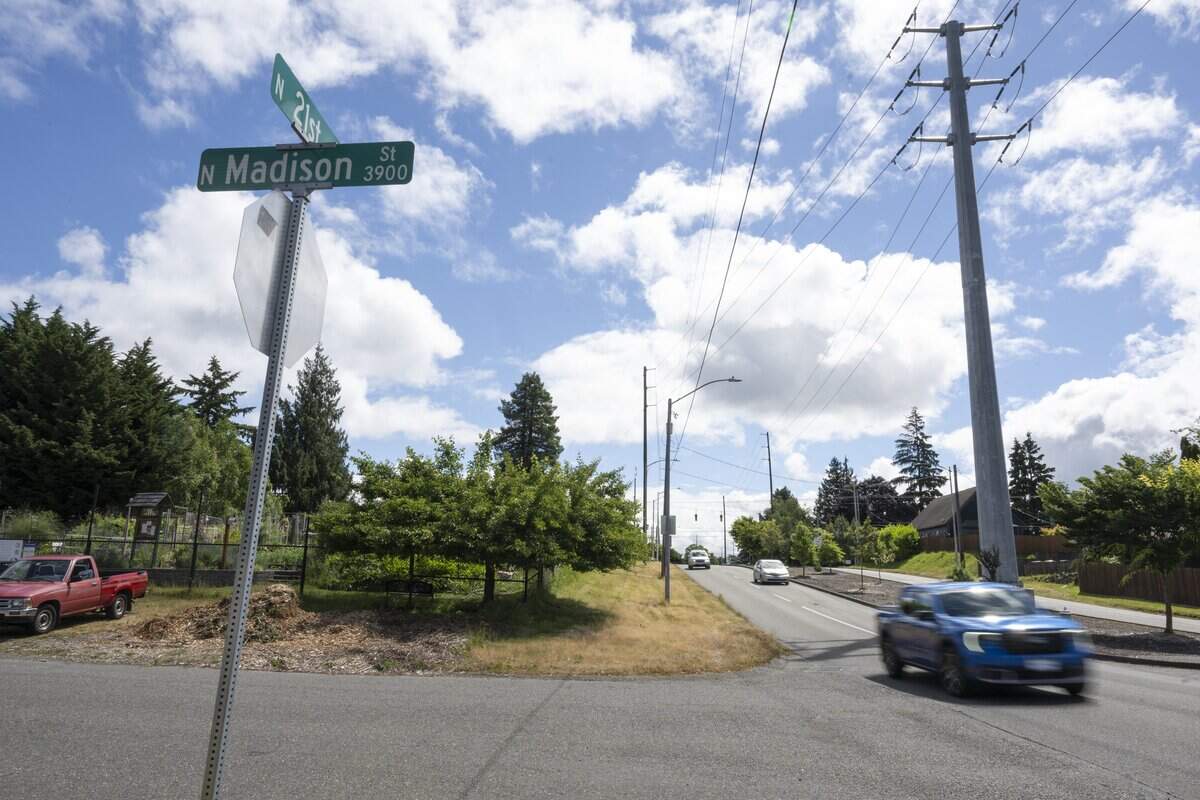
Residents are raising concerns about high speeds and an overall lack of safety on North 21st Street, a four-lane arterial in north Tacoma.
They’re worried specifically about North 21st Street between its intersection with North Proctor Street and North Pearl Street. Residents said drivers often speed along the roadway to make green lights at each intersection, which is further exacerbated by the two lanes it has in each direction – which makes it harder for drivers in the inner lanes to see pedestrians.
With an absence of sidewalks for much of the roadway, its proximity to two schools – Silas High School and Mason Middle School – and the width of the road, it’s unsafe for pedestrians, drivers and people whose houses border the street, residents have told The News Tribune. They added they’re frustrated with what they’ve described as the city’s resistance even to implementing short-term fixes in lieu of a more expensive, long-term solution.
City spokesperson Maria Lee said the city has received more than 50 complaints about the roadway in the last year that vary in topic from speeding to potholes. According to logs from South Sound 911, the agency received 21 calls for service to respond to incidents along the roadway in the last six months, largely motor-vehicle collisions and traffic complaints.
District 1 council member John Hines, whose district includes North 21st Street, said he has heard from residents about the concerns. It’s on the city’s six-year transportation improvement program, which means it’s eligible for grant funding, he told The News Tribune. The latest draft of the plan outlines a need for new sidewalks, new asphalt surface and roadway rehabilitation – which could cost about $17 million.
In the interim, city spokesperson Maria Lee said, the city is exploring whether to make the lanes on North 21st Street appear more narrow without actually eliminating two of the lanes, also known as visual narrowing. Doing so with the help of adjusted lane striping would allow the city to determine whether bringing the four-lane road to two lanes would be effective.
“If the data shows drivers are ignoring the visual narrowing, that information definitively tells our engineers exactly where hard curbs or stronger interventions will be required in the future, preventing expensive infrastructure mistakes,” she wrote in a statement.
Hines said he wished the process of getting funding for a long-term solution was faster. But he said he doesn’t want the city to rush to do so without seriously understanding and working to prevent the unintended consequences of doing so.
“Whenever we start talking about changing speed and flow and traffic movement through major arterials, the next question is, well, some of those people are gonna go off in the neighborhood streets, which is what we definitely don’t want,” he said. “We don’t want people then speeding through residential neighborhoods nearby.”
Deb Anderson, who has lived near North 21st for about seven years, said drivers often speed on the roadway to make green lights at each intersection, which is made even more dangerous given the low visibility of pedestrians when trees and shrubbery become overgrown.
Anderson said some parts of North 21st Street have crosswalks with flashing lights that can be activated by the push of a button, to notify drivers to slow down. But she said cars don’t always slow down immediately when they see the light, and kids who walk the crosswalk don’t always look to be sure they’ve slowed down.
“It’s just very, very dangerous to cross it, and we have schools on both sides where students have to cross,” Anderson told The News Tribune.
Karen Nye, who has lived near North 21st Street for about 40 years, said the road’s design is conducive to dangerous driving. She said it wasn’t a problem when she first moved in.
“40 years ago there were half as many people living in the North End,” Nye told The News Tribune. “We’re so crowded now, there are just so many of us that the streets just weren’t built for all of this.”
Deborah Willford, who has lived in a house right along North 21st Street for about eight years, said she has witnessed and heard several collisions on the roadway.
Given the width of the road, poor pedestrian visibility and lack of crosswalks, Willford said sometimes crossing the street is like “taking your life into your hands.”
“We’ve had several crashes out here. I sometimes cringe because I’m waiting for them to come into my yard,” Willford told The News Tribune.