What is Pierce County’s latest plan to end homelessness? It’ll cost nearly $110M
Pierce County plans to spend nearly $110 million on housing- and homelessness-related program and administrative services in 2026-2027, a 16% increase from 2024-2025, according to an upcoming Human Services presentation. The county’s 2026-2027 budget totals about $3.5 billion, as previously reported by The News Tribune.
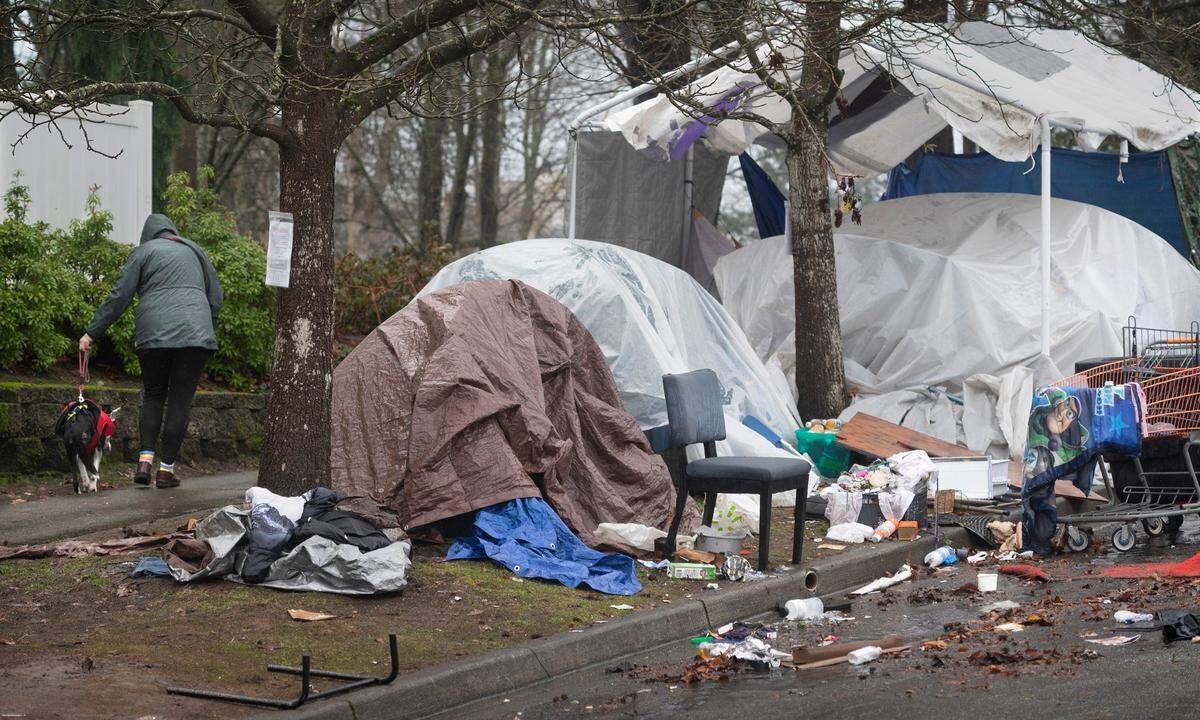
The Pierce County Council voted 4-3 last week to approve updates to its Comprehensive Plan to End Homelessness. Since 2015, homelessness has increased 125% in the county, “mirroring the surge in median home prices and rents,” per council records.
According to the presentation, program expenditures for 2026-2027 include:
- $16.9 million for permanent supportive housing
- $15.6 million for overnight shelter of those staying in state and local rights of way
- $15.5 million for emergency shelter operations
- $11.6 million for rapid rehousing programs
- $11.2 million for eviction prevention
- $3 million for youth homelessness
- $2.2 million for homeless prevention
The funding for these programs comes from a combination of federal, state and local dollars.
On June 10, the Pierce County Council voted to direct the Human Services department to “develop and implement” an accountability plan for the updated Comprehensive Plan to End Homelessness that would go to the council by Dec. 1.
The comprehensive plan outlines eight goals to address by 2030: “Prevent homeless episodes whenever possible,” “Meet the immediate needs of people experiencing homelessness,” “Expand the permanent housing system to meet the need,” “Promote an equitable, accountable and transparent homeless crisis response system,” “Prioritize assistance based on the greatest barriers to housing stability and the greatest risk of harm and ensure interventions are effective for all populations,” “Strengthen the homeless provider workforce,” and “Seek to house everyone in a stable setting that meets their needs.”
A new addition to the comprehensive plan is adopting a new strategy to establish a jobs and housing stability program in unincorporated Pierce County by 2027 that combines transitional housing (like tiny homes) with support services and structured employment opportunities. The Pierce County Council also added a strategy to require shelter and housing providers to develop and implement plans for food access in coordination with emergency food systems.
Although entries into homelessness have decreased since its height in 2022, “There remains a significant gap between the vision outlined in this plan and the current capacity of the homeless crisis response system,” per the plan.
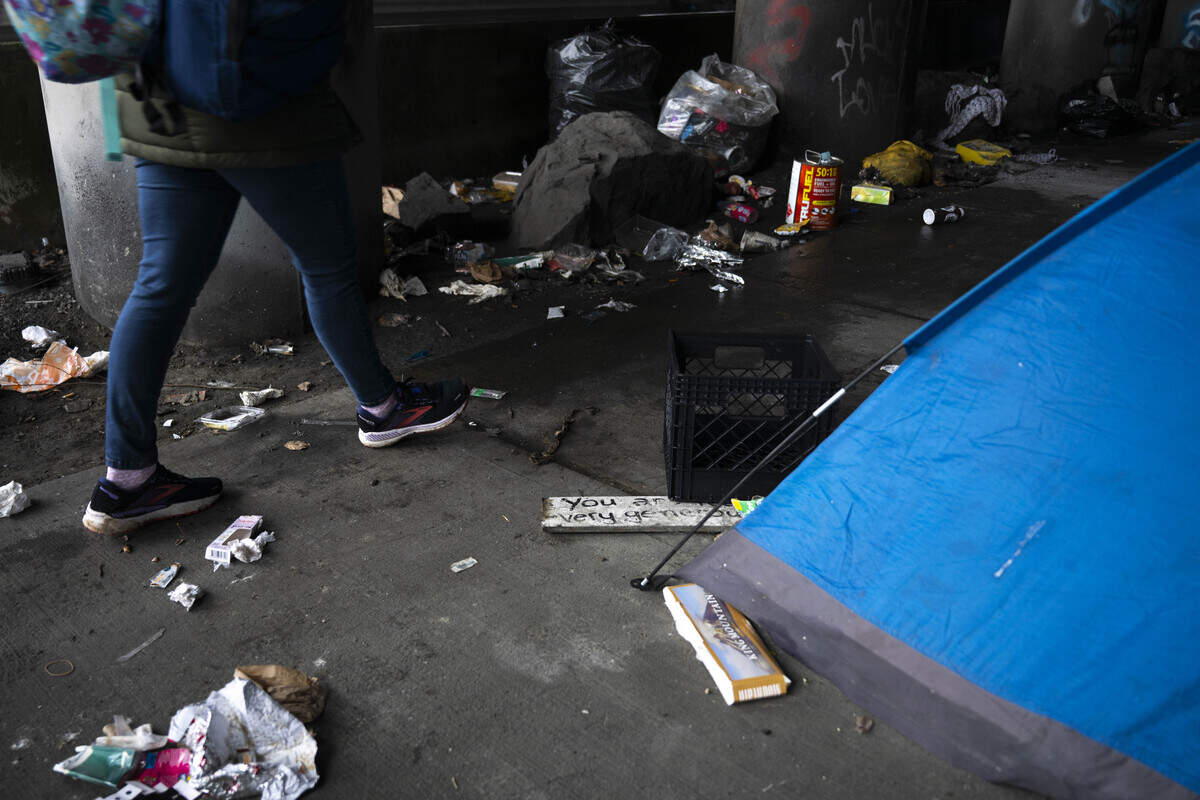
As of 2025, there were an estimated 7,948 people experiencing homelessness and only 1,462 year-round shelter beds and 108 safe parking spots available, according to Pierce County.
“While the County currently invests $40–50 million annually in services, full system‑scale response would require a substantially larger ongoing investment, between $225 million and $500 million annually, according to our 2024 Homeless Services Cost Estimate,” per an executive summary of the comprehensive plan.
How will we know if the plan is effective?
Pierce County’s strategy seems to be working so far.
Over the last three years, data collected by Pierce County — including through the annual Homeless Point-in-Time Count — shows a decline in first-time homelessness, as well as the total number of individuals served, according to a Human Services presentation scheduled for June 16. The number of people living unsheltered has also leveled off.
“While significant needs remain, these trends indicate measurable system progress and emerging positive outcomes,” per the presentation. “Recent investments in prevention, shelter, outreach and encampment resolution appear to be contributing to measurable system improvements, including reductions in first-time homelessness and stabilization of unsheltered homelessness.”
Pierce County will evaluate the effectiveness of its Comprehensive Plan to End Homelessness primarily by looking at “whether the number of people experiencing homelessness is decreasing,” per the executive summary.
In alignment with HUD’s goals, Pierce County aims to, by 2030:
- Reduce the typical length of time individuals remain homeless by 5% each year until it is below 90 days
- Increase the number of people exiting into permanent housing from emergency shelter, Rapid Rehousing and Transitional Housing by 2% each year until it is 50% or higher
- Increase the proportion of people engaged in case management through the System Navigation program by 5% each year
- Increase connection to a Coordinated Entry assessment in emergency shelter, day center and outreach by 5% each year
- Increase Homeless Management Information System data quality by 2% each year until it is 95% or higher
Interventions focused on supporting those at risk for homelessness have been identified as the best option for investing in housing stability for a moderate cost, according to a cost analysis of the homeless crisis response system.
Housing availability may hinder success of plan
In the meeting Wednesday, the four Democrats on the council voted in favor of the plan and the three Republican members dissented.
Republicans Dave Morell, Paul Herrera and Amy Cruver said they wanted more time to digest the plan. County policy analyst Mary Connolly told the council that the state’s deadline to submit a five-year comprehensive plan to end homelessness is July 1.
“Unless we have the housing available, this plan is going to be a failure,” Morell said, noting that he had yet to see a clean resolution detailing how these different strategies will fit together.
Democrat members of the council said given the time restraints before the deadline, and the significant work that was put in to develop the plan with community input, they wanted to vote in favor of the framework and add an amendment to develop stronger accountability checks later.
In a statement Wednesday, the Pierce County Human Services department said U.S. Department of Housing and Urban Development’s recent decision to pivot away from a housing-first approach could mean it will get more difficult to expand housing options to people experiencing homelessness if federal funding for permanent supportive housing is reduced or eliminated.
The housing-first model sees housing as a basic need that should be prioritized before attending to issues like getting a job, attending to substance-abuse issues and budgeting, as previously reported by The News Tribune.
“The ‘housing first’ experiment failed Americans by warehousing the vulnerable without results. Instead, billions of taxpayer dollars were spent while homelessness increased to record levels,” HUD Secretary Scott Turner said in a statement. “Housing alone will not solve a crisis driven by addiction and mental illness. Under President Trump’s leadership, HUD is making necessary reforms to put recovery first.”
Pierce County said in a statement that HUD’s recent changes primarily affect funding through the Greater Tacoma Pierce County Continuum of Care, which is a separate governing body and is not directly addressed in the County’s Comprehensive Plan.
“While there is still uncertainty about the full impact of these changes, Pierce County is actively planning for different scenarios,” per a statement shared Wednesday. “Our top priority is maintaining housing stability for people and families who are already housed, while continuing to pursue funding opportunities that support long-term housing solutions in our community.”
In 2024-2025, housing interventions remained the most costly expenditure ($44.8 million in 2023 and $25.7 million in 2024).