Should Pierce County gravel mine expand? Residents worry about environment
AI-generated summary reviewed by our newsroom.
- Hearing examiner approved permits but mining awaits required Restoration Plan approval.
- Decision says dewatering could reduce creek baseflow by about 79% on average after mining.
- Clover Creek Restoration Alliance filed an appeal challenging the mine expansion decision.
A controversial sand-and-gravel mine in DuPont might be allowed to expand if it meets certain environmental standards, according to a hearing examiner decision published earlier this month.
As previously reported by The News Tribune, Glacier Northwest Inc., also known as CalPortland, has proposed expanding its existing Pioneer Aggregates Mine into about 188 acres of undisturbed land and 125 acres deeper into its existing mine. The mine at 4301 Pioneer Ave. is next to a previously undisturbed 10.8-acre kettle wetland and would drain local groundwater that feeds into a creek along the popular Sequalitchew Trail. If it goes forth, CalPortland would be able to extend mining operations for 14 more years. The South Parcel Project is on lands owned by Weyerhaeuser Co. and leased to CalPortland/NW Aggregates.
CalPortland staff told The News Tribune in 2024 that demand for aggregate rock has grown over the years. That type of rock is used to make quality concrete for bridges and roads. The company proposes to install wells to intercept and pump groundwater out to dry gravels for mining, in addition to logging and clearing the land. Pete Stoltz, the senior manager of permitting and government affairs for CalPortland/Glacier Northwest Inc., told The News Tribune Wednesday that the mine expansion would create “a couple” of new jobs, but mostly will use long-term existing employees.
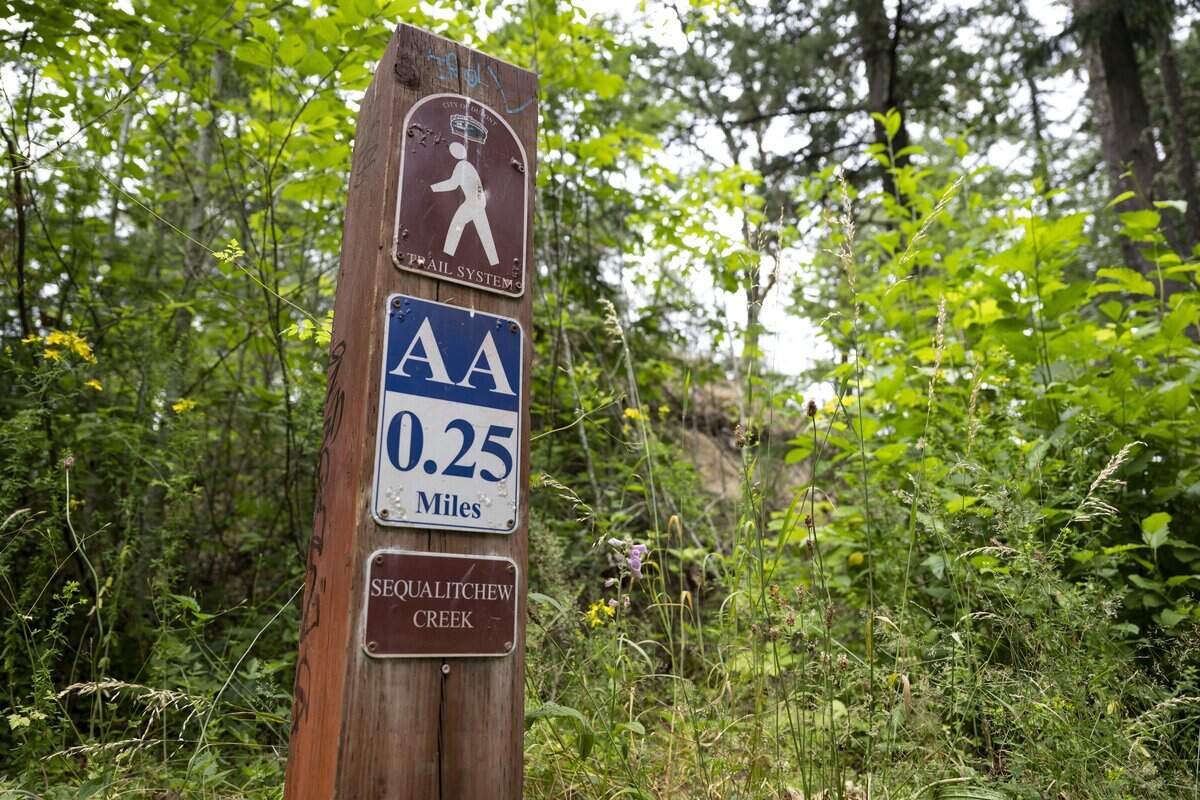
On June 26, the nonprofit Clover Creek Restoration Alliance filed an appeal with the city of DuPont, Glacier Northwest/CalPortland and Weyerhauser Co. to prevent the project from progressing. President Sean Arent said the mine expansion would cause irreversible damage to nearby wetlands and streams, and argues the approved permits contain no specific long-term mitigation plan for the wetlands after mining ends.
The appeal argues DuPont approved the project before Glacier Northwest/CalPortland demonstrated compliance with critical area standards, limited meaningful public participation “by moving critical review to a post-approval process” and “fails to give legally sufficient weight to best available science and precaution required for critical areas.”
“I think this might be our last shot [to stop the project],” Arent said. “The greatest part about living in DuPont for people is being able to enjoy this natural area.”
When asked to comment on the issue, DuPont city administrator Keith Campbell told The News Tribune via email on June 23, “Right now staff is working through the hearing examiners ruling, impacts and next steps. The record on this matter is significant in both size and scope. Any additional comments right now would be premature.”
Pete Stoltz, the senior manager of permitting and government affairs for CalPortland/Glacier Northwest Inc. said via text Tuesday, “We don’t comment on matters that are before a court.”
During a walk down the Sequalitchew Trail on Monday, birds were chirping and the sound of the Sequalichew Creek could be heard through the tall trees. On the trail, a sign stating “Environmentally sensitive area” was next to a mess of cut limbs and branches, a result of the “DuPont West 243” warehouse project that was also approved by hearing examiner Phil Olbrechts two years ago.
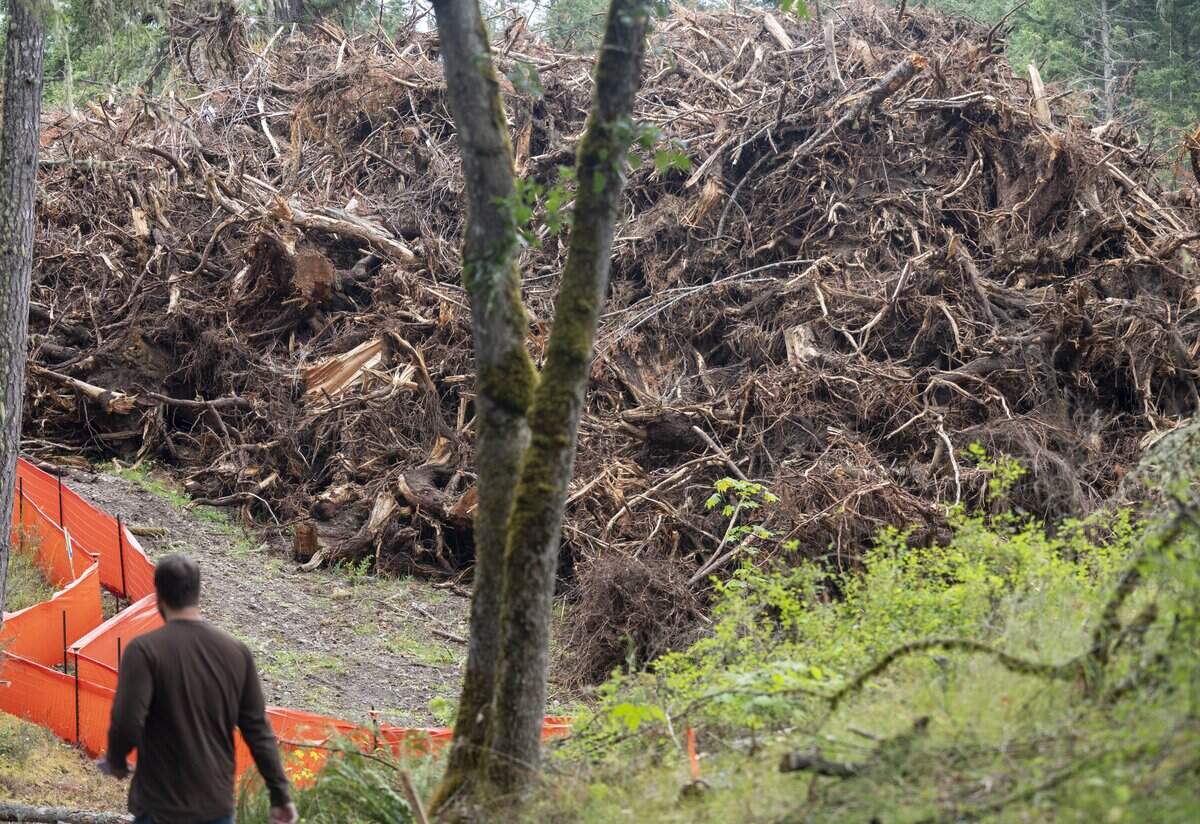
Hannah Thornton said she grew up in DuPont and runs on the trail every week. When she heard DuPont had approved the mining permit, she scrambled to start a GoFundMe to raise enough money to appeal. Thornton brings her children here, “and watching so much of that be destroyed has been really hard.”
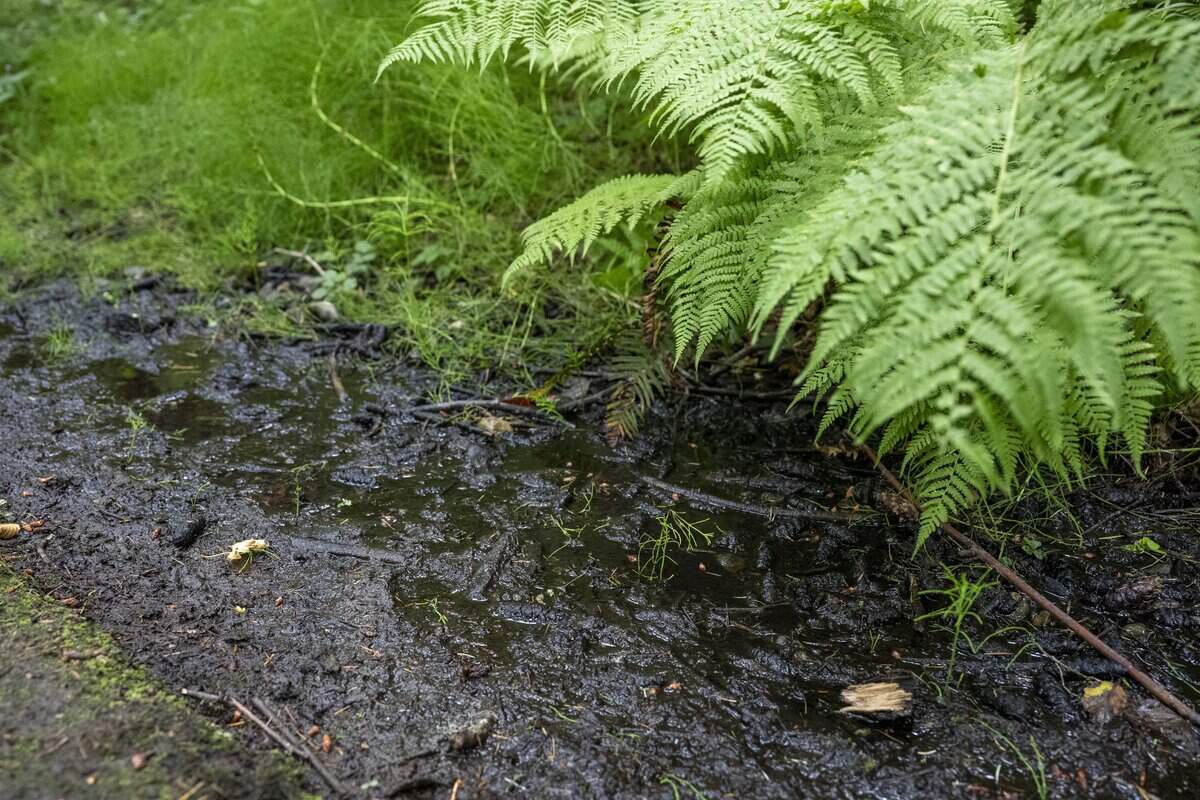
“This is what’s left of 2,000 years of this being here and being so important to so many people,” Thornton said. “If this aquifer is de-watered, and in 14 years the mitigation pumps turned off, this hillside is going to be completely dry. Then what we have here is gone. We’re looking at the creek not flowing. It’s absolutely devastating. This is a cultural treasure. It’s a community treasure.”
What did the hearing examiner say?
In a decision issued June 11, Olbrechts ruled that the site plan, tree reduction and critical area permits were approved. Mining cannot start until permits have been approved for a restoration plan, among other permits, he said in the decision.
Olbrechts wrote that the “most significant impacts of the proposal involve its dewatering of the mine site” and reducing the water level of the Vashon Aquifer.
“The off-site impacts of this project affect major recreational and environmental resources of great concern to the public,” he wrote. “The [Final Environmental Impact Statement] identifies that dewatering will reduce groundwater discharge to the Sequalitchew Creek ravine by an annual average of up to 83% at peak active dewatering and will provide on average 79% less baseflow to the Creek following completion of mining.”
Olbrechts said it took nearly a year to reach a final decision on the project after the last hearing was held in June 2025 in part because the Nisqually Tribe challenged the adequacy of the Final Environmental Impact Statement (FEIS). The Tribe said in its appeal last year that the FEIS “fails to analyze probable, significant adverse impacts of the proposed mine expansion on the Tribe’s cultural resources” in an area of profound importance to the Tribe and its members.
“The Nisqually Tribe, Applicant and City have … spent the last year negotiating a settlement to the Nisqually Tribe appeal. The parties were finally able to reach a settlement recently. A stipulated order dismissing the appeal was executed on May 26, 2026,” Olbrechts wrote. “The [State Environmental Policy Act] parties have not disclosed the terms of the settlement in this review process. Representatives of the Nisqually Tribe agreed to withdraw the comments they submitted into this proceeding as part of the stipulated order of dismissal.”
The city of DuPont said it could not comment on the terms of the settlement. Representatives with the Nisqually Tribe could not be reached for comment. Olbrechts wrote that CalPortland would be required to have ongoing consultation with the Nisqually Tribe, including to notify it of mining activities and any discovery of Native American cultural resources.
Expansion of the project “will not increase the number of trips generated by the existing mine” as materials will continue to be transported primarily by barge, per the decision. Dust emissions will primarily occur during drier summer months, and mining will have to comply with city noise standards.
The city’s drinking water supply is not expected to be impacted, Olbrechts wrote. CalPortland proposes removing 80 landmark trees and proposes to plant a total of 4,450 new trees as part of the reclamation plan, he wrote.
Another condition of the approval requires the land to be donated to the city following the completion of all mining activities, to give DuPont control over future public recreational use of the property, which might include trails with viewpoints above Puget Sound, according to the decision.
Arent told The News Tribune he expects the Clover Creek Restoration Alliance’s appeal will go to court by the end of the year.