Fired director alleges ‘white privilege and racism’ in Pierce County leadership

AI-generated summary reviewed by our newsroom.
- Gary Gant filed a claim with Pierce County Risk Management on June 26.
- Gant said executive leaders micromanaged him and undermined his authority as a Black man.
- Gant seeks economic and non-economic damages including past and future wage losses.
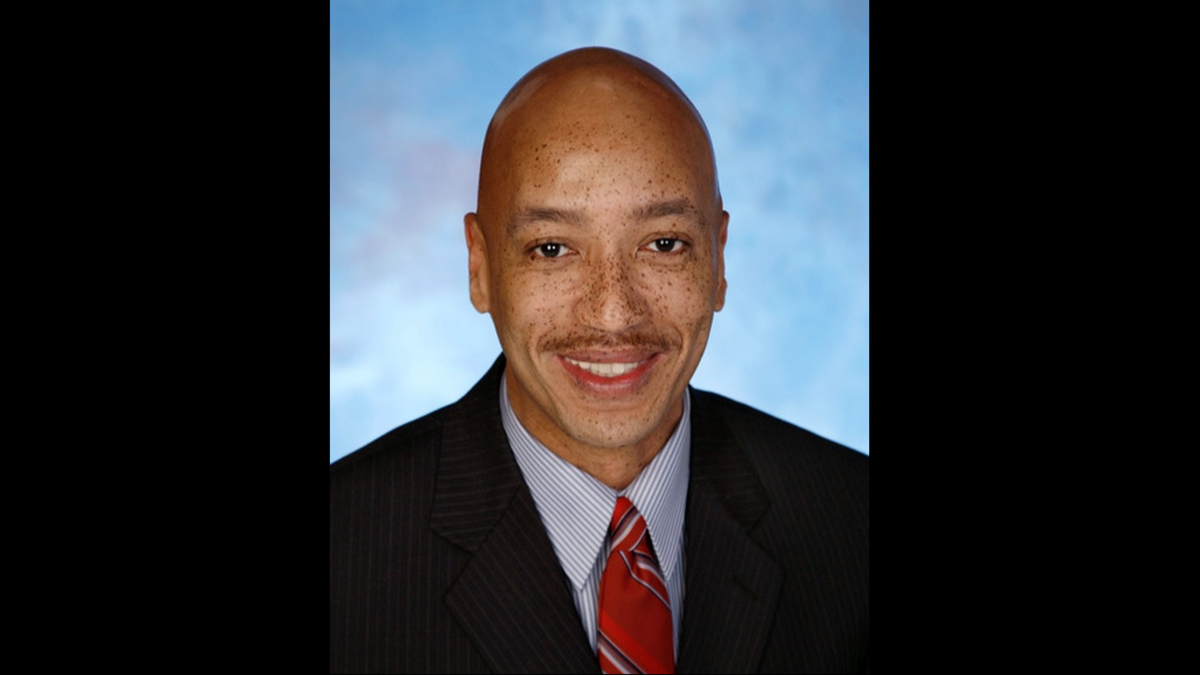
Shortly after Pierce County Human Services director Gary Gant was fired after less than a year on the job, Gant filed a claim with the county alleging he was discriminated against by executive leadership for being Black.
In a claim filed with Pierce County Risk Management on June 26, Gant wrote that leaders, including Executive Ryan Mello, deputy executive/chief operating officer Scott Nicholson and executive counsel Julie Murray (who stepped into the interim Human Services director role following Gant’s termination in April) “created a hostile work environment and treated me differently from other leaders who were not Black.”
“Leaders who were not Black males were shown professionalism and deference, while my work was micromanaged and my authority to make major decisions were undermined,” Gant wrote.
The claim is a precursor to a possible lawsuit against the county.
Gant is requesting, “Economic and Non-Economic Losses to include past and future wage losses, damage to reputation, and pain and suffering all in an amount to be decided by the jury,” per the claim. Gant said he has “suffered the usual and ordinary injury associated with violating my civil rights and [Washington Law Against Discrimination].”
In a statement sent to The News Tribune Thursday, county spokesperson Kari Plog said, “Vulnerable people in our community rely on our Human Services department, and its work is vital to their health and well-being. They need Human Services to function at a high level, and county taxpayers expect that too. At Pierce County, we hold all of our employees to high standards for the quality and completeness of work, especially department directors who are charged with making progress on the county’s most pressing issues. During Mr. Gant’s tenure, several issues arose, prompting the County to end his at-will employment.”
As previously reported by The News Tribune, Nicholson sent emails to Gant in March indicating officials were unsatisfied with Gant’s job performance, particularly by not ensuring “that information and analysis provided to the Executive’s Office is accurate, complete and decision-ready.”
It isn’t the first time a Black leader has accused Mello and his office of discrimination. Pierce County paid $1 million to former Pierce County court clerk Constance White in May 2025 after she alleged her authority was undermined, and she wasn’t treated respectfully in the workplace.
Attorney Joan Mell represented White, and she represents Gant in this case. Mell has frequently represented public employees in Pierce County in lawsuits against local governments and most recently attempted to represent Sheriff Keith Swank in his public conflicts with Mello and Prosecutor Mary Robnett.
What did Gant’s complaint say?
In the complaint Gant alleged county leaders “were professional and deferential to the white managers and directors, while micromanaging my work, questioning my competence and undermining my authority and capacity to make major departmental decisions,” noting also, “They used the office dysfunction present before I was hired to judge my performance.”
“White colleagues have not suffered the same scrutiny, corrective action or termination for problems that existed before they assumed their roles,” Gant wrote. “On my first day in the role, the General Counsel yelled at me and stated that I needed to resolve the issues in Human Services. … I was shocked by the General Counsel’s tone, demeanor and apparent lack of respect for my title and role. This initial interaction left me feeling demeaned, disrespected and unwelcome as I began my new role as director.”
In his time with the department, Gant said, Mello’s team asked him to fill the role of executive sponsor for the Black Employee Resource Group, “but never asked me to sponsor or take the lead role in other non-race based initiatives or goals,” saying he was also encouraged to network on behalf of the county with Black providers like the R.I.S.E. Center and with Black members of Associated Ministries.
“I felt that my ability to make independent decisions for my department was being thwarted by executive leadership because of paternalistic attitudes and racial bias toward me as a Black male in a leadership position,” Gant wrote.
In several cases, Gant said, Nicholson “lashed out and yelled at” some of his direct reports in front of others.
“In my nearly forty-year professional career, I had never experienced a situation in which my supervisor disregarded the chain of command by reprimanding one of my direct reports, whether in my presence or absence. I felt humiliated, demeaned, disrespected and unseen,” Gant wrote.
In one case involving a Black staffer who reported to him, Gant said, “the incident felt like a planned public humiliation of a Black male manager and his Black male director in front of a largely white audience.”
“When I left the meeting, I had to suppress my anguish, hurt and disbelief. I had never witnessed such an overt display of white privilege and racism in a workplace setting, nor the apparent acceptance by the attendees of what had occurred,” Gant wrote. “As these events unfolded in my work environment, my stress and despair increased to the point that I consulted with my primary care provider.”
Gant said he was “shocked” to receive a Memorandum of Expectations (MOE) regarding his performance in March 2026, believing it was “unwarranted and unfair given my brief tenure in the position” and his active involvement with his team as it worked through new processes under a new administration.
“In my view, the MOE was unwarranted and was used as a tool to intimidate me and signal that my position was in jeopardy, despite the executive team’s stated commitment to allow me to realign the department for effectiveness and efficiency and to support my success as a leader,” he wrote. “I believe this action was retaliation against me for asserting my authority as director in an environment where, as a Black man, I was expected to remain silent and compliant with an administration that I experienced as unjust and racist at its core.”