SNAP enrollment dropped by 33,000 in WA. Here’s what local food banks are seeing
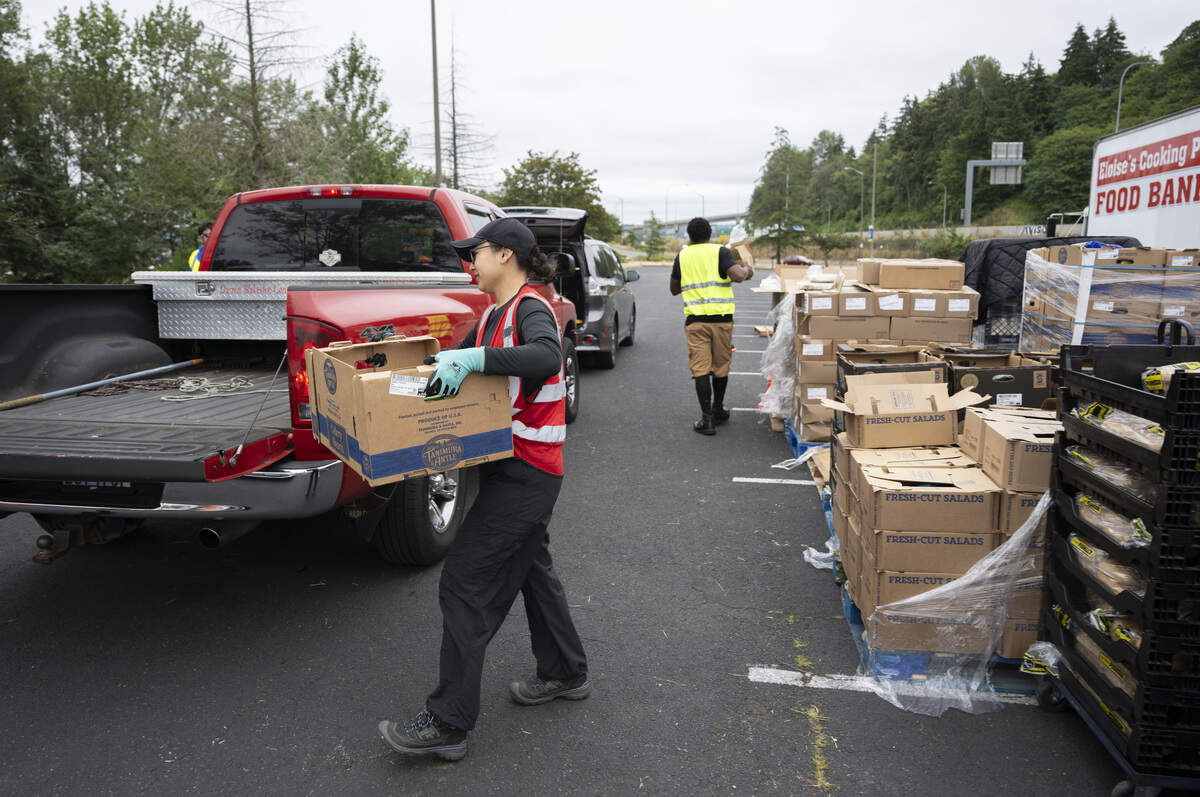
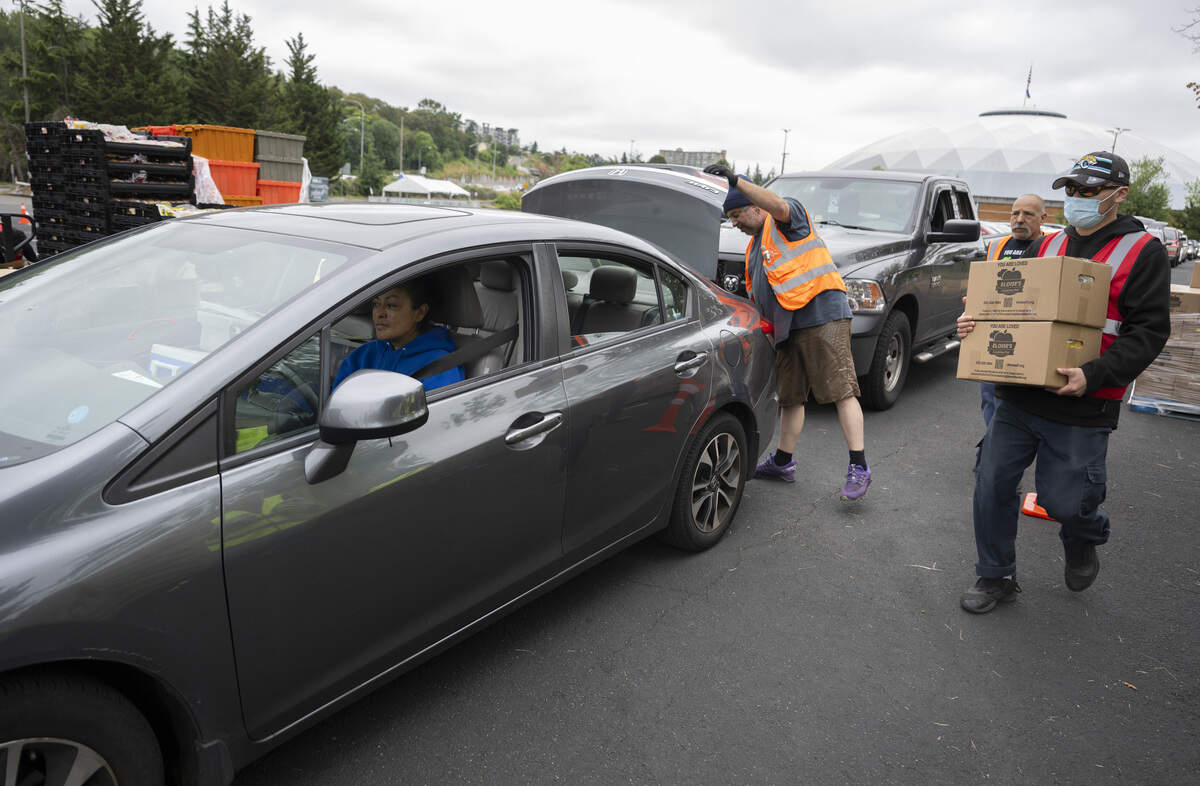
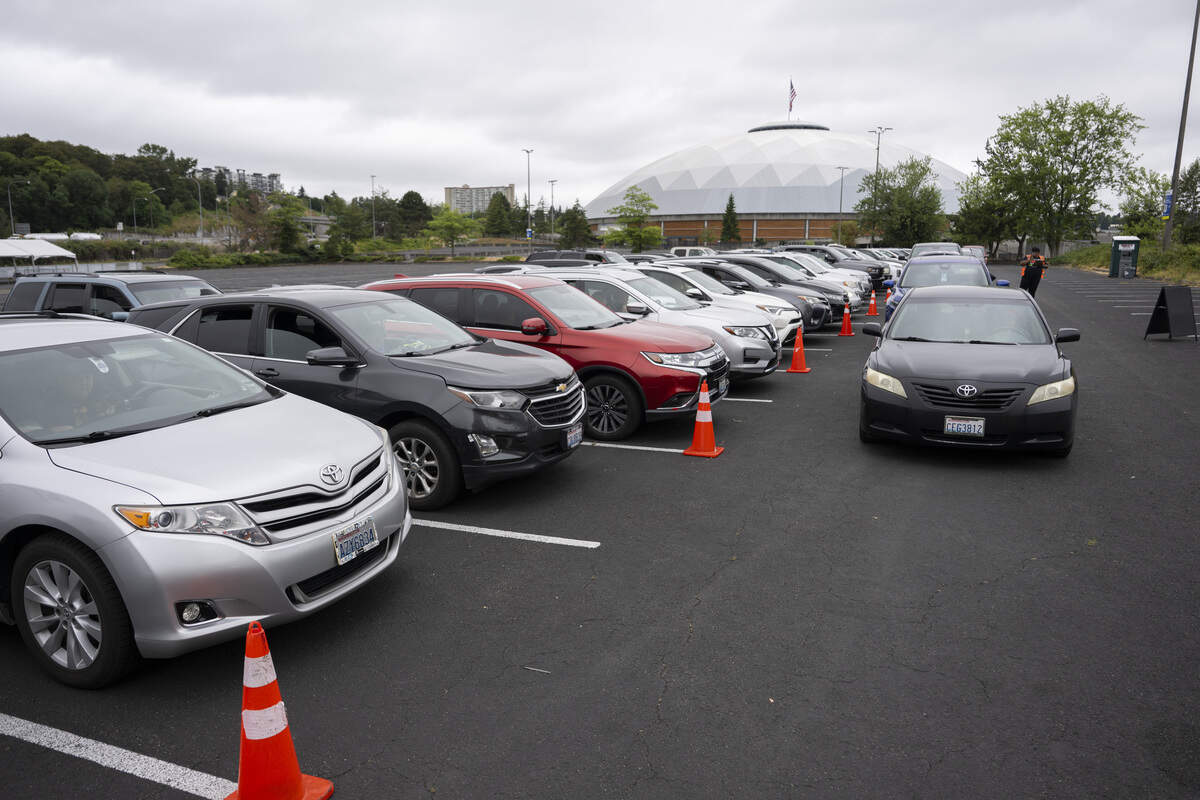
At 6 a.m. every Wednesday, Elmer Miller is the first car in line for the Eloise Cooking Pot Food Bank food distribution center at the Tacoma Dome.
The retired 67-year-old has been going to the food bank for his family every week. Like many, Miller said his wife’s Supplemental Nutrition Assistance Program benefits are not enough to get them through the month.
“Sometimes you’ll get like $140 and then the next month it will go down to $75, and then it’ll jump back up, and then it’ll jump down to $25,” Miller told The News Tribune while waiting in line. “What can you buy on $25? Nothing.”
The Trump administration’s ”One, Big, Beautiful Bill” turned one this month. The bill, also known as H.R.1, is a sweeping federal budget and tax-cut package that reduces spending to programs such as SNAP and Medicaid.
The bill included a series of new eligibility requirements for SNAP that limits access to U.S. citizens and lawful permanent residents while requiring able-bodied adults ages 18 to 64 to work at least 80 hours per month.
According to data from the Washington Department of Social and Health Services, thousands of Washingtonians enrolled in SNAP have lost their food assistance or had their benefits reduced since the implementation of H.R.1.
“It can be difficult to provide a definitive response to any particular trend and we wouldn’t necessarily attribute that decline to H.R. 1, since it passed in July 2025 but many of the changes did not go into effect or weren’t implemented until November 2025, February 2026 and April 2026,” Norah West, spokesperson for the Washington Department of Social and Health Services, said in an email. “We think this decline has two primary drivers.”
West wrote that the agency thinks the decrease can be attributed to “a steady decline in immigrant households accessing assistance since November 2024” and “the lingering impacts of the October 2025 federal government shutdown.”
West told The News Tribune that from July 2025 to March 2026, SNAP enrollment dropped by about 33,000 participants across the state. She said that the department had already been seeing a steady decline since April 2025. By April 2026 almost 15,000 clients moved to the state-funded food assistance program for Legal Immigrants and more than 5,000 lost food benefits for not meeting work requirements, she said.
Back in October 2025, about 930,000 Washington residents were enrolled in SNAP, including 118,000 in Pierce County. West said as of May 2026, about 900,000 residents statewide were enrolled, including more than about 100,000 in Pierce, about 27,000 in Benton, 13,000 in Franklin, 20,500 in Thurston, and more than 22,000 in Whatcom counties.
“Finally, almost 20,000 households had their food benefits reduced by an average of $56 per month due to H.R. 1 rule changes in how utilities allowances are calculated,” West wrote in an email.
According to West, the new utility allowance calculations process was implemented in May. Previously, families who received utility allowances from the state’s Low-Income Home Energy Assistance Program would get their SNAP benefits calculated based on the highest utility deduction; now, actual utility costs are used, resulting in lower monthly benefits.
Martha Partida has been going to the Eloise food distribution for three weeks, since she was discharged from the hospital after recovering from a stroke in June. Partida has been enrolled in SNAP for only a few months, during which she said her benefits dropped from nearly $300 down to $23 per month. “It’s hard,” Partida said. “Everybody is struggling right now, working and can't afford food or pay the bills. Choose: You're gonna eat or pay the bills.”
While food banks say it's too early to understand how SNAP participants are impacted by H.R.1, many across Pierce County are seeing an influx of people.
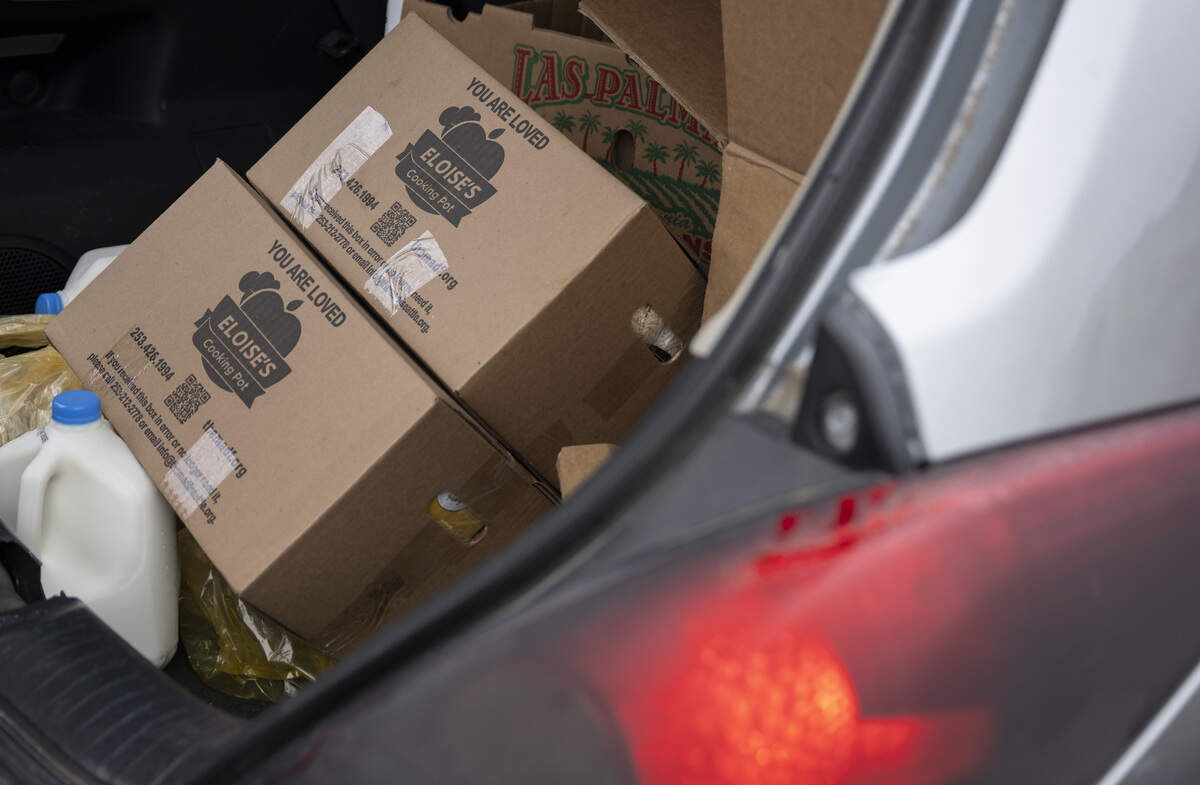
Ahndrea Blue, President of the Eloise Cooking Pot Food Bank, said people such as Miller and Partida start lining up for Eloise’s food distribution around 6 a.m. even though the distribution does not start until 10 a.m. Blue said every Wednesday they typically serve about 345 to 375 cars.
“In the past you’re like, oh, people who are impoverished are at food banks, that’s not the case,” she said. “You have people who are working their everyday jobs and needing food help.”
Michele Douglas, CEO of the Emergency Food Network, Pierce County’s largest food center, said they have seen an 18% increase in visitors each month of 2026 from 2025, averaging about 50,000 extra visits per month across their 75 partner sites located within the county.
“Last year we had 3.7 million visits to our network. This year we’re expecting over 4 million,” Douglas said. “... It’s over a 220% increase from 2019.”
Ken Gibson, chief financial officer of Nourish Pierce County, said: “People who maybe were just getting by and doing okay are now not doing okay.”
Other food banks have noticed many of their participants are struggling to fulfill the new work requirements.
Dawn Whitman, director of the St. Leo Food Connection food bank, said that many SNAP participants who were previously exempt, including adults over 55 years old, veterans, people experiencing homelessness, and former foster youth, often face transportation or schedule challenges.
“Older folks are now having to be required,” Whitman said. “... Now you throw in a 20-hour-work week requirement, well, I don’t know how I’m going to fit that in with my medical appointments, and if they have a caregiver, or what have you.”
Whitman said that St. Leo Food Connection offers a variety of work and volunteer opportunities to help participants fulfill their requirements. She said she often receives requests from participants to work longer hours across fewer days because they cannot afford the transportation back and forth.
Gibson believes that the food bank will better understand the impacts of H.R.1 in the coming years, especially once the work requirements for Medicaid take effect in January 2027.
“When the Medicaid funding backs off, people are going to have to make choices about food or medicine, food or health care,” Gibson said.
In the meantime, Blue, Douglas, Gibson, and Whitman all emphasized that while these federal changes are occurring, food banks across Pierce County are ready and willing to support those who need assistance.
“The impacts are devastating, but I want people to remain hopeful,” Blue said. “I believe in hope. I believe in God. I believe that we will weather this together, and we’re going to continue to stand with the clients to make sure that they’re okay.”
For more information on where to find the nearest food bank visit https://www.piercecountywa.gov/foodbanks.
This story was originally published July 13, 2026 at 11:19 AM.