Latest foodborne illness making the rounds is no joke. Here’s how to avoid it
AI-generated summary reviewed by our newsroom.
- CDC received 843 confirmed domestic cases and 1,500+ pending confirmation.
- Michigan reported more than 1,500 people stricken as of July 10.
- CDC listed 86 hospitalizations and said investigations are ongoing to identify sources.
A type of food poisoning rapidly gaining attention, and headlines, across the United States also has Washington state and local health officials on alert.
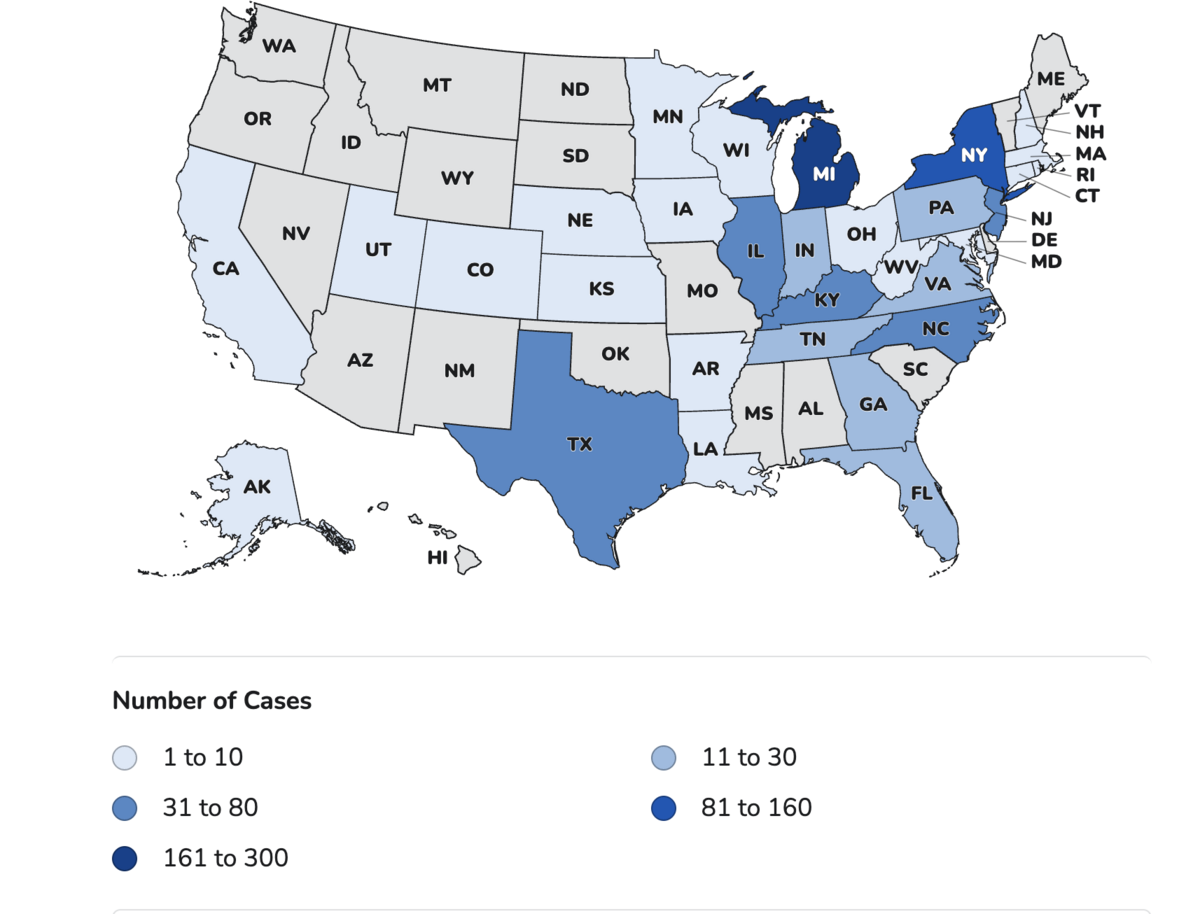
According to the U.S. Centers for Disease Control and Prevention, since May 1, CDC has received reports of 843 confirmed domestic cases of cyclosporiasis in 31 states “and is aware of more than 1,500 cases that require further analysis to confirm the illness as domestically acquired cyclosporiasis.”
The federal case count is lagging state reporting, CDC noted on its website. Michigan alone is reporting more than 1,500 people stricken as of July 10, one of the worst outbreaks in years.
“CDC is aware that states are likely to report higher case counts of cyclosporiasis than reflected in CDC data and is working closely with states to update numbers as additional cases are confirmed,” the CDC report stated.
The CDC also noted in its post dated July 10, “So far this year, multiple states have reported an increase in cases in the last two weeks compared to the same period in 2025.”
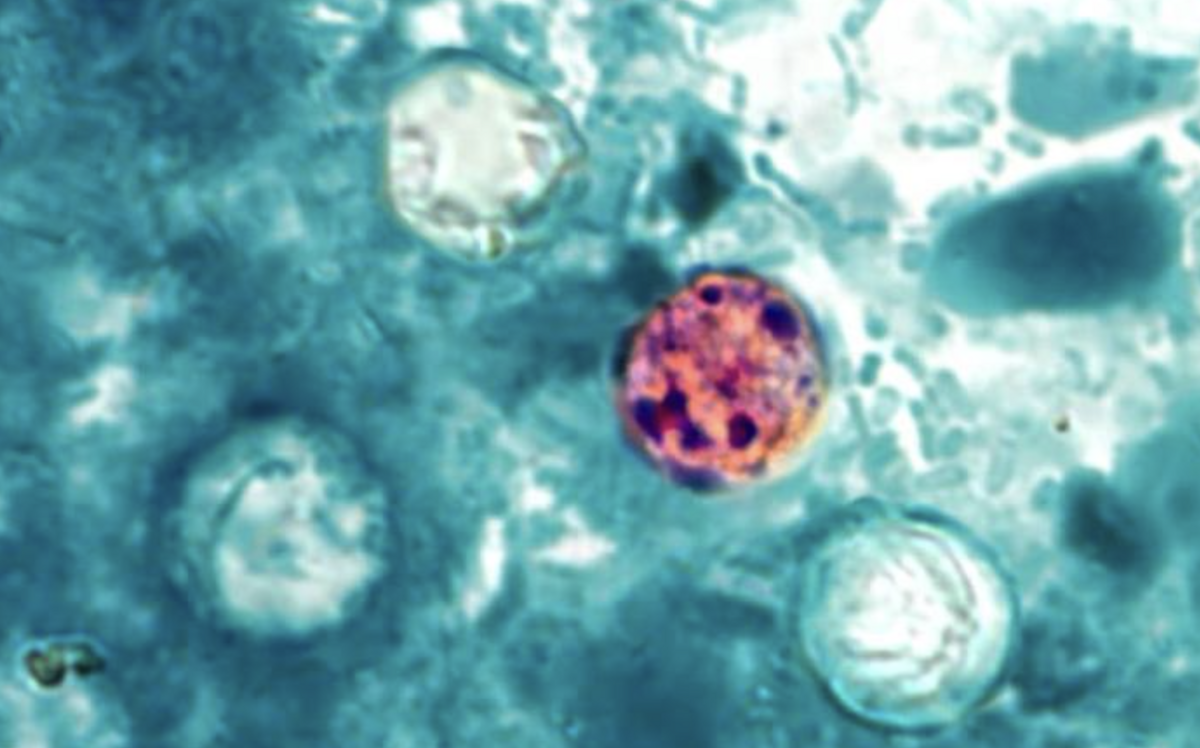
Cyclosporiasis is caused by food contaminated with a parasite that spreads through contaminated feces. Transmission can occur by eating contaminated food or accidentally ingesting contaminated water (think swimming pools, hot tubs or lakes). Food, particularly some types of produce, can easily become contaminated if it comes into contact with tainted water.
The illness’s hallmark symptom is persistent, watery diarrhea, or, as some media reports describe it, “explosive.”
Other symptoms include nausea, loss of appetite, abdominal pain, fatigue and weight loss. Antibiotics are available to help in recovery.
Symptoms can linger for weeks. Those who are immunosuppressed or immunocompromised could suffer for a longer period and run a greater risk of dehydration.
The CDC listed 86 hospitalizations nationwide, but no deaths so far from the reported cases. It also noted that investigations are ongoing “to identify source(s) of illness.”
According to an online medical guide posted by the Cleveland Clinic, fresh, imported produce can be of heightened risk. It also includes a list of the following produce items tied to past cyclosporiasis outbreaks in the U.S.: basil, cilantro, mesclun lettuce, (often marketed as spring mix), raspberries, snow peas and sweet peas.
In Pierce County, Tacoma-Pierce County Health Department media representative Kenny Via told The News Tribune, “We have had one case of cyclosporiasis in Pierce County this year, reported on July 1 and associated with international travel.”
According to the Washington state Department of Health, typically “0 to 11 cases are reported yearly, mainly after international travel.”
Nationally, the CDC said as of July 9, 343 cases affecting those who had traveled outside the U.S. had been reported across 32 states, with 18 hospitalizations.
“We are monitoring the increased activity nationally and certainly encourage folks to follow proper food-safety practices,” Via added.
Some tips offered by health officials include refraining from buying pre-packaged or bagged salads, instead opting for whole heads and discarding the outer layers and washing the inner leaves individually, scrubbing fruits and vegetables with a clean produce brush and water, opting for frozen or cooked berries and washing hands frequently when handling/processing produce. Additionally, cooking raw vegetables at temperatures 158 degrees or higher can help prevent illness.
Decreased monitoring
FoodNet, the foodborne-illness surveillance arm of the Centers for Disease Control and Prevention (CDC), made tracking cyclospora optional as of July 1, 2025.
Instead, surveillance is through the National Notifiable Diseases Surveillance System, as it remains a “nationally notifiable disease and is reportable in 47 states, the District of Columbia, and New York City,” according to the CDC. (Washington state DOH lists it as a notifiable condition with reporting requirements among health care providers and facilities, labs and local health jurisdictions.)
FoodNet is a collaboration among CDC, USDA, FDA and 10 state health departments, and tracks infections caused by eight pathogens in a surveillance area that includes 16% of the U.S. population. It was established in the years following the Jack in the Box E. coli outbreak of 1993.
The FoodNet information page states that “FoodNet’s active surveillance activities were not designed to detect outbreaks of foodborne illness. No recent changes have been made to how CDC and our federal, state, and local partners detect and investigate outbreaks through existing epidemiologic or laboratory systems, such as the national laboratory network PulseNet.”
Attorney William Marler has represented families in local and national foodborne illness cases, including most recently baby formula recall cases tied to botulism. He also represented customers affected in the Frugals listeria outbreak in 2023 and started litigating foodborne illness cases in 1993 with the Jack in the Box outbreak.
In a phone interview July 10, he told The News Tribune, “Cyclospora is a tough bug to guard against ... . So you really have to focus on preventing.
“When you have these (case) spikes, having boots on the ground, good epidemiology, putting the money toward testing, actually having it as a reportable disease that FoodNet monitors — you prevent these illnesses and outbreaks.”
If wider detection isn’t there, cases aren’t found. “They’re just not being seen,” he warned.
The CDC said in its update July 10, “Given the recent increase in cyclosporiasis cases, CDC will publish updated data more frequently than in previous seasons.”