First body cameras in use by Gig Harbor police, but glitch is draining car batteries
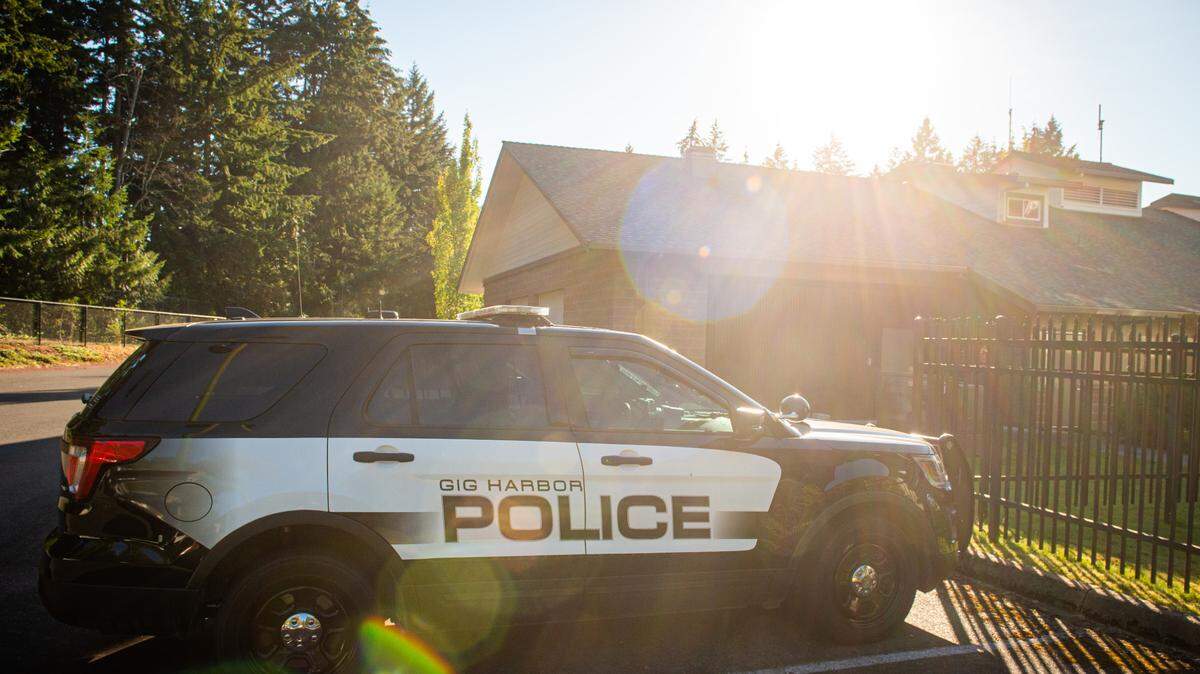
At least four body cameras are now in use by Gig Harbor police, the department says, although there have been technical glitches leading to dead car batteries.
“I think we’re at four or five,” body cameras in use, Chief Kelly Busey told The Gateway on Tuesday. “They’re all installed, it’s getting them activated and then solving the battery issues.”
Busey said some officers have had to have their patrol cars jump-started because the batteries had been drained.
“Officers will come out in the morning to go to work and their car is dead,” Busey said.
Busey thinks the problem stems from a Bluetooth receiver that is continuously looking to see if the camera is active.
“If you turn the car off, it’s supposed to shut itself down after a certain period of time, right? But if this Bluetooth trigger is still looking around, it thinks the camera is active and may keep the system on longer and could be the source of a battery drain. We think we just identified that yesterday. We’re not sure, because I just made an adjustment on one car to see.”
Timeline stretched
Busey predicted last June that the cameras would be in place “within 30 to 45 days.” That timeline hasn’t been met because of technical problems, he said, but the rollout is continuing.
“We will certainly have them during the month of April, absolutely,” Busey said.
How long the footage will be kept depends on the type of interaction, Busey said.
“It depends on the nature of the contact. Those retentions are all dictated by state law and the public-records retention schedule. Generally, if it’s related to a case or an arrest, it’s seven years,” Busey said. “If it’s a traffic stop with a verbal warning, I think the retention on that is 90 days.”
Busey said he doesn’t see any problem storing the footage for extended periods of time.
“Part of our contract with the vendor we use is they provide the cloud storage service for that. We pay a yearly fee to have them store our videos,” Busey said. “Every time we’ve used that so far, it’s been flawless.”
Whether those cameras get turned on in the first place is a whole separate issue.
This can be a challenge, Michael White, co-director of training and technical assistance for the Justice Department’s body-worn camera policy and implementation program, told the PBS NewsHour.
According to White, “an officer may forget; they may decide not to activate because of citizen requests,” or may intentionally leave the camera off.
Busey acknowledged there may be some growing pains in getting officers to remember to turn on cameras, but he anticipates widespread use once it becomes part of a routine.
“Initially, people may forget to do that, but over time it’ll just become a habit for them and that’s an expectation,” Busey said.
It is required for officers to turn on their cameras in interactions, Busey said, though he is still considering possible future upgrades to ensure they go on automatically.
“There is some new technology that is coming out,” Busey said. “It will automatically turn on the body camera if the lights on the car are operating and the officer leaves the car.”
Busey said he “intends on putting that in our next budget cycle.”
This story was originally published March 30, 2021 at 4:05 PM.