Gamers rejoice: Peninsula, Gig Harbor High are getting esports teams. Here’s the plan
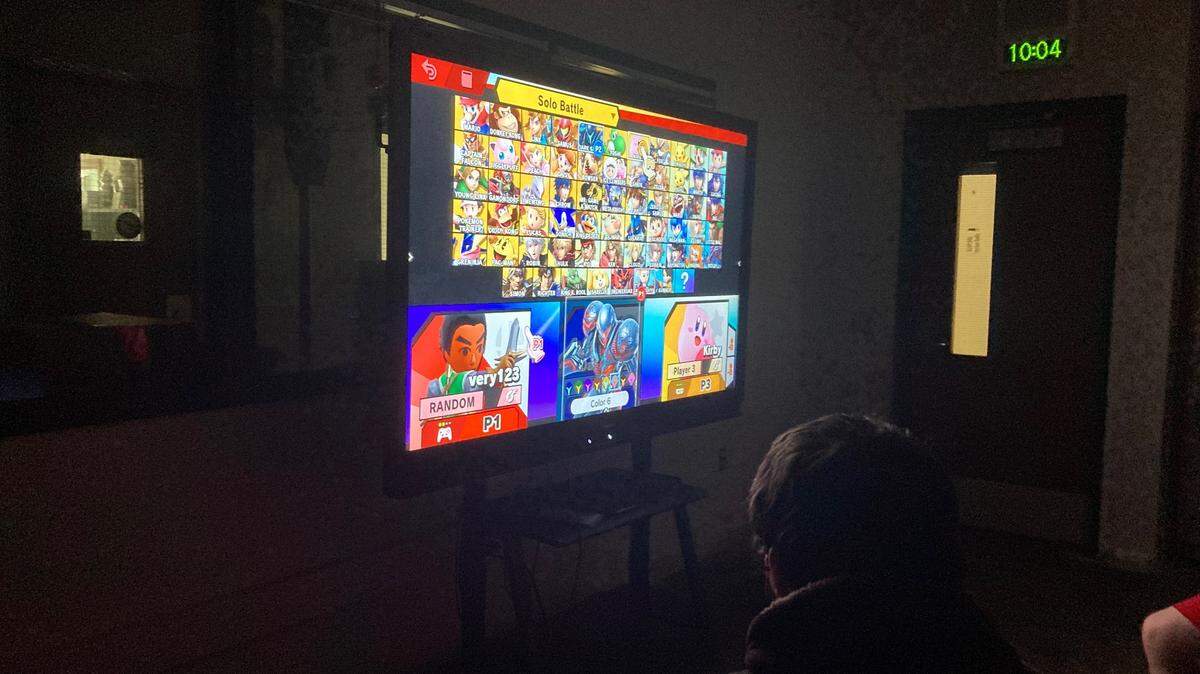
Plans for esports programs in Gig Harbor are materializing.
After a successful summer academy last year – and another on the way in 2022 – Peninsula athletic director Ross Filkins expects both district high schools to offer the competitive video gaming platform this fall.
It’s an opportunity now over two years in the works. Peninsula and Gig Harbor high schools presented the idea of an esports offering to the district school board in 2020, to much interest and encouragement, Filkins said. Now, the district remains “mid-process” in working through logistics, but they’re confident that Seahawks and Tides teams will be up-and-running by the 2022-23 school year.
“We expect this program to flourish,” Filkins told The Gateway. “What we have also found is, typically, our esport participants are not participating in the mainstream, athletic opportunities. This is really an opportunity for us to engage with a whole new population of our students, and to find a way to enhance their education.”
Roughly 40 high schools in Washington state compete in esports, or will compete by this spring, through the Washington Interscholastic Activities Association (WIAA). Some teams conduct meetings and competitions from home, and others use esports or computer labs on campus.
In 2020, the WIAA passed an amendment in their handbook that allowed for a two-year esports trial with CSL Esports in state schools. The pandemic delayed plans for a year, and that period began in fall 2021. Now, schools compete online, which means they don’t have to travel. It also lends itself well to health and safety protocols that remain in place.
Rocket League, a vehicular soccer game, was the most popular video game played in esports competitions last fall. FIFA, another soccer title, was among top selections.
Both player and coach feedback are vital for a continuous rise in esports popularity in the state, which the WIAA expects this spring and fall, said Justin Kesterson, who serves as a WIAA Assistant Executive Director.
“(Coaches) are really the gatekeepers, and get information from the kids as to what titles they would like to see,” Kesterson added. “And obviously, part of that balance is what (are) appropriate games. So obviously, a lot of people would love to play other game titles, but they don’t necessarily fit the mold for what is appropriate for school competition.”
‘Getting off the ground’
Onboarding webinars are available for districts like Peninsula that show interest in esports, the WIAA said. That helps with registration, startup processes, and required equipment checklists.
“This is something that’s just getting off the ground,” WIAA Director of Information Casey Johnson said. “So I think it might take a little bit of time for schools to join.
“But … from what I’ve seen, or what we’ve seen at the WIAA, is that participation will hopefully only increase with the spring offering from what we offered this fall.”
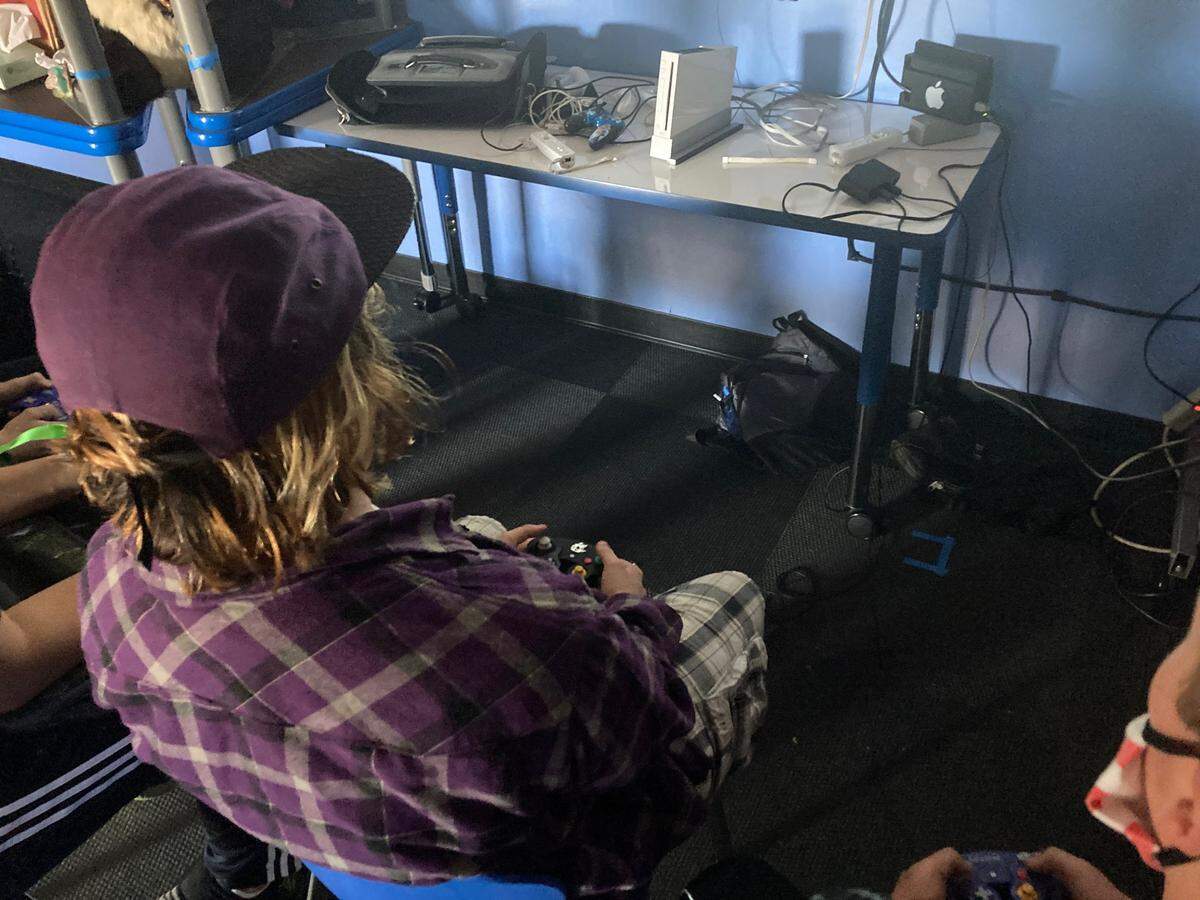
Last summer, Peninsula High School organized an esports academy. That proved there was interest from students to expand the platform in the district, and Filkins hopes to connect esports with marketing and production programs.
CSL Esports, the WIAA’s trial platform through 2023, cites viability and adaptability as benefits of esports in schools. “Well-rounded esports programs can help build long-term interest in gaming and technology careers,” their website says. “Students may discover an interest in programming, design, software development, IT operations and other areas, simply through exposure in a creative, enjoyable environment.”
Given the program’s newness, varsity teams are solely offered as of now, the WIAA said. That should change by spring: a junior varsity option may become available, as well as intramural or club options for students who may not be comfortable with immediate competition.
And there’s the prospect of traveling for esports contests. Still strictly online, the WIAA wants in-person competitions for state tournaments in the future.
“We’d probably (keep) gameplay online throughout the season,” Kesterson said. “But then, as we get into our championships, we make an event like we do for every other activity in sport, and put together an in-person program where the kids come to a central location and we set up the theatres and apostles. They’d play just like what you see on ESPN.”
Local students are excited for the opportunity, Filkins said. They plan to pack gyms or auditoriums full of spectators for esports competitions, once pandemic-related restrictions subside.
“It’s probably one of the only activities with such a wide range of kids in the school,” Kesterson said. “And … it takes away the size of the school, that sometimes can have a competitive advantage that we see on the athletics field.
“You can have a school over in Eastern Washington in Cheney, and they can compete against Camas. You take the classification (and) travel component out of it.”
This story was originally published February 14, 2022 at 5:00 AM.