17 of Gig Harbor’s iconic netsheds are still standing. What are they used for today?
Netsheds contribute to Gig Harbor’s iconic maritime charm.
They are wooden structures and docks that sit over the water, built by Croatian immigrants who were fishermen.
Before there were waterfront homes and businesses, netsheds started to appear along the waterfront in 1910, according to the city of Gig Harbor’s website.
They provided fishermen and boat crews a place to “mend nets, repair their boats, provide a gathering place between fishing seasons, and perform other jobs necessary to get their boats ready for the next venture at sea,” according to a Harbor History Museum blog post.
About 30 commercial fishing boats would leave the Harbor in early June to travel to Alaska and wouldn’t return until mid-September or October.
The commercial fishing boats in the harbor still do that today, but now only about 12 to 15 boats make up Gig Harbor’s Fleet.
Lita Dawn (Ancich) Stanton is an activist for preserving the remaining 17 netsheds. Although the exact number of netsheds to ever exist in Gig Harbor is unknown, Stanton estimated around 25 must have lined the waterfront from 1920 to 1940. They started to disappear once the fishing town turned into a more residential and recreational area.
The Ancich family used to own netsheds in the harbor, before they sold them when the family left the fishing business, she told the Gateway.
She was once the city’s historic preservationist, and is now a volunteer with The Skansie Netshed Foundation, which was formed to provide public access to The Skansie Netshed. The nonprofit is made up of heritage fishing family volunteers that include Franich, Babich, Jerkovich, Skrivanich, Jadrošić (Ross), Ancich and others committed to preserving the Netshed, its contents and local fishing family histories, she said.
The names of each netshed should sound familiar to Gig Harbor residents. Most are named for the families who built and owned them.
Netsheds had a large open area inside. Before and after trips, fishermen needed enough room to put together, fix, and take apart their cotton nets. This was all done by hand, Stanton said.
They would then lay the nets, stretched out, to dry in a field of tall grass.
It was common for netsheds to be passed down through the generations of a family, Stanton said. Now many of the netsheds have seen multiple owners outside of the original family, she said.
There are 17 netsheds that remain in the harbor and most of them have been converted into other things.
One has turned into a restaurant, Netshed No. 9, that serves breakfast and lunch. They celebrated 10 years of businesses in March.
Another owner has five live-aboard vessels docked at his netshed.
Others have been converted into personal gathering spaces.
Seven of the sheds have “Dock” signs with family names on the shed’s end that is closer to the water. This gives boaters an opportunity to see the netsheds from the water, since most of them are not visible from the street.
Five netsheds in the harbor still moor commercial fishing boats and/or have working netsheds, Stanton said. Those four are: Gilich, now Blair; Morin, now Lovrovich; Bujacich; Tarabochia; and Puratich.
A sixth netshed, Jerkovich, has working floats for commercial fishing boats.
Guy Hoppen grew up in between the Lovrovich and Bujacich netsheds. He’d row in between the two, and he watched what fishermen would do in their netsheds, he said.
Later in life he became a fisherman himself. He keeps his boat at the Lovrovich netshed. His boat makes the trip to Alaska during fishing season.
Hoppen is also on the Board of Directors for the Gig Harbor BoatShop.
After visiting a handful of netsheds, a Gateway reporter asked why they’ve been preserved in Gig Harbor.
Hoppen provided a couple reasons.
The first is the construction and the price.
“Overwater buildings are rare and compelling and next to impossible to permit from scratch,” he said. “It’s no surprise that those with the means decide to buy and retain a netshed, albeit with a changed non-commercial use. It’s also no surprise that a young commercial fishing family can’t afford to buy a netshed property as they’ve increased in value to a point where the pool of buyers typically wouldn’t include a younger fishing family.”
The second reason is the evolution of the area.
Other bay towns such as Vancouver B.C. or Friday Harbor “that have lost netsheds and working waterfront have simply gentrified at a quicker pace than Gig Harbor,” Hoppen said. “There are also some case-by-case reasons some of Gig Harbor’s netsheds have survived this long with their original uses intact, such as having no buildable uplands or space for parking.”
Ancich Netshed, Skansie Netshed, and Quigg Netshed are all on the city of Gig Harbor’s Historic Register.
The Skansie Brothers Netshed is the only netshed that is listed on the National, State and Local Register of Historic Places.
Sixteen of the netsheds are documented and listed with the Library of Congress. They are also listed with the National Trust for Historic Preservation.
Long days, cooking and memories
The Bujacich Netshed at 3625 Harborview Dr. was built in 1950 and originally owned by fisherman Jack Bujacich Sr.
He married Winnifred Ross — the daughter of John Ross, another fisherman who owned a Gig Harbor netshed.
Jack and Winnifred had five children. Their two sons followed in their father’s footsteps. George was the older brother and Jack (Jake) Bujacich Jr. was the younger of the two.
Around town they were known as the Bujacich brothers.
Jake Bujacich told the Gateway Dec. 7 he started fishing in 1942 as a 16-year-old with his uncle. Then he fished with his brother and father. Two years later Bujacich joined the Marines. He fought in WWII and the Korean War. Before he left for the Korean War, his father began building a family fishing boat, The Majestic. When Bujacich returned the boat was finished, and he got back into fishing.
Jake Bujacich Jr. turned 97 on Dec. 12. Although he no longer fishes commercially, he stills owns his half of the netshed and runs an active dock off of it.
He learned the ropes of the fishing business from his family members. He remembers their fishing crew in the netshed preparing for the season, learning how to handle the nets, tie knots, sew and more.
The Majestic made summer trips up to Alaska, Bujacich said.
In 1955 Bujacich was elected to the Gig Harbor City Council, then appointed mayor when the mayor at the time fell ill in 1967. He was appointed again in 1969. He served as mayor until 1978. He went on to serve on the Pierce County Council.
During his political run, Bujacich still spent his summers fishing, he said.
In 1970 his father passed away and left the netshed to the Bujacich brothers. The boat was passed downed to George, who later sold it to Jake.
The Majestic would line up in the harbor with the other fishing boats for the annual “Blessing of the Fleet,” which started in the ‘80s. It was a send off for the fishing boats at the opening of the season. The send off now takes place at the annual Maritime Festival. Residents can watch from Skansie Brothers Park.
It was crucial fishermen learned how to cook, Bujacich said.
The fishermen would fish during the day, then give whatever they caught to the cannery boats at night. At the same time the cannery boat would deliver them groceries.
When asked what type of dishes they’d cook, Bujacich said easy ones such as fried chicken and pork chops in the summer, and soups and roasts in the winter.
Bujacich would host preseason and postseason barbecues, and yard games at the netshed.
When they’d return from a trip, they repaired nets, painted the bottom of the boat, and got the gear ready again.
“Your crew was close,” he said.
They’d always hang out down on the water together. And of course, 5 p.m. was happy hour in the netshed, Bujacich said.
“We’d play liars poker for $1, have cocktails and talk about fishing, and a little bit of everything else,” he said.
Before George passed away in 2015, he left his half of the netshed to his grandson, Robert.
Jake Bujacich Jr. has a variety of fishing boats and sailing boats docked at his place. The fishermen use the netshed whenever they need.
He said it’s very expensive to upkeep, and taxes are high.
Bujacich emphasized that his father taught him the ways of fishing, and he later taught his own son. It was common for these techniques and skills to be passed down the line.
He said that’s different now.
“Most of them have turned real first class and have kitchens and things inside,” Bujacich said about the remaining Gig Harbor netsheds.
Feel like a fisherman for the day inside Skansie Brothers Netshed
In 1886, Peter Skansie arrived in the Gig Harbor area from Croatia.
“Peter had sent for his three brothers, Mitchell, Andrew, and Joseph to come join him in Gig Harbor,” according to the Skansie Netshed Foundation website.
By 1909 all four brothers and Andrew’s wife, Bertha, were in Gig Harbor together. On their property was the Skansie home and netshed, both built by Andrew Skansie.
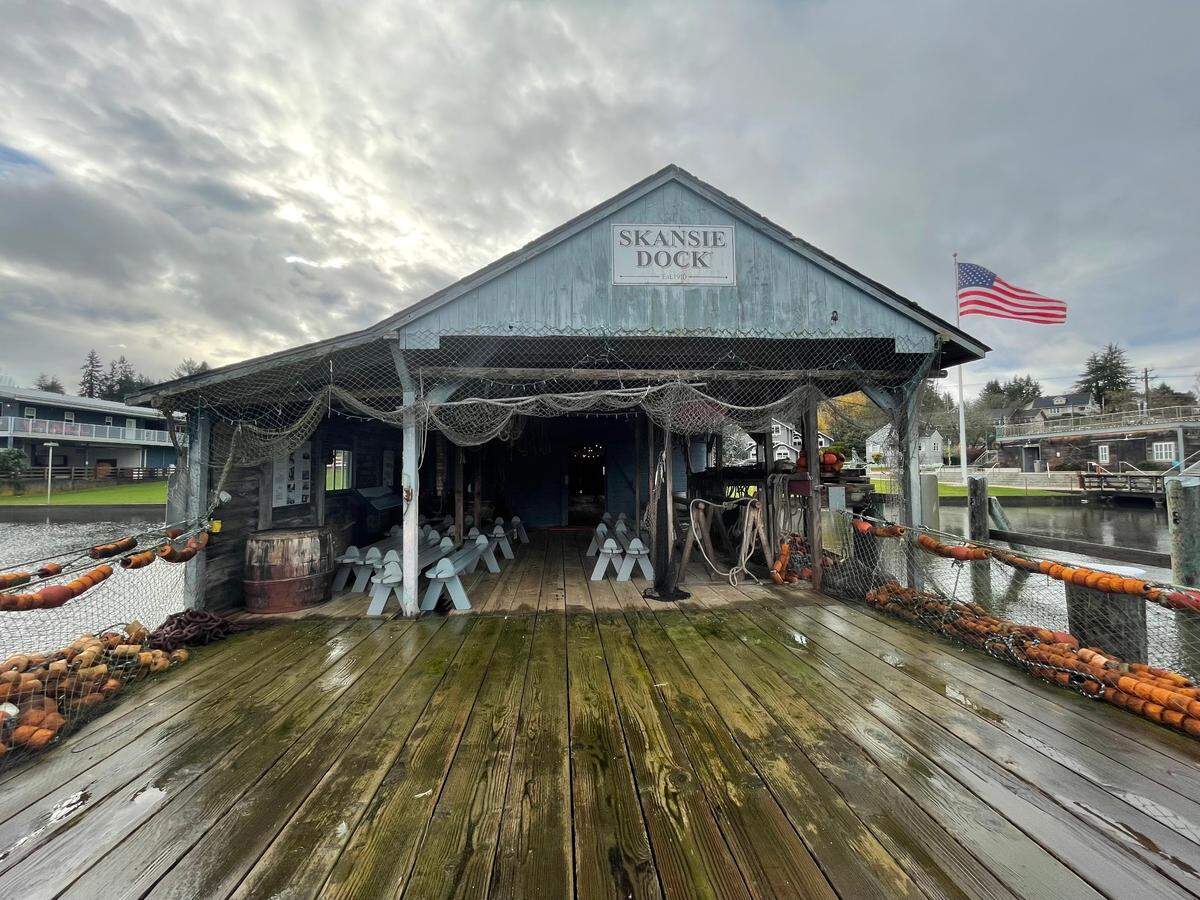
“Together, the Skansie brothers developed a shipyard,” according to the Skansie Netshed Foundation website. “... The Skansie family would fish in the spring and summer and build boats in the winter.”
Peter and Andrew became commercial fishermen. Mitchell and Joseph became shipbuilders.
Mitchell and Joseph founded their shipbuilding company in 1912, according to historylink.org. The Skansie Shipbuilding Company was formerly located at 3207 Harborview Dr., where they built fishing boats and ferries.
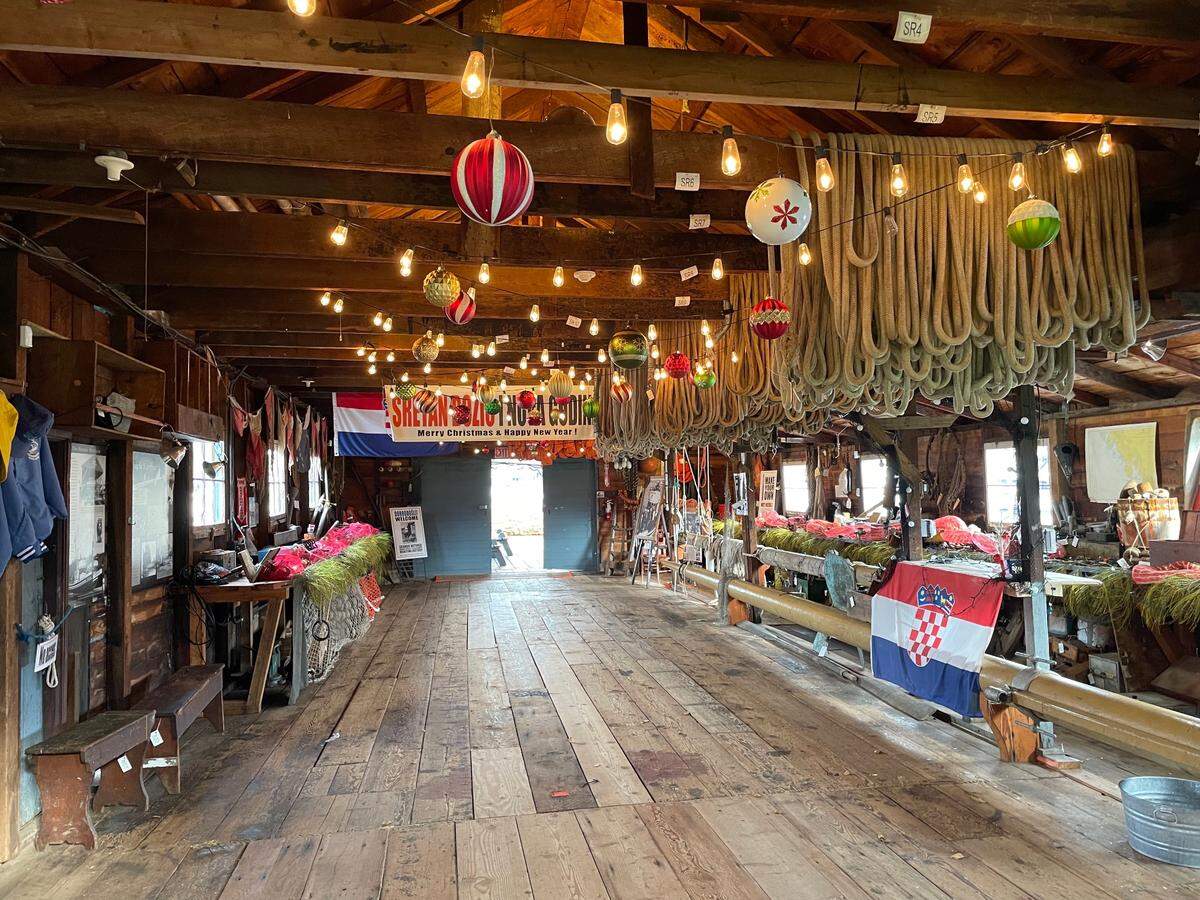
Just a few doors down at 3211 Harborview Dr., Peter and Andrew were in the netshed repairing nets and preparing for fishing trips. The netshed was later passed down to Andrew’s sons, Anton and Vince.
“Anton and Vince never married or had kids,” Stanton said.
They maintained it up until the city purchased it in 2002.
Before Anton and Vince passed in 2001 and 2002, their family wanted the netshed preserved. That’s where volunteers, like Stanton, with the Skansie Netshed Foundation come in.
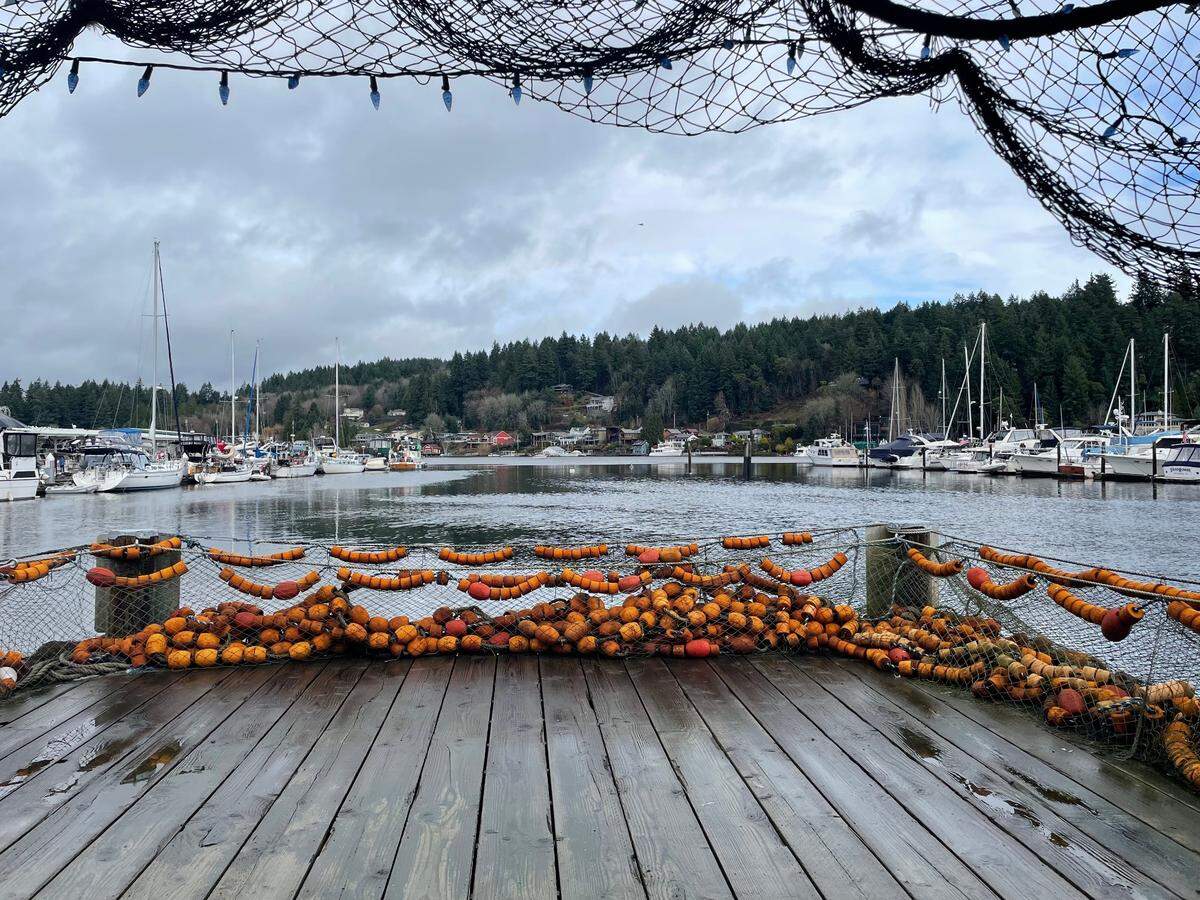
“The Skansie family negotiated and sold it to the city,” Stanton said. “They wanted to preserve the open space, on land and water, for the community.”
Out the back of the Skansie Netshed is where boats would line up for the Blessing of the Fleet.
Skanie Netshed Foundation volunteers maintain the displays inside the Skansie Brothers Netshed.
Its walls are lined with historic information about the property and tools you’d find in a traditional netshed.
Volunteers open up the Skansie Netshed during the summer for anyone to walk in, see, smell, and learn about the history.
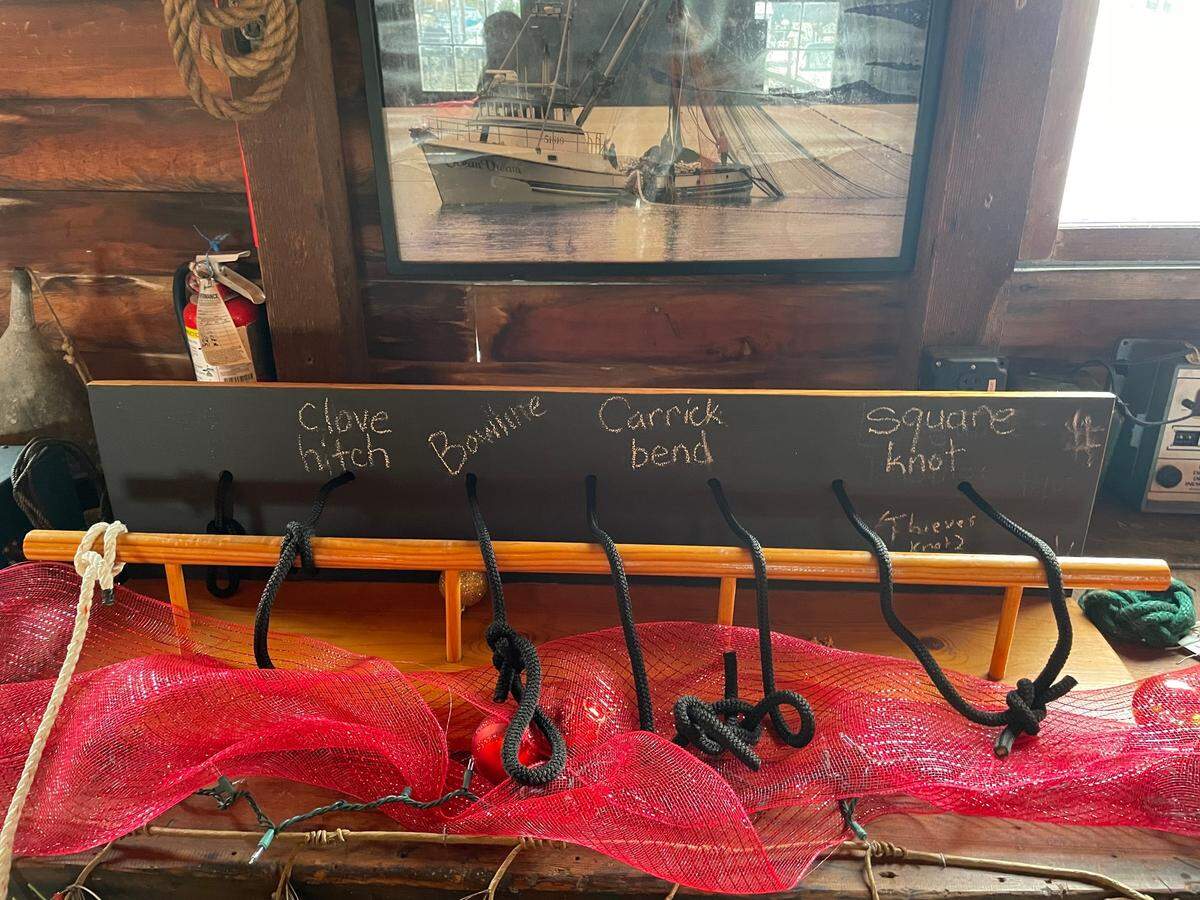
Visitors can walk around the space, enjoy the view, and learn to tie proper traditional knots.
Netshed turned boat hotel
Spiro and Julia Babich purchased property in Gig Harbor in 1934. The same year Spiro built a family house, a garage, a netshed, and a dock on the property.
Spiro built a second netshed in 1941, according to the Skansie Netshed Foundation website.
Before Spiro passed, he left the property to his two sons, Paul and Peter.
Paul got the house and the original netshed. He later sold the house and netshed to Wes Rickard around 1971, according to the Skansie Netshed Foundation website.
“It’s now owned by a man who primarily lives in South Carolina,” Brad Bailey, the current owner of the second netshed told the Gateway Dec. 5. It’s also where a very famous boat is docked, The Nighthawk.
“At young as 8 years old, I can remember it going out for herring in the middle of the night,” said Bailey, who is now 62. “It used to be docked on the other side of Tides Tavern, and the guy who operates it today is the great grandson of the guy that originally was the fisherman on it.”
Peter got the second netshed and later passed it down to his son, Randy Babich.
Eventually Randy sold it outside of the family, to Joe Pont. Pont sold it to Brad Bailey and his wife Michelle.
It’s now named the Babich Bailey Netshed. It’s located at 2913 Harborview Dr.
The Baileys have since turned the netshed into a personal entertainment space for friends and family to gather. They also offer it up for community events, he said.
If you look around the netshed, you’ll see evidence of the fishermen who used it.
“Every knot had to be tarred,” Bailey said. “You can see spots on the floorboard of where fishermen were laying nets out and placing tar.”
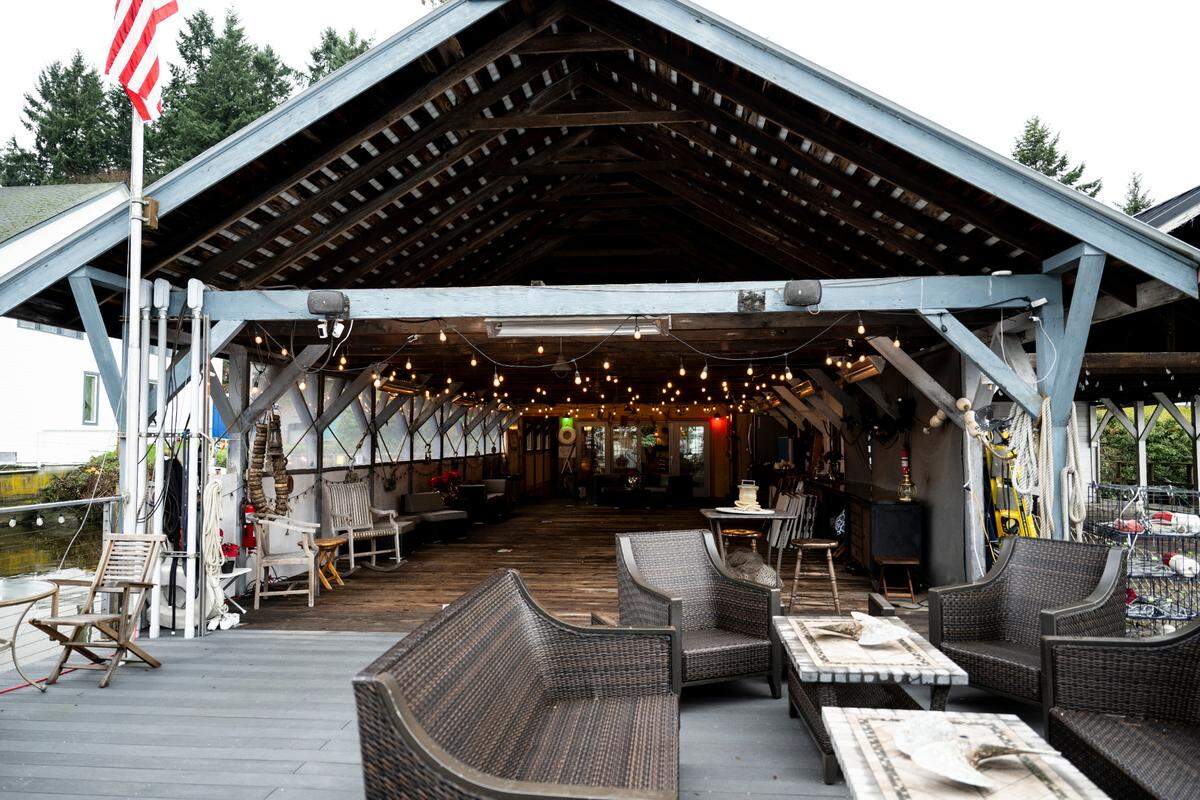
They watch the annual Lighted Boat Parade from the dock, he said.
The Baileys are waiting on a permit to rent out the netshed for private events.
Down on the attached marina, the Baileys have five live-aboard vessels docked. Each is available to rent for overnight stays on Airbnb.com.
Four of them are owned by Brad and Michelle Bailey. One is owned by their daughter and son-in-law.
For the first several months they had the property, the Baileys looked for boats to buy. They wanted interesting and classic boats.
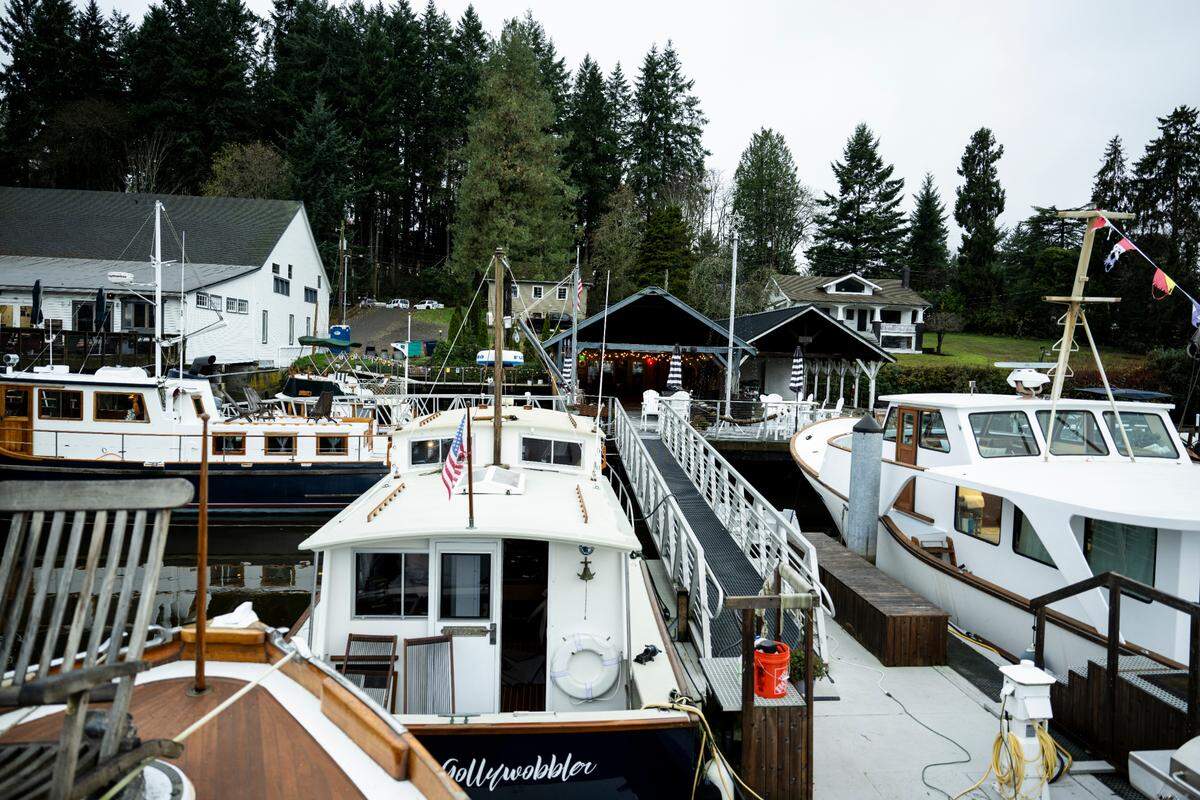
Hotel guests walk through the netshed to get to the marina, but most of the netshed area is off-limits for guests.
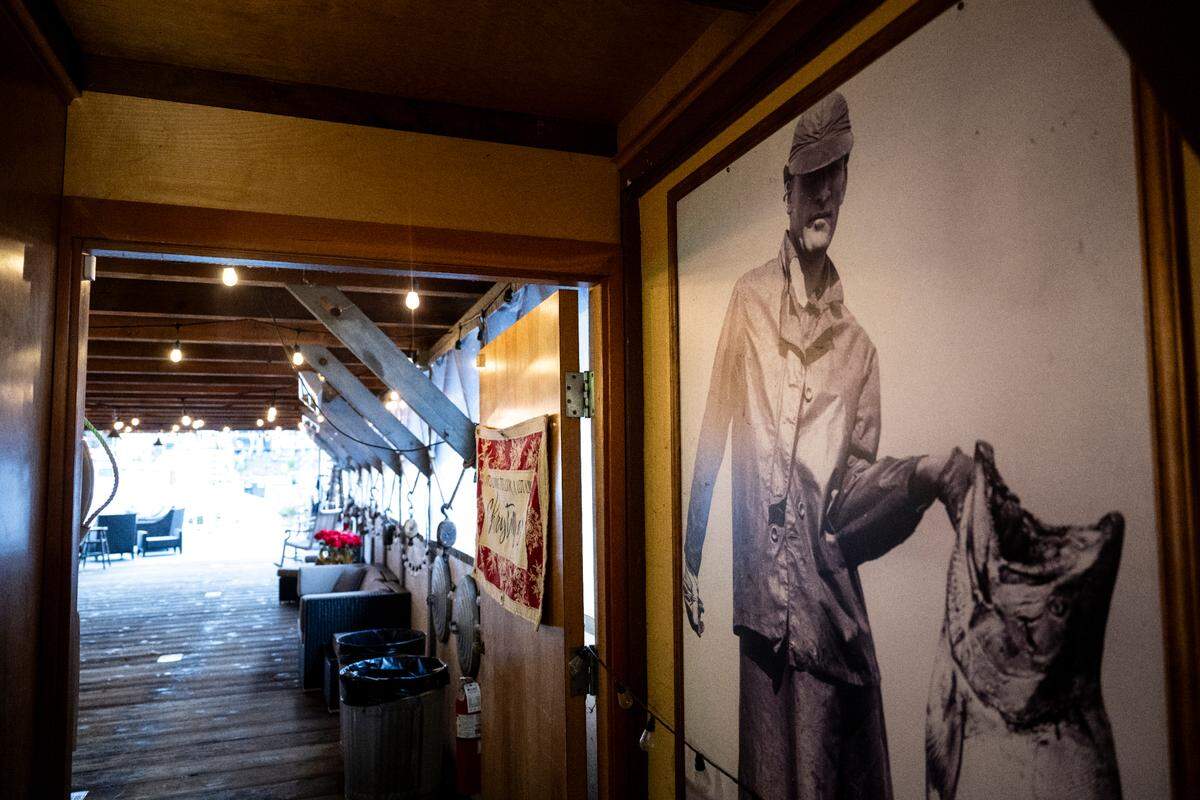
Guests have access to kayaks that they can take out on the water and a barbecue grill on the dock. The boats stay docked at all times.
Each boat also has some type of rooftop patio space where guests can sit and enjoy the view.
The Shamrockin’ is the smallest boat at the marina. It’s a green 34-foot boat that sleeps four. It has two bedrooms and one full bathroom.
There are two blue boats at the marina, the Blue Goose and The Gollywobbler.
Blue Goose is a 46-foot boat that sleeps four. It has two bedrooms, one full bath and one half bath.
Bailey said Blue Goose is a Monterey clipper boat from Monterey, California.
The Gollywobbler, is a 38-foot boat. It only has one bedroom, but the living room has a table-bench feature that can be turned into an additional sleeping space if needed. It has one full bath.
The Lyla is a white 53-foot boat that was built in the Pacific Northwest in 1968. This boat is the one managed by the Bailey’s daughter and her husband.
They bought it directly from John Fluke Jr. of Bellevue. His father, John Fluke Sr. invented the Fluke multimeter.
“A digital multimeter is a test tool used to measure two or more electrical values — principally voltage (volts), current (amps) and resistance (ohms),” according to the Fluke website. “It is a standard diagnostic tool for technicians in the electrical/electronic industries.”
It can sleep five people and has two bedrooms. The living room also has a table-bench feature that can be turned into an additional sleeping space if needed.
It has one full bath and one half bath.
Bailey said The Lyla is the most popular boat booked.
The 78-foot Linmar is the marina’s largest boat. It’s a classic wooden yacht.
It was built in 1932 for a guy named John Marlin. Marlin started the Marlin Firearms Company. It was one of the leading machine gun production companies before World War I, Bailey said.
“They were one of the wealthiest families in the United States at the time,” Bailey said. “This boat is a piece of American history.”
The Marlin family used Linmar as their family boat. They lived in New York, but would take the boat all along the east cost from Canada down to the Bahamas, Bailey said.
The Linmar eventually sold to a man in San Francisco. It also went through the Panama Canal. The boat was then used for charters. You’ll see some of its features align with a charter boat, such as the “galley” kitchen and the lower crew quarters with bunk beds.
The Rolling Stones, Elton John, Heart., and a few former presidents have spent time on Linmar, Bailey said.
In 2005, an electrical fire destroyed most of the boat while it was in San Francisco.
“There was a guy who was about 30 years old working as an engineer on a cruise ship,” Bailey said. “He was getting off the cruise ship and he saw Linmar burned, windows had been blown out. But, he fell in love with it and the insurance companies practically gave it to him.”
Bailey said the man spent the next five years of his life completely rebuilding Linmar.
Now Linmar is retired at the Babich-Bailey Netshed and available for guests to enjoy.
Bailey said they bought it for $750,000 and have put in about $1 million of renovations. It has five bedrooms and sleeps 12 people.
It has two large dining rooms for families to gather around the table and eat together.
The kitchen has been remodeled to give it a more modern look. There’s a double oven and the boat’s original fridges.
One of Brad Bailey’s favorite features is the sun room that offers almost a 360-degree view of the harbor. The room is lined with windows that guests can open.
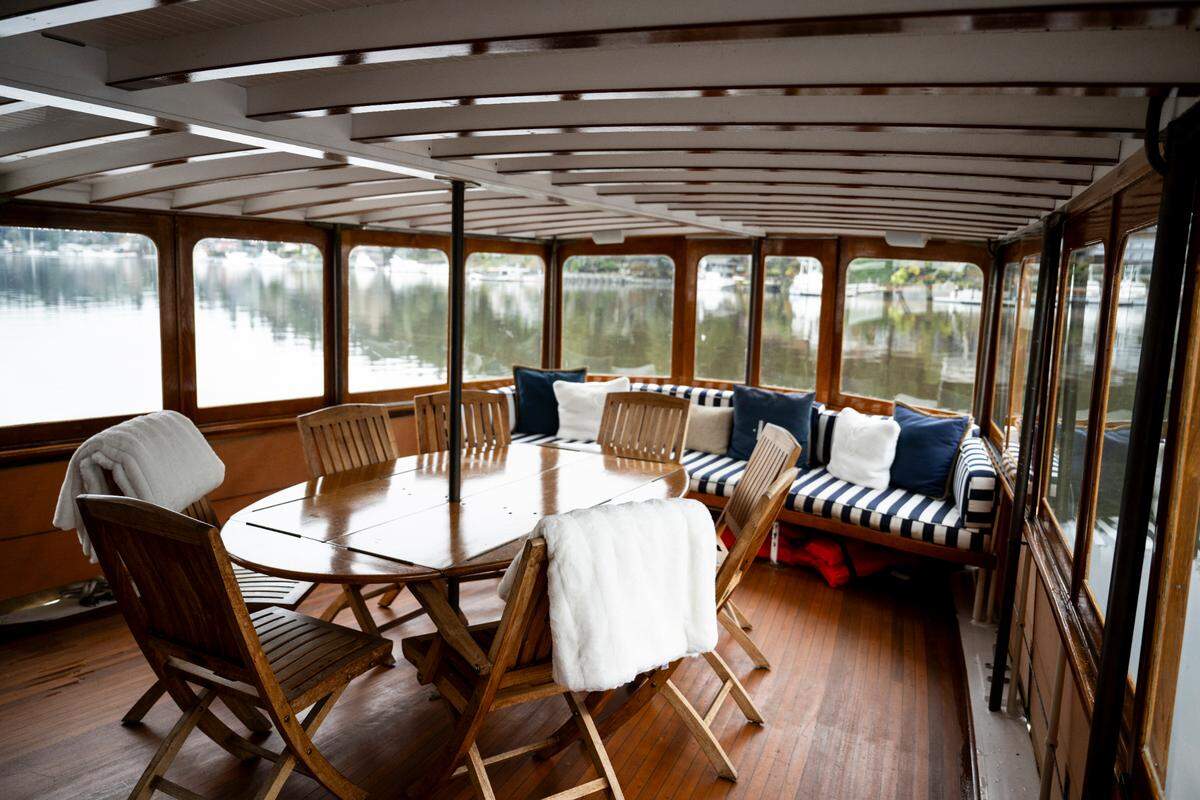
“During the summertime here in the harbor, it’s covered with kayakers and paddle boarders,” Bailey said. “You’ll likely see some seals swimming around.”
The Baileys have been brainstorming an annual Netshed Crawl event, where participating netshed owners can open up their netsheds for the public to visit.
Netshed opens for public use and dock space
The Ancich Netshed and pier at 3589 Harborview Dr., formerly known as the Ancich Brothers Netshed, was built in 1920 after “Croatian immigrants Peter and Katie Ancich purchased the property from John Novak,” according to the city’s website.
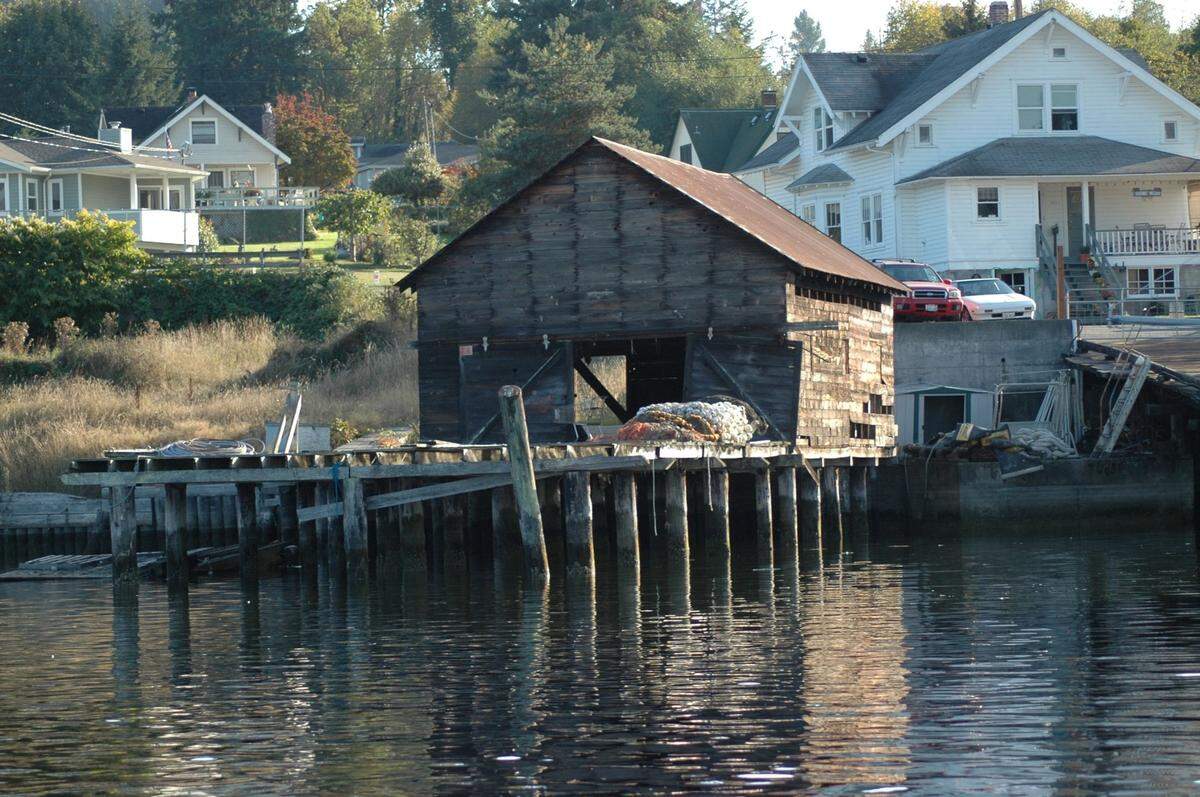
Peter Ancich Sr. later passed the netshed down to his son Peter Ancich Jr., who rebuilt the netshed in 1950, according to the Skansie Netshed Foundation website.
Peter Ancich Jr. and his brother, Joseph Ancich, worked on multiple fishing boats together.
Peter Ancich Jr. later passed it down to his nephew, John Ancich Jr.
“John’s son, John Jr. ran the Heritage — the last boat to be tied at the Ancich Brothers dock,” according to the city’s website. “John Jr. died tragically when the Heritage ran aground in 2001. John Sr. died shortly after and the estate sold to private developers in 2005.”
The city of Gig Harbor purchased the waterfront property and netshed in 2012. The property has turned into a public park and the netshed has since been restored by the city, allowing public access for commercial fishermen to use the shed to dry, repair and maintain their nets.
Hoppen also has keys to the Ancich Netshed.
“The Ancich netshed is empty and is not available for gear storage as it is available to all local fishermen to actively work on nets and gear,” Hoppen said. “There’s not room for permanent storage of gear and nets by multiple fishermen.”
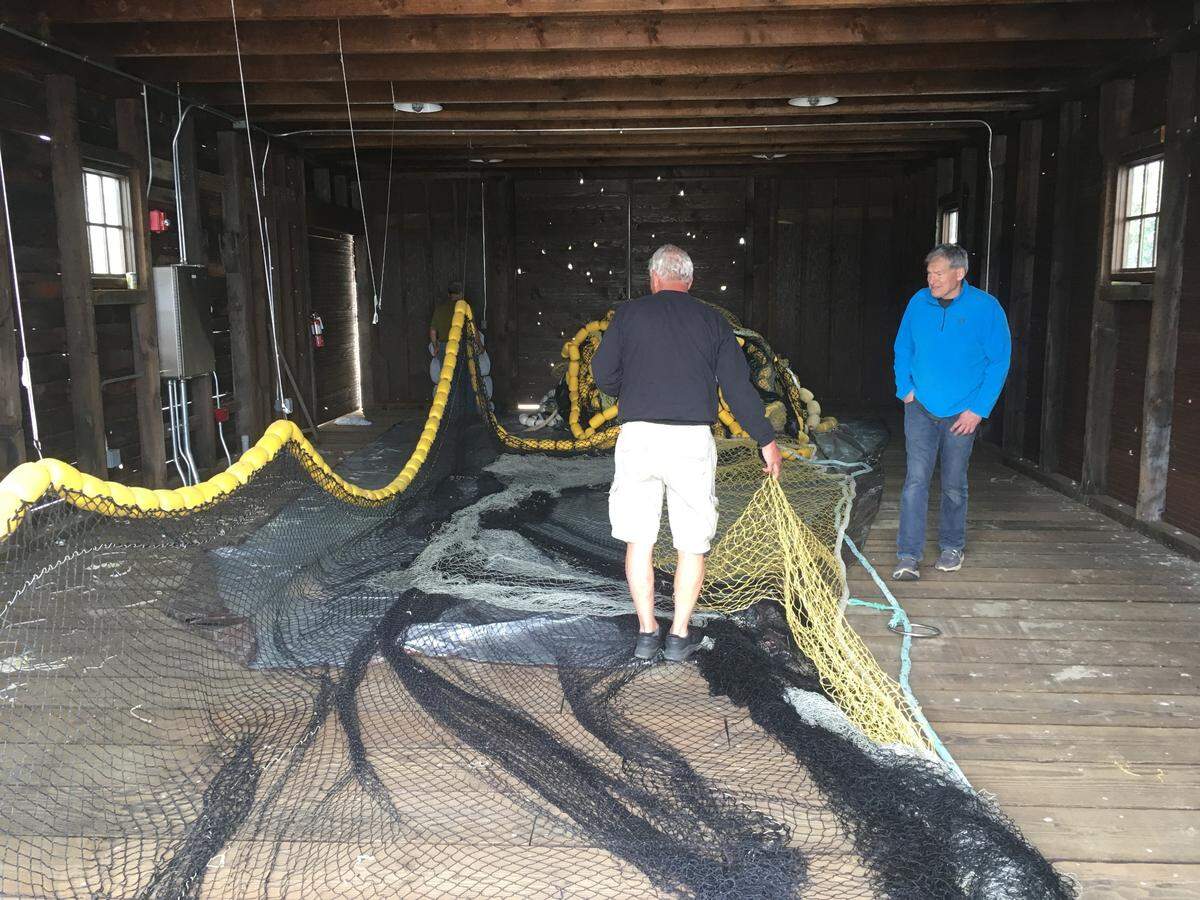
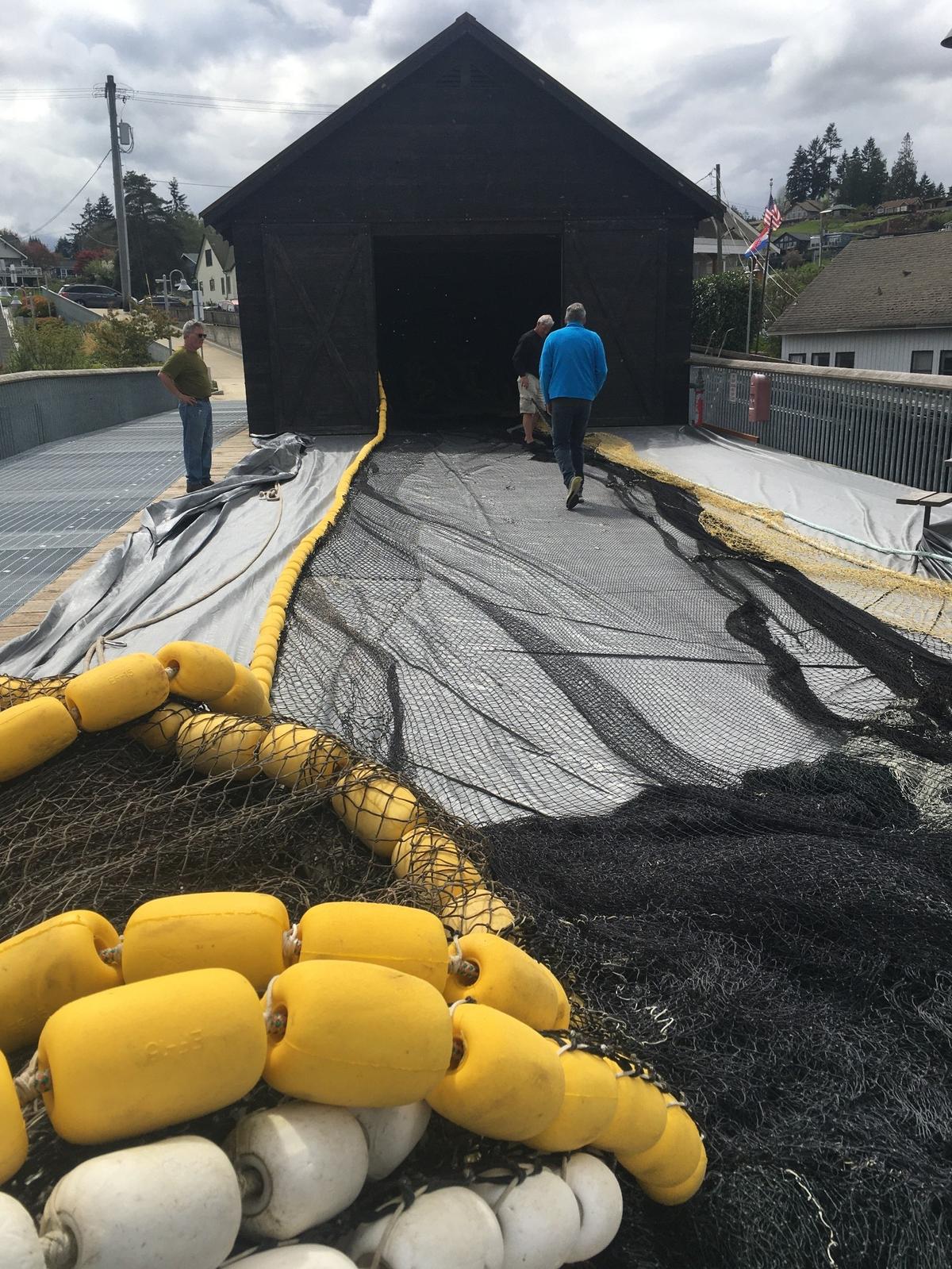
Hoppen said the BoatShop has held commercial fishing training inside the Ancich Netshed.
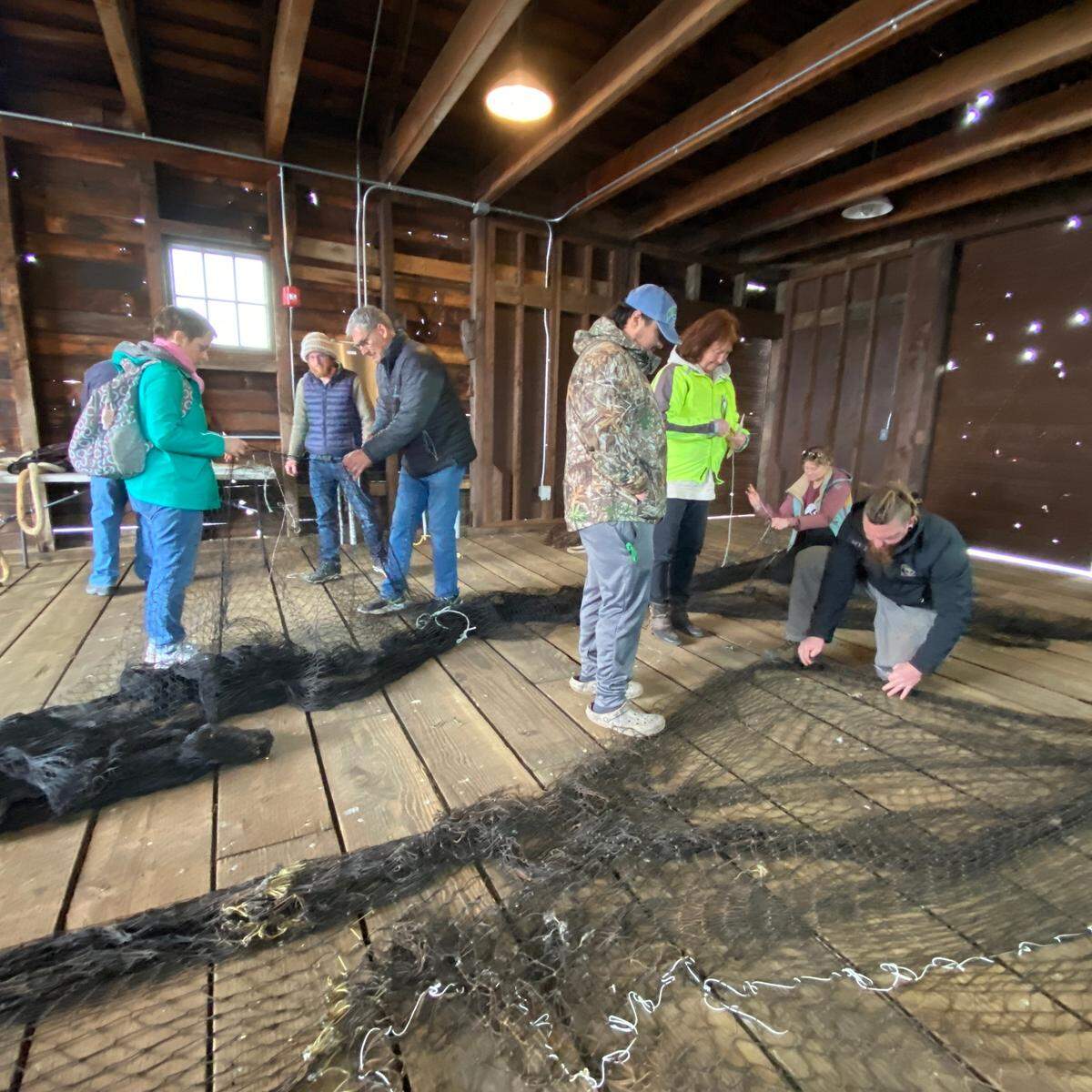
The next step is to provide additional dock access to commercial fishermen, Jeff Langhelm, public works director for Gig Harbor, told the Gateway.
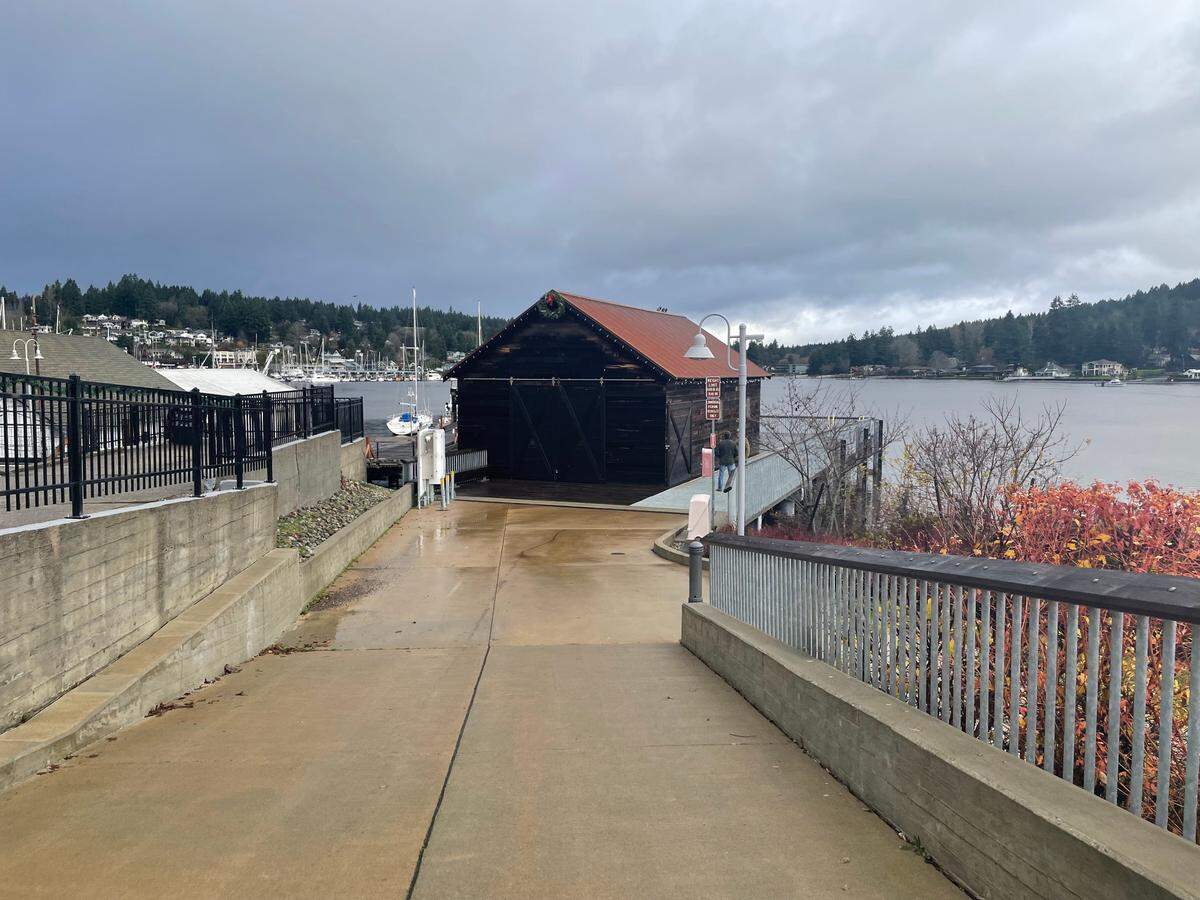
The design is for a Homeport Facility float system that would have space for 17 fishing vessels. It would be built onto the existing pier at Ancich Park.
The city is trying to finalize federal permitting, Langhelm said.
Currently, construction of the Homeport Facility is estimated to cost $3.5 million, Langhelm said. The cost could increase if additional mitigation is required by federal agencies, he said.
The city of Gig Harbor has funding commitments from the Port of Tacoma ($150,000) and the Gig Harbor Commercial Fishermen’s Club (proposed at $200,000).
“The city continues to confirm other funding sources to pay for the entire construction project,” Langhelm said.
Asked when they city hopes to finish the project, Langhelm said the next possible construction window, due to salmon habitat requirements, “is July 2024 through February 2025, but it highly depends on federal permit approvals.”
When asked why something like the Homeport Facility is needed, Hoppen said finding “commercial fishing vessel moorage everywhere is difficult and fishermen always run into waiting lists.”
“Gig Harbor, like all small ports and waterfront communities nationwide, is losing working waterfront,” Hoppen said. “Once a boatyard, or a fuel dock, or a commercial fishing-family property is lost, it’s nearly impossible to recover that working waterfront use. Why? Escalating property values, difficulty in permitting, and while community planning language strongly supports working waterfront use, that language allows for a use but doesn’t require that use.”
Hoppen said “Gig Harbor is the only community that we know of on the west coast of the U.S. or Canada that continues to rely on private properties for commercial fishing vessel moorage.”
He said the Gig Harbor Homeport Facility is a public facility, like Fishermen’s Terminal in Seattle or Fisherman’s Wharf in San Francisco. All three are smiliar “in that they showcase active fishing culture yet the (Gig Harbor) Homeport Facility would do so on a vastly smaller scale.”
It’s “the last best hope to retain a place defining tradition in a community that was defined (by) commercial fishing culture,” Hoppen said.
Editor’s Note: This story has been updated to correct the drying process of cotton nets, give an accurate number of how many active netsheds and fishing docks are left in Gig Harbor, and properly explain the Skansie family wishes.
This story was originally published December 19, 2023 at 5:00 AM.