Google asked 15 North American teachers to explore AI. Three are from Pierce County
Some have fears about artificial intelligence in the classroom.
Will students use AI to cheat? Will they use it as a crutch?
Not generally, teachers in the Peninsula School District told The News Tribune.
“You’re always going to have the kid who’s tired and (uses it for) that quick essay, right?” said Heather Whyte, who teaches social studies and technology at Harbor Ridge Middle School. “But for the most part, kids really do want to learn.”
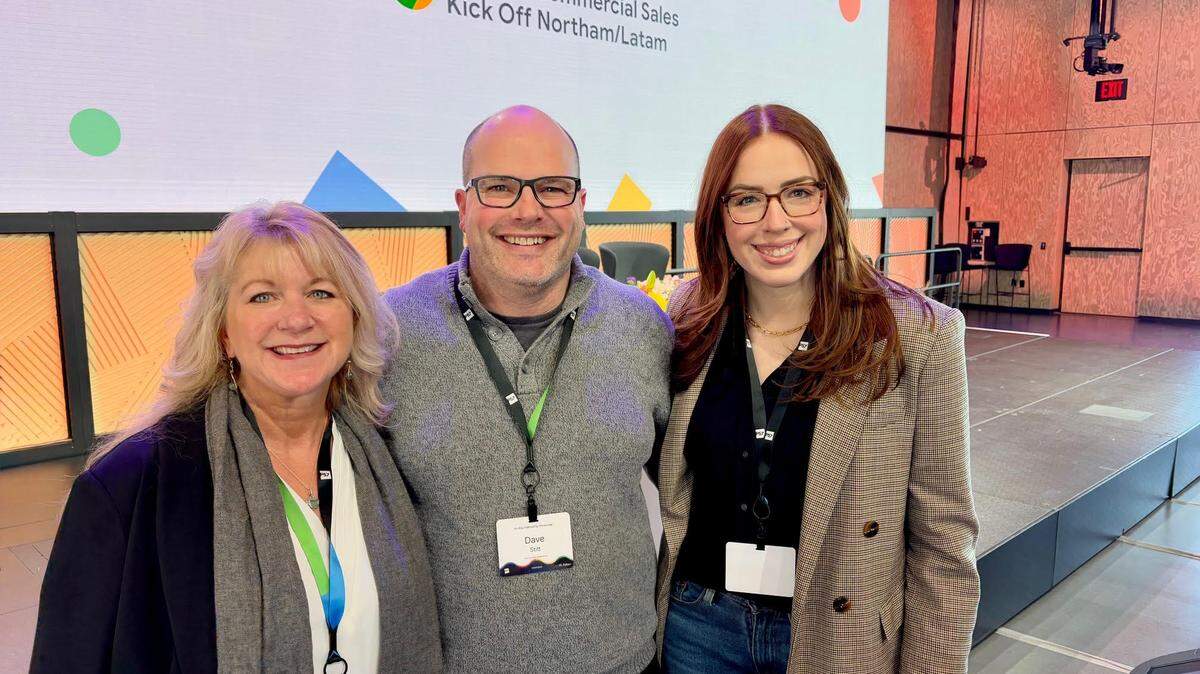
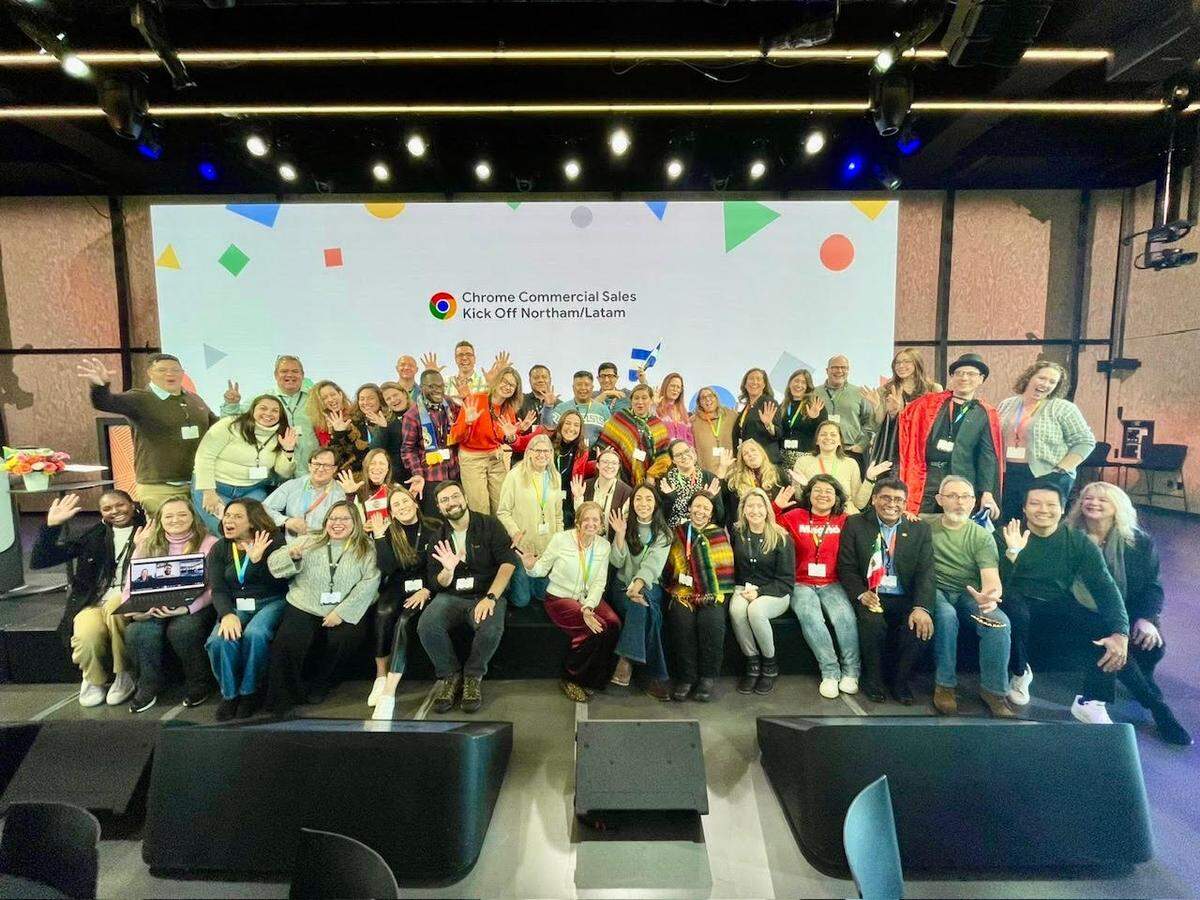
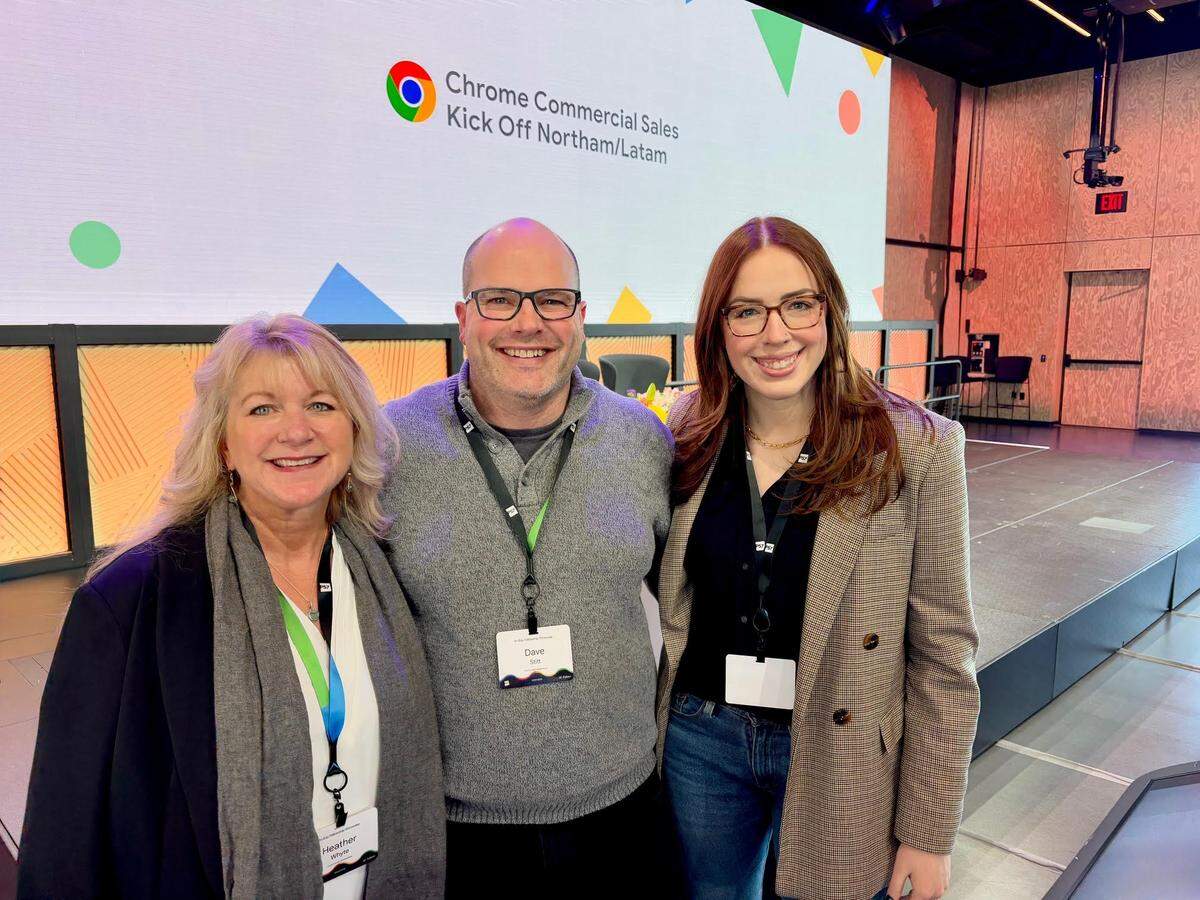
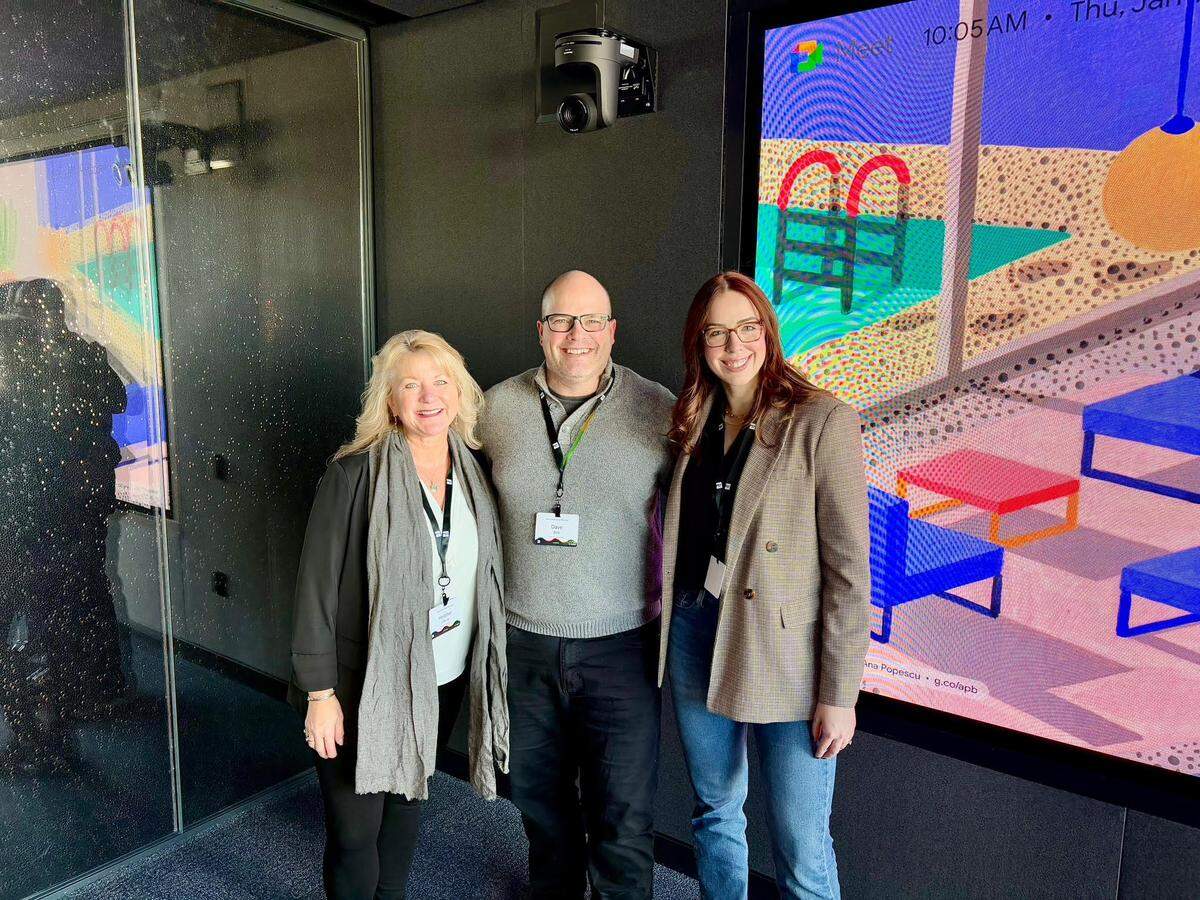
Whyte and two other Peninsula School District educators, Dave Stitt and Kayla Frank, were chosen to participate in a fellowship with Google to explore AI in education, out of 15 total selected from North America. They were the only teachers selected from Washington state, and presented their projects to Google employees in New York Jan. 8-10.
The Peninsula School District’s philosophy on AI in education is available with FAQs on their website, and has been referenced in statewide guidance on AI in K-12 public schools. The district was also one of three districts nationwide to receive the 2025 Innovative Technology Integration Award, recognized at a ceremony in Washington, D.C. for their efforts to integrate technology in education and “prepare students for an AI-driven world,” according to a district announcement on Feb. 4. The award is from the Center for Digital Education and the National School Boards Association.
The News Tribune spoke with district officials and the three educators accepted to Google’s AI+Edu fellowship about how this rapidly advancing technology is working in their schools.
It’s not ‘all or nothing.’
To Stitt, a Peninsula High School chemistry and physics teacher, AI in the classroom doesn’t have to be “all or nothing.” There are times when AI is appropriate to use, and times when it’s not — just like using a calculator isn’t always appropriate when students are learning basic arithmetic, he said.
Prior to the fellowship, he was already training his students to create different chatbot versions in Google Gemini to act as a “personalized tutor,” Stitt said. Given the right prompts, the generative AI chatbot can answer questions and provide help so they don’t have to wait until Stitt is done helping another student.
“It’s really focused on getting the students to learn rather than getting the students to complete their homework,” he said.
Over the course of the fellowship, Stitt had his students use both Gemini and another tool called NotebookLM, which can draw out themes from given documents, to research a renewable energy resource. They loaded five academic research papers into NotebookLM to find themes across the complex texts and then used Gemini to help them understand their findings. They also used Gemini to generate a picture of what a future adoption of this renewable energy resource might look like.
AI allowed his students to work with more complex material more efficiently, according to Stitt.
These tools “turned my students from struggling with the mechanics of a project to becoming an editor of the way they wanted to be presented,” Stitt said.
A time-saver for teachers
While all three teachers have used AI in the classroom, Whyte and Frank focused their Google fellowship projects on helping teachers and administrators free up time in their schedules.
Frank, who started her fellowship as a social studies teacher at Kopachuck Middle School and is now the interim assistant principal, used NotebookLM to generate personalized feedback for students after feeding NotebookLM pieces of students’ work along with a rubric. Given the right prompts, NotebookLM came up with strengths and weaknesses for each student to work on, she said.
“That’s one of the main things that teachers talk about, is like we want to give students feedback, meaningful feedback, quickly, but it takes a lot of time on top of planning and communicating ... and all of the things that we’re asked to do on a daily basis,” Frank said.
She also found ways to help administrators speed up the process of evaluating teachers based on state teaching guidelines by feeding NotebookLM their observation notes.
For her project, Whyte invited teachers to five-minute sessions on Wednesday mornings to learn how to use Gemini to save time on administrative tasks, like writing goals aligned with state teaching guidelines. She collected this information into a website teachers could refer back to.
“My teachers took a survey at the beginning of my sessions about how much time they spent doing these things, crafting emails to parents, all of those things,” Whyte said. “. . . at the end of it, there was a significant amount of time saved using the advice that I had given in each of the categories that we had gone over.”
Encouraging conversations
Frank said it seems like social media was ignored when it was first coming out. Snapchat came out when she was in high school, she said.
While she believes skepticism of new technology is healthy, kids will use it whether or not they’ve been taught how, Frank said. Using AI in the classroom and talking about it opened up opportunities for students to ask her when it was appropriate to use it.
“It’s really getting them on board with the ‘why’ behind what we’re teaching, why it matters to them, why it’s important to them,” Frank said.
Mel Benner, the district’s innovation and education technology coordinator, said that the district as a whole is focused on preparing students for post-high school careers. Now that AI is in the workforce, it’s important that the district does its “due diligence to bring it in in a realistic, ethical and structured way” to prepare them for their futures, she said.
District spokesperson Danielle Chastaine added that the district has taken a “balanced approach” to technology, encouraging teachers to get creative with AI but also implementing a cellphone ban and blocking social media sites at school.
“We can either show them how to use it, and teach them how to use it ethically and how to be good digital citizens, or they’re going to go find it themselves,” Chastaine said. “. . . It would be much better for them to have role models who are embracing this technology and showing them the right way.”
This story was originally published February 5, 2025 at 5:00 AM.