Do Good to Go! toll passes expire? Here’s why WSDOT says some of them stop working
Good To Go! passes are like medicine, pantry staples or electronics — they have a shelf life.
At some point, they need to be replaced. But you might not know exactly when.
The Washington State Department of Transportation charges tolls on various roads and bridges in the state. A Good To Go! pass allows drivers to pay tolls electronically without having to stop at a toll booth or pay by mail, and offers the lowest toll rate — $4.50 for a two-axle vehicle on the Narrows Bridge.
Some Gig Harbor-area drivers are frustrated that WSDOT doesn’t give them notice of when their pass might be expiring or is no longer working.
Gig Harbor resident Paul Sarsfield told The News Tribune in a direct message on social media that his wife drives across the bridge four days a week. She has a Flex pass, which costs $15 plus tax and snaps into a plastic clip designed to stick onto the inside of a car’s windshield. Other Good To Go! passes include a $5 sticker pass, an $8 motorcycle pass and a $12 license plate pass that attaches to your license plate with screws, according to the Good To Go! website.
After about 12 years, her pass stopped working last month, Sarsfield wrote. Not knowing why, Sarsfield filed a dispute with WSDOT and was refunded the additional 25 cent charges his wife received each time the Good To Go! toll reader failed to detect her pass and took a picture of her license plate to bill her account, via the “Pay By Plate” option.
After he kept seeing the extra charges appear, he contacted WSDOT again and was told to order a new pass. His wife is still being charged the extra 25 cents while they wait for the new one to arrive, he wrote.
Another frequent bridge crosser, Marcy Burns, said she’s consistently had problems with her Flex pass. She drives across the Tacoma Narrows Bridge three to five times a week for work and other appointments, and said she started noticing after she moved back to the Gig Harbor area in 2020 that the toll readers only detected her pass about two-thirds of the time.
Since then, she’s tried five different Flex passes, but the 25-cent charges kept appearing on her account, she told The News Tribune. She filed disputes with WSDOT and made a complaint to the state Office of the Attorney General, eventually getting over 50 individual 25-cent fees refunded. WSDOT representatives have told her the issue seems to be with her car, a Toyota RAV4, which is equipped with various sensors that may interfere with the pass signal, and said she needed to pay for a license plate pass instead of a Flex pass, she said.
Burns said it doesn’t feel right that she should have to pay for a more expensive pass because of problems she attributes to WSDOT’s tolling technology, and emphasized that many other people have the same type of car she has. She also said she feels the department’s public communication is lacking to remind customers to check their accounts regularly for unexpected charges.
Do Good To Go! passes expire? Why might they malfunction? The News Tribune spoke with WSDOT to find out and to learn what options are available if you spot surprise charges on your bill.
Do Good To Go! passes expire?
Chris Foster, communications manager for the WSDOT toll division, said in a phone interview March 13 that each Good To Go! pass has a three-year warranty. Generally, the passes last for longer than that, but WSDOT suggests that drivers treat their toll account like a credit card account: something you check regularly.
“We recommend drivers, account holders to check their account once a month or so just to make sure that their pass is working correctly,” Foster said.
Several variables can cause issues with a Good To Go! pass, leading to an extra 25-cent processing fee to read a vehicle’s license plate, according to Foster. A pass might not be installed properly or might just need to be replaced because of its age. Metal in a vehicle’s windshield, which he said sometimes happens with cars equipped with heated windshields, driver-assistance technologies or other modern features, can also interfere with the pass’s signal.
WSDOT doesn’t tell you if your pass is about to expire or stop working, but customers can login into their Good To Go! account and review their transactions, where they can see if they’re being charged the extra 25 cents for each trip, according to Foster.
WSDOT also sends out a monthly statement reminder telling customers that a statement of their transactions is available. The default is via email, but customers can opt in to get physical copies in the mail for an additional fee, he said.
The Good To Go! division has received 3,942 dispute cases in the last 12 months regarding 25-cent Pay by Plate fees, across all of WSDOT’s toll roads, Foster told The News Tribune via email Friday. They represent 0.07% of all Good to Go! pass transactions processed during that time period.
Lauren McLaughlin, another spokesperson for WSDOT’s toll division, clarified in a phone call on March 14 that these disputes included times when a customer’s pass became faulty and needed to be replaced and when a pass was improperly installed, among other situations when a customer’s pass wasn’t read and WSDOT charged them the extra 25 cents.
WSDOT recently replaced cameras and toll readers on Narrows Bridge
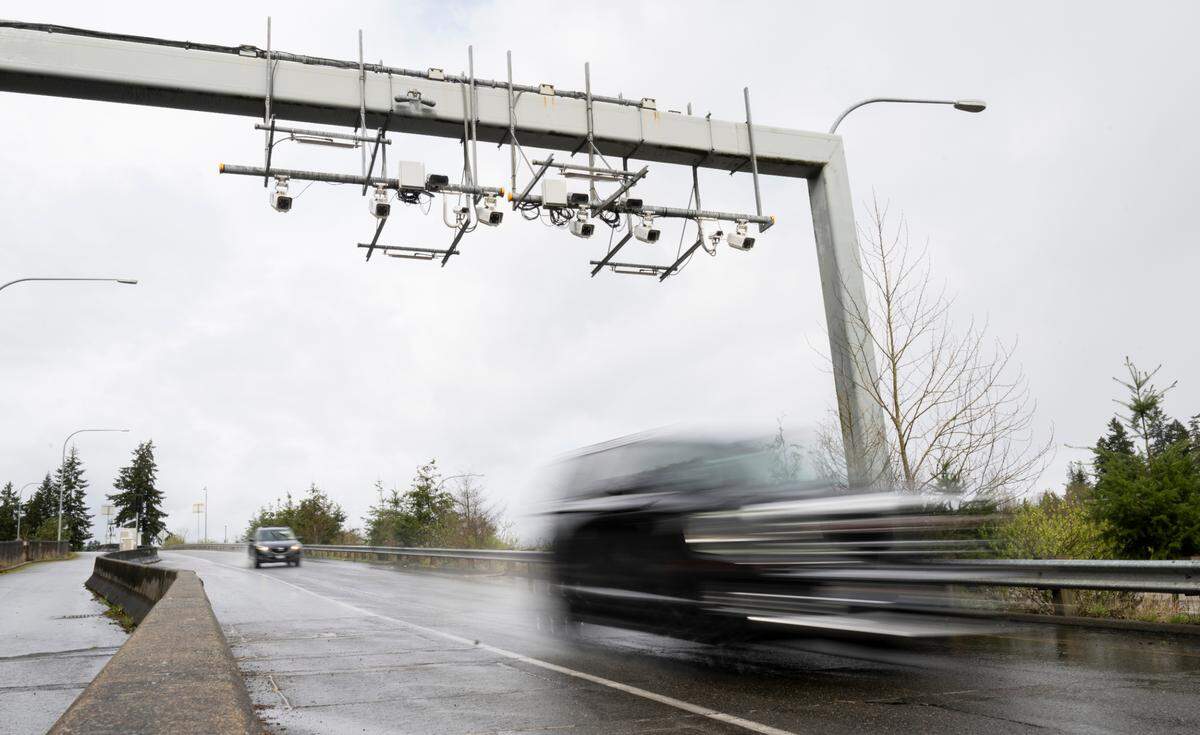
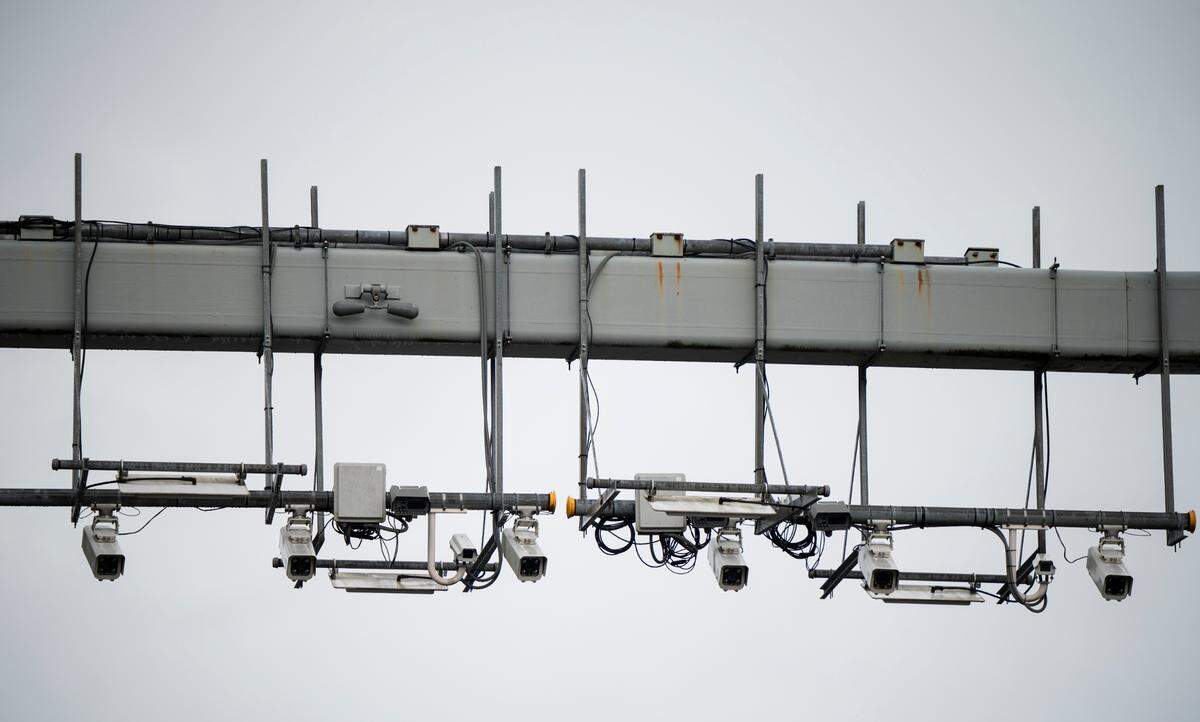
WSDOT replaced the cameras and pass readers on the Tacoma Narrows Bridge March 5, according to Foster. Prior to that, the old cameras and readers installed when the bridge opened in 2007 “did experience minor issues detecting passes on a consistent basis for a small percentage of customers,” he wrote.
Declines in revenue from the COVID-19 pandemic delayed the agency’s plans to replace the aging equipment, he continued. Leading up to the replacement, WSDOT offered refunds to customers who said they were charged an extra 25 cents and “strongly advised them to continue monitoring their account and contact (WSDOT) if they received additional fees,” he wrote.
WSDOT works regularly with a third-party vendor to maintain the bridge cameras and toll readers, according to Foster. Crews complete preventative maintenance on the cameras and pass readers at least twice a year, and the vendor uses real-time monitoring software to continuously check how the technology is working.
Foster added that WSDOT did notice that the new pass readers installed March 5 weren’t detecting certain Good To Go! passes, leading to an extra 25-cent fee for those drivers.
“We are correcting the issue and refunding the 25-cent charges, and will continue to monitor the new equipment to ensure it’s working properly,” Foster said.
What to do if you spot extra charges on your toll bill
Good To Go! account holders can dispute tolls and fees charged within 60 days of the transaction at mygoodtogo.com or by contacting the division’s customer service center, according to WSDOT’s terms and conditions for account holders.
If you need to replace your pass, you may be charged a replacement fee, the terms and conditions say. But if the customer service center finds your pass is defective, it “may be replaced free of charge within three years from the date of purchase.”
Foster said even if customers have charges they wish to dispute past the 60-day window, they should reach out to the toll division.
“We’ll work on it on a case-by-case basis,” he said.