Sinking yacht hauled away from this Pierce County bay. What we know
AI-generated summary reviewed by our newsroom.
- State officials removed a sinking yacht from Filucy Bay after fuel was pumped out.
- The vessel was taken into temporary custody due to possible safety or environmental risks.
- Efforts to identify the vessel's owner have been unsuccessful so far.
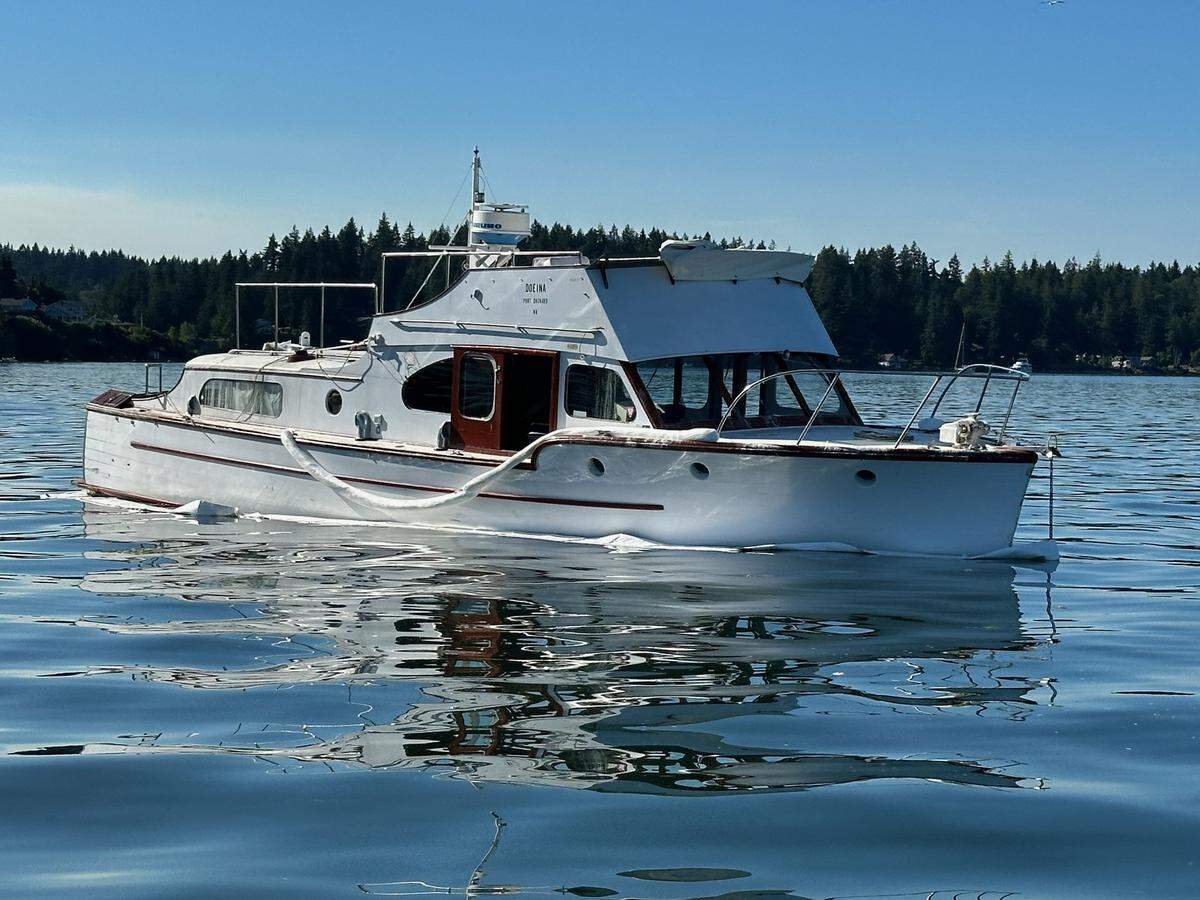
An abandoned yacht that was reportedly sinking into Puget Sound for a few weeks, sparking curiosity on social media, has been hauled away by the state Department of Natural Resources.
The department received a report about the vessel in Filucy Bay on June 27, spokesperson Zoe Love told The News Tribune. Photographs show the vessel taking on water, a scene that generated curiosity on the Key Peninsula and Puget Sound Boating Facebook groups. One post about the boat received 166 reactions and 77 comments.
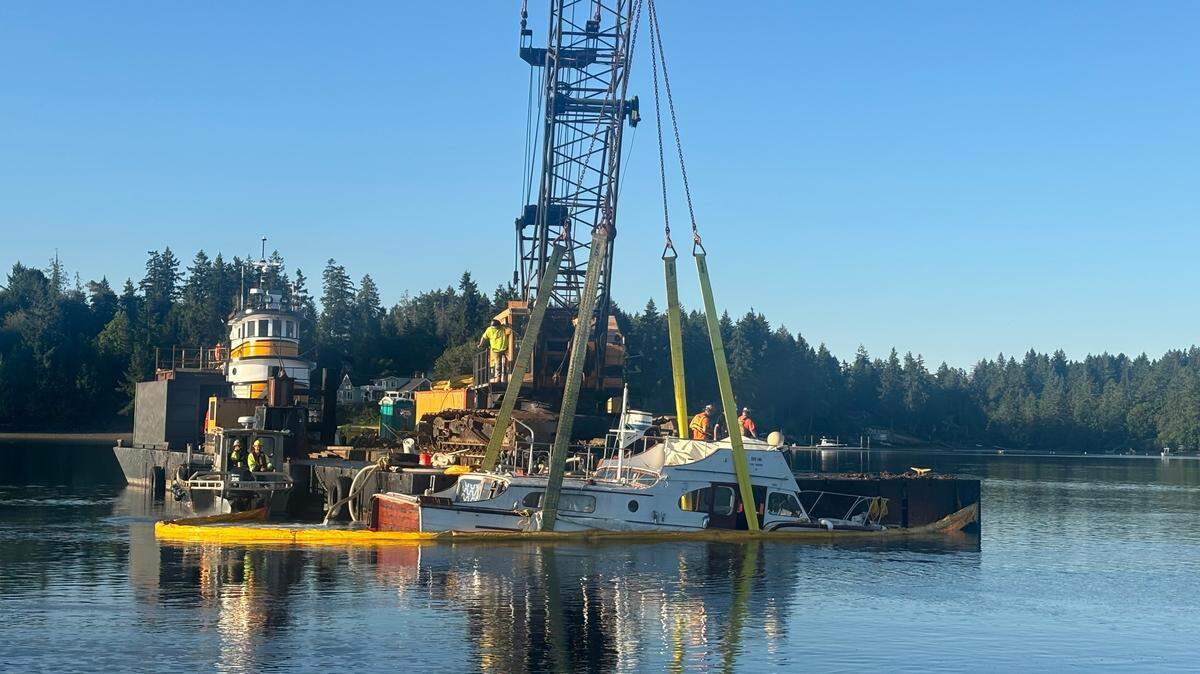
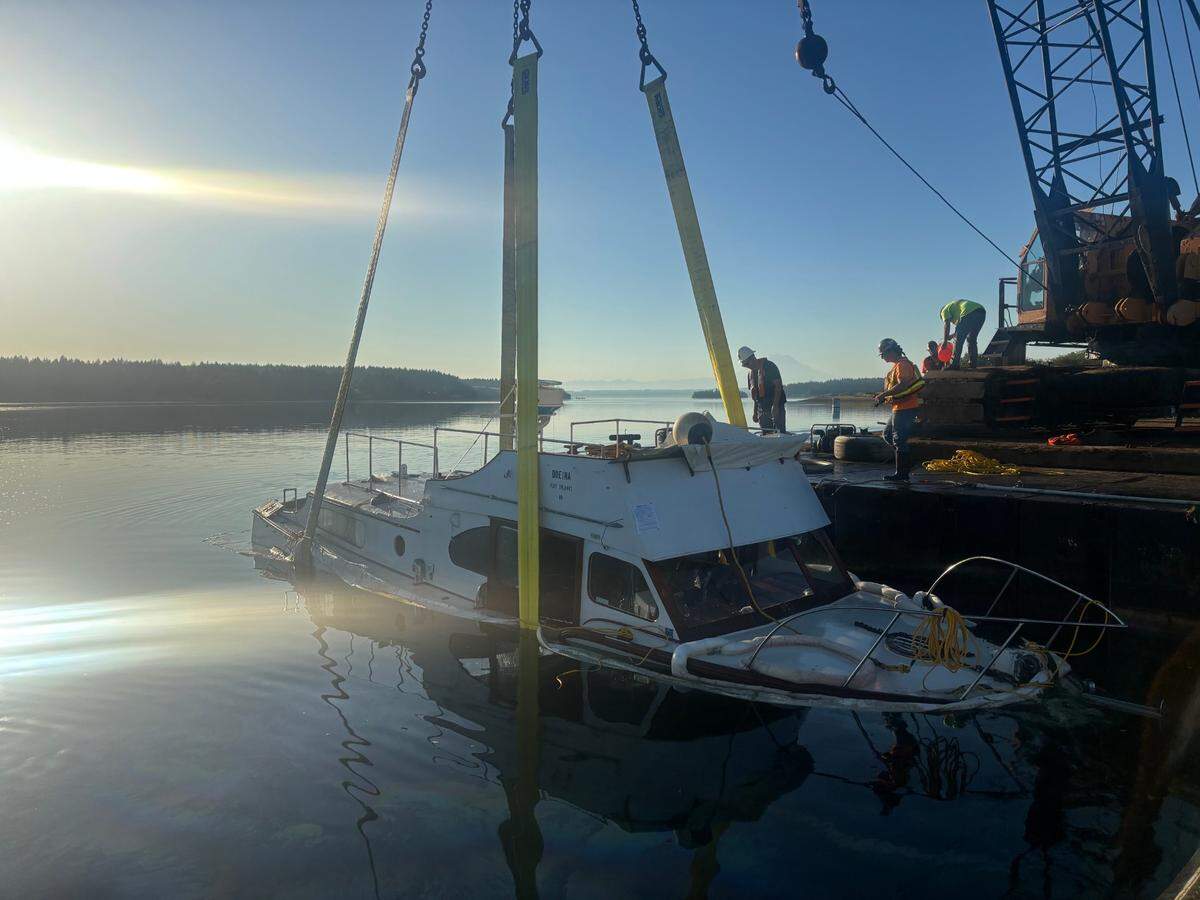
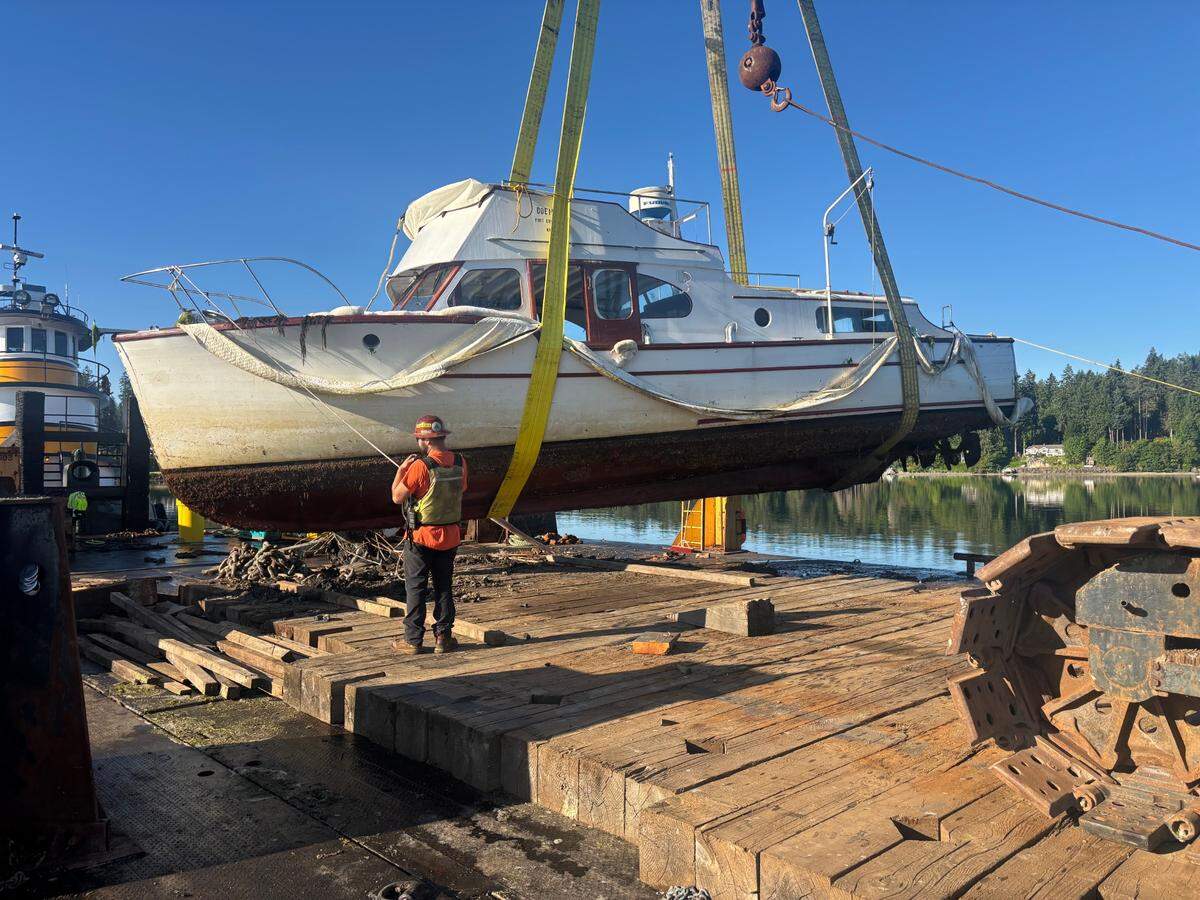
A contractor hired by the department hauled away the vessel on July 16, Love confirmed. Photos from the department showed the boat partially submerged in the water. She also said that the U.S. Coast Guard and the state Department of Ecology pumped diesel fuel out of the vessel prior to removal.
The Derelict Vessel Removal Program, under the Department of Natural Resources, manages the removal of sunken or neglected watercraft from the state’s waters, the department website says. It addresses both “abandoned” and “derelict” vessels, which mean different things under state law.
An “abandoned” vessel is one that remains in the same area (within a 5-mile radius), unauthorized by the owner, manager or lessee of the aquatic lands in that area, for more than 30 consecutive days or for more than 90 days in any 365-day period. The owner of the abandoned vessel is unknown, unable to be located or unwilling to take control of the boat, the law says.
A “derelict” vessel is one that stays on public or private property without authorization or against the governing rules, or has been left for seven consecutive days; and is “sunk or in danger of sinking,” is “obstructing a waterway” or is “endangering life or property.” The boat’s “owner is known and can be located,” according to the law.
The department took the abandoned vessel in Filucy Bay into custody under the “temporary possession” provision of state law, Laurel Schoenbohm, a natural resource specialist for the Derelict Vessel Removal Program, told The News Tribune. If the owner can’t be located or isn’t able or willing to take responsibility for the boat, and if the vessel meets certain criteria such as being “in immediate danger of sinking” and posing a risk to safety or the environment, the public entity can take the boat into custody temporarily.
The law says that a public entity seeking to address an abandoned or derelict boat must follow a sequence of steps to notify the boat’s owner and wait a period of days before taking action. The vessel in Filucy Bay now “waits out the custody period in a safe location, allowing the owner to come forth and reclaim it if they can pay costs incurred up to this date,” Schoenbohm wrote in an email.
Because the costs can “skyrocket” in cases where the department has to take temporary possession of a vessel, Schoenbohm said, the department uses that option cautiously. A number of factors can drive up costs, including how far away the vessel is from emergency-response resources, potential overtime needs and the availability of necessary assets to complete the removal, she wrote in a follow-up email. The department prioritizes vessels for removal based on many factors, including the vessel’s condition, size, proximity to navigation channels and more, according to the website.
“We always carefully weigh out costs for emergency responses, versus priority and threat of the vessel’s disposition, versus if the boat can wait a little if the pollution was removed and we can retrieve it through the normal custody route,” she wrote. “We take pride in finding the most economical solution to remove these threats.”
The department can track down a vessel’s owner in several ways, including looking up the Hull Identification Number or the vessel’s name or number recorded with the U.S. Coast Guard, Schoenbohm said.
“It’s sort of like having a car, and you have to look at the license plate ... to figure out who owned it,” she said.
Schoenbohm wrote on July 17 that the department has not been able to identify the vessel’s official owner, but if they had, they would mail a notice to the owner’s last known address per state law.
“If we find any other leads that can link the vessel to an official owner (HIN or USCG Documentation #), we would then notify them via an owner letter and other methods of the temporary custody action,” she wrote. “The only lead we currently had was with a registration sticker that did not turn up the correct vessel.”
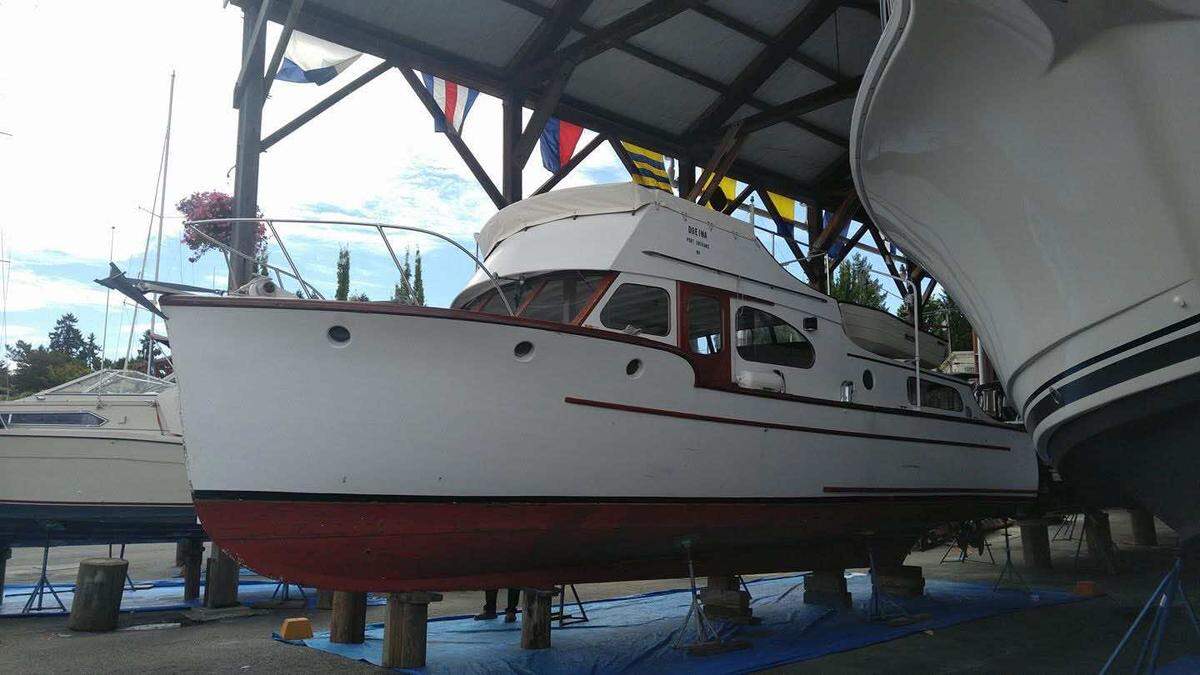
Noelle Morris, a dock captain at the Port Orchard Yacht Club, said she recognized the vessel in Filucy Bay from photos others posted as an Ed Monk wooden boat. She recently helped someone who was trying to sell a boat of the same type that was moored at the Port Orchard Yacht Club, along with a boathouse, and said she thought it was the same one. She didn’t know who took possession of the boat from the previous owner.
The department website says that the Derelict Vessel Removal Program had a budget of $10.3 million in the 2023-2025 biennium. That includes $8.3 million from the Watercraft Excise Tax, which draws from state sales tax dollars, and $2 million from the Derelict Vessel Removal Account, which draws on fees for recreational vessel registration and commercial vessels.
This story was originally published July 17, 2025 at 12:35 PM.