Pierce County pledged $7.15M for Internet in rural areas. One plan was scrapped
AI-generated summary reviewed by our newsroom.
- Pierce County and Astound to cancel Herron Island tower plan after permitting delays.
- The county pledged $7.15M for Internet in rural areas including Herron Island.
- Astound says it is exploring subsea cable and alternate wireless options.
Pierce County and Astound, a telecommunications company, are canceling the towers they were going to build to bring high-speed Internet to Herron Island, to many residents’ disappointment.
“The needed permitting processes took on more complexity and time than planned, which will prevent Astound from moving forward with the original approach, as we needed to complete the build within certain timeframes to be eligible for needed grant support that made the project feasible,” Kevin Stamey, vice president of operations for Astound, wrote in an email Nov. 25 via a spokesperson.
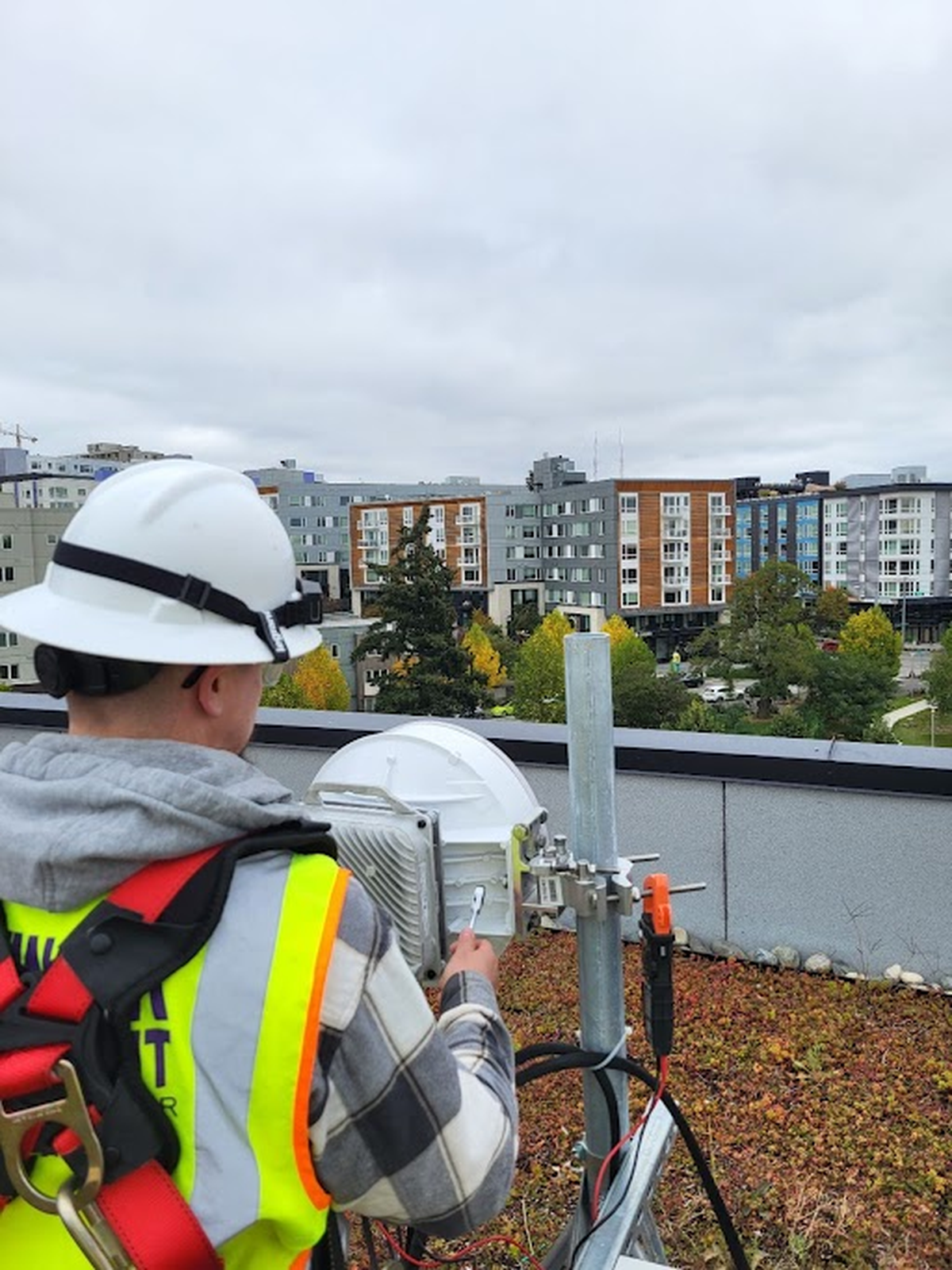
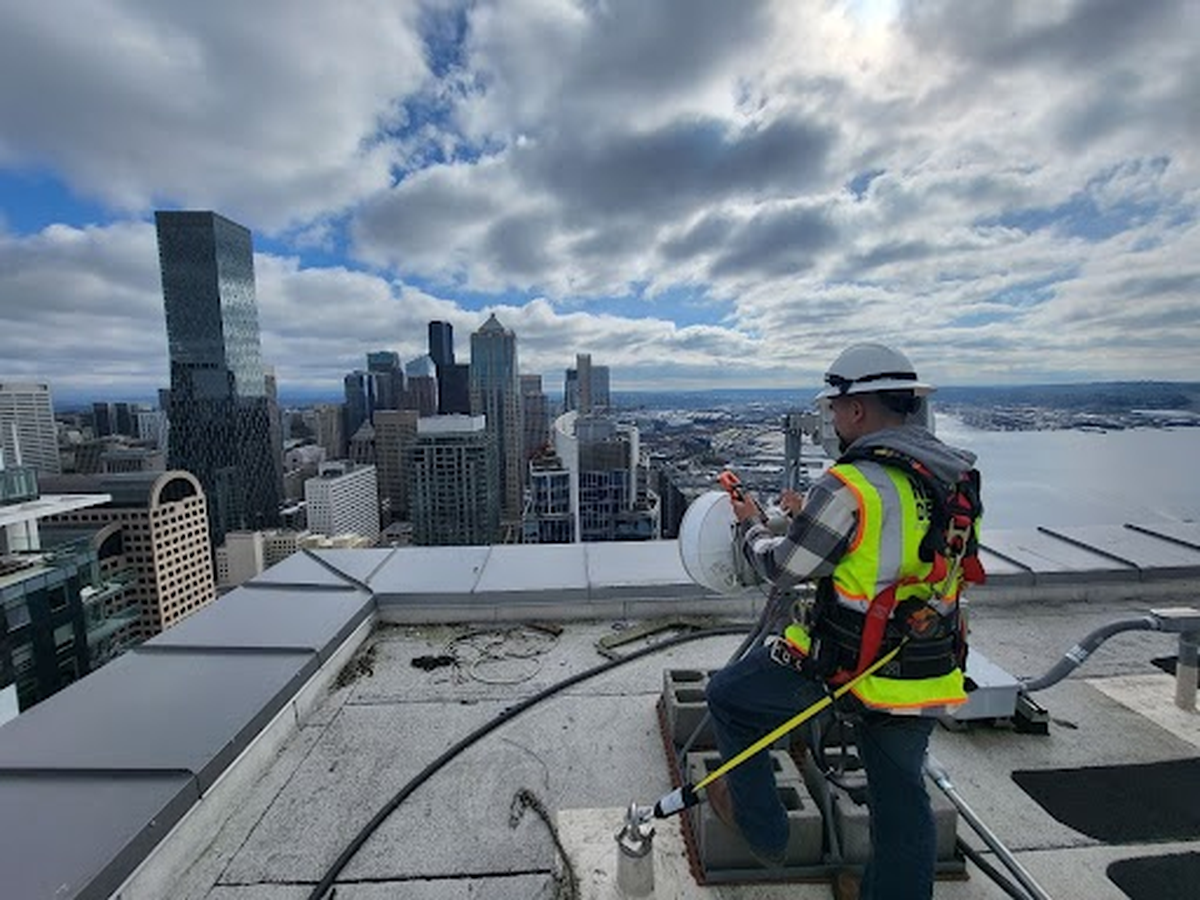
The News Tribune reported in October 2024 that the company planned to transmit signals through the air from a tower on the mainland Key Peninsula to a tower on Herron Island, using microwave technology.
The project was part of a larger initiative in Pierce County to bring Internet to underserved and rural communities including on the Key Peninsula and in the Nisqually area, and was to be completed by the end of 2026, according to a press release Sept. 30, 2024. The county expected to ultimately provide over 3,200 homes with high-speed Internet, the release said.
Pierce County spokesperson Jenny Burger confirmed in an email Nov. 25 that Astound is moving away from their original plan for Herron Island.
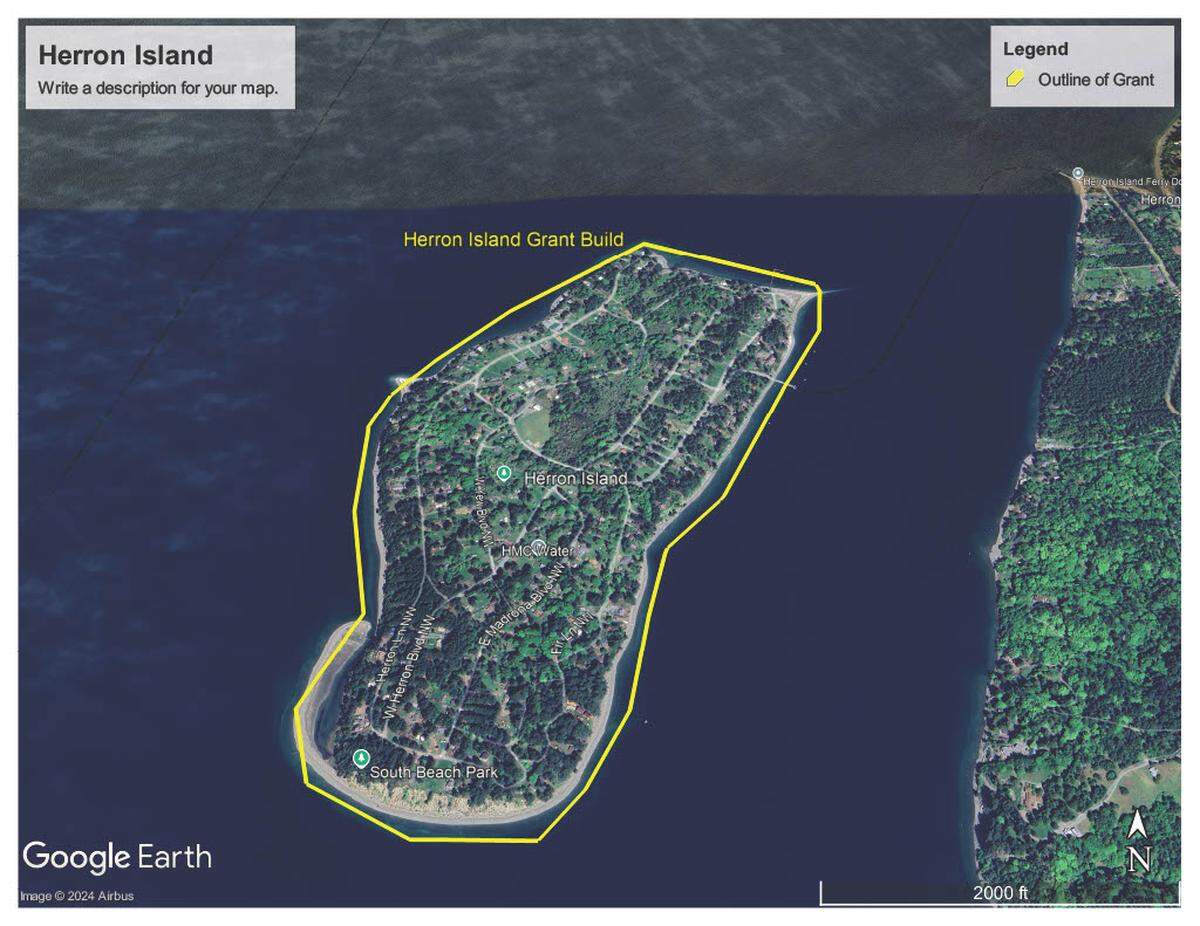
“Astound expressed concerns this fall about completing the Herron Island portion of the project by the ARPA deadline,” she wrote. “We are working with them on a contract amendment that would remove the Herron Island portion of the project. That negotiation is still in progress.”
What will happen to the federal funding for the project?
It’s unclear what will happen to the chunk of federal funding set aside for the project.
The $12.1 million partnership between the county and Astound included $7.15 million from federal American Rescue Plan Act (ARPA) dollars contributed by Pierce County and $4.95 million from Astound, per the press release. Astound spokesperson Mark Peterson told The News Tribune in October 2024 that the Herron Island portion was expected to cost about $1.75 million.
The Nisqually area portion of the project is moving forward as planned, Burger told The News Tribune.
The News Tribune also asked if the county expects there to be any leftover ARPA funds remaining after the Nisqually portion is complete, and if there are any discussions or plans for how any remaining dollars will be used.
“Although we can’t provide any definitive details yet while we are in the midst of renegotiating the contract, we will be prioritizing options that make the best use of the grant funding and provide the largest benefit to the county,” Burger responded Nov. 25.
Astound spokesperson Peterson wrote Nov. 25 that he didn’t have any further updates or comments from the company about the grant money.
How are residents impacted?
Kimberly Watts, island manager for the Homeowners’ Association of Herron Island, told The News Tribune that residents’ reactions have been mixed but “it’s overall, from what (she’s) hearing, a disappointment.”
The rural island, accessible only by ferry and heavily covered by trees, has “spotty” Internet signals and cellular reception, Watts said. Purchasing stable Internet is expensive, “so there was a good number of folks who were very much looking forward to affordable, dependable internet service,” she said.
She also said about 80% of the island’s population is 65 or older, and some are on fixed incomes. Internet is important for them to access online health care and stay connected with friends and family, she continued.
“And Internet is a utility like electricity and water that everybody should have access to in this day and age,” Watts said. “It’s not a luxury anymore.”
Watts said that she and the homeowners’ association president learned of the news in a call Oct. 17 with Astound Vice President Stamey.
What was the holdup?
Burger wrote that the delays to the Herron Island project were related to an environmentally-sensitive area.
“The Herron Island portion of the project is technically complex, requiring the placement of a tower on the mainland in a sensitive wetland and shoreline area,” she wrote. “Unfortunately, the careful, multi-level review process, test drilling, and analysis necessary for this portion of the project was determined not to be feasible within the ARPA deadline.”
State and local governments were required to allocate funds they had received through the American Rescue Plan Act by Dec. 31, 2024, and must spend them by the end of 2026. Unused funds must be returned to the U.S. Treasury, according to a blog post by the Economic Policy Institute.
Pierce County permit records indicate that Astound’s contractor, Redline Communications, applied for a Shoreline Substantial Development permit to build a cell tower on Herron Island at 1311 East Herron Blvd., and a Shoreline permit for a second cell tower at 1902 Isted Road NW on the Key Peninsula.
Key Peninsula News reported that Ken Grant, board president of the Homeowners’ Association of Herron Island, learned the company anticipated it would take at least 10 months to obtain the permits necessary to start drilling tests for the proposed towers.
There’s a chance that Astound may pursue an alternative to building towers, according to Stamey.
“Astound is actively looking at the feasibility (of) other possibilities that include subsea cable and other forms of wireless networking,” he wrote via a spokesperson. “We are currently evaluating options in collaboration with local stakeholders to see if there are scenarios that are operationally, environmentally, and financially possible.”
The county received public comments from upwards of a dozen Key Peninsula residents opposing the towers, according to records in the county permit portal. Residents’ concerns included the aesthetic appearance of the towers in the natural environment and fears about how the towers could impact wildlife and human health.
This story was originally published December 1, 2025 at 5:30 AM.