Will city demolish this 100-year-old farmhouse in Gig Harbor? It needs work
AI-generated summary reviewed by our newsroom.
- Gig Harbor owns two rental homes that became vacant late last year and need repair work.
- Staff estimated both houses need thousands of dollars in repairs.
- Council has not taken official action and directed staff to return with more information.
Until late last year, tenants in two local homes were paying rent to the city of Gig Harbor.
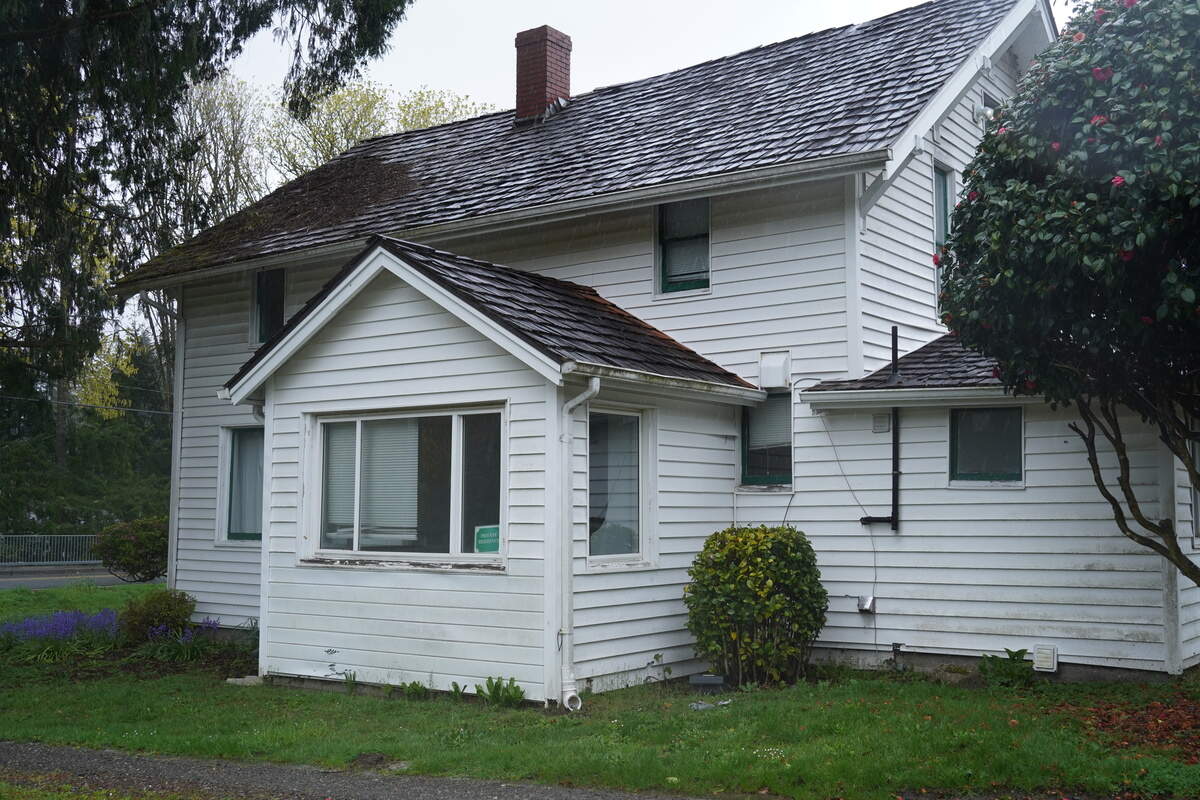
A red-brick home tucked off of Soundview Drive and overlooking the harbor is worth nearly $1.1 million this year, according to the Pierce County Assessor-Treasurer’s office. The other, a white farmhouse off of Rosedale Street, is valued at over $1.3 million and sits next to a historic dairy barn in the city’s Wilkinson Farm Park.
The renters in both homes moved out late last year, and the city now faces a decision: what to do with the properties, which both need thousands of dollars in unbudgeted repairs.
How common is it for cities to be landlords?
“I don’t think it’s super rare, but it’s not common,” city Parks Manager Jennifer Haro said in a phone call Monday. Asked if she knows of other local examples, she said she could only speak to her own previous experiences but knows that Kitsap County owns a few rental properties they acquired as part of parks or future building sites.
Over the last two years, the city received about $57,000 in rent from the Soundview Drive property and about $26,000 from the Wilkinson property, Haro told The News Tribune.
The city council has yet to take official action on the properties. At a study session April 16, the council directed staff to bring back more information about their options at another study session, which Haro said is not yet scheduled.
Why does the city own rental properties?
The city acquired the two homes when purchasing land for public parks.
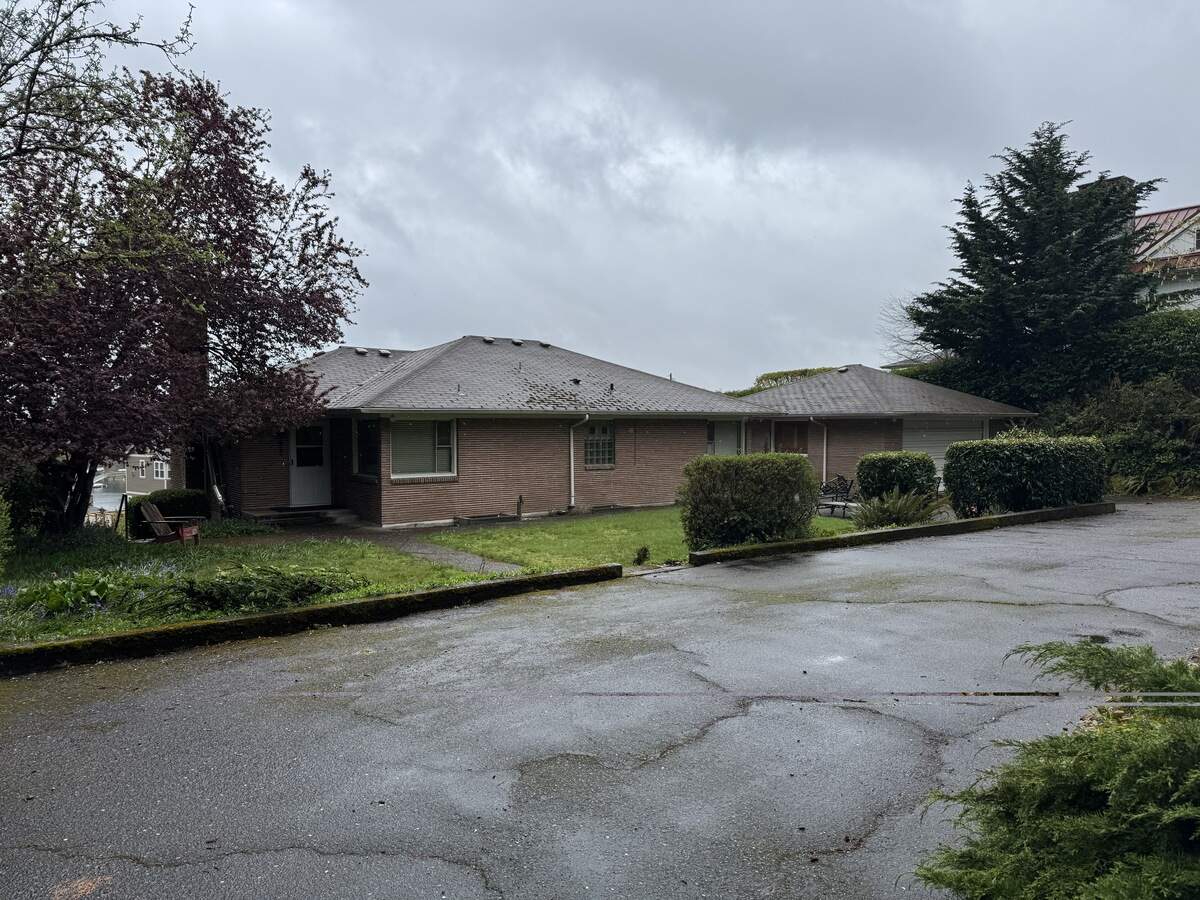
The 7601 Soundview Dr. home came with the Soundview Forest property that the city bought in 2018, according to a city staff memo and agenda bill from the study session. The previous owners, the Haub family, sold the property for $2.5 million. The 2,830-square-foot house was built around 1951 and has both a view of the water “and a very desirable location near downtown,” staff noted.
The land came with a condition: the city could continue renting out the home for 10 years and then had to convert it to “public use” by repurposing it “as a public meeting place, education center, or similar,” or demolishing it, according to a purchase and sale agreement.
Haro said the most recent tenants paid $2,800 a month to live in the Soundview home. In the city memo, she wrote that comparable homes for rent in the area suggest the city could charge $3,500 to $4,000 a month if they were to rent out the property again.
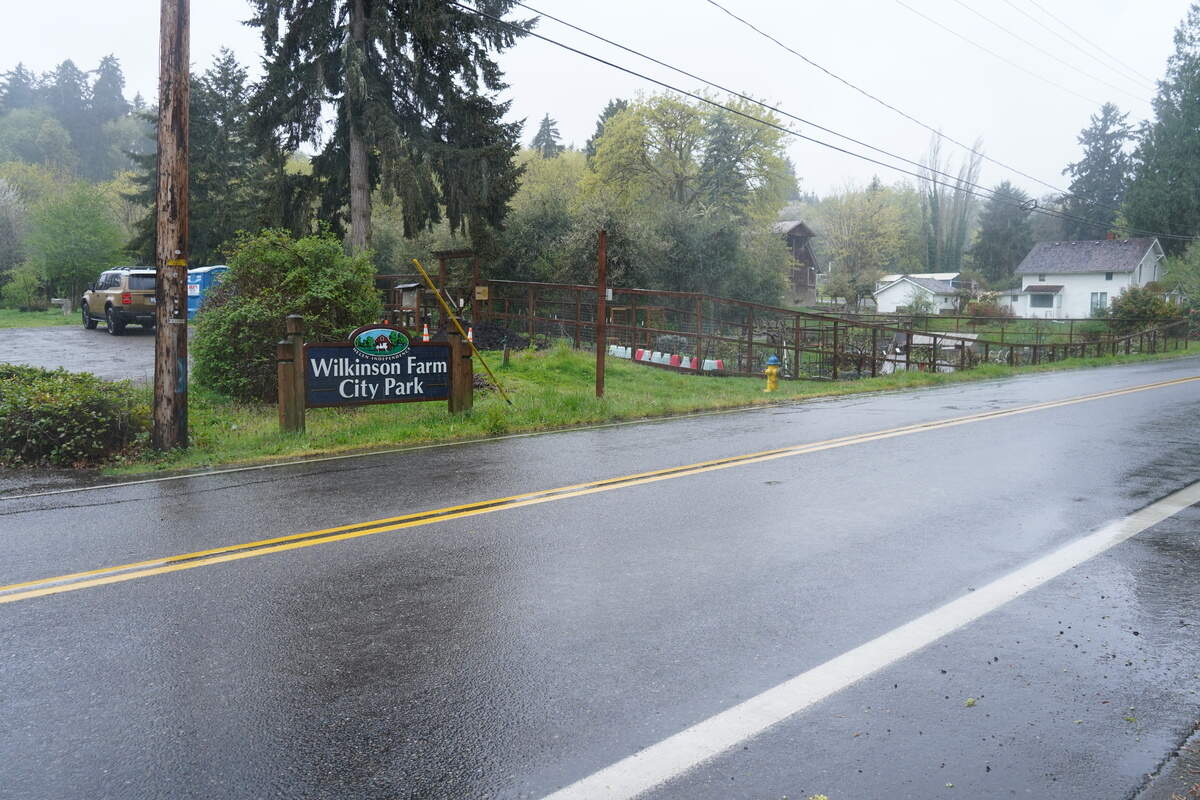
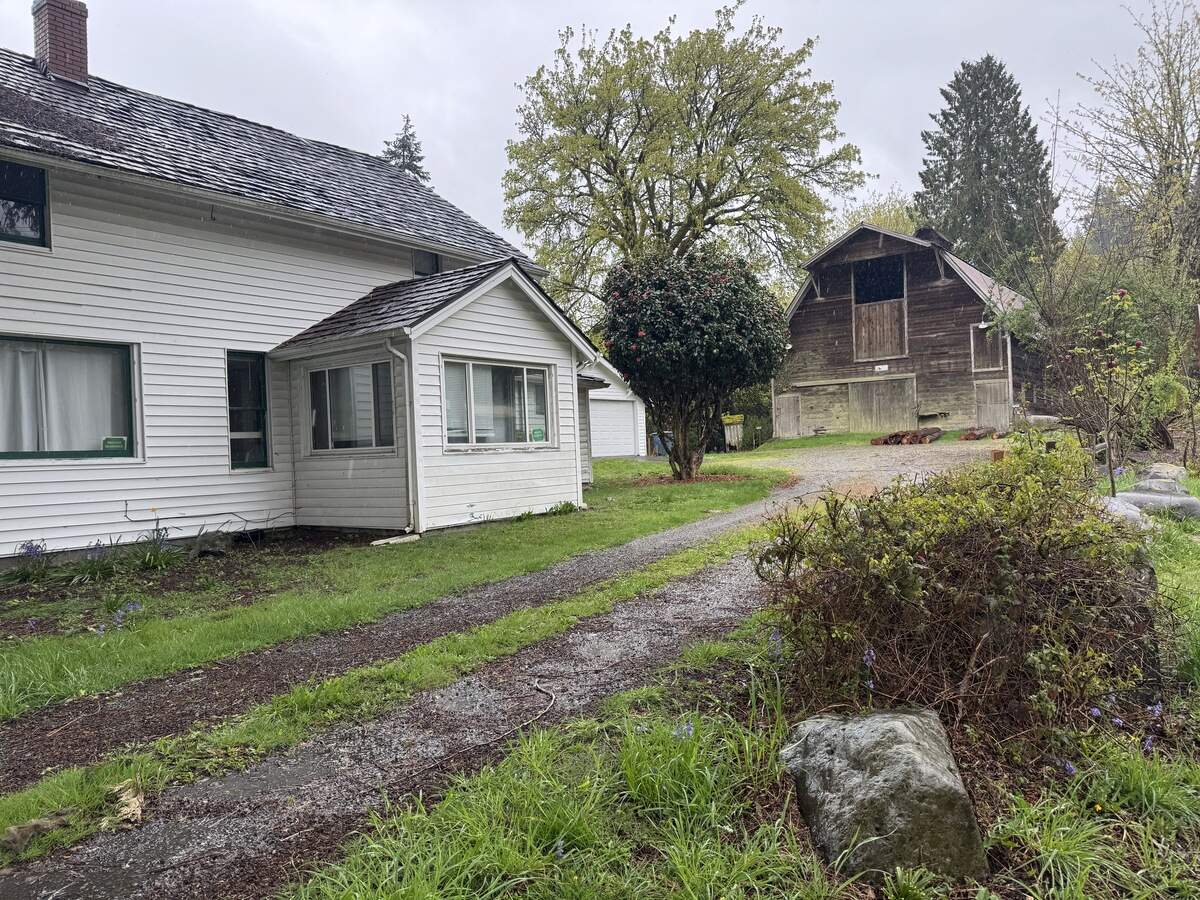
The city added the farmhouse at 4118 Rosedale St. when they purchased Wilkinson Farm Park in 2001. The land, which stretches just under 18 acres, also came with a dairy barn, three outbuildings, a holly orchard, meadows and “wetlands set against a steep wooded hillside,” according to the city’s website. Located next to the Cushman Trail, the two-story residence is sandwiched between Rosedale Street and the barn behind it.
Haro said she was able to find records showing that the city has been renting the farmhouse out since at least 2013, though she’s heard anecdotally that the timeline goes back further. The last tenants moved into the farmhouse in 2020, she said.
How much work do the homes need?
Tenants moved out of the Soundview Drive home Dec. 31 and city staff held a walkthrough Jan. 7, the city memo says.
“The house is dated, and is in overall good condition, but there are some concerns,” Haro wrote in the city memo. To make it rentable again, staff estimated that the city would need to invest about $30,000 to replace the roof and $800 to replace the motor on the home’s garage door opener. Doing other work deemed beneficial, including completing an asbestos and lead inspection and installing a new heating system to replace the current oil-fueled boiler, could bring potential costs to over $104,000.
Crews will also cut down a large maple tree on the property’s southern end, the memo said. It’s one of 18 dead and decaying trees the city is cutting down in Soundview Forest this week.
Per the purchase and sale agreement, the city can continue renting the house until May 2028. That leaves about 24 months, assuming renters move in May 1. If the council decides to rent it at $3,500-$4,000 a month, the city could bring in a profit. Subtracting the cost of fixing the roof and garage door opener, the city could make around $53,000-$65,000 in gross revenue over the next two years, the memo said.
Haro recommended against renting the property again in her memo. “Due to the upcoming tree cutting project, the upcoming stormwater park feasibility study, the boiler, the need for new roof, and the relatively short window the house is allowed to be rented, it is my opinion that the house should not be rented, and its future should be determined by public process, that will start with the stormwater park feasibility study,” she wrote.
The city received a $110,000 grant from the Puget Sound National Estuary Program for the feasibility study, according to a presentation delivered to the council last year. It will take a look at whether the 7601 Soundview Dr. property is a viable site for a stormwater park, which is a park that treats runoff from rain or snowmelt while providing recreation space. (One example is Manchester Stormwater Park in Kitsap County.) Haro said that city staff hope to bring the contract for the study’s consultant before the council May 11, and that the public can expect future opportunities for engagement.
The renters at Wilkinson Farmhouse moved out Nov. 30 and staff held a walkthrough Dec. 1, a second memo said. The farmhouse is in worse shape. Built in 1920, the 1,605-square-foot building suffers from “constant rodent activity,” cloudy windows, a leaking roof, sloping floors and termite damage, among other issues, per the memo. The city would need to spend about $96,000 on repairs to make the house rentable again; the cost to address all the issues comes out to nearly $329,000.
The last tenants paid about $1,300 a month to live in the farmhouse. Haro recommended the city increase that rate to $1,600 a month if they choose to rent the house again, after making several fixes, so that the city would bring in about $20,000 a year.
“At that rate, it would take nearly five years to recoup the costs” of making the minimum recommended repairs, she wrote.
A historic structures report conducted on the Wilkinson Farm buildings in 2007 recommended more extensive renovations to the house and barn, and adding a new community building. Haro wrote in the memo that demolishing the house appears to be the most cost-effective.
“Based upon professional judgement, the best course of action for now is to leave the house vacant, with basic maintenance, until a long-term plan for the park is developed,” Haro wrote in the memo.
What else could the city use the homes for?
Council members floated the idea of turning at least one of the properties into a community or senior center.
“Since we have a future plan for a community center, that would include a senior area, I think it’s unfortunate we can’t do just enough to one of these places, and seniors can meet somewhere for a couple years and so benefit ... the public,” said council member Le Rodenberg said at the April 16 study session.
Converting the property for public use would require additional, expensive renovations to comply with ADA regulations, such as adding parking, ramps and a lift or elevator to the basement, the city memo says. Gig Harbor Public Works Director Jeff Langhelm told the council that the city doesn’t have funding set aside for these changes.
Two former Gig Harbor mayors offered their opinions at the study session.
Former mayor Kit Kuhn said during public comment that he agreed with Rodenberg’s comments favoring a senior center, but that the Wilkinson Farmhouse should be torn down. Kuhn served as mayor from 2018-2021.
“It is a money pit,” he said about the farmhouse. “I was in it when I was mayor in 2018 and it was in terrible shape.”
Jill Guernsey, who served as mayor from 2014-2017, urged the council to move quickly in establishing a space for older adults, even if it’s only temporary.
“I know some groups that would help you with the cost to do some of those (ADA improvements),” she said. “We can have a community work party and get some things (done) ... I would encourage you to direct your staff to make something work for seniors quickly, for a temporary situation, until such time as you can work on a gathering place, not just for seniors, but for all kinds of groups and people in this community.”
Council members agreed at the study session that the Soundview Drive building will need to be re-roofed regardless of its future use. They also directed staff to gather information on what it would take to open the building for public use.
For the Wilkinson Farmhouse, council members agreed that the house is in poor shape but disagreed on whether to demolish it.
Council member Julie Martin said she’d like to focus more on the future of the barn, given the condition of the house.
“ ... you’d have to almost raze the house to put a decent foundation,” she said. “And then, I mean, how much are we willing to spend? And is that what a city should do, right? Going back to the fundamental question of what is it we should do: Renting houses, I don’t think is one of them.”