
It’s fall, and the salmon are coming home
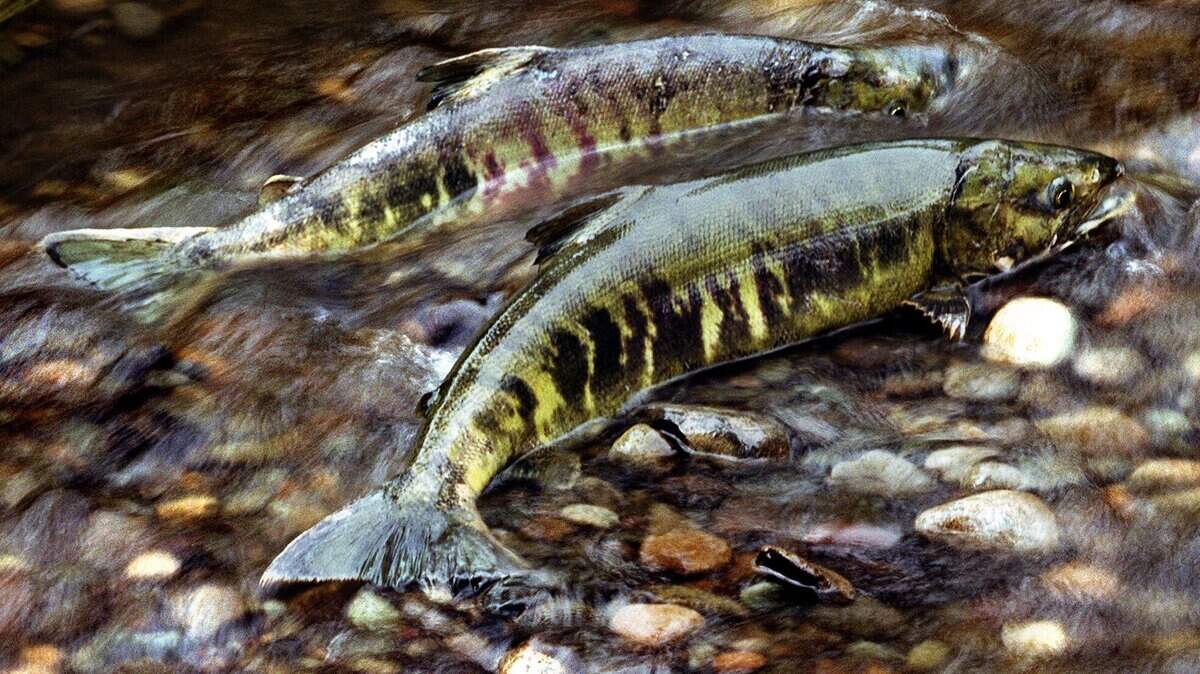
Fall has returned and with it, our salmon are returning home. Their pilgrimage brings them back to spawn in the very stream they hatched from. This ends their life cycle and simultaneously provides nutrients for the environment upon their death.
It’s a beautiful journey; one that we too often forget about in the hustle and bustle of fall.
This month my message is simple: take a break and go watch the salmon. Maybe it’s your first-time watching salmon swim home, or perhaps this is part of a yearly visit to the local creek. We can certainly learn from their arduous journey upstream.
Pierce county has creeks that all six salmonoid species return to: Chum, Sockeye, King, Silver, Pink, and Steelhead. Locally, Donkey Creek sees Chum salmon returning in November and December, and Minter Creek has King, Silver, and Chum salmon from late-August to November.
Each salmonoid species has their own timeframe, but the journey for all is consistent. Eggs are laid and hatch in freshwater streams and creeks. The young alevins spend several weeks buried down into the gravel streambed, utilizing the nutrients from their yolk sac. Once this is used up, the fry begin feeding on insects, growing into salmon teenagers. Depending on the species, they spend a month to a couple years in the freshwater before making their way downstream. They undergo smoltification to enter into the estuary, where the freshwater meets saltwater. This adaptation process happens internally and allows the young salmon to survive in the saltwater.
The circle of life
Depending on the species, salmon live in the saltwater for one to seven years before returning to their home stream where they hatched to spawn. After spawning, they die, and the journey begins all over again.
Researchers still don’t know exactly how salmon discern when or how to return to their home streams. Some guess that they use a keen sense of smell; others attribute Earth’s magnetic fields.
Battles on the way
By the time they return home, their often beat-up bodies tell stories about the battles fought while journeying home. Some male species even go through an additional transformation with flashy colors and body changes to attract their female counterparts.
Even when our lives are busy, stressful, or uncertain, their yearly return can remind us to slow down and pause, just for a minute. Every fall, they are out there fighting their way home, on a trek for which only they know the route. And despite climate challenges, we are still seeing them return home to local creeks, year after year.
Take a moment this fall to enjoy our local salmon by finding a nearby creek in which to watch them splash upstream. Donkey Creek has a great observation platform, and visitors can even participate in local citizen-science efforts with Harbor WildWatch to count the salmon they see.
Carly Vester is a staff member of Harbor Wildwatch. She writes about the environment for The Gateway.
This story was originally published September 30, 2020 at 5:30 AM.