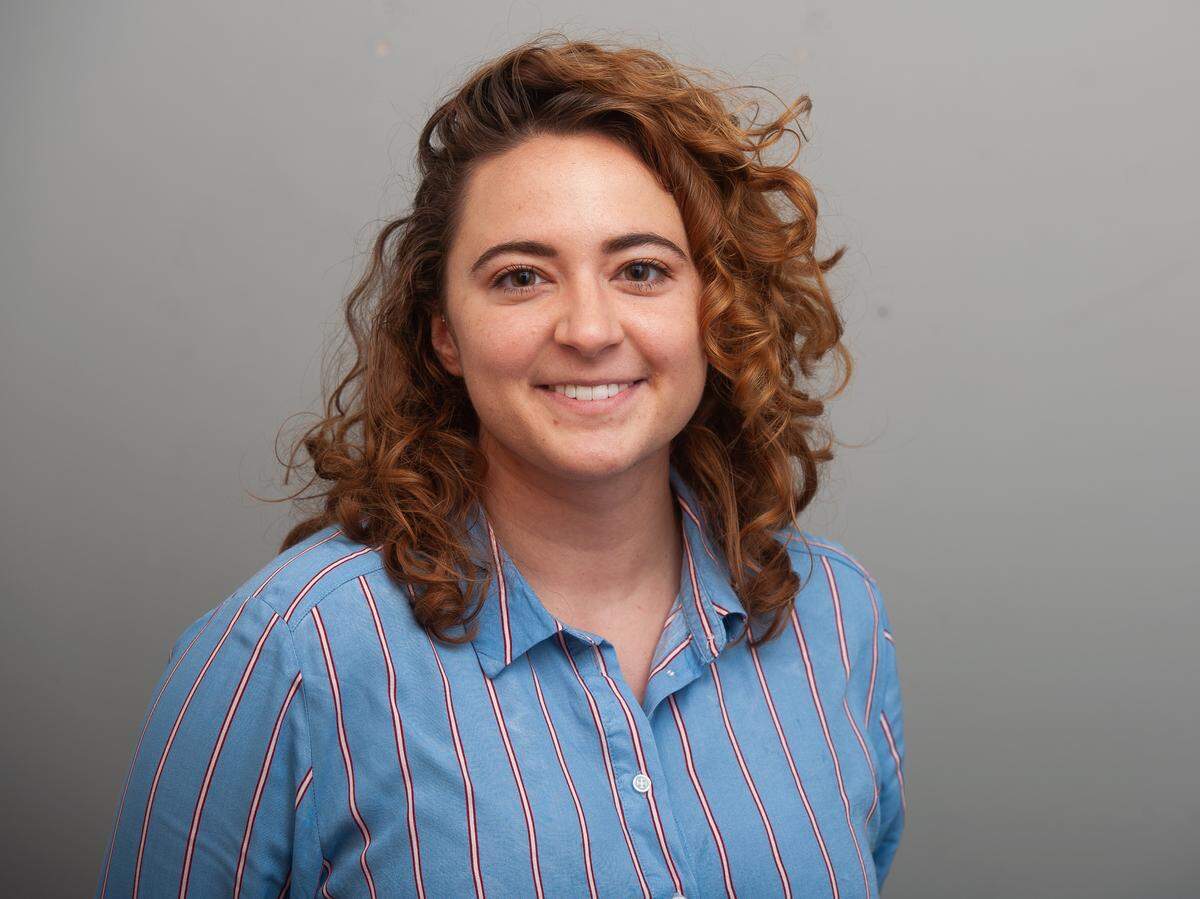
City denies her access to camp, but volunteer nurse still serving Puyallup’s homeless
Since the coronavirus outbreak, Anne Papoff-Wallace’s daily routine has included making breakfast for about 60, driving folks to methadone treatment or doctor’s appointments and making dinner for dozens, all while answering calls and texts from homeless people concerned about COVID-19.
All as a volunteer.
“It kind of blew up, and now it’s my full-time job,” said Papoff-Wallace, a registered nurse by training.
Until recently, much of her work was done at a city-sanctioned homeless encampment at the recreation center off Valley Avenue. The City of Puyallup moved 30 tents, portable toilets and sinks from the Riverwalk Trail to the center’s parking lot two weeks ago.
On Friday, the city began denying Papoff-Wallace entrance to the temporary tent encampment.
The city did not offer a detailed explanation of how that decision was reached.
Puyallup spokesperson Brenda Fritsvold said the city is limiting access for everyone’s sake, and the health department is conducting wellness checks. Papoff-Wallace was not the only volunteer no longer allowed on the site.
“No person can enter without permission, and the only volunteers allowed are those serving meals,” Fritsvold said in an email.
Now, Papoff-Wallace does what she can while abiding by the new restriction. She helps those living on their own in cars, out in the woods or in tents in downtown Puyallup. Even some living at the rec center site will walk off the parking lot to get rides to doctor appointments with her.
“I can’t leave them. I care about them too much, and I am not going to let the city get in my way,” Papoff-Wallace said.
The New Hope Resource Center and local churches provide lunch and dinner, and city employees monitor the temporary tent encampment at the rec center.
Papoff-Wallace said that she worries about those with conditions who are not showing signs of COVID-19 but still need to be monitored. She said her years with many of these folks has led to an open, trusting relationship.
“With addiction and mental health, it’s about building that trust and getting to know you,” she said. “They were comfortable saying, ‘Hey, I’m out of clean needles,’ or ‘I’m detoxing; what can i do to ease this?’”
As of Monday, no one has stepped up to replace Papoff-Wallace’s breakfast for those at the encampment, she said.
Papoff-Wallace said people have had a difficult time adjusting to the current reality of the pandemic.
While the parking lot includes portable sinks and toilets, some people haven’t showered in weeks. They cannot shower at the local churches. One woman was hospitalized with a double kidney infection that became septic. Papoff-Wallace said the case would not have been so severe if the woman had access to a shower.
Many of the folks living at the site don’t know what’s going on, she said. They don’t have their normal hangout spots that have internet access, like a Starbucks, the library or the New Hope Resource Center.
A few folks visit the hospital regularly for dialysis or chemotherapy. Getting to their appointments while Pierce Transit runs on a Sunday schedule has been a problem. Papoff-Wallace worries about their health, now that they cannot go inside anywhere to stay warm.
“Someone out there goes to radiation, and she could stay warm at the library or New Hope. No2 she is just going to hospital and back into the tent,” she said.
Four years ago, Papoff-Wallace worked at Western State Hospital as a psychiatric nurse. When she began teaching at Pacific Lutheran University, she wanted students to understand mental health.
Papoff-Wallace and her students began volunteering at New Hope Resource Center every Saturday two years ago to bandage minor wounds, offer basic medical advice and make appointments for those experiencing homelessness.
Once the coronavirus pandemic hit, her weekly role suddenly became a full-time job. She will continue to do what she can now that her access to the parking lot site has been revoked.
For her, keeping track of the health of the homeless is critical. Papoff-Wallace said three folks have been tested, but none have come back positive for COVID-19.
She carries a notebook, keeping record of those with pre-existing conditions or who start feeling unwell. Papoff-Wallace said she also keeps track of their medication and doctor’s appointments.
With that context, she can determine if heavy coughing isn’t unusual for someone with chronic obstructive pulmonary disease and smokes.
Most of her day is spent reassuring the people she serves.
“A lot of it is talking to people and making them not feel alone,” she said. “It’s a lot of people reassuring them that it’s going to be OK and we will get through this.”
Some living outside have mental disorders, like schizophrenia. Seeing city employees and homeless service providers wearing masks, gloves and gowns only heightens the paranoia, Papoff-Wallace said.
“They think that they are sick or we are making them sick,” she said.
One person believed the food was poisoned, so Papoff-Wallace whipped off her mask and ate a few bites to prove the meal was fine.
Papoff-Wallace is pursuing her doctorate to become a nurse practitioner, but studying has been put on hold for the past month. For her, she feels like not enough is being done to see the homeless as human beings. She sees that her life could have led her down the same path.
“A lot have substance abuse disorder and most have a severe trauma history,” she said. “They became homeless in horrible circumstances.”
She wants people to imagine what it must be like for them, sleeping outside in 30- and 40-degree weather, unable to access information on the virus, with limited access to resources.
“I don’t want them to be cold or hungry,” Papoff-Wallace said. “I can’t house people. I can’t fix 90 percent of what’s going on, but if I can bring them food or a blanket or talk for five minutes, I’ll do that.”
This story was originally published April 13, 2020 at 1:36 PM.