Puyallup homelessness, development, traffic focus of new community-driven plan for city
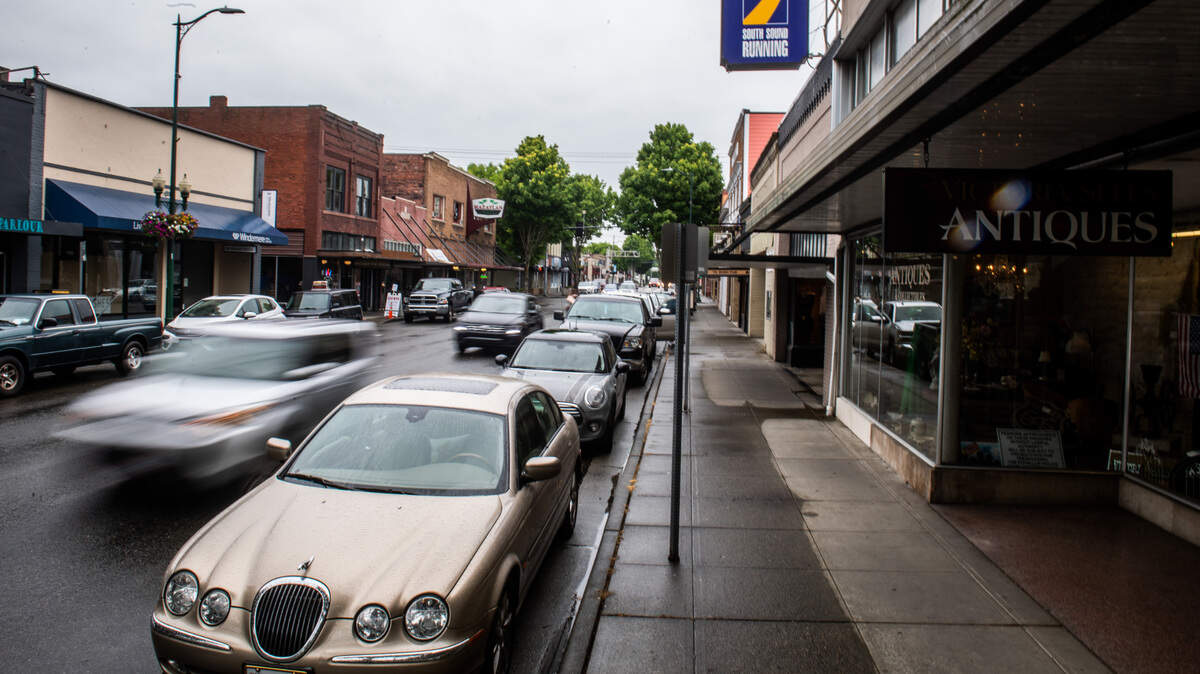
Puyallup has drafted a strategic plan based on community feedback that looks to address homelessness, development and crime.
Residents will be able to track the progress of goals through an online portal.
The city introduced its two-year strategic plan during the Sept. 15 council meeting. It outlines 42 initiatives to improve the local economy, safety, health and livability of the community, and city organization.
The goals stemmed from a May community survey. More than 2,000 community responses were received, Puyallup spokesperson Brenda Fritsvold said.
City staffer Tulika Makharia spearheaded the effort. Makharia said the effort is different from annual goals set forth by the City Council.
“The foundation of this plan is the community priority,” she said. “This is exactly what the community wants because it’s community driven.”
While the city has previously adopted broad goals to align with approved “values” and “mission statements,” this two-year plan is Puyallup’s first true strategic plan, Frisvold said.
The draft plan is expected to be completed and presented to the public in October, Makharia said. After, it will be voted on by the City Council in mid-October.
The Puyallup Herald requested the draft plan and the survey results.
Issues surrounding homelessness are the most consistent concern for Puyallup community members, according to the May city survey.
A reported 45 percent of respondents prioritized the homelessness as a concern. Traffic congestion came in second at 27 percent on issues that need improvement.
The most valued aspect of Puyallup for 78 percent of respondents was the “hometown feel with a charming downtown and close-knit community.”
Of the 42 initiatives, one looks to address quality of life concerns and human service needs in the community.
“Collaborate with local and regional agencies to develop multi-department approaches that address mental health issues, substance abuse, and homelessness in the community,” the draft plan said.
Concrete plans are still being discussed. It is too soon to say whether critical work and collaboration might involve consideration of a shelter site in Puyallup, Fritsvold said.
Members of the City Council previously agreed to discuss the possibility of a shelter in the city.
Other community health initiatives aim to add more diverse housing, expanding domestic violence awareness and prevention, and creating a “Mobility Report Card” to gauge traffic and connectivity throughout the city.
The economic objectives include implementing the 2019 downtown plan, adding new city permit software and developing a consistent downtown design.
The Puyallup Police Department has its own initiatives to seek state accreditation, conduct outreach to communities of color and hold tours of the department
For the city as a workplace, there are 11 initiatives, including regular training of diversity, inclusion, and bias reduction; launching an electronic newsletter; and creating a digital dashboard tracking all initiatives.
Makharia said she doesn’t know when the dashboard will go online, but she wants something to hold the city accountable sooner rather than later.
“As we move forward, the real work will be in the plan’s implementation and we look forward to sharing our progress with our stakeholders in an open and transparent way,” Makharia said.
The 31-page draft plan was largely supported by all council members.
“I think we are going to have a home run here,” Council member Cyndy Jacobsen said in the council meeting.
Other council members, like Jim Kastama, John Palmer and Dean Johnson, wanted to add a few words. Kastama said “Pioneer heritage” should be added as a nod to the city’s founding. Palmer wants to see added language for a “diverse, equitable city,” and Johnson mentioned that the plan should point out the Sounder station.
Mayor Julie Door did not immediately respond for comment.