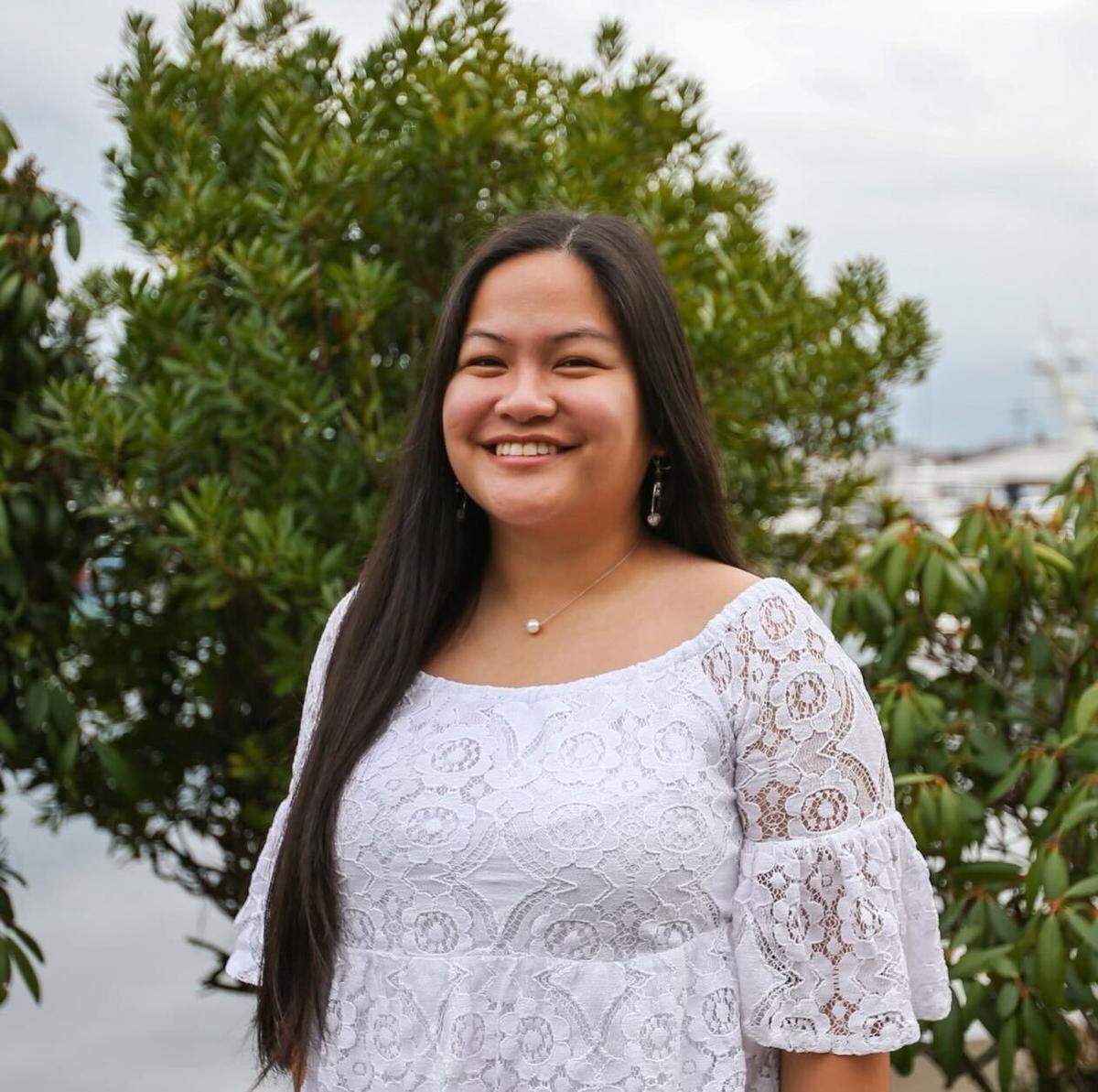
This WA 5-year-old couldn’t visit parks. Now she has one of her own, with a pirate swing
Eleanor Gardner and her binoculars were inseparable on April 25.
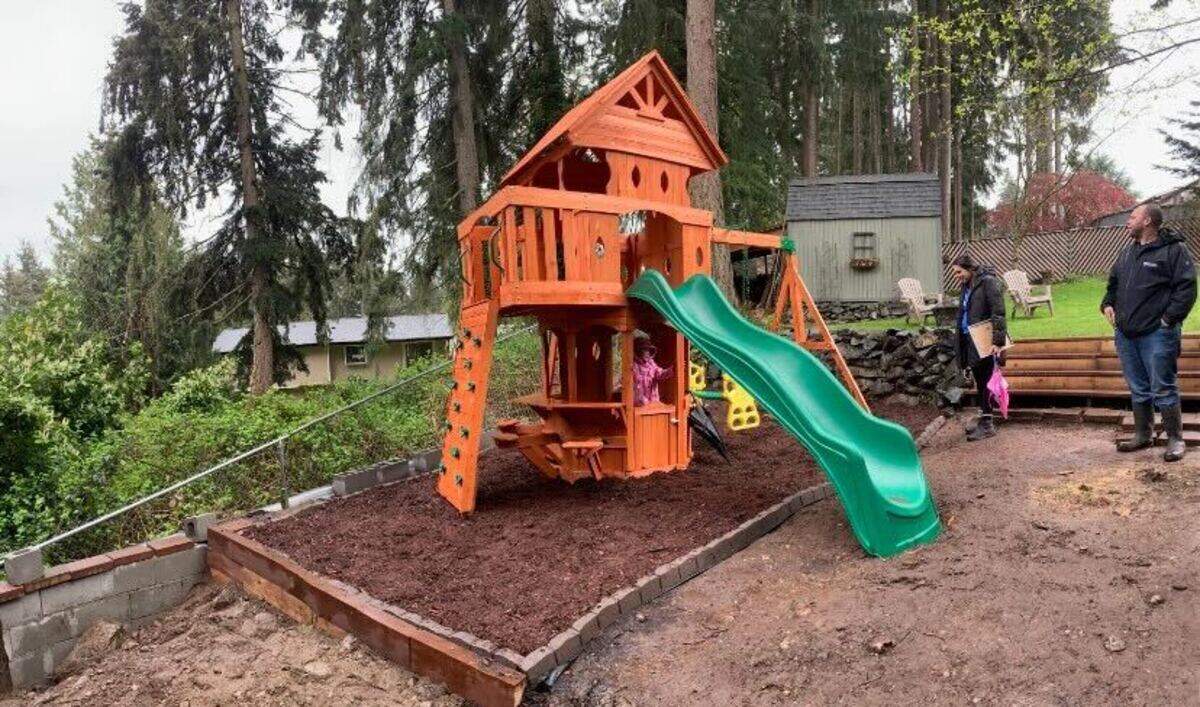
The 5-year-old watched a group of about 10 people assemble a playset in the backyard of her Puyallup home. The playset gave her access to two swings, a slide, a rock-climbing wall as well as a covered section with seats.
“She calls it a park,” Jessica Gardner, Eleanor’s mom, said. “She just loves it.”
Eleanor Gardner was one of the three children in the Seattle and Tacoma area who recently received a custom playset from the Roc Solid Foundation. The Virginia-based nonprofit builds the playsets for kids who are fighting cancer.
The two other local families to get a playset live in Snohomish and Auburn.
Eleanor Gardner said her favorite part of the playset is the swing with a pirate on it.
“I thought it was pretty cool,” she said.
The foundation is currently on its “Play Defeats Cancer Tour,” during which they deliver 30 playsets in 30 days to families around the country who have children diagnosed with cancer. The tour runs from April 21 to May 20.
Eleanor Gardner was diagnosed with Stage 4 neuroblastoma in November 2018 when she was 2.5 years old. Her mother said neuroblastoma is a cancer of the nerve cells. It originates in the adrenal glands.
Throughout the years, Eleanor Gardner underwent chemotherapy, immunotherapy mixed with chemotherapy, bone marrow transplants and other types of treatment. At this point, she has no evidence of active disease, her mother said.
“She’s never gotten to no evidence of disease, which would be the ultimate goal,” Jessica Gardner said.
The Gardner family will continue watching Eleanor’s scans every three months for about a year. If no new cancer spots are found, scans will be done on a six-month basis for about two years.
Jessica Gardner said when scans are clear and at least five years have passed since a child started receiving treatment, that is when the child is closer to being considered cured.
‘It’s like restarting your immune system’
Jessica Gardner found out about the foundation through a Facebook community page for parents who have children diagnosed with cancer. She said she saw a post about the foundation trying to find a family in the Seattle and Tacoma area.
“I wanted to definitely throw my name in the hat because we have a really big backyard but there’s just not a lot for her to do back there,” Jessica Gardner said.
Jessica Gardner had to fill out an application for the foundation in mid-March. In early April, she received a call from them.
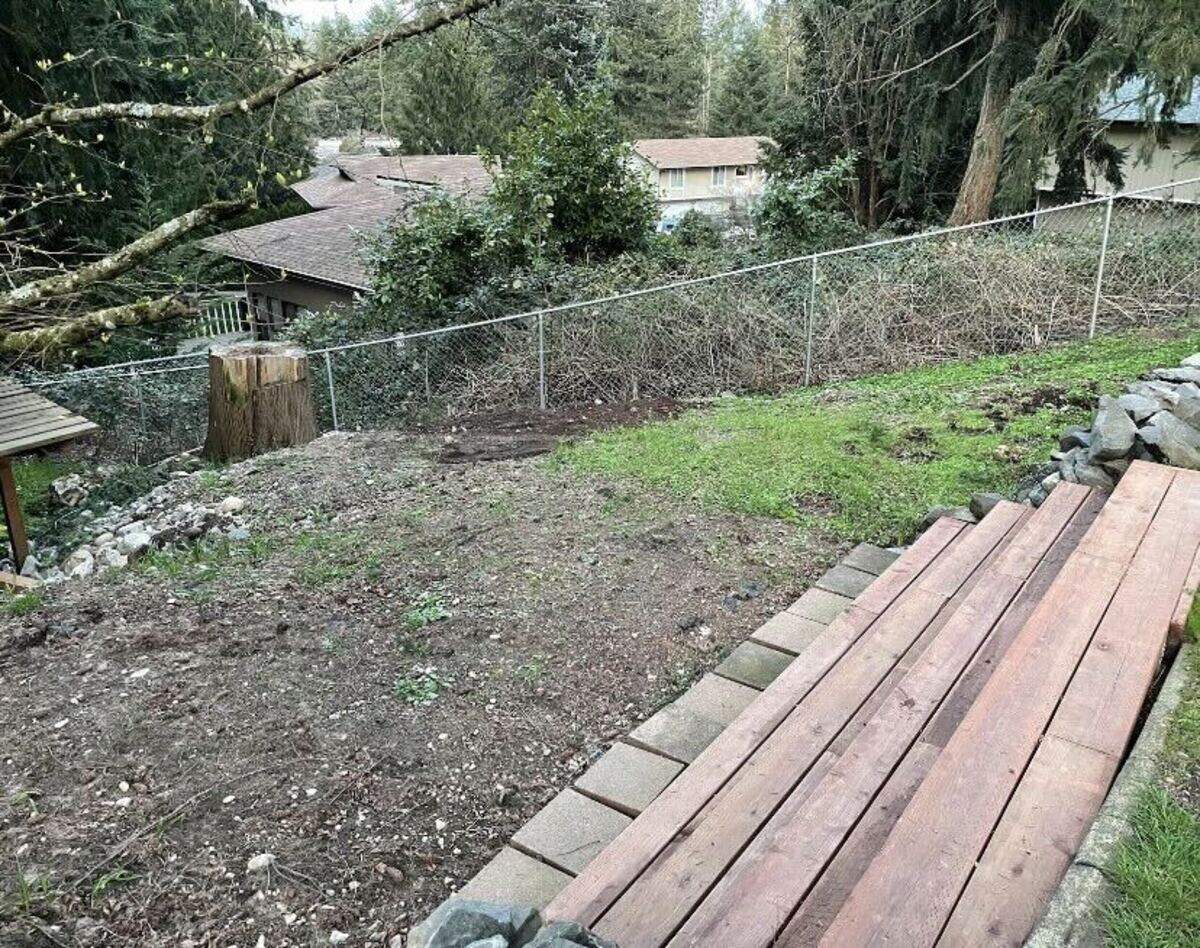
The playset build at the Gardner’s was challenging, said Mike Wiegand, program coordinator for the Roc Solid Foundation. There were lots of hills. They had to ensure the ground was flat and stable for the playset.
Crews had to build a retaining wall to prevent dirt, and possibly the playset, from sliding down over time due to erosion, Wiegand said.
“Typically our playset builds take about two to three hours,” Wiegand said. “This one took about seven or eight because we spent a lot of extra time to make sure this place was secure.”
Wiegand said when a child is diagnosed with cancer, they oftentimes do not understand what is happening, especially if they are younger than five. The first thing that gets taken away from them is playtime in public spaces or with friends, he said.
“Chemo just completely knocks out your immune system,” Jessica Gardner said. “With some of the treatments … it’s like restarting your immune system as a newborn baby. You’re just so susceptible to any type of infection.”
The crew that helped assemble the Gardners’ playset was made up of members of the No Name Riders motorcycle club, a local nonprofit based in Everett.
The Roc Solid Foundation is about 13 years old, Wiegand said. The foundation not only offers playsets but also ready bags. The bags contain items that a family may need for an unexpected hospital stay.
So far, the foundation has built 538 playsets, distributed 2,558 ready bags and served 3,096 families in the past year. About 16,000 children are diagnosed with cancer in the United States per year, according to the foundation’s website.
This story was originally published May 10, 2022 at 11:28 AM.