This new Pierce County clinic treats pregnant people for addiction. There’s a wait list
A program at Good Samaritan Hospital in Puyallup opened its doors this month for pregnant people with substance use disorders.
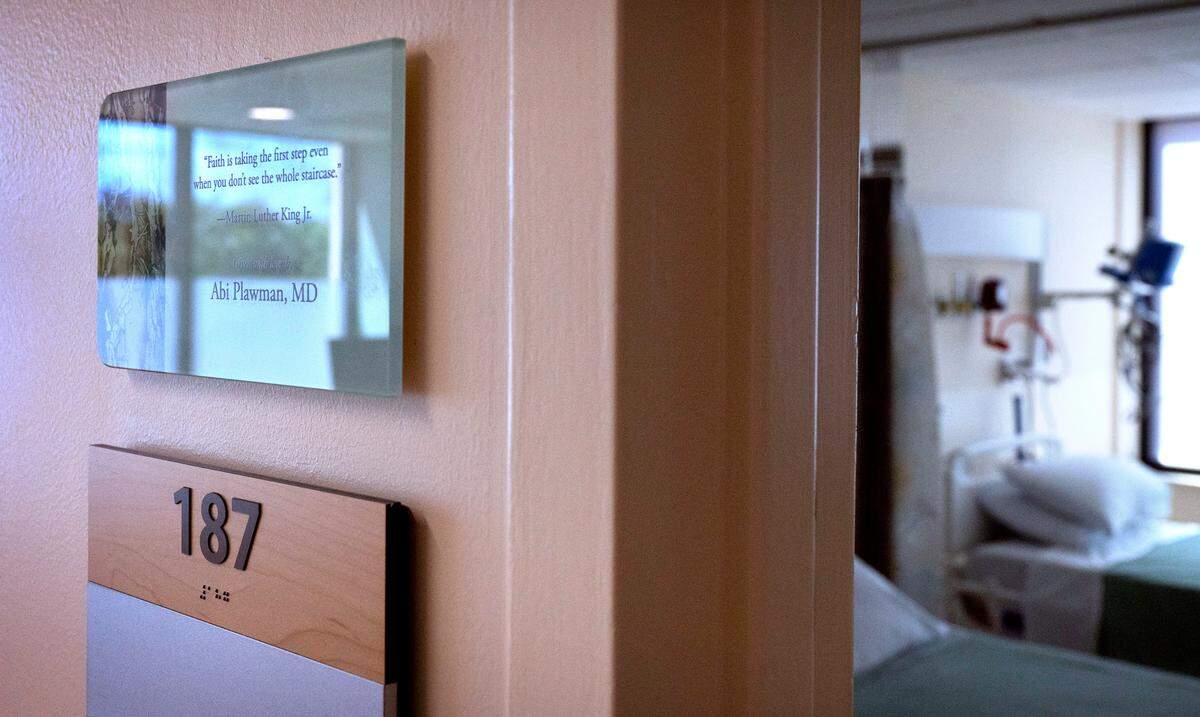
The START Clinic, which stands for Substance Treatment and Recovery Training, is an 18-bed unit that focuses on supporting patients during any stage. The goal is to achieve sobriety and have a healthy pregnancy, START Clinic medical director Abi Plawman said.
“This is a very critical population in our community who has difficulty accessing services,” Plawman said.
Many services that focus on chemical dependency cannot take pregnant people because of the “added risks” that come with caring for them, Plawman said. The same goes for obstetric providers — not many have the skills to manage chemical dependency needs, Plawman said.
Plawman and a team of nurses and behavioral health professional at the hospital advocated for the program. They’ve had the idea since 2015, when they were offering outpatient clinic services to the same population.
Plawman said there is no other place in Pierce County that offers anything similar to the clinic. It’s difficult to find nurses and physicians who are able to juggle obstetrics and treating patients who have a chemical dependency. Space is also an issue for many hospitals.
Before, pregnant people looking for this sort of care had to travel to Seattle or Everett. This clinic now offers a closer option for those in Pierce County. It already has a wait list, Plawman said.
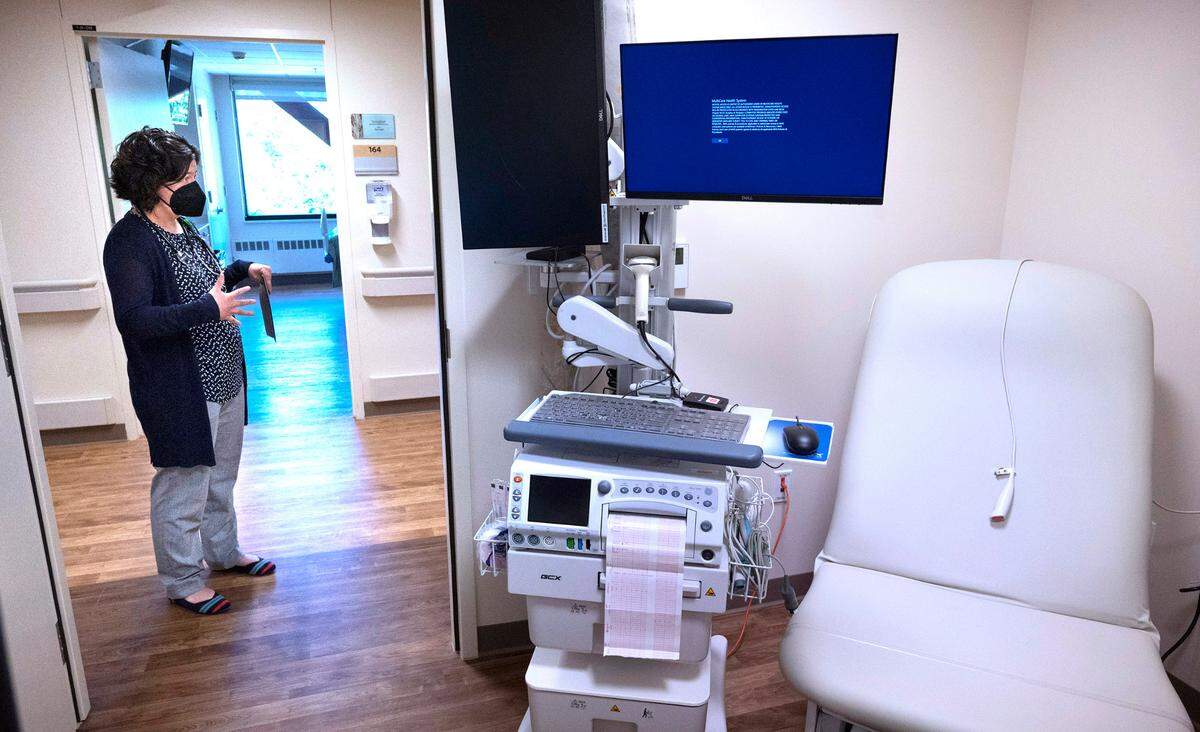
“This lowers the barrier of entry by letting people, who are dealing with their pregnancy and their substance use disorder, access immediate care all in one place,” Plawman said.
Pregnant people can refer themselves to the clinic or get referred. When they come to the clinic, a counselor or nurse will greet them. Afterward, they can use the shower and slip into comfortable clothing.
They will go through a screening process, including a security search to ensure they did not bring contraband items. Physicians would then connect with them and test things such as their blood pressure and temperature.
“We’re helping assess what they need as far as withdrawal from substances or stabilization on the medication,” Plawman said. “They’ll get ultrasounds, fetal monitoring, blood tests and things like that.”
The program is always voluntary. The cost is covered by Medicaid, which means patients don’t have to pay anything out-of-pocket. They’ll try to get Medicaid coverage for those without insurance.
Pregnant people who enter the program will go through two phases of care. The first phase is when the person works on becoming medically stabilized – coming off of the substances they were using before entering the clinic.
The second phase is when the person transitions into group treatment, during which they operate on a schedule and socialize with others. The schedule includes activities such as group meals, crafting sessions and movie nights.
Physicians, nurses and substance use disorder counselors are among the staff present at the clinic.
Pregnant people will stay at the clinic for 26 days. After they finish, they can receive outpatient care or enter a more intensive treatment program. It all depends on the person as it is not one-size-fits-all, Plowman said.
“We help them figure out what’s the next step,” Plawman said.
This story was originally published July 25, 2022 at 5:00 AM.