Ballots are here. 40% of parents in one East Pierce school district aren’t registered to vote
Sports are Ryan Stammen’s main drive for staying on top of her schoolwork. They keep her straight As from changing.
“Sports is such a huge part of who I am,” she said. “That’s all I do.”
Stammen is a senior at Eatonville High. She spends most of her days on the field, playing sports such as soccer, basketball, track and rugby. Her goal after high school is to play for an Ivy League university.
The field at 302 Mashell Ave. N. is where Stammen usually plays, but it is not in great condition. The field does not drain. Two years ago a soccer game got canceled halfway through because the field absorbed a lot of water, she said.
“The mud was crazy,” Stammen said.
The track surrounding the field also does not have enough rubber, making it hard on students’ knees. The track is over 25 years old. Superintendent Jay Brower said students tell him they’ve gotten shin splints from running on it.
Stammen hopes students will have a new field and track soon. Eatonville is one of five East Pierce County school districts with funding measures on the February special election ballot. Some have a strong track record of passing levies and bonds to fund education, programs and services and to fix outdated facilities and equipment. Others have struggled to get voters to approve funding in recent years.
Eatonville School District levies
The Eatonville School District has two levies on the ballot – a $27 million replacement educational programs and operations levy as well as a $9.3 million capital projects levy.
The existing educational programs and operations levy expires at the end of 2024. The four-year replacement levy would cost voters $2.05 per $1,000 of assessed property value per year. The levy funds things such as music and arts programs, athletics and extracurricular activities, and food services.
The capital projects levy would last for six years. It would cost voters 45 cents per $1,000 of assessed property value per year. The levy would replace the track and field and repair aging heating and cooling systems.
If both levies pass, it would cost the owner of a $500,000 home about $1,250 per year or $36.25 per month.
Eatonville resident Kirk Heinz, who is a part of the “yes” campaign, said both levies would allow the school district to continue offering quality education and opportunities to students. He used to be an Eatonville School Board member, and his children went to school in the district.
“Historically the community has seen how important our schools are, and they’ve supported it,” he said.
The Eatonville School District serves over 1,800 students. The voters’ pamphlet does not have a statement against the school district’s levies.
Meanwhile, a school district north of Eatonville has not passed a capital levy in almost a decade.
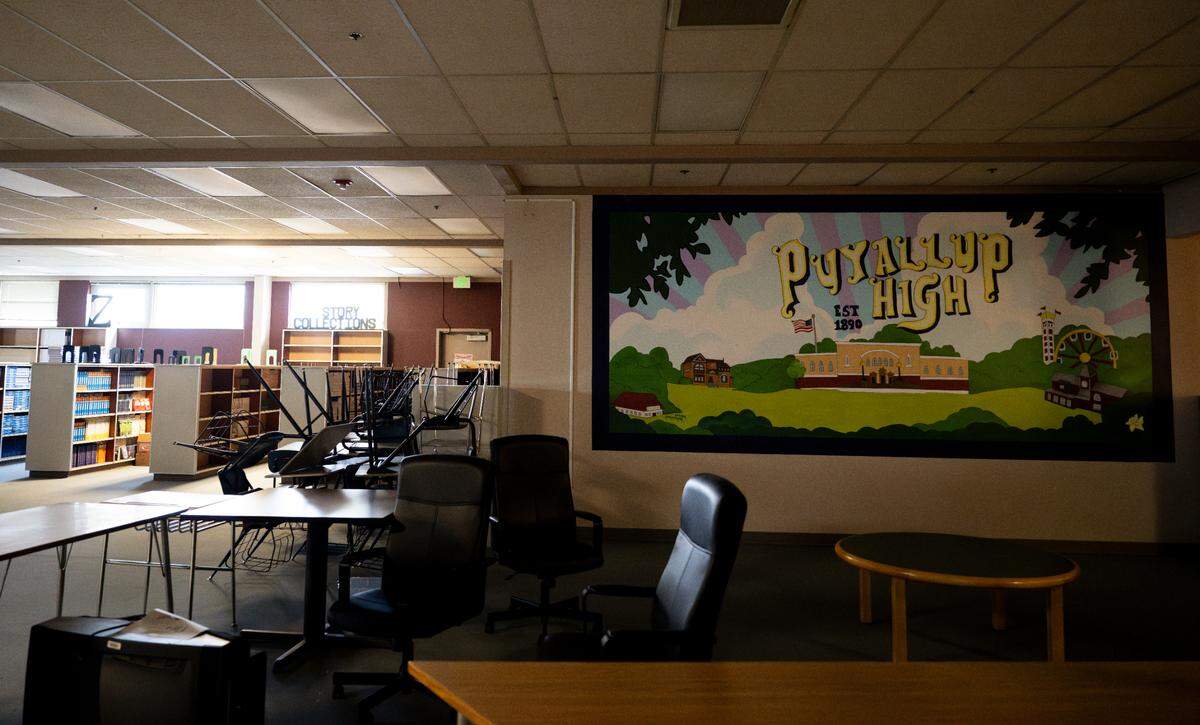
Puyallup School District levy
The Puyallup School District’s capital levy is on the ballot again, for the third time. It would bring the school district $175 million.
The six-year capital levy would cost voters 87 cents per $1,000 of assessed property value per year. It would cost the owner of a $500,000 home about $435 per year or $36.25 per month. The levy would replace roofing and flooring, upgrade internet access and make pedestrian safety upgrades across the school district.
About 49 percent of voters approved the levy in November 2022. About 48 percent approved it in February 2022. A school district levy needs a simple majority to pass. A bond needs a 60 percent supermajority to pass.
“I think we struggle at times with different issues [regarding] tax tolerance in our community,” Superintendent John Polm said.
Puyallup resident Greg Heath said the capital levy is comprehensive, and that facilities will deteriorate if it doesn’t pass. The levy allows the school district to stay ahead of the curve, he said.
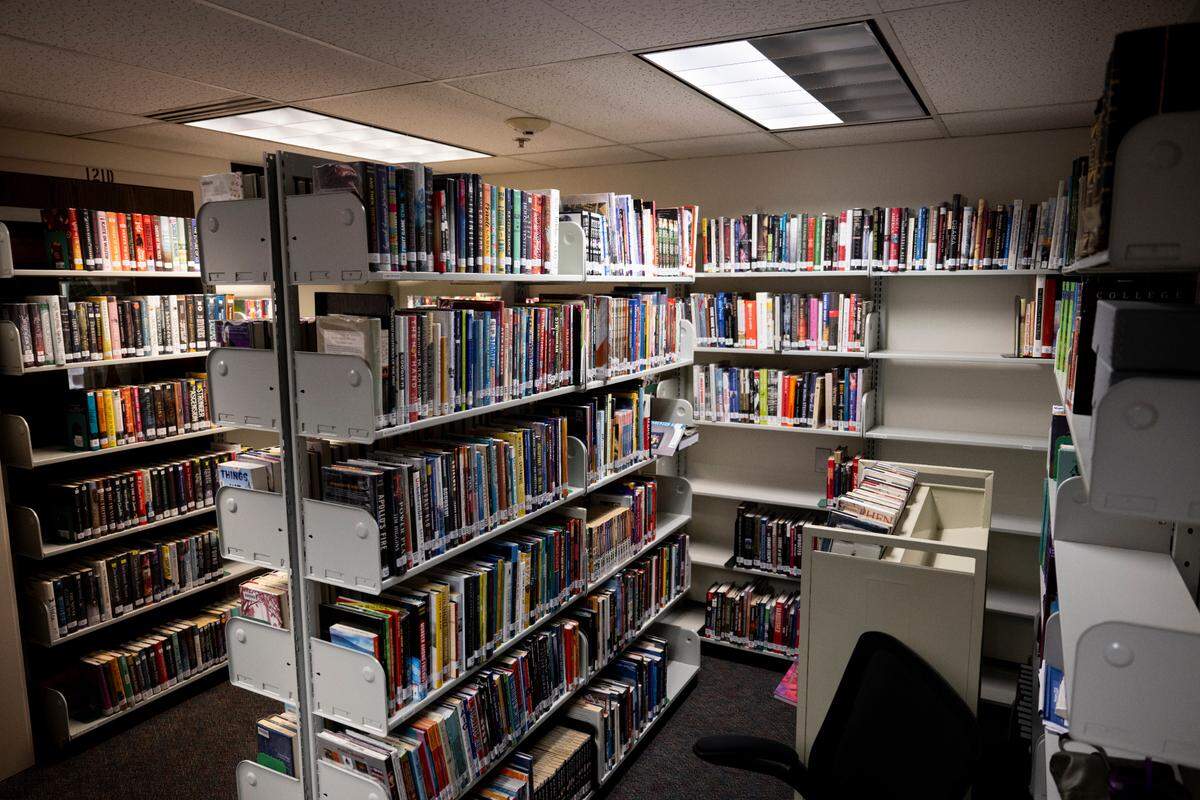
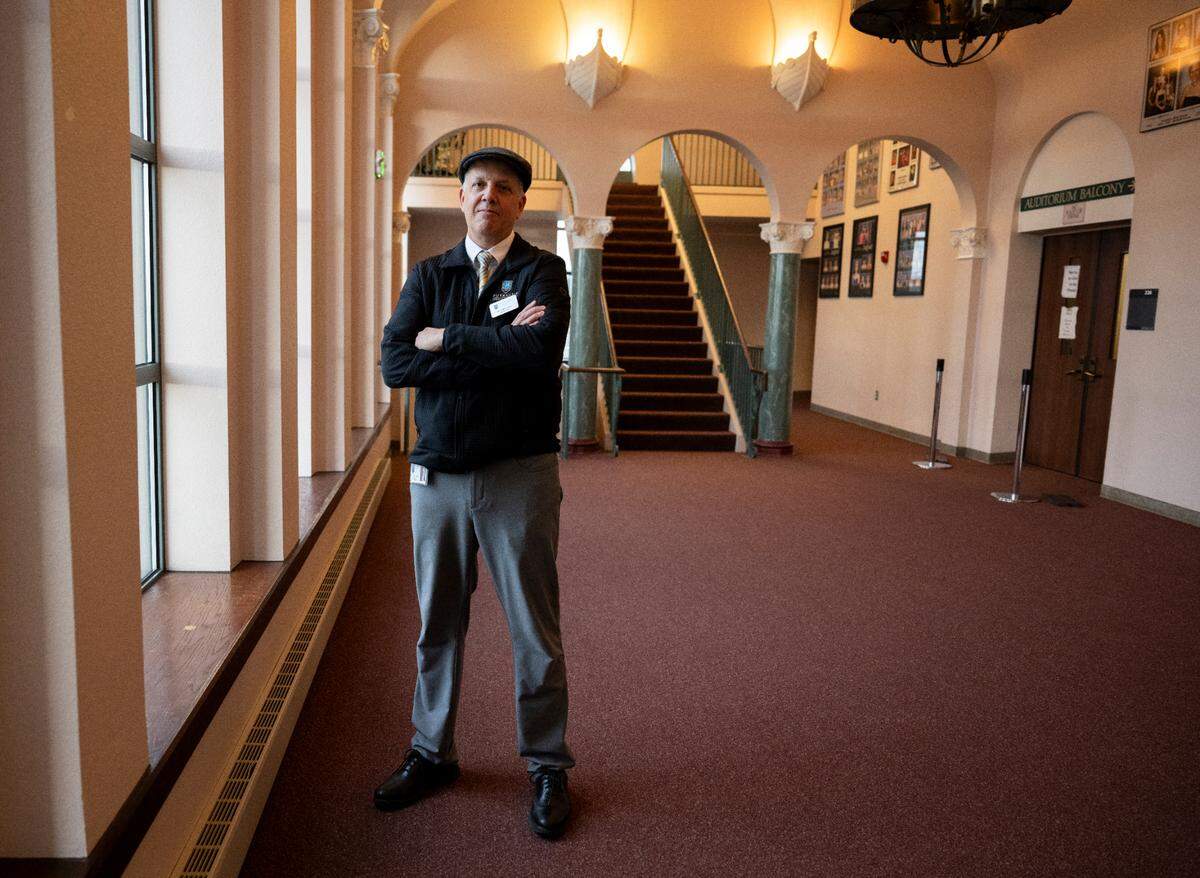
Heath is a part of the “yes” campaign. He used to be a Puyallup School Board member. He said it has been almost a decade since voters approved a capital levy because there are “discerning” voters who want to make sure tax measures are “really necessary.” The projects planned for the levy would help maintain school infrastructure, he said.
The building that houses the pool at Puyallup High has a boiler that heats not only water but also the building itself. That means if the boiler malfunctions the building will not have any heating. The school district is concerned about that possibility Polm said the building was designed in the 1950s.
“PHS has multiple mechanical plants (boilers) of different ages that heat the campus. Although this levy won’t address the boilers specifically, it will address HVAC equipment in select areas that need urgent repairs or replacements,” school district spokesperson Sarah Gillispie wrote in an email.
The Wi-Fi connection at the high school can also be unreliable. There are times when some students can connect and some cannot. The school was not wired to carry the bandwidth that is needed at this point, Polm said.
“The Wi-Fi here is good for about 100 students,” Laura Marcoe, assistant superintendent of business and support services, said. The high school has over 1,500 students.

The capital levy would also fund other projects throughout the school district, such as a new fire alarm system at Glacier View Junior High and new playground equipment at Carson Elementary. A comprehensive list of projects can be found at puyallupsd.org/about-us/departments/capital-projects/2024-levy/project-by-school.
If the capital levy does not pass, Polm said it could be on the ballot again in November. If it does not pass then, the school district might have to pull money from its general education fund to meet the district’s “most urgent needs,” he said.
Gillispie said the school district’s capital projects fund may be nearly depleted by 2026. Pulling funding from general education means less funding available for classrooms, she said.
The Puyallup School District serves around 23,000 students. The voters’ pamphlet does not have a statement against the school district’s levy.
A school district southeast of Puyallup is also reviving a similar proposal voters have rejected twice.
Orting School District bond
The Orting School District has a $117 million general obligation bonds proposal on the ballot.
The 20-year bond would cost voters $1.70 per $1,000 of assessed property value per year. It would cost the owner of a $520,000 home about $888 per year or $74 per month. The bond would pay for a new elementary school, expand Orting High and upgrade security at Orting Middle and Ptarmigan Ridge Elementary.
Orting resident Becca Pettit said the safety and security part of the proposal is exciting to her. Pettit, who is part of the “yes” campaign, is a physical therapist assistant in the school district and has children who go to school there.
“As a parent you want the utmost security for your kids,” she said.
School district spokesperson Brittany Piger wrote in an email that security upgrades would include automatic lockdown systems at Orting Middle and Ptarmigan Ridge Elementary.
Pettit graduated from Orting High in 2005. Her graduating class was less than 100 students. The senior class now has around 200 students.
Superintendent Ed Hatzenbeler said the proposal is $33 million less than the proposal voters rejected in February and April 2023. If the bond does not pass the school board would run it again next school year, he said.
If the bond does not pass on its third or fourth time on the ballot, Hatzenbeler said, “it would take a year longer to develop these projects.”
“This means the current issues around overcrowding, traffic/parking congestion exacerbate,” he wrote in an email.
Hatzenbeler said voter turnout was low when the bond was on the ballots last year. About 40 percent of parents and guardians in the school district are not registered to vote, he said.
“If you look at whose voices are being heard versus not heard, that’s a whole lot of people whose voices aren’t present,” he said.
The Orting School District serves around 2,800 students. The voters’ pamphlet does not have a statement against the school district’s proposal.
Carbonado and Sumner-Bonney Lake
Voters usually support ballot proposals from the Carbonado Historical School District and the Sumner-Bonney Lake School District, according to those on the “yes” campaigns in those districts.
Carbonado has a $2.3 million replacement educational programs and operations levy on the ballot. The four-year levy would cost voters $2.50 per $1,000 of assessed property value per year. The levy would pay for education programs, some teacher salaries, athletics and arts.
Superintendent Jessie Sprouse wrote in an email that it would cost the owner of a $500,000 home about $1,250 per year or $104 per month.
Carbonado resident Rebecca Shaw is part of the “yes” campaign. She said the community has consistently approved the educational programs and operations levy because they believe the school district cares about the students. They believe the district appropriates its funds in the “best” way, she said. The community trusts that the school district prioritizes students and their future.
“We haven’t had a rejection yet,” Shaw said.
The Carbonado Historical School District serves around 180 students. The voters’ pamphlet does not show a statement against the district’s levy.
Sumner-Bonney Lake has a $175 million replacement educational programs and operations levy and a $39 million replacement levy for instructional technology improvements and security upgrades on the ballot.
The four-year replacement educational programs and operations levy would cost voters $2.48 per $1,000 of assessed property value in 2025 and $2.50 per $1,000 of assessed property value in 2026-28. The levy would pay for a portion of teacher salaries, textbooks and special needs programs.
The four-year levy would cost an average homeowner $136 per year or $11.31 per month.
The six-year replacement levy for instructional technology improvements and security upgrades would cost voters 33 cents per $1,000 of assessed property value in 2025, 37 cents in 2026, 41 cents in 2027-28, 36 cents in 2029 and 32 cents in 2030. The levy would pay for new classroom computers, upgrade internet access and maintain security cameras.
The six-year levy would cost an average homeowner $15.08 per year or $1.26 per month.
Bill Pugh, who is part of the “yes” campaign, said school districts depend on levies to do “a lot of good work.” Lack of funding will affect how well a school district can perform, he said, so the community has consistently supported the levies.
Pugh has grandchildren in the school district.
Pugh is also a member of the Rotary Club of Sumner. He said the club has representation from up in the plateau to down in the valley. Many of them are generally supportive of the school district, he said.
The Sumner-Bonney Lake School District serves around 10,152 students. The voters’ pamphlet does not have a statement against the district’s levies.
The special election is Tuesday, Feb. 13. Ballots were mailed Jan. 26. They must be dropped off by 8 p.m. Feb. 13 or postmarked by Feb. 13.