300,000 honey bees found during remodel of historic home in downtown Puyallup
AI-generated summary reviewed by our newsroom.
- Remodelers uncovered 300,000 honey bees in a 1938 home in Puyallup, WA.
- Local beekeeper removed colonies for relocation and long-term preservation.
- Discovery highlights pollinator decline and the role they play in the environment
Imagine doing a home remodel and discovering a colony of honey bees that have been nesting there for over 30 years. That’s what happened to Joe Bowers, the owner of Bowers Plumbing and Remodel.
Bowers’ team began a project last summer in downtown Puyallup to fully remodel a 1938 home. The house’s previous owner left parts of the house untouched for many years, Bowers said.
Before the remodel, many people didn’t know that there was a home on the property, because it was overgrown with trees, Bowers said.
“All you can see from the street was a garage door if you really looked,” he said.
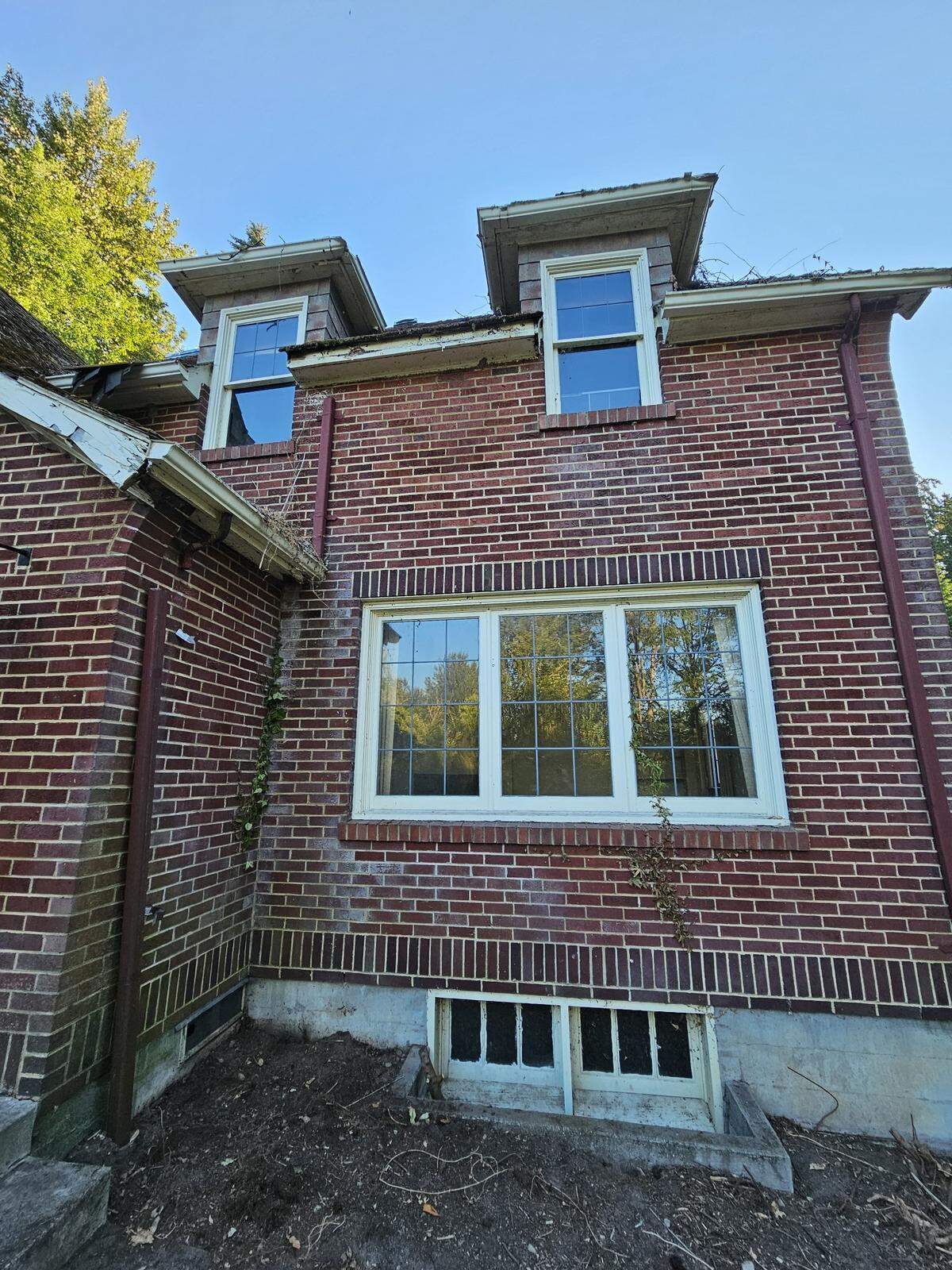
When the crew started the project, they noticed an unbelievable number of bees, an estimated 250,000.
“I was just shocked and intrigued about how many bees it really was,” Bowers said. “It’s like a once-in-a-lifetime find.”
The company posted about the project on Facebook Thursday, including photos and video.
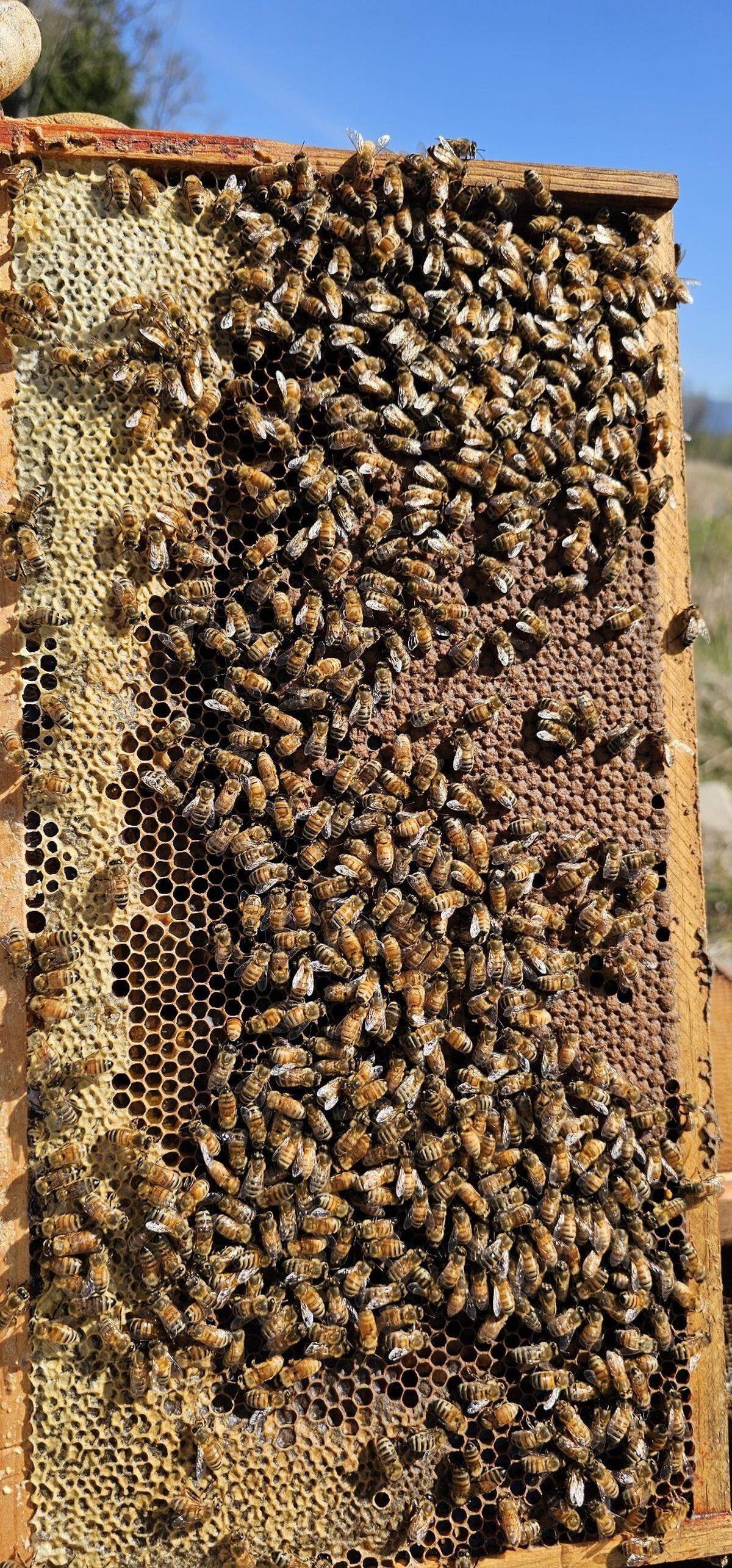
The population of honey bees has decreased significantly in the United States.
“Over the past decade, annual losses have typically ranged between 40 and 50%,” according to an article from the Washington State University Insider. Scientists say this decline threatens plant production, food security and ecosystem stability.
Instead of calling an exterminator, which Bowers said would be cheaper and more convenient, he decided to call someone to save the bees. Michael Pernorio, a local beekeeper with over 10 years of experience, agreed to help.
“It does cost us more time and delays the project, but it’s ultimately the right decision to make,” Bowers said.
Bowers declined to go into specifics about the location of the home or its ownership structure due to privacy concerns.
As the remodel continued this year, the team discovered many more bees. They found around 300,000 bees total, Pernorio said. Beehives that size are almost unheard of, he said. The size of this colony is due to the house being undisturbed for decades.
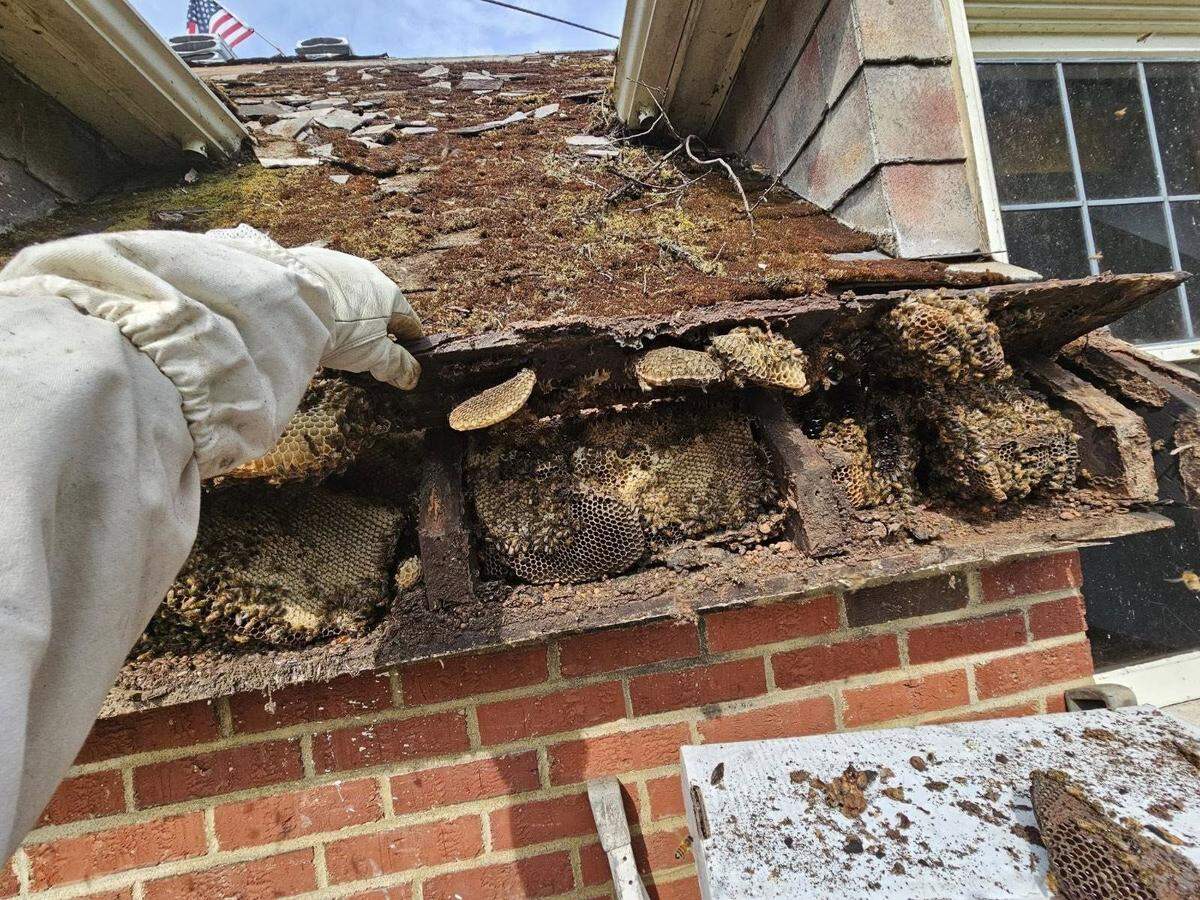
Pernorio has been manually removing the bee combs and placing them in wooden boxes that fit up to 110,000 bees per box. In his first removal, Pernorio said he filled three boxes of bees. He’s been observing their behavior at his 10-acre property in Buckley, he said.
“The bees are now being safely relocated by Michael, who is monitoring the queen’s behavior and working to rehome the colony in a safe, stable environment where they can continue to thrive,” according to the company’s Facebook post.
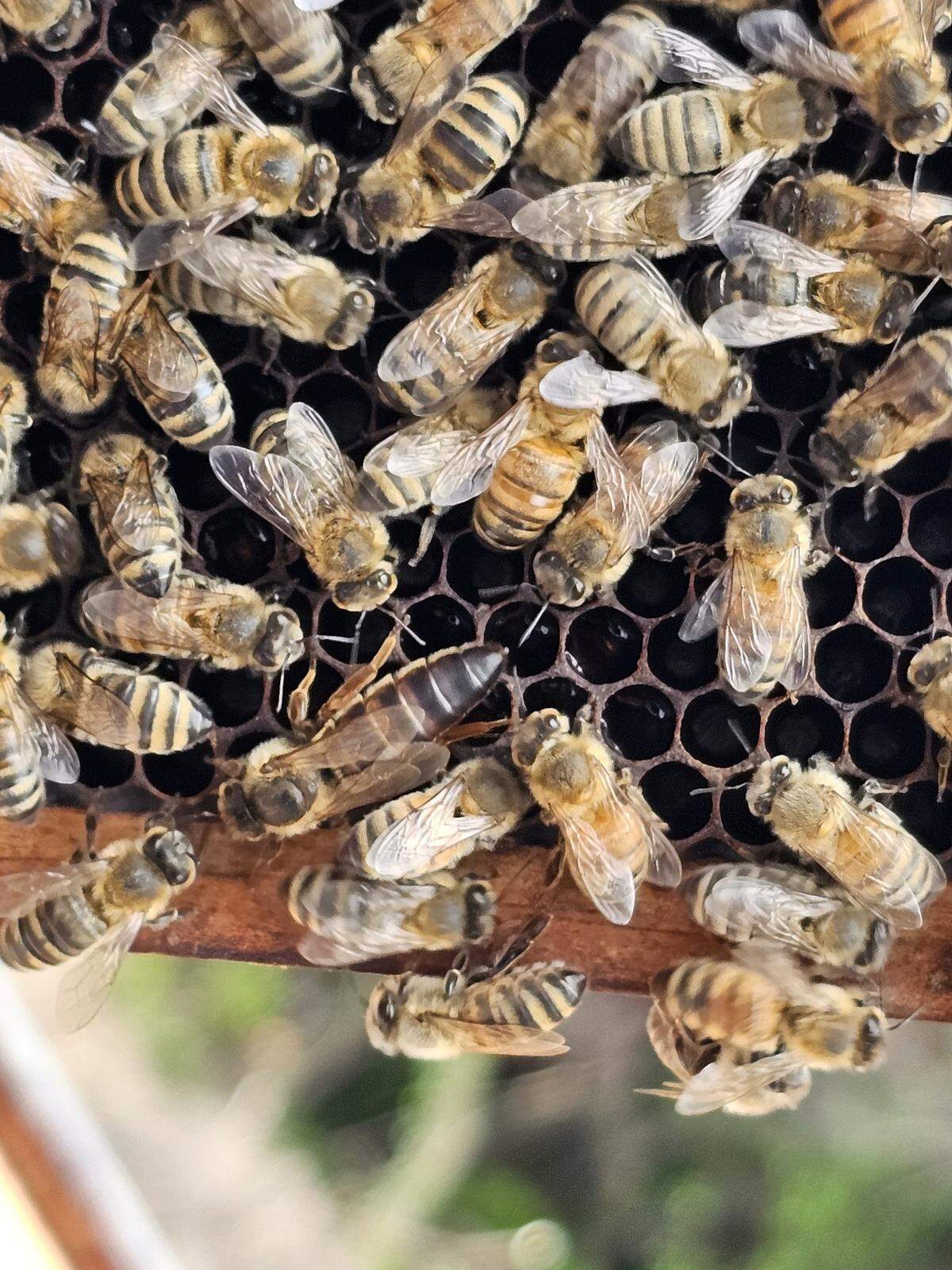
The construction team is still finding bees to preserve as they open up more walls and the ceiling of the house, Bowers said.
“In a time where pollinator populations are under constant threat, this rescue serves as more than just a feel-good moment—it’s a bold reminder of the impact small decisions can have on the world around us,” the Facebook post said.
This story was originally published June 10, 2025 at 11:46 AM.