DNA evidence but no ‘smoking gun’ on ex-Gig Harbor man charged in 1982 ax murder of wife
It wasn’t DNA evidence but the lack thereof that cinched the case against a former Gig Harbor man accused in the ax murder of his first wife.
When Cathleen Krauseneck was found dead in her bed Feb. 19, 1982, investigators scoured the couple’s Brighton, New York home for evidence.
They found a window broken from the outside.
An ax and maul, used for splitting wood, were taken from the Krausenecks’ unlocked garage.
The 2 1/2-foot handle of the ax, found embedded in Cathleen Krauseneck’s forehead, had been wiped clean.
Detectives were almost immediately suspicious of James Krauseneck Jr., who claimed he returned home from work that evening and found his wife dead in their bed.
Their 3-year-old daughter was safe in her room.
On Friday, a grand jury unsealed an indictment against James Krauseneck Jr., 67, charging him with second-degree murder in the death.
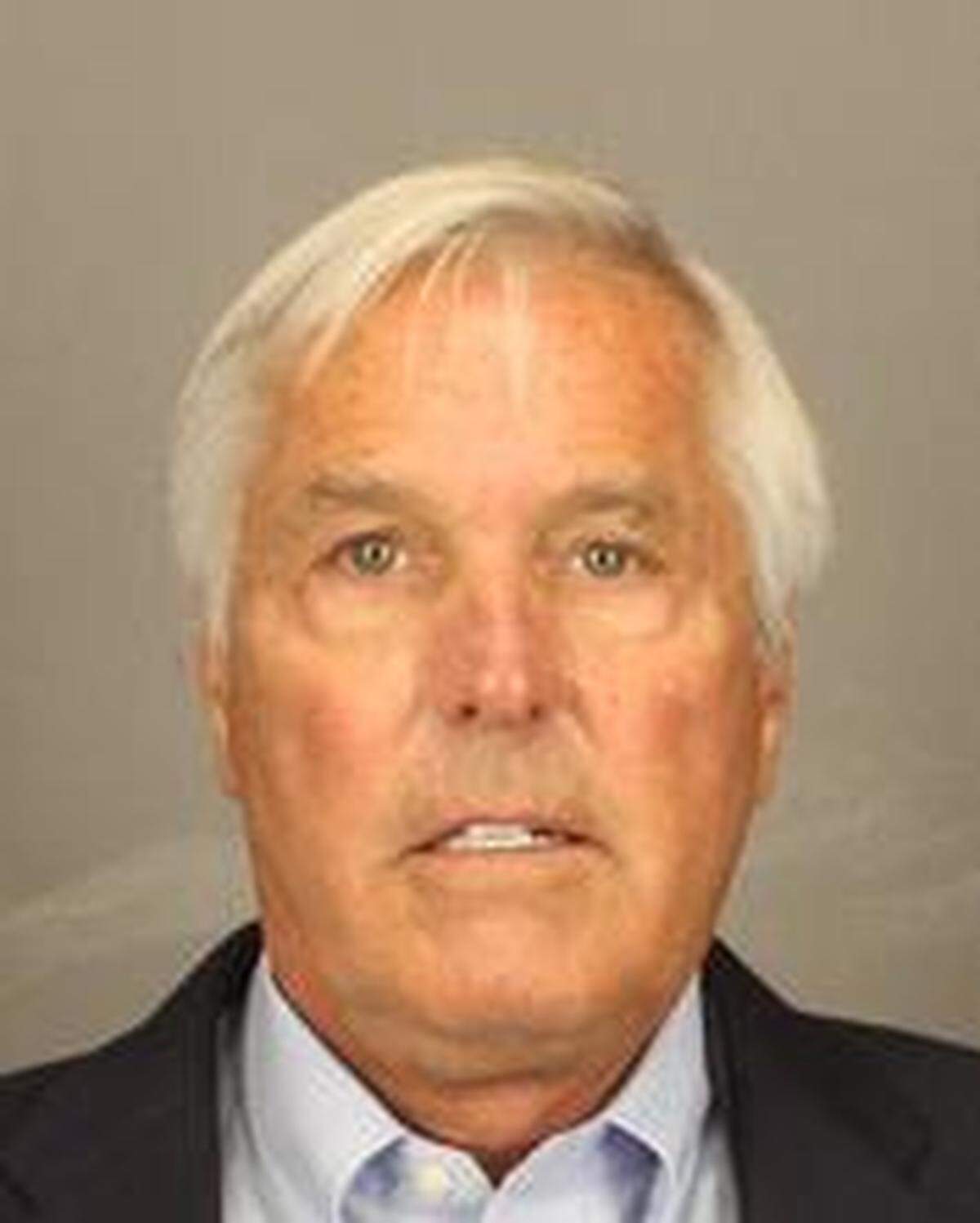
Brighton officials held a press conference Tuesday to discuss the cold case, which garnered new attention in 2015 after investigators presented the case to the FBI’s Cold Case Working Group.
As part of the renewed push on the Krauseneck homicide, boxes of handwritten files were digitized and forensic testing was done at the FBI’s lab in Quantico, Virginia.
The department maintained more than 100 pieces of evidence from the case.
Police declined to provide details about DNA results so as not to jeopardize the investigation.
“I understand people want a singular piece of evidence that can directly point to James Krauseneck Jr.,” Brighton Police Chief David Catholdi said Tuesday. “This is not one of those cases.”
He did say no DNA from anybody else was found inside the family home.
“It is telling there is no other physical evidence at the scene, including DNA, that points to anyone other than James Krauseneck Jr.,” Catholdi said.
Krauseneck was released on $100,000 bail at his court hearing last week and ordered to turn over his passport.
His daughter, Sara, accompanied him to court.
Officials said the timeline in the case would be crucial, but did not give details.
“It’s not the proverbial smoking gun,” Catholdi said.
Krauseneck’s trial is scheduled to start in June.
Early years
Cathleen Krauseneck (whose maiden name was Schlosser) and James Krauseneck went to high school together but didn’t start dating until they were students at Western Michigan University, her family said.
The couple lived in Colorado and Virginia before moving to Brighton, where James Krauseneck was an executive for Eastman Kodak Co. in Rochester, New York.
That’s when they allegedly began having problems.
Krauseneck was accused at work of lying about receiving a doctorate degree — something his wife discovered and confronted him about, Schlosser’s family said.
They’d been married about eight years when Cathleen Krauseneck was killed.
Neighbors and friends indicated there may have been abuse in the relationship, police said Tuesday.
Although James Krauseneck spoke with police the night his wife died, he skipped a follow-up interview the next morning. Police later discovered he’d taken his daughter and moved to Mount Clemens, Michigan, where he was originally from.
Investigators traveled there to speak with him.
Krauseneck agreed to allow a child psychologist talk to his daughter, but it never happened.
A letter from Krauseneck’s attorney at the time claimed police harassed his family and ordered all future contact go through the attorney.
Cooperation was a contentious subject between the Krauseneck family and police, even three decades ago.
“They’re all reluctant to offer information,” a Brighton detective told The Macomb Daily in a 1985 article. “It’s like Cathleen was murdered, taken off the face of the Earth and no one wants to help.”
Krauseneck then spoke publicly about his wife for the first time, claiming police did not have the resources to handle such a serious crime and were only looking into him because of mounting pressure to solve the case.
Investigators looked into every lead that popped up, but the case went cold.
Krauseneck moved to Gig Harbor and became vice president of sales for Weyerhaeuser, one of the world’s largest owners of timberlands.
Detectives visited him in Pierce County in April 2016, which prompted Krauseneck to retain attorneys in Washington and New York.
Two days after Brighton police left the state, Krauseneck and his fourth wife listed their 2,252-square-foot house along the eighth fairway of Canterwood Golf & Country Club for sale.
They eventually moved to Peoria, Arizona, after Krauseneck retired.
This story was originally published November 12, 2019 at 12:34 PM.