Third jury – first with Black jurors – weighs if alleged ‘Lakewood 4’ driver aided killer
The third jury to weigh the fate of the alleged getaway driver in the November 2009 assassinations of four Lakewood police officers began its deliberations Thursday, leaving the crowd in the courtroom hoping for the conclusion of an agonizing chapter in Pierce County’s history.
After a reversed conviction in the state Supreme Court in 2015 and a hung jury in November, the 12 people seated to assess the guilt of 51-year-old Dorcus Dewayne Allen earlier this year include people of color for the first time, according to defense attorney Mary Kay High. Four Black men, a Black woman, three white men and four white women remained after the dismissal of a juror who recognized a witness.
The case comes down to a trove of circumstantial evidence, a contested timeline and the credibility of Allen, who insists he didn’t know his boss and friend, Maurice Clemmons, walked away from a self-serve car wash more than 13 years ago with plans to gun down Mark Renninger, Tina Griswold, Gregory Richards and Ronald Owens as they met for coffee down the street.
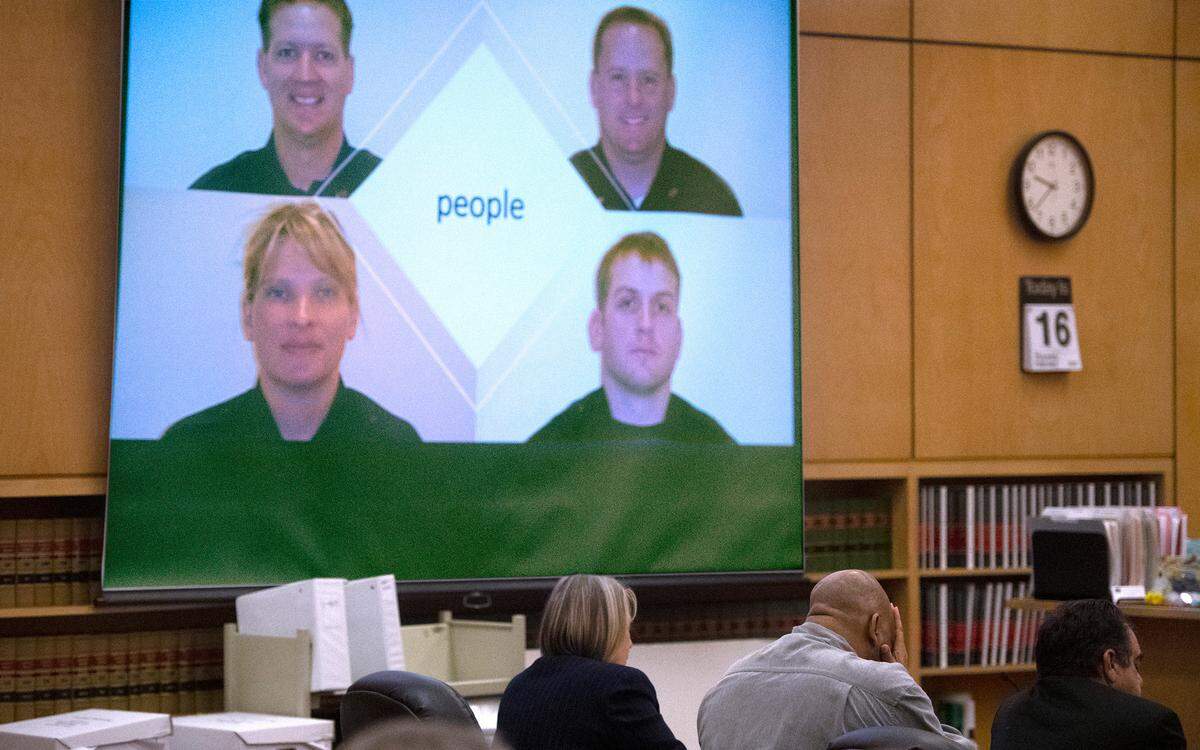
The Pierce County Prosecuting Attorney’s Office, which charged Allen with four counts of first-degree murder under the first name Darcus, alleges Clemmons couldn’t have walked to the coffee shop, committed the murders and slipped away without someone’s help.
Before that day, deputy prosecuting attorneys Sunni Ko and Jim Schacht argued, he and Clemmons purchased prepaid phones to set a lethal trap for police where Clemmons would cut off his GPS monitor and Allen would warn him when the police arrived.
Ko and Schacht referred to the phones as “burner phones” and used call records to glean who was communicating and where. Allen has said they were purchased for work, while his defense attorneys underscored how the contents of the calls are unknown.
When police never came looking for Clemmons, Ko said, the men concocted the plan to ambush officers instead.
“And it almost worked,” Ko said during closings arguments Thursday morning. “But fate had a different plan.”
Two baristas who worked at Forza Coffee in Parkland drove away to call for help and saw the man who gunned down the officers get into the white pickup Allen was waiting with at the car wash, according to court testimony. The coffee shop was later renamed Blue Steele Coffee in honor of the officers.
While Clemmons was away, Allen has said he went to get change for the car wash and bought a cigar at a nearby convenience store. Prosecutors alleged the trip to the convenience store, where the baristas eventually called 911, was part of Allen’s plan to create an alibi by getting on surveillance footage.
The videotape from the convenience store was destroyed after law enforcement repeatedly attempted to play it on an incompatible VCR during the investigation, according to court testimony. Investigators recovered some still images.
Ko also emphasized Allen’s knowledge of Clemmons’ anti-police sentiments and inconsistencies in his story about the day in question as reasons jurors should have no doubt Allen was a willing — though perhaps reluctant — accomplice.
“He has to count on his fingers that eight means the month of August,” said Ko, questioning why Allen didn’t have a better recollection of the events while on the witness stand. “Is the truth so hard to remember?”
“They don’t hold water, they fall apart at the seams,” Ko said about Allen’s words being weighed against other evidence.
One of Allen’s defense attorneys, Pete Mazzone, said during closing arguments that the prosecution’s lack of direct evidence has put them on the defensive.
“Wild speculation, innuendo and suspicion,” Mazzone summarized.
Mazzone attempted to poke holes in and raise alternatives to the prosecution’s timeline, pointing to 911 calls witnesses made and the arrival of a police officer at the convenience store as reasons the shooting occurred minutes later than prosecutors allege.
“So much for the timeline giving you insight into a drop-off,” Mazzone said about the prosecution’s theory that Allen dropped Clemmons off directly outside the coffee shop.
In Allen’s telling, he got change for the car wash at the convenience store, noticed the sprayer didn’t work, moved to another stall and realized he needed more change to start the machine, according to court testimony. Clemmons came back before he finished washing the car.
“What the evidence demonstrates is he was totally oblivious,” said Mazzone.
After Clemmons got back to the truck, Allen testified last week, his boss demanded they leave and ordered him to speed up. He said Clemmons showed him the butt of a pistol when he didn’t accelerate and that he saw a smear of blood on Clemmons’ thumb.
Allen testified he pulled over as soon as he could to get away from Clemmons and caught a bus to the home he shared with Clemmons’ sister, who Allen was involved with romantically. Allen saw news of the murders when he flipped on the TV and made a plan to get out of the house, fearing someone could get hurt if law enforcement came busting through the door, he said.
Police arrested Allen two days later at a motel that he’d checked into under an alias. Allen testified that officers threatened to shoot him and interrogated him off-tape before detectives arrived to interview him.
“Say another word and I’ll blow your brains out,” Allen recalled an officer saying.
To emphasize the amount of evidence in the case, Schacht dropped a massive binder of papers on his desk and briefly held the pistols Clemmons used in the attack, gesturing with them as he spoke.
“You have a lot of evidence,” Schacht said as he ended his rebuttal to Mazzone.
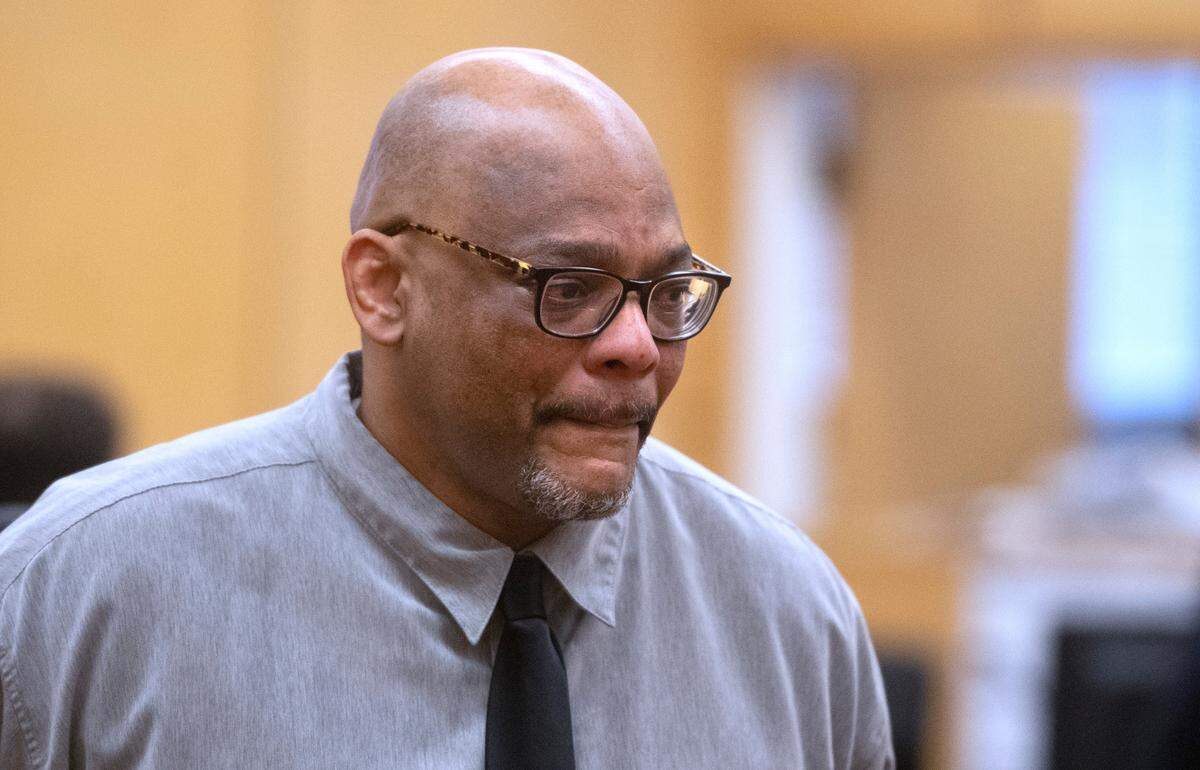
Allen cried and nodded toward the courtroom gallery as he was led away in shackles following Mazzone’s final argument before the jury.
“It’s been too long, it’s been way too long,” Mazzone said. “Let’s not prolong Mr. Allen’s 13 years of hell.”
This story was originally published February 17, 2023 at 5:00 AM.