Did police kill Manuel Ellis? Or was it meth? Trial experts to offer divergent opinions
Jurors in the impending trial of three Tacoma police officers charged in the killing of Manuel Ellis in March 2020 will be bombarded by expert testimony, court records show, including from a crowd of various doctors and current and former cops.
Questions over the cause of Ellis’ death, how methamphetamine in his system affected him the night he encountered police and whether the officers acted appropriately while detaining and restraining him will play a large part in the trial, the records show. Both prosecutors and defense attorneys have disclosed about a dozen expert witnesses to offer their opinions.
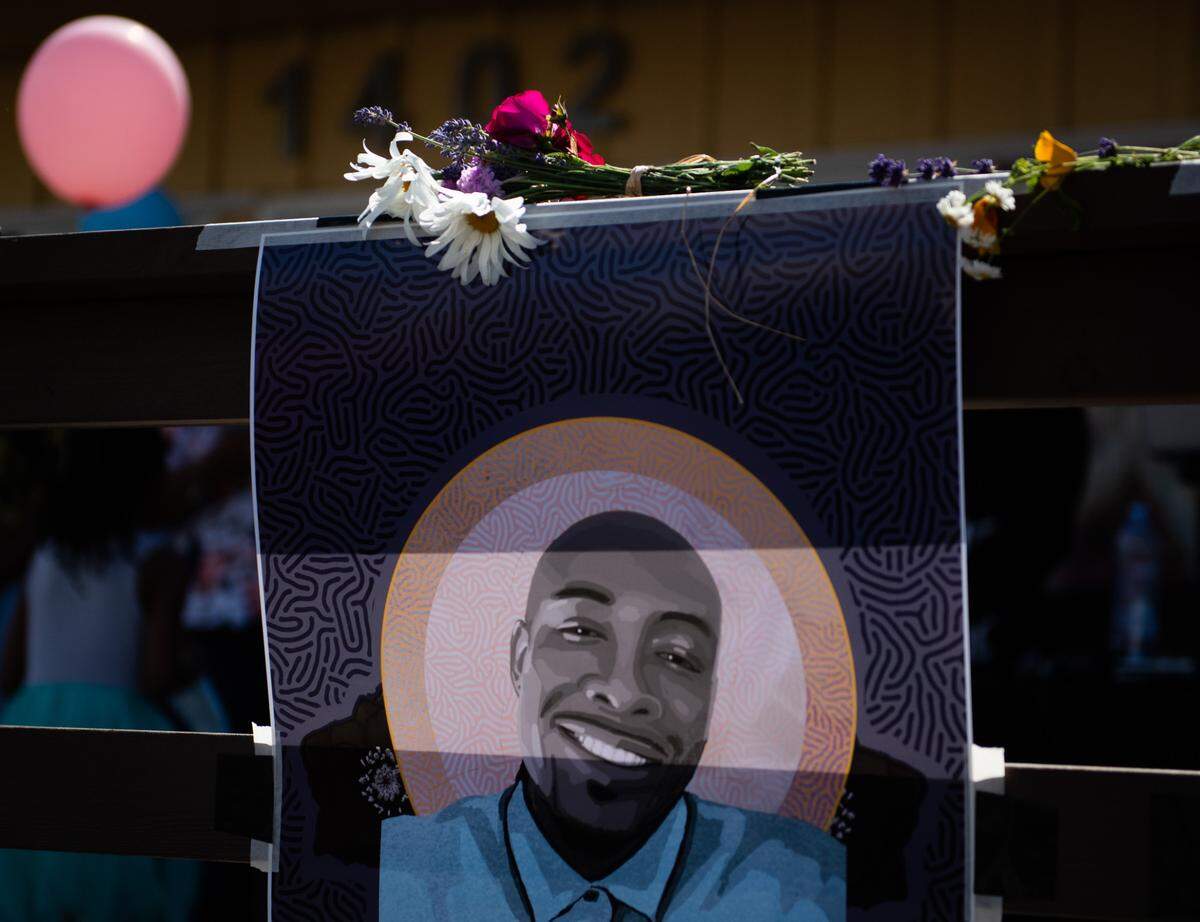
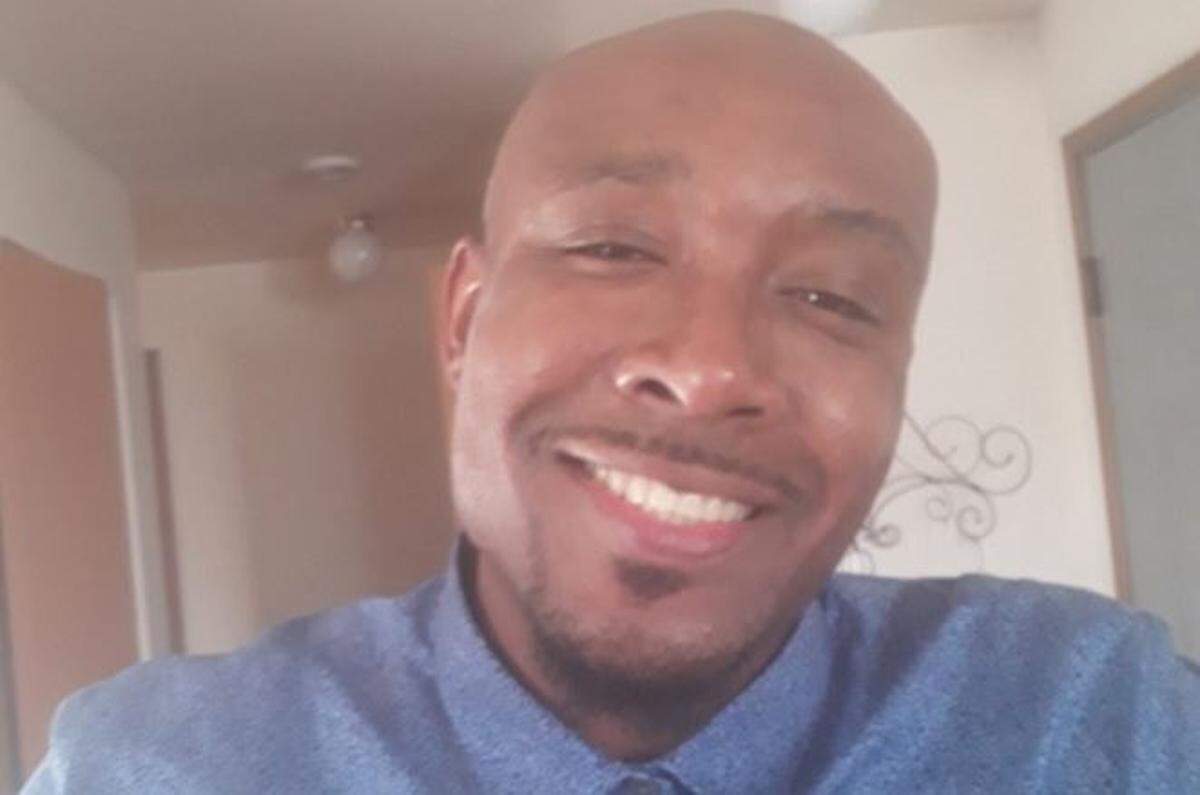
Christopher Burbank and Matthew Collins are facing second-degree murder and first-degree manslaughter charges in the killing of Ellis, a Black man who was unarmed when he was restrained, Tasered and beaten on a South End street corner while he walked home from a 7-Eleven.
The officers are white, and they had been with the Tacoma Police Department for four-and-a-half years and five years, respectively, when Ellis died. Timothy Rankine, who is Asian American, is charged with first-degree manslaughter. He had been with the department for a year and 10 months at the time.
Jury selection is expected to begin at 9 a.m. Monday and is scheduled for two weeks. Opening statements are projected to begin Oct. 2, with testimony to start that day and continue for eight weeks. More than 250 people have been listed as potential witnesses. It’s unclear how many will be called to testify.
Superior Court Judge Bryan Chushcoff will preside over the trial with Attorney General Bob Ferguson’s office leading the prosecution. Burbank is represented by attorneys Wayne Fricke and Brett Purtzer. Attorneys Casey Arbenz and Jared Ausserer are representing Collins, and Rankine is represented by Anne Bremner, Ted Buck and Mark Conrad.
How the encounter began and who the first aggressor was also might play a large part in the trial. Prosecutors allege that Burbank and Collins attacked Ellis without justification, tackling him, punching him, squeezing his neck until he went limp and shocking him with a Taser. They allegedly held Ellis to the pavement while waiting for other officers to arrive and told him to “shut the [expletive] up,” while the man pleaded with them that he could not breathe.
Burbank and Collins allegedly helped other officers tie Ellis’ legs to his handcuffs, stood by as an officer put a spit hood over Ellis’ head and face, which was bleeding, and stood by while Ellis remained in the prone position, held down by Rankine.
Attorneys for Collins have said the deadly run-in began when he and Burbank saw Ellis trying to open the door of a vehicle at the junction of 96th Street South and Ainsworth Avenue. According to Collins’ trial brief, he rolled down his patrol vehicle’s window and asked Ellis if everything was OK. Ellis approached, sweating and saying he had warrants, attorneys wrote. Collins told him to walk to the sidewalk, and as he did, he noticed Burbank in the car and started punching the passenger window.
Burbank opened his door, hitting Ellis to stop him from attacking the patrol car, attorneys for Collins wrote in court filings. Both officers got out, and Collins reported Ellis fought them with “superhuman strength” as they tried to restrain him.
Disagreements over how the police contact began mean video and audio evidence could take center stage. Prosecutors from the Washington State Attorney General’s Office have retained experts on forensic video and audio analysis to stitch together police radio recordings, video from two bystanders and footage from a doorbell camera.

Ellis’ cause of death
When Ellis’ autopsy was completed in 2020, the former Pierce County medical examiner, Dr. Thomas Clark, found the 33-year-old man’s cause of death was hypoxia due to physical restraint, and he ruled it a homicide. Hypoxia is a deficiency in the amount of oxygen reaching body tissues.
The cause of death was complicated by other factors, including methamphetamine intoxication and a dilated, or enlarged, heart, both of which defense experts have latched onto as evidence that Ellis died not because of officers’ involvement, according to court filings, but because of his drug use and underlying health conditions.
Dr. Jennifer Stankus, a defense expert who works as an emergency physician at Madigan Army Medical Center, wrote in her opinion that Ellis would have died that night regardless of whether he had encountered law enforcement, and she believes he died of a heart attack due to long-standing heart disease causing an irregular heartbeat. She wrote that his condition was worsened by meth ingestion and “likely acidosis,” due to agitated and aggressive fighting.
Clark’s autopsy report noted that the 2400 ng/mL of methamphetamine in Ellis’ system, an “extremely high” concentration, in his words, could have caused death on its own. But he wrote that if it had, something such as ventricular fibrillation, a type of irregular heartbeat, would have caused his death.
Clark announced his retirement in 2019 after almost a decade in the position and stayed on through the end of 2020. He has been retained as an expert for the state, and his position on Ellis’ death hasn’t changed. In a report completed in May 2021, he wrote that of the three potential causes of death (meth intoxication, heart disease and hypoxia due to physical restraint), hypoxia remains at the top of the list.
Ellis’ prone position, the hobbles and handcuffs he was restrained by and the spit hood contributed to hypoxia, according to Clark, and an officers’ weight on the man’s back might have contributed as well.
Still, in an interview with prosecutors conducted in December 2020, he reportedly said there’s no scientific way to come to a precise conclusion. Each factor contributing to Ellis’ death could have caused it on its own, according to a summary of the interview, but hypoxia was the most present factor.
Dr. Roger Mitchell Jr., a professor and chair of pathology at Howard University College of Medicine, might testify to support Clark’s opinion. The former chief medical examiner for Washington, D.C., Mitchell specializes in in-custody deaths. According to court records, it’s his opinion that Ellis’ death was directly caused by the actions of law enforcement.
Fending off defense motions to have Mitchell excluded from testifying for offering the same opinion as Clark, prosecutors argued in July that both perspectives were crucial because they anticipate that the defense will attack Clark’s credibility and the integrity of the autopsy he completed. His office was marred by controversy in 2019, including allegations of workplace harassment and mishandling death investigations. A medical board cleared Clark of the allegations in 2022.
Prosecutors wrote in court filings that Mitchell reviewed Clark’s autopsy and performed additional tests such as examining lung and heart tissue slides that supported his conclusion that Ellis died of hypoxia. Prosecutors also disclosed a third expert, Dr. David Wohlgelernter, a cardiologist from California. It’s his opinion that the cardiac arrest Ellis experienced before his death was due to the way officers restrained him and the pressure applied to his back.
Two other defense experts, Dr. Michael Fishbein and Dr. Alexander Marmureanu, could testify to Ellis’ cause of death. According to their reports, both believe it was a meth overdose. Fishbein is a professor of pathology and medicine at the University of California, Los Angeles, and Marmureanu is a thoracic and cardiovascular surgeon from California.
Officers’ use of force
Prosecutors have disclosed three experts who could testify to the use of force Burbank, Collins and Rankine employed and whether their actions align with generally accepted law enforcement practices and training. Attorneys for the defendants have disclosed two such experts. Both sides came to markedly different conclusions.
Overall, defense experts found that all three officers’ actions were justified, and the extent of their use of force was reasonable considering Ellis’ “assaultive” behavior and the threat he purportedly posed to the defendants, himself and the wider community.
Experts for the state disagreed.
John “Jack” Ryan, a former police officer from Providence, Rhode Island, who also holds a law degree from Suffolk University, wrote that the force used against Ellis was significant, and that specifically Burbank’s use of a Taser three times and Collins’ use of a neck restraint were contrary to generally accepted police policies and training.
Ryan said it’s possible that officers had justification to stop and arrest Ellis, depending on whether you believe the defendants’ accounts or that of witnesses such as Sara McDowell, but even if the stop was appropriate, the prolonged restraint of Ellis in a prone position with pressure on his back was contrary to all law enforcement practices and training.
“I would note that the involved officers, based on their statements were familiar with the dangers of prone restraint and the need to get Ellis in a recovery position,” Ryan wrote in his report. “They simply disregarded the need to do so.”
Dr. William Smock, a police surgeon and instructor at the Louisville Metro Police Academy retained by the state, also focused on Ellis being kept in a prone position with pressure on his back. He criticized the officers for failing to place the man in a recovery position immediately after he was handcuffed and hobbled, and that the continued pressure on Ellis restricted his ability to breathe, leading to his death.
Defense expert Thomas Burns, a former Seattle police officer, paid specific attention to when Rankine increased or decreased the pressure on Ellis’ back based on the placement of his knees. Rankine arrived at the scene with officer Masyih Ford within two minutes of Burbank’s call for backup.
Burns was a defense tactics instructor for Seattle police for the last six of his 30-plus-year career. In his opinion, each time Rankine increased pressure, he was doing so in direct response to Ellis’ actions. He said when Ellis’ resistance moved officers and himself further into the street, Rankine increased pressure because he recognized that was a riskier place for everyone to be. Later, when Rankine heard Ellis say he couldn’t breathe, Burns said the officer told the man some pressure would be eased if he calmed down. Ellis reportedly quieted down, and Rankine moved a knee to his shoulder, but Ellis responded by thrashing on the ground again. Burns said Rankine was “forced” to return his knee to the middle of Ellis’ back.
Chris Nielsen, a Renton police sergeant who also holds a law degree from Syracuse University, offered broader opinions about the actions of all three officers for the defense. He said reasonable police officers would find Ellis’ behavior assaultive, and that punching Ellis, deploying a Taser, hobbling Ellis’ feet and Collins’ attempt to apply a vascular neck restraint were all appropriate uses of force that aligned with the policies of the Tacoma Police Department.
Nielsen also said the intensity of Ellis’ aggression ruled out any opportunity officers had to de-escalate the situation.
Defense experts did little to address the use of a spit hood on Ellis. The mask wasn’t placed on him by the officers accused in his death, but prosecutors have accused them of failing to intervene even though all three heard Ellis pleading that he could not breathe.
At the time, Tacoma police did not have any policy on the use of spit hoods. Still, the state’s expert, Smock, said the officers failed to heed warning labels on the spit hood, which read: “DO NOT USE on anyone that is vomiting, having difficulty breathing or is bleeding profusely from the area around the mouth or nose.”

Both the prosecution and defense have raised issues about the others’ experts and have sought to entirely exclude or limit what they could testify to.
Rankine’s attorneys argued in July that Smock’s expected testimony is outside his area of expertise. He is an emergency room physician and hasn’t himself attended a basic law enforcement academy, the lawyers said, so his opinions on police training and policy should be excluded.
Smock’s report, for example, discusses Collins’ use of a vascular neck restraint on Ellis, and he notes that Louisville police officers are trained to avoid pressure to the neck. Lawyers for Rankine said these opinions are irrelevant, confusing, and that the only policy relevant to this case is that of the Tacoma Police Department.
Attorneys for the state said those arguments ignore the fact that Smock’s expertise is analyzing the relationship between police practices and risks to human life. They said his combination of medical and law enforcement expertise uniquely positions him to speak on those issues.
The defense has also sought to exclude the state’s third use-of-force expert, Sue Peters, for offering the same opinions as Ryan. Prosecutors admitted the two have some overlap in their reports, but Peters’ focus was on how Rankine should have recognized Ellis was in medical distress and adjusted his conduct accordingly. Little about Peter’s background is included in court filings, but the Attorney General’s Office has said she is a retired police officer and an expert in police practices and use of force.
Prosecutors made motions to limit the testimony of both Nielsen and Burns, arguing to exclude them from offering a variety of opinions, including the state of mind of officers at the scene, such as whether Rankine checking Ellis’ pulse showed his concern for the man. Prosecutors want to exclude them from offering opinions on what video evidence depicts or making legal conclusions on reasonable suspicion and probable cause. Other contested testimony includes opinions on Ellis’ medical condition, his level of intoxication and whether he was experiencing “excited delirium,” a controversial term not recognized as a diagnosis by several leading U.S. medical associations.
Also at issue was testimony based on so-called “Force Science.” Prosecutors said the experts offered numerous opinions on witness credibility and collateral comments based on Force Science, a brand name of paid courses which, according to Nielsen’s CV, is the study of human performance during high-stress events.
State attorneys said numerous courts around the United States have found Force Science isn’t an accepted field of science, and that it is widely seen as unreliable, pseudo-scientific analysis “engineered to justify officers’ use of force.”
Toxicology
Ellis’ family has been open about the fact that he was an addict who suffered from mental health issues, and the man was living in a clean-and-sober house working to turn his life around before the encounter with Tacoma police.
Prosecutors have made motions to limit how much testimony is heard about Ellis’ drug use, while defense attorneys have moved to admit treatment reports specifically related to his use of methamphetamine. Defense attorneys argued in court filings that officers saw Ellis display specific conduct they attribute to meth intoxication, and those observations contradicted prosecutors’ version of events.
Even if limited, testimony in the trial almost certainly would delve into Ellis’ drug use and how it affected him. Both sides have disclosed two medical experts to testify to that, and they again come to very different conclusions. State experts say the level of meth in Ellis’ system, 2400 ng/mL, was within “recreational levels,” while defense experts claim that level of intoxication is clearly in a fatal range.
Dr. Michael Levine, an associate professor of emergency medicine at UCLA, is expected to testify for the defense that in his opinion, Ellis died of acute meth toxicity, or overdose. Levine is also director of a toxicology consulting service at UCLA. He wrote in his report that a level of meth “as high as observed in Mr. Ellis” would cause impaired judgment, and it’s common for the drug to worsen mental health.
The doctor wrote that it’s his opinion that Ellis likely used meth within a few hours, at most, of his death, and that “abnormal” behavior exhibited by him was consistent with meth use. He noted that some described sounds Ellis made as “animal noises.” Prosecutors have sought to exclude any testimony using that description or other “racially coded language” on the grounds that it risks creating racial prejudice among jurors.
One state expert, Dr. Curtis Veal, said he believes meth played no role in Ellis’ death. Veal is an internal medicine, pulmonary and critical care specialist who has worked at Swedish Medical Center in Seattle since 1990. Citing the National Highway Traffic Safety Administration, he said normal concentrations of meth in recreational usage range from 10 to 2500 ng/mL, and he concluded that if Ellis had died of a meth overdose, the symptoms he had before his death would have been different.
Dr. Michael Freeman also said the level of meth in Ellis’ blood was recreational. Freeman, a state expert, is a consultant in forensic medicine with a background in death investigations. He holds a medical degree from a Swedish university and has a Ph.D. in epidemiology from Oregon State University. Freeman said compared to opiates, meth has a relatively low hospitalization and death rate. There were 103,000 emergency room visits associated with its use in 2011. Of them, 2,700 people died, a death rate of 1 in 444.
“Methamphetamine isn’t like cyanide or some other poison, which is invariably the cause of death when it is found in a decedent,” Freeman wrote in his report. “Like alcohol, most of the time that amphetamine is present in a decedent it is not the cause of death.”
Both doctors also addressed Ellis’ enlarged heart, a condition associated with long-term meth use, and they concluded that the likelihood he suddenly died because of it is very small. Veal said, considering Ellis’ size, the man’s cardiac health was essentially normal. Both doctors found that Ellis being assaulted and restrained in a prone position carried a much higher risk of death.
The defense also retained a professor of psychiatry from the University of Washington, Dr. Richard Ries, to offer opinions on how meth affected Ellis’ state of mind during the encounter. Reviewing the man’s medical history, Ries reported that Ellis’ meth use has resulted in numerous hospitalizations and episodes of addiction and psychiatric treatment. He said such incidents noted hallucinations, paranoia and other bizarre behavior.
Even recreational use of meth, according to Ries, can lead to hyperactivity, aggression and violence. He believes that the amount of meth in Ellis’ system was greatly beyond recreational levels, and he said it was a toxic or lethal amount of the drug that led to “psychotic” behavior Ellis exhibited.
Prosecutors have made motions to exclude certain testimony from both defense experts, arguing in July that Ries shouldn’t offer opinions that Ellis would have behaved a certain way on the night of his death based on his past drug use, mental health diagnoses or criminal history. Similar motions were made in regard to defense expert Levine.
The state’s experts also have been challenged by the defense, with attorneys for Rankine arguing that Freeman’s statistics on emergency room visits and deaths related to meth use are logically flawed. Veal, they said, was offering opinions outside his area of expertise. Prosecutors shot back in court filings, stating that the defense was misreading Freeman’s report and that Veal, who said knowledge of toxicology is required in his work on a daily basis, is qualified.
This story was originally published September 15, 2023 at 5:00 AM.