
Defense says Manuel Ellis ‘had no quit in him;’ witnesses testify about his past arrests
Jurors heard testimony Monday afternoon about a previous arrest when Manuel Ellis was on methamphetamine and struggled with police in the trial of three Tacoma police officers charged for his death.
Pierce County Sheriff’s deputies who arrested Ellis in 2019 after he allegedly tried to rob a fast-food restaurant described him as naked and apparently under the influence of drugs when he charged them and was subdued with a Taser. Lawyers for the officers on trial have argued that the earlier incidents show Ellis had a tendency to act aggressively toward police when he was high on methamphetamine.
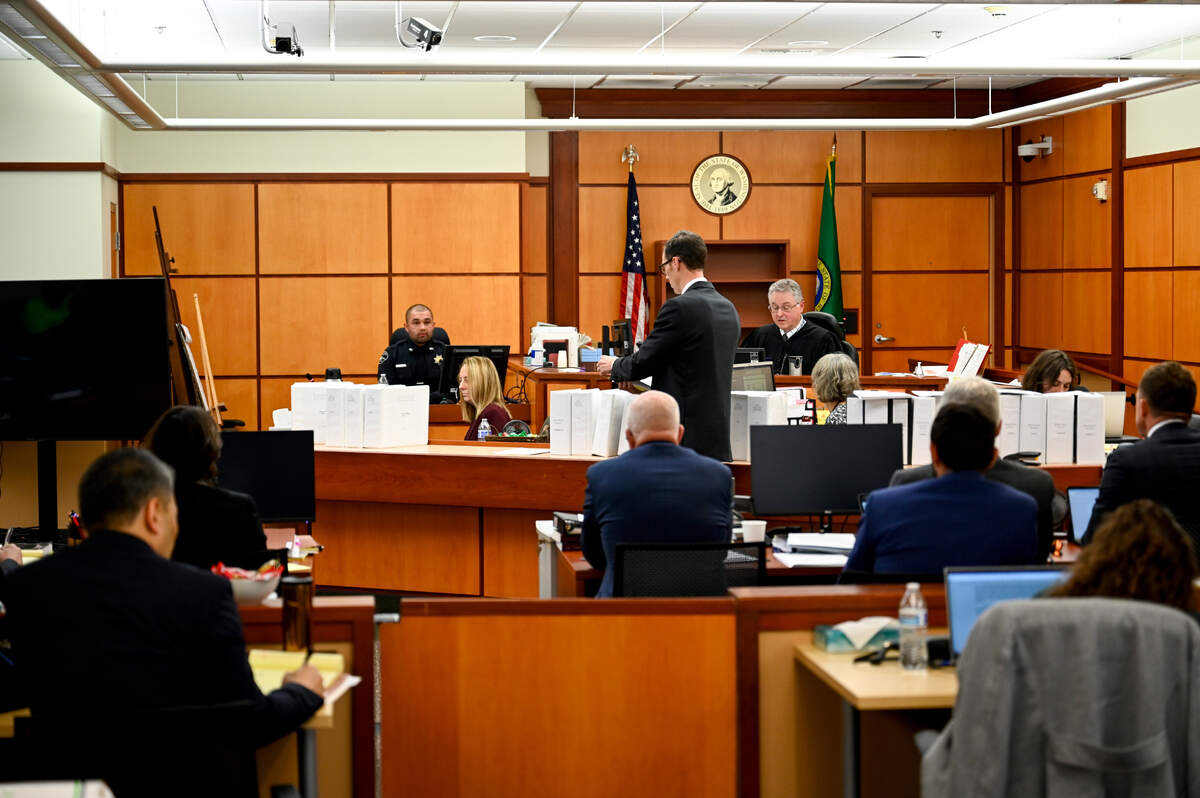
Ellis, 33, died March 3, 2020, after a struggle with police. Ellis said he couldn’t breathe at least five times while police continued to apply force. The Pierce County medical examiner ruled Ellis’ death a homicide caused by lack of oxygen from physical restraint. Lawyers for the officers contend Ellis died from the high level of methamphetamine in his system and an enlarged heart.
Collins, 40, Christopher “Shane” Burbank, 38, and Timothy Rankine, 34, are charged with first-degree manslaughter. Collins and Burbank, who were the first to engage with Ellis, also face second-degree murder charges. Rankine arrived minutes later and sat on Ellis as he was handcuffed and in a hobble connecting his wrists to his ankles. Rankine refused to get off Ellis, even when he said he couldn’t breathe. All three have pleaded not guilty, are free on bail and remain employed by the Tacoma Police Department on paid leave.
Before resting their case last week, prosecutors from the Washington Attorney General’s Office presented three eyewitnesses who say they saw the interaction between Collins, Burbank and Ellis from the start. Each said the officers attacked Ellis without provocation. Two of them recorded cellphone videos of the struggle. Medical experts for the prosecution testified that restraint by the officers was the most important factor in Ellis’ death.
Monday morning, Collins’ lawyer, Casey Arbenz, gave his opening statements, which he’d deferred presenting at the start of the trial. Arbenz emphasized Ellis’ 2019 arrest, as well as another in 2015 while high on meth. He said those earlier incidents are “highly relevant to understanding who [Ellis] was on that night and what officers were faced with.”
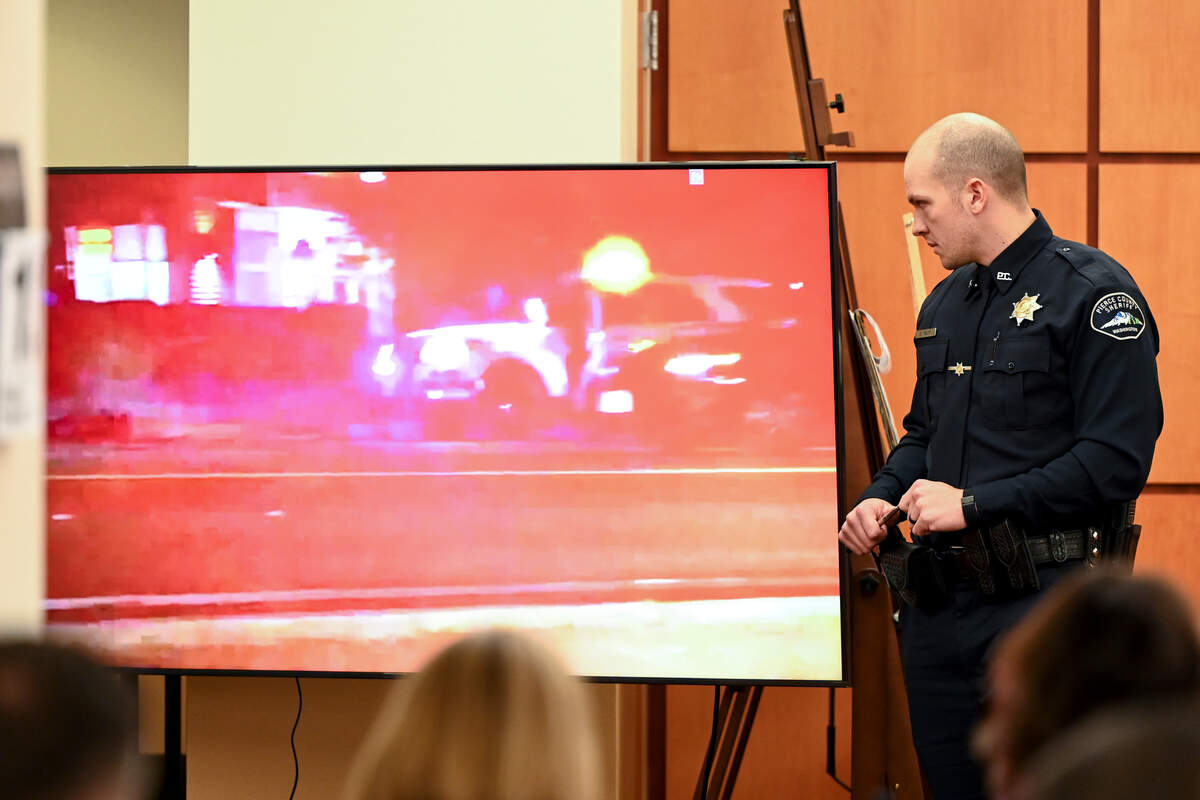
In September 2019, Ellis was arrested after allegedly trying to steal from the cash register of a fast-food restaurant, where he was beaten by an employee as he tried to get away. Ellis was charged with attempted robbery and released on his own recognizance with the conditions that he abstain from drugs and get treatment for addiction.
Pierce County Sheriff’s Deputy Gabriel Bol, one of the officers present when Ellis was arrested in 2019, said he arrived to find Ellis lying nude on the ground on Pacific Avenue. Bol said he ordered Ellis to remain on the ground. “He didn’t comply. He charged at us, and I tased him,” Bol said. Later, Ellis admitted to Bol he was under the influence of meth and marijuana, Bol testified.
Another deputy at the 2019 scene, Deputy Arron Wolfe, testified Monday afternoon that he had his gun drawn. Assistant Washington Attorney General Lori Nicolavo asked Wolfe whether Ellis had hit, kicked or hurt any officers at that point. Wolfe said Ellis had not, but because he advanced toward officers and disregarded their commands, Wolfe was prepared to shoot. However, he did not need to when Ellis was subdued with a Taser.
Like the night he died, Ellis was held down under the weight of deputies while prone and handcuffed.
“It hangs in my memory as a large call that I’ve had to respond to,” Wolfe testified.
After his arrest in 2019, Ellis awoke in a hospital with a medical technician treating his wounds. Cody Pollock, the medical technician, testified that when Ellis woke, “He sat up, postured at me and made a fist at me.” He called Ellis’ actions “a step up from the normal aggressiveness” he sometimes encountered in his job.
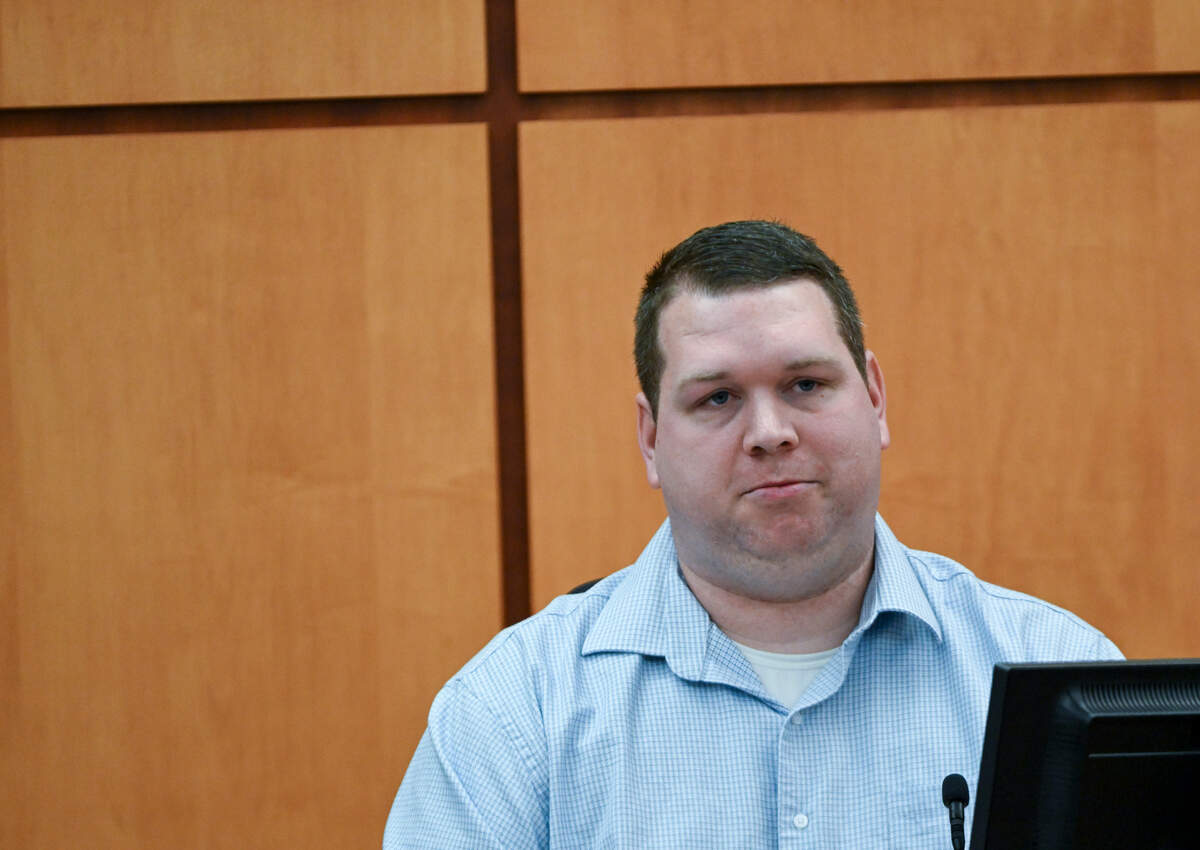
A nurse’s notes introduced into evidence describe Ellis’ demeanor when he woke in the hospital as “anxious and fearful” but not aggressive. Ellis’ discharge note from a doctor at the hospital the night of his 2019 arrest recommended follow-up care, then concluded by urging in all caps, “Stop using meth.”
Days after Ellis’ death, Collins and Burbank told detectives they contacted Ellis after seeing him reaching for the door handle of a car as it passed through an intersection. Collins, who weighs 235 pounds in his full police gear, told detectives Ellis started the physical altercation by hoisting him off of his feet and throwing him on his back. Eyewitnesses earlier in the trial contradicted Collins’ statement, saying the struggle started when Burbank flung open the door of a police cruiser and knocked Ellis to the ground.
Collins intends to testify, Arbenz said. Rankine’s lawyers also have said he plans to testify. Burbank’s lawyers have been silent about whether he intends to testify.
Arbenz blamed Ellis for the struggle that ended with his death. “You’ll hear what a dangerous situation this became due to Mr. Ellis simply not putting his hands behind his back,” Arbenz told the jury.
Arbenz described Collins as a husband and father of four who spent eight years in the U.S. Army, including multiple combat deployments to Afghanistan and Iraq. “Take into account his 13 years of service to our city and our country … the way he’s fought for you,” Arbenz urged jurors as he concluded his opening statement.
Pierce County Superior Court Judge Bryan Chushcoff called Arbenz’s statement “inappropriate” and instructed the jury to disregard it and allow “neither sympathy nor prejudice” to influence its verdict.
Testimony resumes Tuesday.
Morning report:
A lawyer for one of three Tacoma police officers on trial for the death of Manuel Ellis told jurors to be skeptical of key prosecution witnesses and urged them to focus on Ellis’ history of drug use, as the trial entered its seventh week Monday.
Casey Arbenz, a lawyer representing officer Matthew Collins, used his Monday morning opening statement, which he had deferred presenting at the beginning of the trial, to spotlight two prior arrests of Ellis — in 2015 and 2019 — when he was under the influence of methamphetamine.
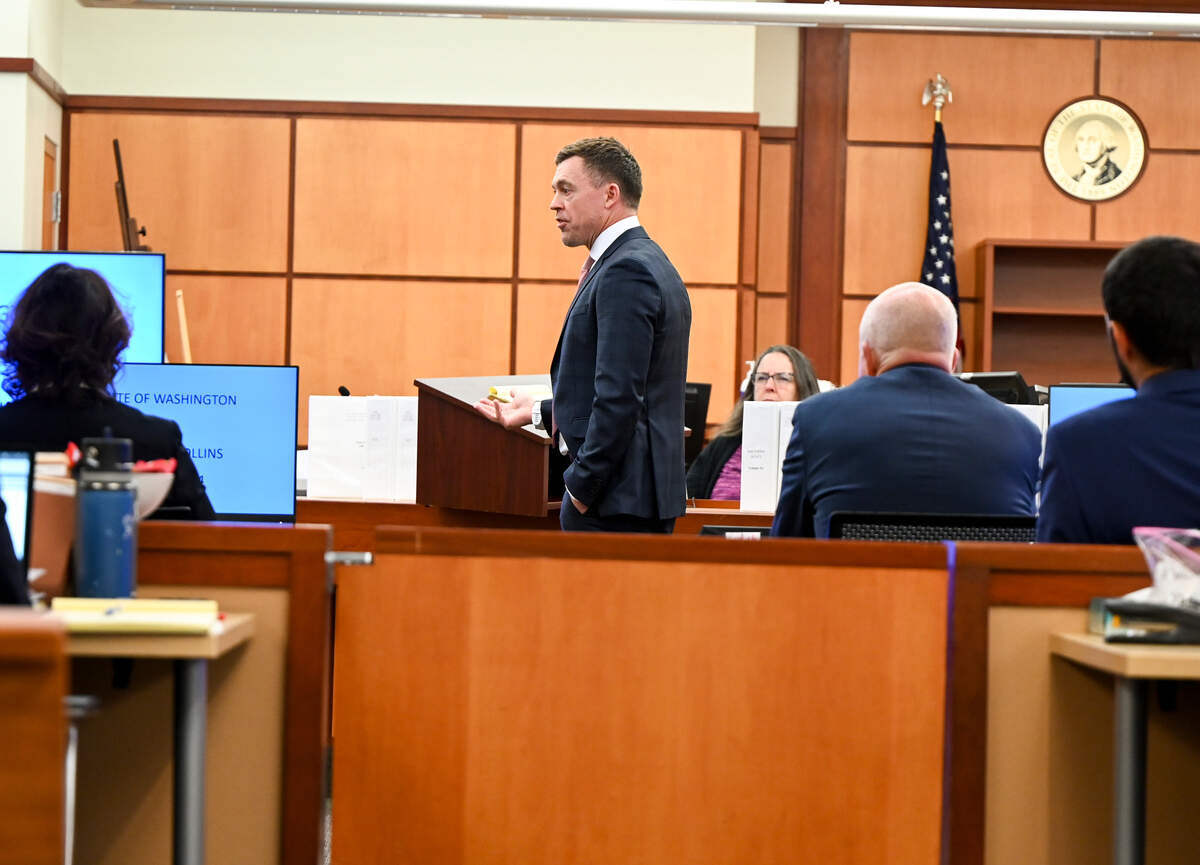
“You’ll see how Mr. Ellis responds to police when he’s on methamphetamine,” Arbenz said, suggesting that the earlier arrests were harbingers of Ellis’ actions on the night he died. The officers have characterized Ellis as the instigator of the fight that ended in his death.
Ellis, 33, died March 3, 2020, after a struggle with police. Ellis said he couldn’t breathe at least five times while police continued to apply force. The Pierce County medical examiner ruled Ellis’ death a homicide caused by lack of oxygen from physical restraint. Lawyers for the officers contend Ellis died from the high level of methamphetamine in his system and an enlarged heart.
Collins, 40, Christopher “Shane” Burbank, 38, and Timothy Rankine, 34, are charged with first-degree manslaughter. Collins and Burbank, who were the first to engage with Ellis, also face second-degree murder charges. All three have pleaded not guilty, are free on bail and remain employed by the Tacoma Police Department on paid leave.
Before resting their case last week, prosecutors from the Washington Attorney General’s Office presented three eyewitnesses who say they saw the interaction between Collins, Burbank and Ellis from the start. Each said the officers attacked Ellis without provocation. Two of them recorded cellphone videos of the struggle. Medical experts for the prosecution testified that restraint by the officers was the most important factor in Ellis’ death.
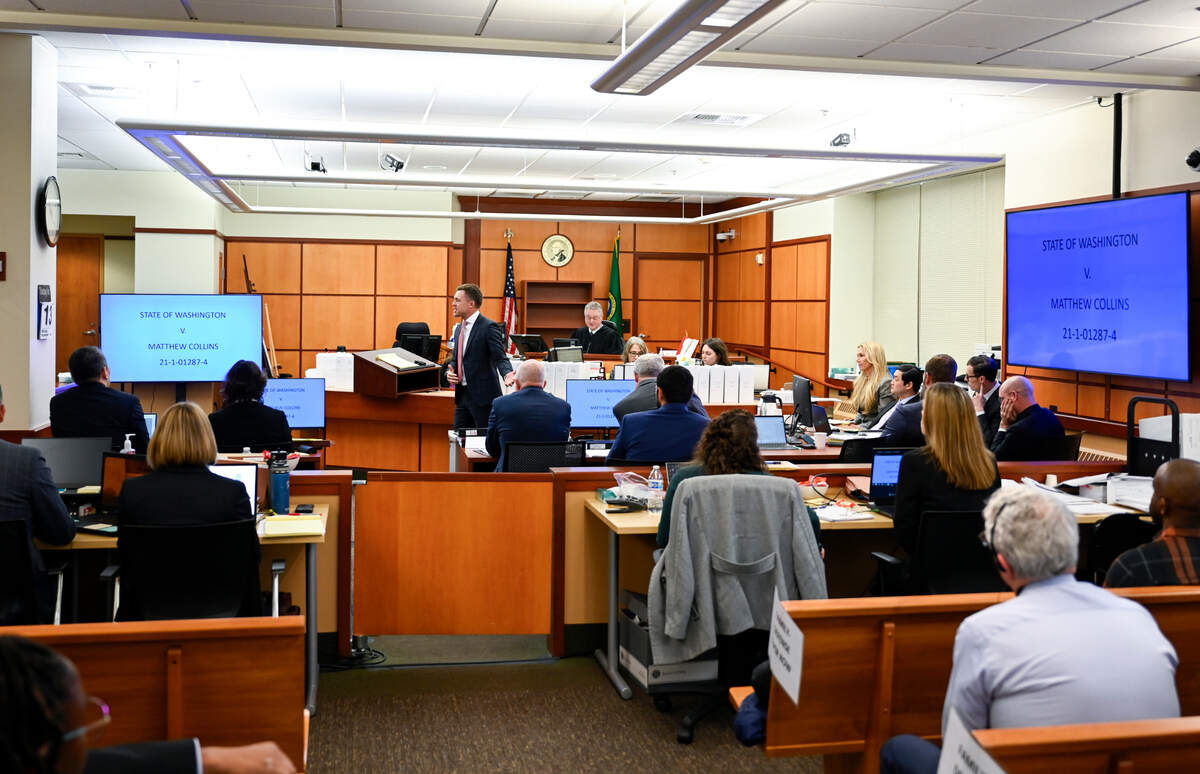
Arbenz told jurors to expect contradictory testimony from the defense’s expert witnesses, who are expected to say that meth and poor heart health — not the officers — killed Ellis. Arbenz said the defense also aims to upend the eyewitness claims that they saw the whole struggle between Ellis and officers.
Ellis “had no quit in him,” Arbenz said, so Collins and Burbank were forced to respond physically. Collins told detectives the fight began when Ellis lifted him and threw him into the air, causing him to land on his back, although no other witnesses describe seeing that.
Arbenz described Collins as a husband, a father of four and “a decorated officer” who spent eight years in the Army, resulting in multiple combat deployments.
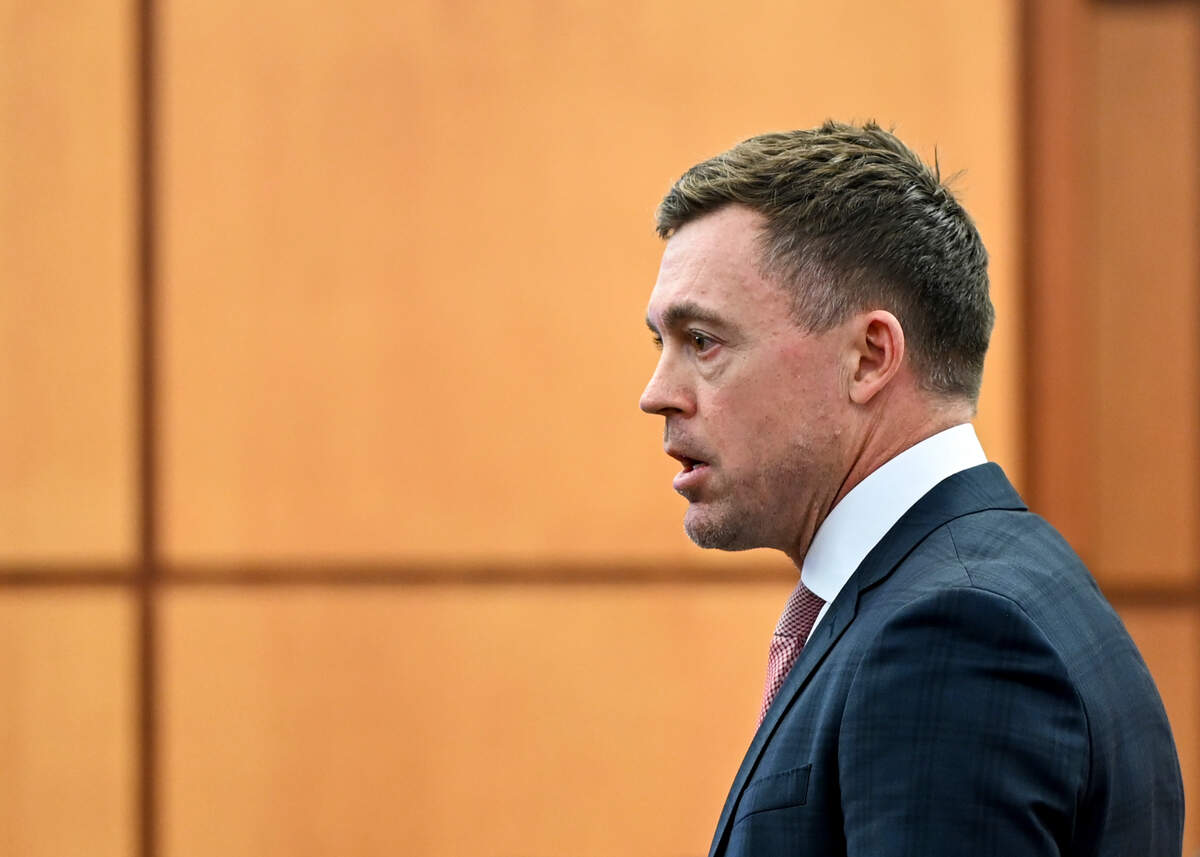
“Take into account his 13 years of service to our city and our country … the way he’s fought for you,” Arbenz said near the conclusion of his opening statement.
Pierce County Superior Court Judge Bryan Chushcoff admonished Arbenz for his “inappropriate comment.”
Before the noon recess, Rankine’s lawyers called a witness to a 2019 incident that led to Ellis’ arrest on suspicion of attempted robbery at a Tacoma fast food restaurant. An employee described Ellis attempting to grab cash from the store’s register while another employee fought him off.
Pierce County Sheriff’s Deputy Arron Wolfe, who helped arrest Ellis in 2019, said he found Ellis naked and running in and out of the street. At one point, after being compliant, Ellis “hopped up and ran at me.” Wolfe ordered Ellis to the ground and he complied. Wolfe said Ellis charged one more time and a Taser was used to subdue him. The jury saw a bystander video of the 2019 arrest that comported with Wolfe’s testimony.
Before the defense began presenting its case, special prosecutor Patty Eakes for the Washington Attorney General’s Office unsuccessfully argued to exclude some details of Ellis’ 2019 arrest. “Mr. Ellis is not on trial,” she said.
Testimony was expected to resume Monday afternoon with Wolfe on the witness stand.
The News Tribune and Seattle Times are working together to provide gavel-to-gavel coverage of this trial. This report was compiled by Seattle Times staff writer Patrick Malone.
This story was originally published November 13, 2023 at 12:48 PM.