Case against 3 Tacoma police charged in death of Manuel Ellis to go to jury next week
Attorneys for three Tacoma police officers accused of killing an unarmed man in their custody rested their case Wednesday afternoon, closing nine weeks of testimony in a historic manslaughter and murder trial.
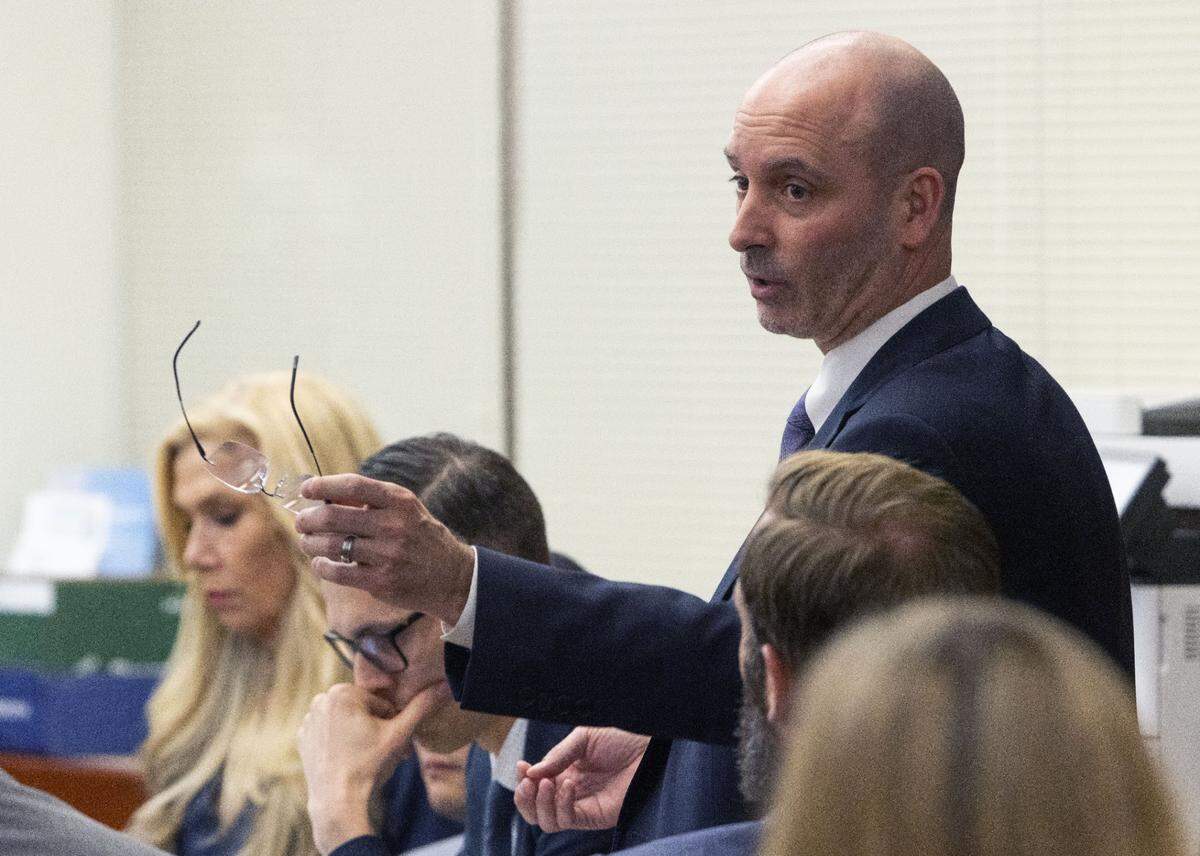
Jurors were excused until Monday while defense and prosecuting attorneys finalize jury instructions and discuss which of Manuel Ellis’ medical records will be admitted as evidence. Once Judge Bryan Chushcoff reads the instructions to the 12-person jury panel, the lawyers will make their closing arguments. Then comes jury deliberations.
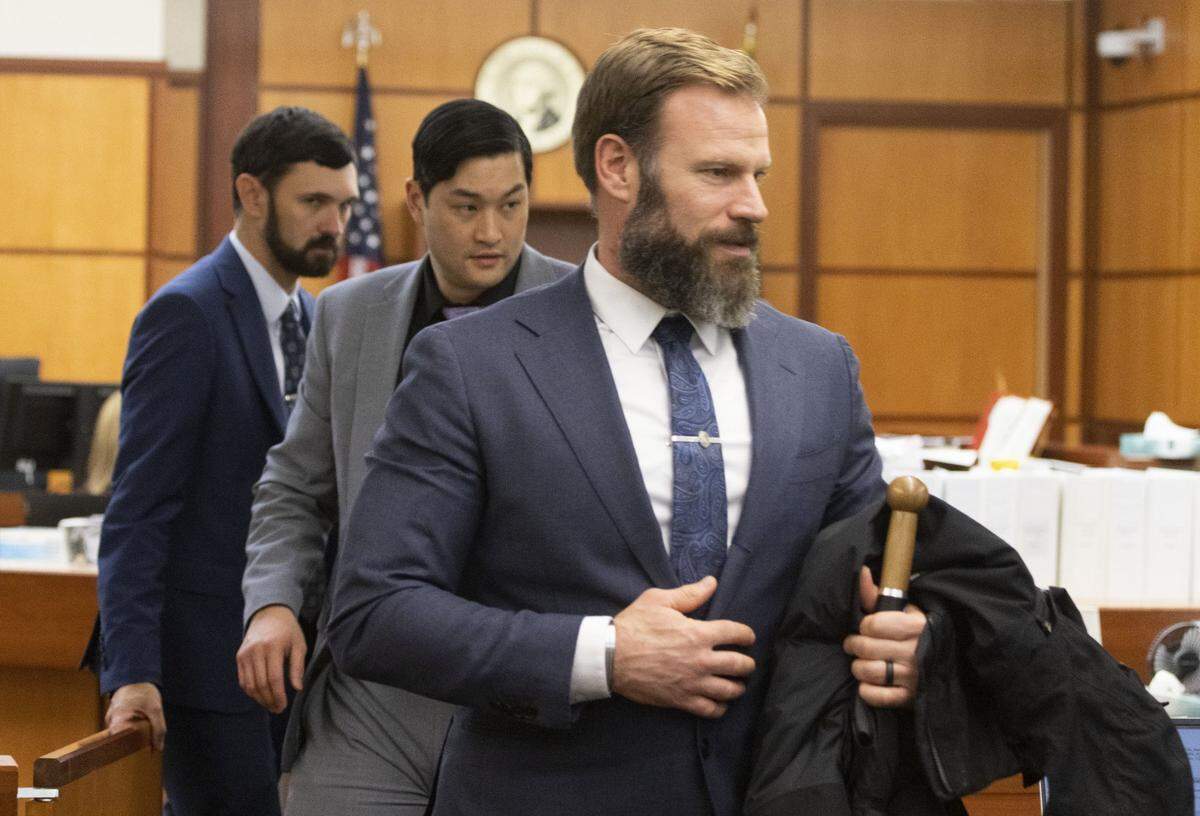
Officers Matthew Collins and Christopher Burbank, partners who other Tacoma cops have testified were looked to as the “go-to” two-man patrol unit for Tacoma’s South End, are charged with second-degree murder and first-degree manslaughter for the March 3, 2020 death of Ellis, whose last words were, “I can’t breathe.”
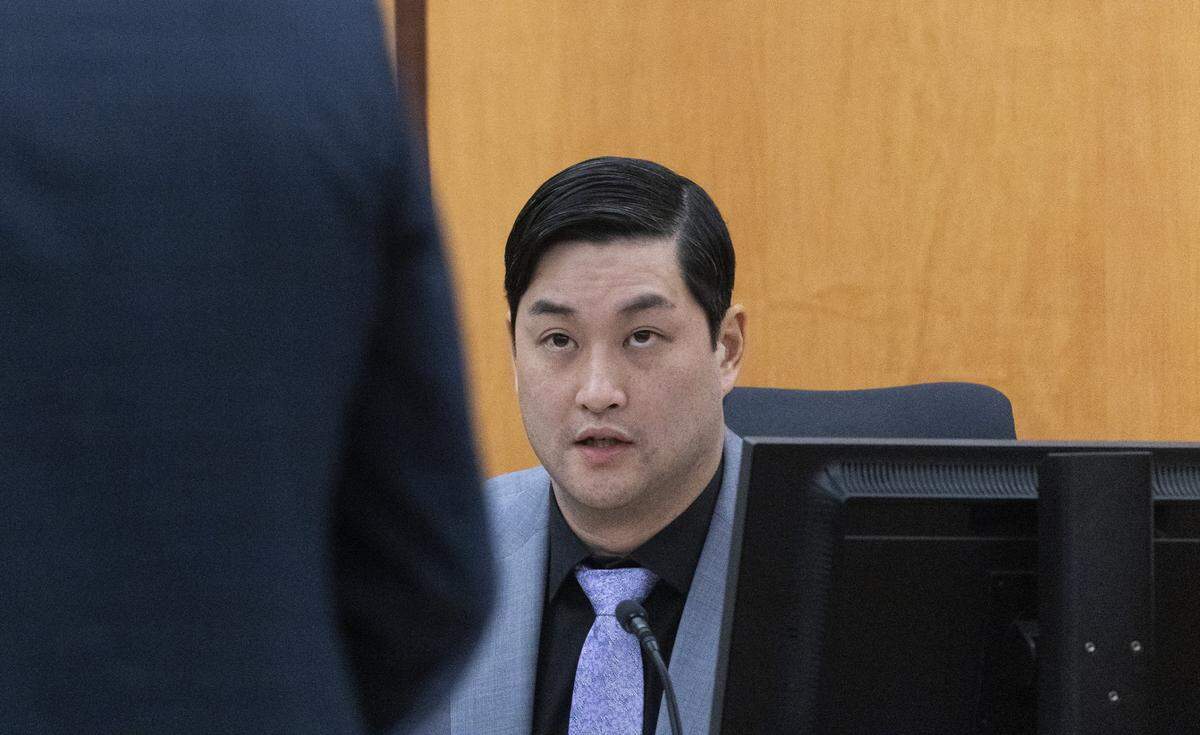
Timothy Rankine, who had been a Tacoma officer for just under two years before the fatal incident, responded as backup minutes after Ellis first encountered Collins and Burbank in the city’s South End. He’s charged with first-degree manslaughter.
All three defendants have pleaded not guilty, are free on bail and have remained on paid leave from the Tacoma Police Department since they were arrested and arraigned in May 2021.
The trial is the first test of Initiative 940, a new police accountability law adopted in Washington state in 2019. It lowered the bar to charge police officers for on-duty offenses, and it requires officers to provide first aid to people in their custody at the earliest opportunity. The Seattle Times has reported this is just the sixth time in the past century that police have been charged for an on-duty death.
Ellis, 33, grew up in Lakewood and Central Tacoma. His mother and sister testified early in the trial that he held their family together. His mother, Marcia Carter-Patterson, said learning of his death was the worst day of her life. Ellis was also a father of two children and had a talent for music.
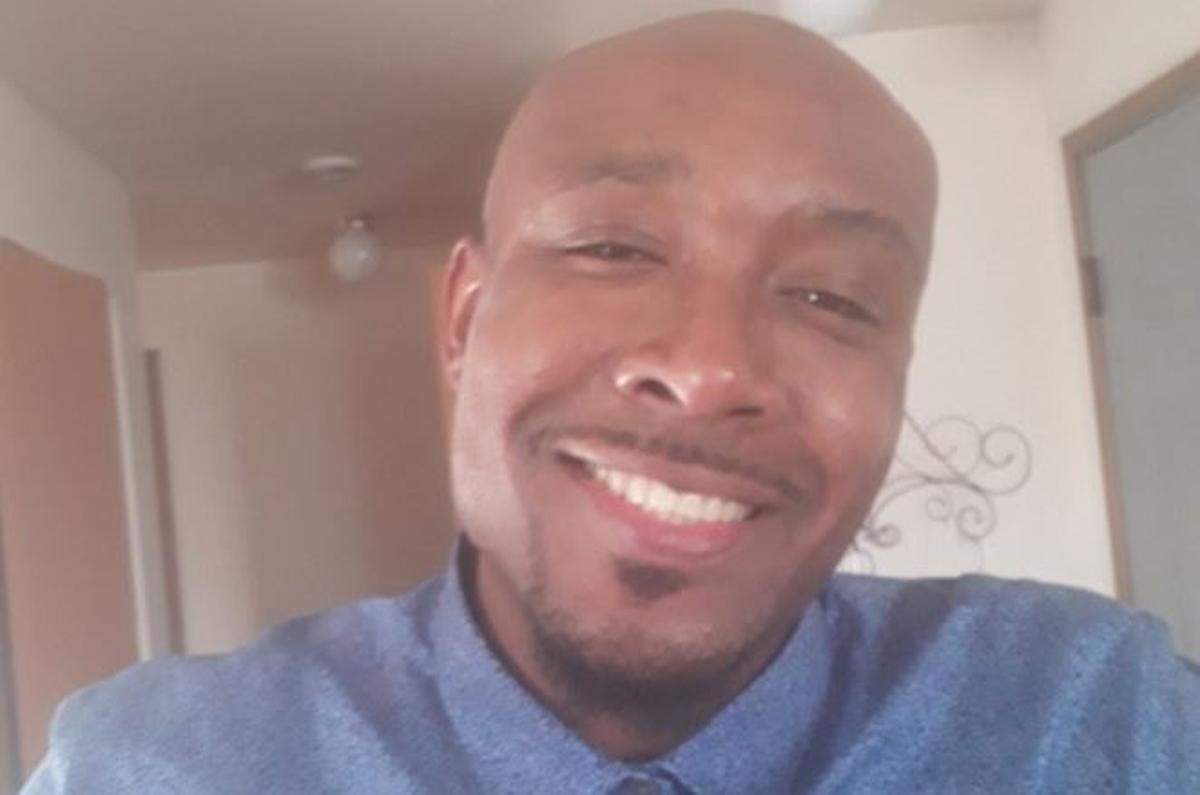
His family has been open about the fact that he struggled with methamphetamine addiction for much of his adult life, and he also suffered from mental health issues. His sister said he relapsed around Christmas 2019, and he then moved into a clean-and-sober home to try to turn his life around.
The night he died, Ellis was walking back to that home from a convenience store where he purchased water and raspberry-filled doughnuts. Along the way, he encountered Collins and Burbank in a patrol car at 96th Street and Ainsworth Avenue.
Evidence at trial showed Ellis was beaten, shocked with a Taser three times and pressed to the ground facedown with his hands cuffed behind his back. As more law enforcement responded, officers continued to put pressure on Ellis’ back by sitting or kneeling on him, Ellis’ cuffs were attached to a hobble on his legs, and a spit hood was placed over his head.
The restraints weren’t removed until medical personnel arrived at his side — a period of at least 9 minutes — and then Ellis went into cardiac arrest and died despite efforts to save his life.
Ellis’ death was ruled a homicide by the former Pierce County medical examiner, who determined he died of a form of oxygen deprivation caused by physical restraint. He was found to have 2400 nanograms per milliliter of methamphetamine in his system, which the defense latched onto in its case as another explanation for the man’s death.
Over the last three weeks of defense testimony, lawyers for the officers have dug into Ellis’ past arrests, elicited testimony from Rankine’s partner, who was at the scene and said he didn’t see any excessive uses of force, and have called experts in the fields of medicine and policing to counter the state’s experts.
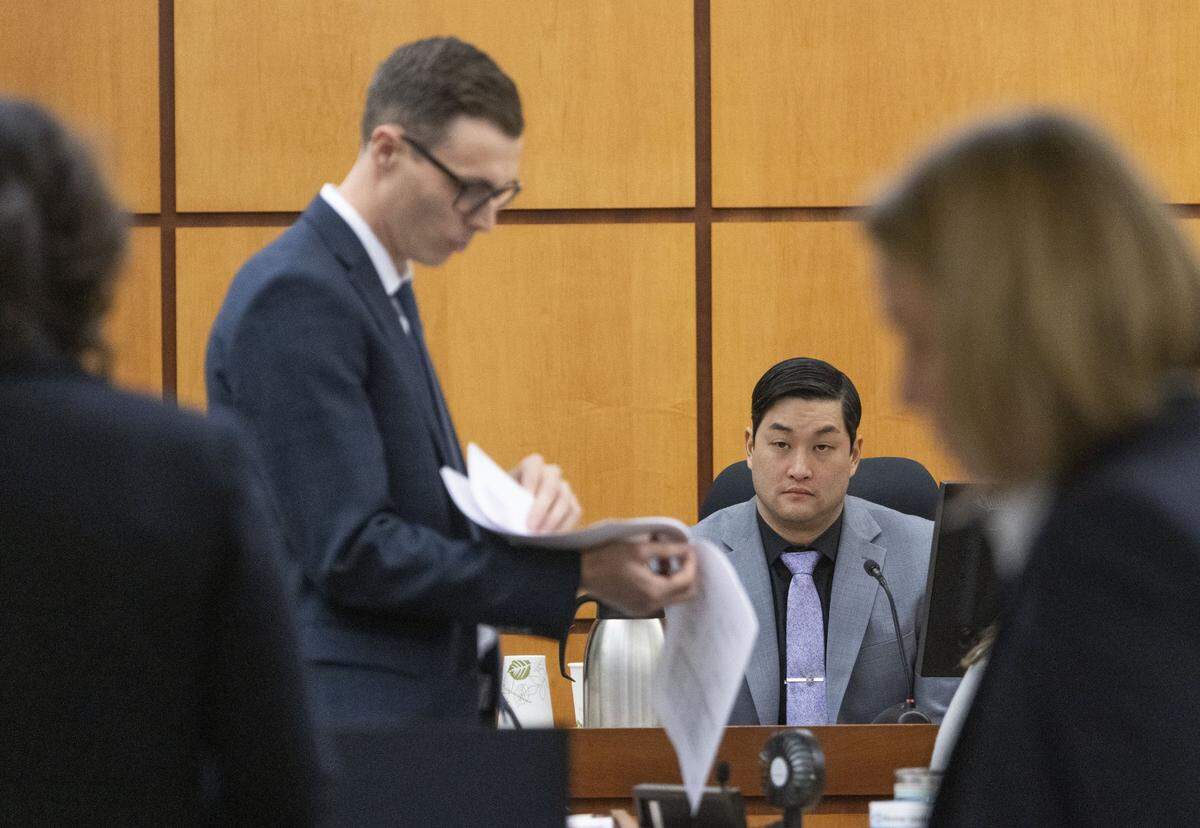
Altogether, the defense has presented a case purporting to show that Ellis was aggressive when he encountered Collins and Burbank, and that the officers on trial only used force in response to the man’s resistant and assaultive behavior.
Prosecutors from the Washington State Attorney General’s Office leaned heavily on four eyewitnesses who contradicted that version of events. The witnesses told jurors that Ellis appeared to pose no threat to officers and wasn’t fighting back as he was beaten and held to the pavement.
Lawyers for the officers countered that by presenting evidence to show that the witnesses did not actually see the beginning of the fatal encounter. The state’s own witness, Aiyana Mallang, who lived at the intersection where this happened, said she heard a commotion outside for one to two minutes until she peered outside — at about the same time that another eyewitness began screaming at police to stop beating Ellis.
The inference the defense hopes jurors will make is that it’s those few minutes when Ellis punched the officers’ patrol car, kicking off the incident. The only evidence to back that up is the statements of Collins and Burbank, which have been shown to have some inconsistencies. Defense attorneys also showed jurors photos of the patrol car showing white streaks on the windows they claim to be powdered sugar from the doughnuts Ellis had been carrying.
Even if jurors accept the officers’ version of events, they will have to contend with prosecutors’ argument that while the three officers were working to detain Ellis, they ignored the man pleading with them that he could not breathe five times. Prosecutors allege the officers had a duty to intervene to render aid to Ellis.
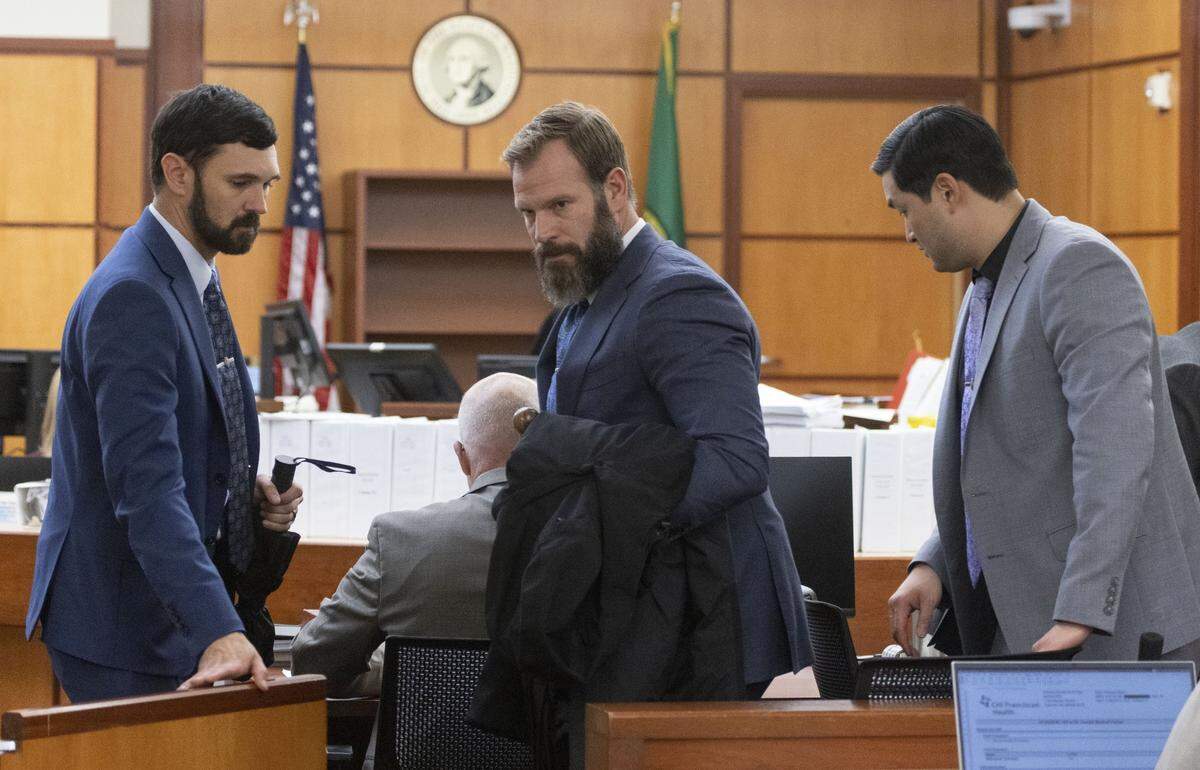
Two of the officers, Collins and Burbank, contended they didn’t hear Ellis saying he couldn’t breathe — despite his words being captured by a doorbell camera across the street. Rankine testified that he did hear Ellis, and he twice put the man in a position so he could breathe better, but he also continued to keep the man in restraints for fear that he would become assaultive again.
Collins, Burbank and Rankine left the courtroom early Wednesday afternoon while the lawyers continued to discuss what needed to be redacted from Ellis’ medical records. Collins and Rankine exchanged hugs and pats on the back with family members in the gallery. Collins was smiling as he left the room.
The attorneys will discuss jury instructions Thursday. The proceedings will not be livestreamed, and court will resume on the record Monday.
Editor’s note: A previous version of this story incorrectly reported the level of methamphetamine in Ellis’ system.
This story was originally published December 6, 2023 at 4:38 PM.