Convicted of killing a 14-year-old girl, 2 Tacoma teens learn fates during tense hearing
Two teenagers who pleaded guilty to their involvement in a chaotic shooting on a busy Tacoma street that killed a 14-year-old girl and sent others running were sentenced Wednesday in a volatile hearing.
At least 40 people packed into a small Pierce County Superior Court room to hear what punishment Judge Stanley Rumbaugh had for 19-year-olds Christopher Anthony P. Felizardo and Jeremiah Anthony Greg Averitt.
Both received 12 years in state custody for the July 6, 2022, death of Iyana Ussery. The defendants have already served a little more than two years in juvenile detention and the county jail.
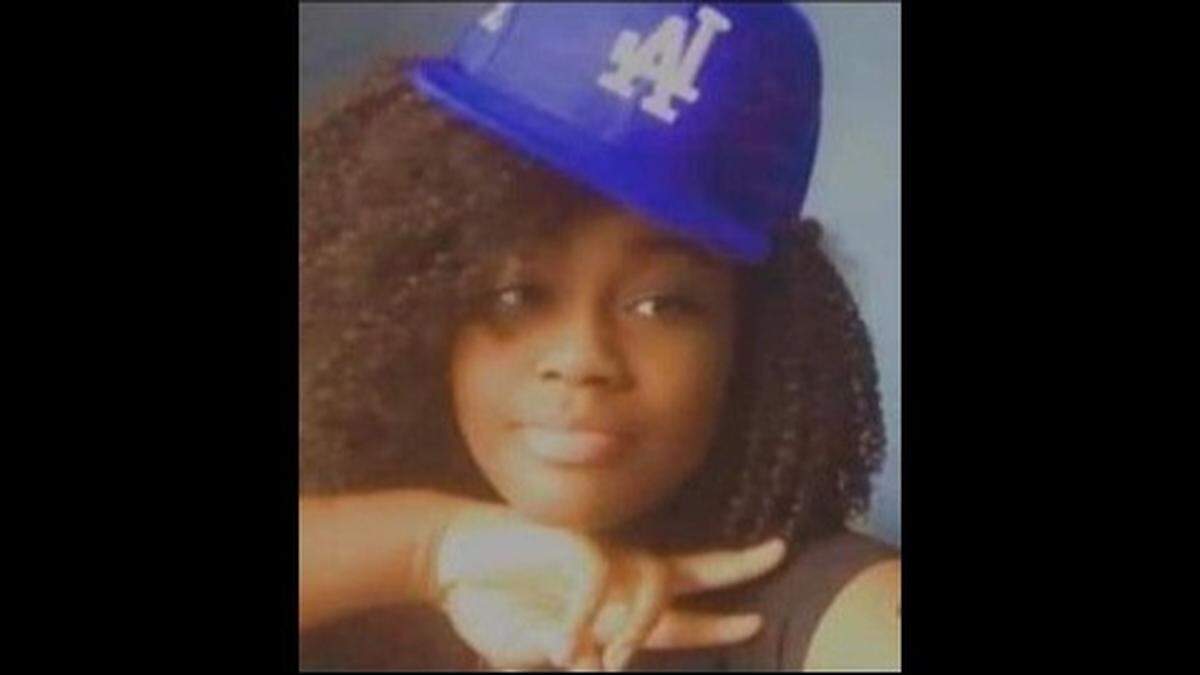
Ussery was a passenger in a car with five others crossing South 19th Street in the city’s Hilltop neighborhood when she was fatally struck in a hail of 28 bullets fired across the street. Other rounds hit Ezell’s Famous Chicken on Martin Luther King Jr. Way during the lunch hour, and EMTs sitting in an ambulance in the parking lot reportedly heard the ping of a bullet hit their vehicle.
Prosecutors say Averitt was driving a car when he dropped off Felizardo and a third suspect to open fire on the victims’ vehicle. Averitt and Felizardo were both 17 at the time. The third person involved was never identified or charged.
Averitt pleaded guilty Oct. 7 to conspiracy to commit second-degree murder, second-degree assault and two counts of third-degree assault. Felizardo pleaded guilty July 5 to first-degree manslaughter and two counts of second-degree assault, one of which was dismissed at his sentencing hearing.
Tensions ran high between the families of the defendants and the victim during the court proceedings. Snide comments, taunting jokes and threats in the gallery at times drowned out what the judge and those who testified before him were saying on the other side of a glass partition. A number of Sheriff’s Department deputies eventually walked in, and Ussery’s mother was escorted from the room.
The mother returned a short time later, but she and others continued to make remarks that maintained an uneasy atmosphere until the end of the hearings when Rumbaugh ordered that the families of the defendants leave the room first, followed by those there in support of Ussery.
The victim’s father was speaking when the gallery at one point became particularly loud, and he asked that both sides honor his daughter’s legacy and name. He also said the defendants hadn’t shown any remorse or respect for human life.
“My daughter is a sweet baby, trying to bring people together,” the father said.
Girl’s death preceded surge in violence
Ussery’s death was a flashpoint in Tacoma that came in the middle of the city’s worst year for homicides on record, and near the start of a surge in violence among young people.
Six months after the shooting, another 14-year-old, Xaviar Siess, was shot and killed at a bus stop on the city’s Eastside. More spates of gun violence followed, and in April this year a 17-year-old girl described as a key witness to Ussery’s killing, De’Layah Sims, was gunned down in an unrelated incident, allegedly by her ex-boyfriend.
In Ussery’s case, prosecutors have written in court filings that the shooting might have been gang-related. Police have said they suspected the shooting was targeted, but it was unclear who that target was. According to charging documents, a victim told police that Averitt and a boy in the victims’ car had been feuding because of rival gang membership.
Ussery, the oldest of three siblings, was with friends on her way to get snacks at a convenience store when the Dodge Magnum she was riding in was attacked. In Sims’ recounting of the incident to police, she said they passed a white sedan and a passenger in the car said something to the effect of “that’s Junie” — a nickname for Felizardo. The Dodge pulled into the parking lot, and Sims said two Black males wearing all black clothing and ski masks began shooting at their car.
According to court documents, surveillance video from the convenience store showed a white Subaru pull into the parking lot at 11:33 a.m., followed by the Dodge. A boy got out of the Dodge and walked toward the store, then flashed “gang signs” toward the Subaru. Police received reports of a shooting three minutes later.
The Dodge went to Ussery’s mother’s house after the shooting, where Tacoma Fire Department personnel pronounced the girl dead in the backyard. According to police reports, Mayor Victoria Woodards was called to the home at the family’s request, and she and a police officer on scene joined them in prayer.
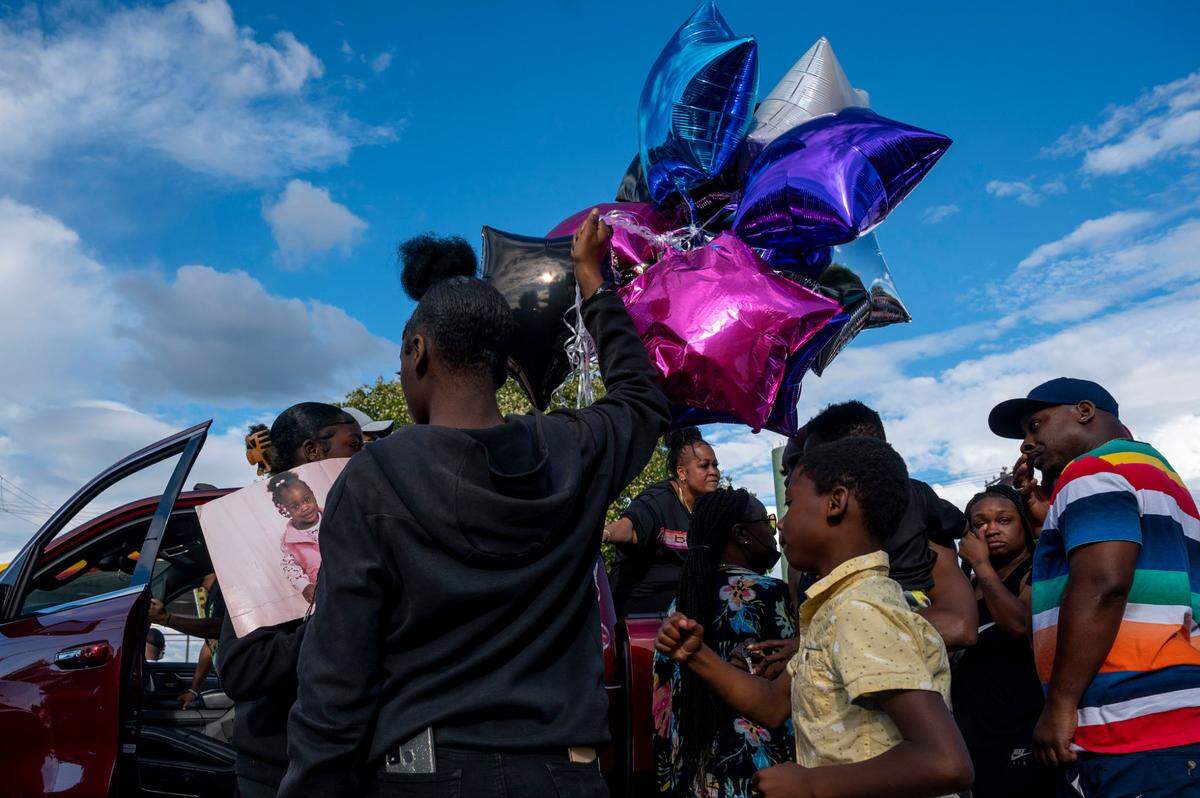
Hundreds of people gathered the next day to walk down Martin Luther King Jr. Way for a peace march to call for an end to gun violence. Police announced the arrests of Felizardo and Averitt that afternoon.
Although both defendants have pleaded guilty, a series of last-minute court filings in Felizardo’s case threatened to derail his Wednesday sentencing hearing.
Last week, Felizardo filed a motion alleging that he had not been adequately represented by his attorney from the Department of Assigned Counsel, Peter Reich, claiming that the attorney had demanded that he plead guilty in the case with threats of life in prison and would not take his case to trial.
Felizardo’s motion, which was filed pro se, stated that he wished to plead not guilty, and that he had two alibi witnesses who his attorney had never contacted. The matter was brought to court Tuesday afternoon, but the motion was withdrawn.
Deputy prosecuting attorney Matthew Thomas said in court that Prosecutor Mary Robnett had received a notice of appearance from an attorney whose license had been suspended since 2013, James Robinson, who wished to appear via Zoom for Felizardo, but the court did not allow him to do so.
Reich said Felizardo no longer wished to proceed pro se and was not endorsing Robinson as his attorney. Felizardo did not object when Rumbaugh asked him about the motion.
‘I was a child as well’
Before Felizardo or Averitt were sentenced, Greg Montague, who said he was an uncle to both defendants, was given an opportunity to speak before the judge. He turned to face the gallery for a moment and said the defendants’ families were sorry for what had happened.
“Tacoma has lost a little baby girl,” Montague said. “Nobody’s happy about that, and our family is very sorry, and we’re very regretful for this incident to have occurred.”
Montague said he knew there was nothing he could say that would comfort Ussery’s family. He asked Rumbaugh to have mercy on the souls of the young men before the court.
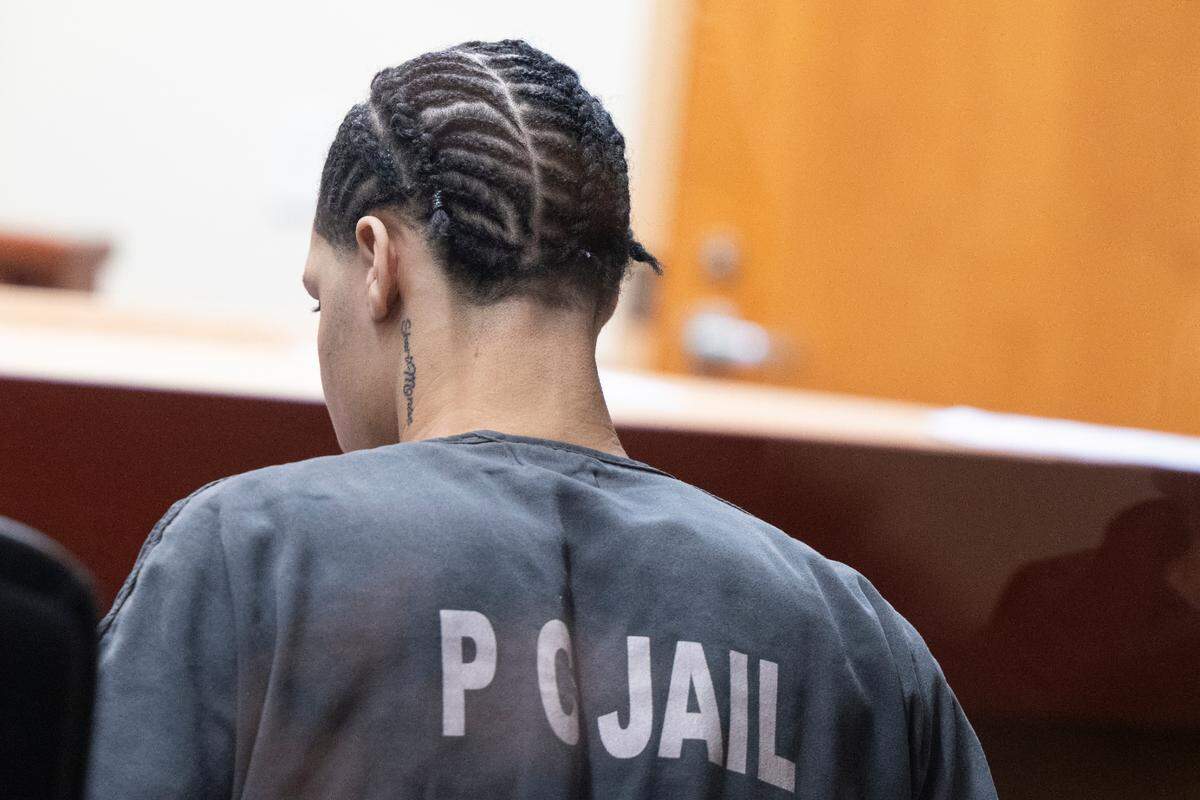
Then it was Felizardo’s turn to speak. Sitting before the judge wearing jail clothing and eye glasses, the teenager said he wanted to genuinely apologize for his actions, and that this was a “tragic accident.”
“I hope that one day you guys will be able to forgive me and understand when this happened, I was a child as well,” Felizardo said. “To this day I still live with the pain and regret from the fact I was responsible …”
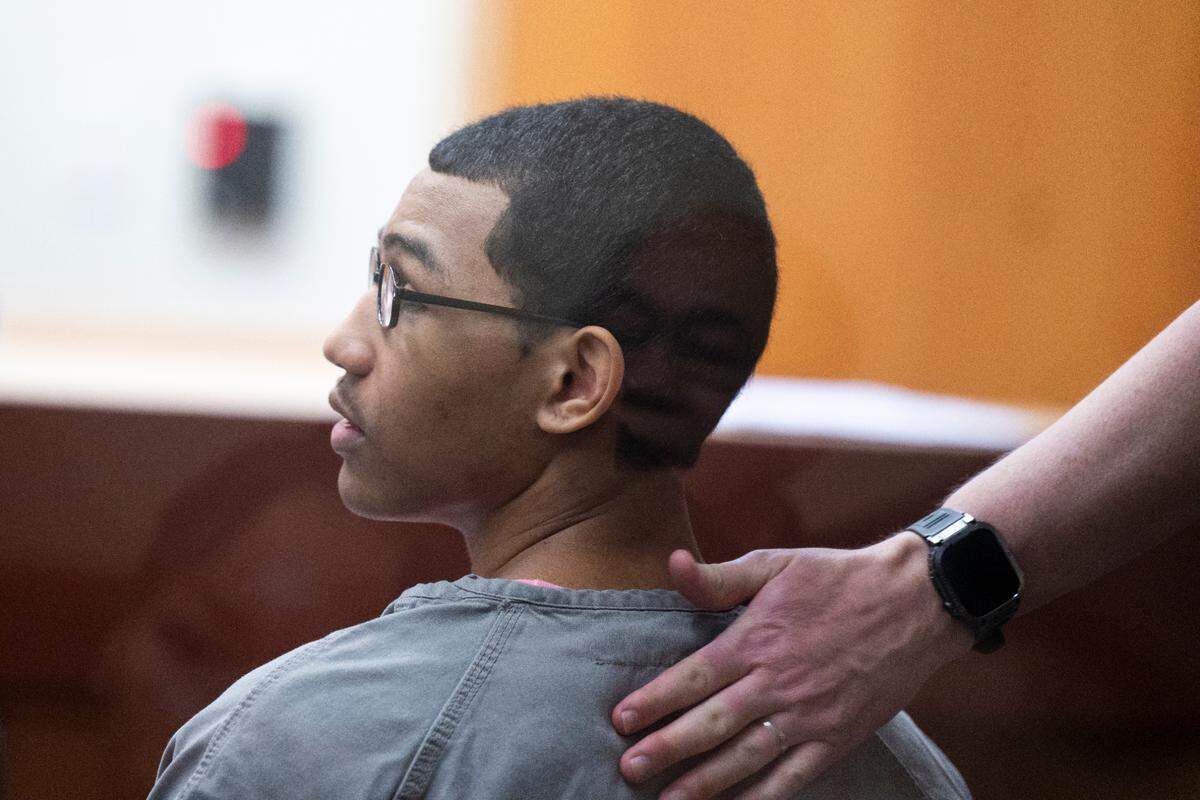
Rumbaugh told Felizardo it was a mystery to him how discharging 20-plus rounds across a busy urban street didn’t register in his mind as wrong at the time. After handing down the sentence, 144 months, he told the defendant he hoped he made good use of his time while incarcerated.
Averitt was brought into court next. After further testimony from the victim’s family and a teenage girl who was in the vehicle when Ussery was shot, Averitt was given a chance to speak, too. His attorney, Amity Bjork, said she and her client had agreed she would speak on his behalf because of the overwhelming nature of the hearing.
Bjork said Averitt carries a lot of remorse from the incident, and she said he had carried himself through the situation with grace, from turning himself in with no criminal history to being transferred to adult jail and now going on to Green Hill, a state-run juvenile detention facility.
“They are tremendously sorry, but you know that only gets them so far,” Bjork said.