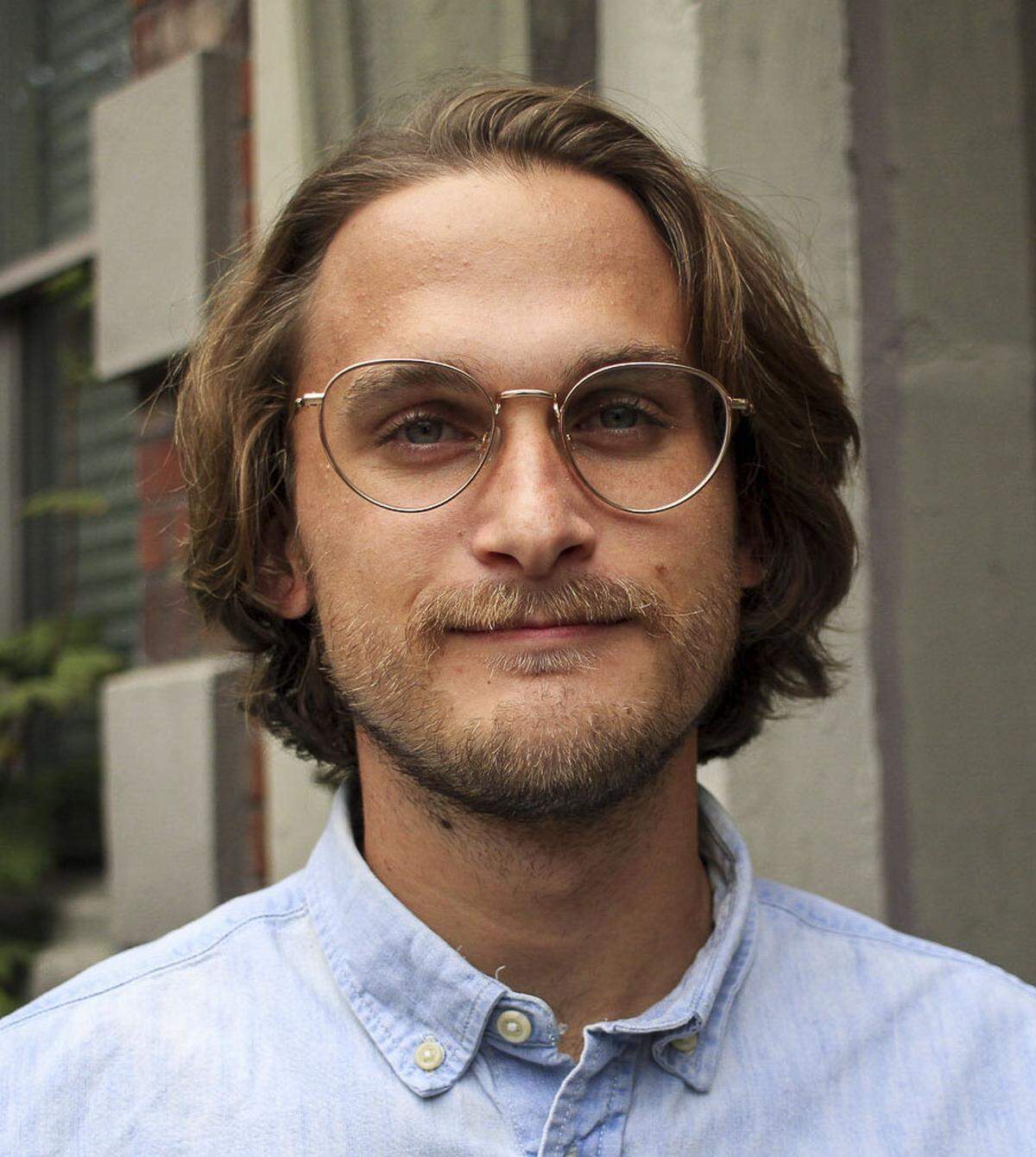
Family of Pierce County man who killed 4 say they sought help, met broken system
The family of the man killed by a Pierce County sheriff’s deputy during a stabbing attack on a residential street that left four dead, including his mother, say they had tried to find him help but were met with a “broken” mental health care system.
Aleksandr Shablykin, 32, is suspected of fatally stabbing his 52-year-old mother, Zoya Shablykina and three women ages 59, 67 and 81 on Feb. 24.
Affidavits written by law enforcement about the crime scene outside the mother’s home on the Key Peninsula say investigators learned Shablykin had stopped taking his prescribed medication. They also say detectives wanted to search his mother’s house for medication bottles with his name on them.
In a statement issued March 3, a week after the attack, family of Zoya Shablykina and a man close to the family, Robert Knowles, said they wanted to honor the woman who they said spent years trying to navigate the complexities of her son’s severe mental health crisis.
“Our family is navigating a nightmare of unimaginable proportions following the loss of Zoya, a devoted mother and a deeply cherished grandmother. To her daughter, Anastasiya, and her granddaughter, Anna, Zoya was a source of endless love and light,” the statement said.
“We want the public to understand that the person who committed these acts was not the man we knew,” the statement continued. “Aleksandr was a man lost to a battle with bipolar disorder who had tragically ceased his medication shortly before this event. While we struggle with the horror of his actions, we must also highlight the profound gaps in our current systems.”
Robert Knowles, 59, and Anastasiya Shablykina, 30, are raising their 11-year-old daughter together. In phone interviews and text messages, the two described what events preceded the stabbing attack.
In the last 11 months, there were at least two 911 calls about Shablykin’s erratic behavior at his mother’s home or his compliance with taking his medication — which a court commissioner had ordered him to continue taking. Court records show the man was seen last year at Wellfound Behavioral Health Hospital, but the family says they received little guidance after he was discharged.
Knowles said Shablykin didn’t like the way the government worked and had “skewed ideas” about how he thought it should work. Public records of his contacts with Gig Harbor police in 2022 and 2023 show he could be defiant with law enforcement during traffic stops, often refusing to comply with commands and arguing with officers over the legitimacy of the legal system.
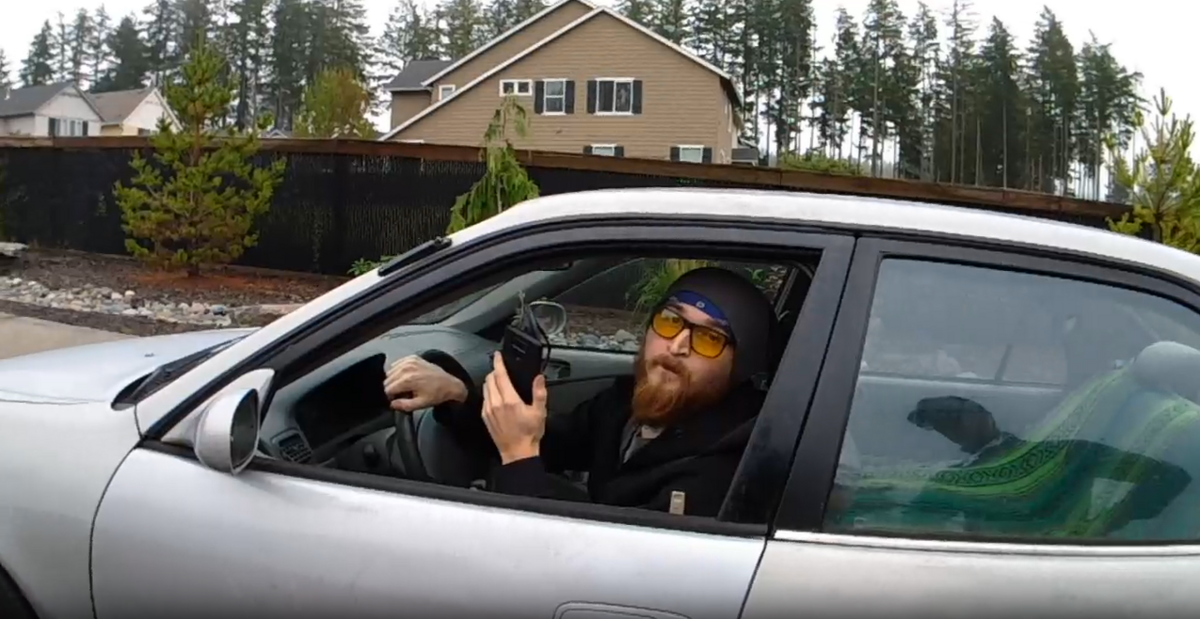
The night before the attack, records show Anastasiya Shablykina called 911 and reported that Shablykin had stopped taking his medications, and that they had asked him to leave their home in Orting. Shablykin left before Orting police arrived, and she told the officers that she believed her brother was headed to his mother’s residence.
“The system failed us,” Anastasiya Shablykina said in a text message to The News Tribune.
Police response in 2025 led to protection orders
Knowles said Shablykin came to live at their house in Orting last year after he “had an episode” at his mother’s home.
Computer-aided dispatch (CAD) logs from the April 2, 2025, incident show Anastasiya Shablykina called 911 that evening and reported her brother was having a mental breakdown. Records say the house smelled like something was burnt, and she reported that she thought her brother might have killed their cat.
Anastasiya Shablykina and her mom waited outside for the Sheriff’s Office to arrive, according to the CAD log, which said Shablykin had torn up the house and was doing “rituals.” Deputies arrived a half hour after the initial 911 call, records show. By that point, it was reported that Shablykin was outside and yelling at neighbors.
“He had chant music playing, and he believed his mom and the cat were demons, and that he was an Egyptian god,” Knowles said.
Knowles said Shablykin was restrained, and CAD logs show he was transported to St. Anthony Hospital in Gig Harbor. Knowles said he was later taken to Wellfound Behavioral Health Hospital in Tacoma.
Shablykin’s mother filed a petition for a protection order against him two days after the incident, according to court records. The records show Knowles served two temporary protection orders issued April 4 and 18, 2025, on Shablykin. Court officials have confirmed the final, yearlong order issued May 2, 2025 said the Tacoma Police Department needed to serve it on Shablykin, and that never happened.
The court commissioner who signed the protection order found Shablykin to be a credible threat to his mother’s safety, and it required him to stay 1,000 feet from her and her residence on the Key Peninsula. The commissioner wrote into the order that Shablykin needed to follow a treatment plan put in place when he left St. Joseph Medical Center, including taking medication.
The order also said an evaluation and treatment plan shall be filed with the court along with proof of Shablykin’s compliance. But there were no further court filings.
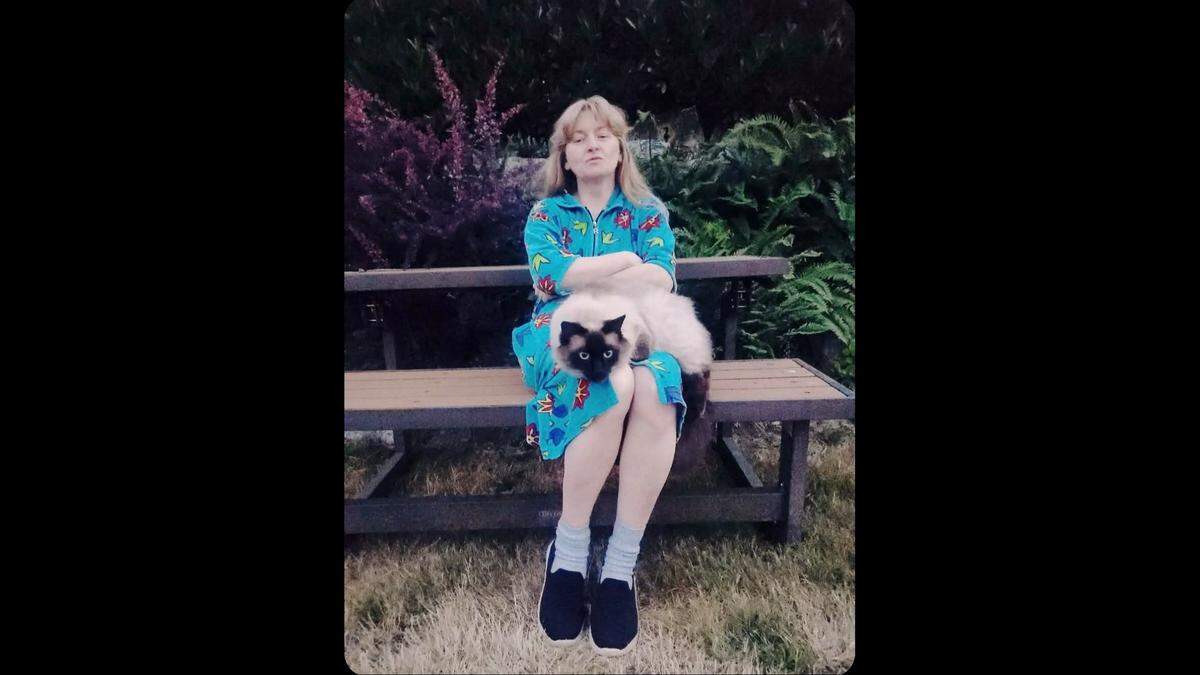
After Shablykin was discharged from Wellfound, Knowles said the family did not get much guidance on how they could help and care for the man.
“Do you think that when we picked him up from Wellfound, they gave me a manual on what to do with this guy? Nothing,” Knowles said.
Shablykin went to a homeless shelter in Tacoma, according to Knowles, but he wouldn’t stay there, and Knowles said he was basically sleeping outside. In May, Shablykin came to stay with his sister and Knowles. The first night, Knowles said, Shablykin set up a tent under his daughter’s playset in the backyard. He said he didn’t want the man to get comfortable.
“This is not going to be a thing,” Knowles said.
But Knowles said Shablykin was unintrusive and respectful, and he was loved by Anastasiya Shablykina and her daughter. The man moved into Knowles’ garage, mostly keeping to himself, according to Knowles, and spending a lot of time on the computer. Knowles said that they had an agreement that as long as Shablykin stayed there, he would take his medication.
Knowles described talking to Shablykin often about setting goals for himself so he could take steps toward getting a job and eventually be able to provide for himself. Knowles said Shablykin didn’t have a desire to do anything. He said the man was isolated and didn’t have friends.
“The only thing he did was the internet,” Knowles said.
Anastasiya Shablykina said her brother had previously studied to be a surgical technician through Clover Park Technical College in Lakewood, but he failed his last class and didn’t go back.
More recently, Shablykin was denied government assistance for a disability tied to his mental health, according to his sister and Knowles. Knowles said Shablykin told him about that the week before the attack. Anastasiya Shablykina said the denial made her brother feel hopeless.
“He was capable of working,” Anastasiya Shablykina said. “He didn’t want to. He didn’t want to do anything. He believed everything should be handed to him.”
Knowles also recalled Shablykin acting resentful toward his mother over the fact that the police were called on him. Knowles said he never saw Shablykin act aggressively toward his mother, but he complained about the April 2025 incident as recently as Christmas.
Family called police when suspect stopped medication
The issue of Shablykin taking his medication came to a head in the days before the attack. Knowles said he and Anastasiya Shablykina had plans to leave Feb. 22 for a trip to Cabo San Lucas in Mexico, and they’d made arrangements for Zoya Shablykina to check on Shablykin and their daughter while they were gone.
Anastasiya Shablykina said she believed her brother stopped taking his medications the minute he knew she and Knowles were leaving. On the day they were supposed to leave, Anastasiya Shablykina decided she didn’t want to go.
“I had a feeling,” she said.
The next day, Feb. 23, Knowles said Shablykin didn’t get out of bed until late. Knowles took Anastasiya Shablykina and their daughter to the South Hill Mall. When they got home that evening, Shablykin was sitting in the backyard, and Knowles asked him if he had been taking his medication.
Shablykin refused to answer, according to Knowles, and their back-and-forth drew Shablykin’s sister outside.
“She took one look at him, and she just knew,” Knowles said.
Knowles said he told Shablykin he needed to leave, but Shablykin protested. Then Anastasiya Shablykina called the police. A CAD log of the call shows she called 911 shortly before 8 p.m.
“Hi, my brother is having — he’s not on his meds,” Anastasiya Shablykina told the dispatcher, according to a recording of the call. “He’s bipolar. He stopped taking his meds,”
Anastasiya Shablykina can be heard speaking to her brother, telling him that this is what happens when he doesn’t take his medication. The dispatcher told her to step away to listen to her questions about the situation.
Shablykin left before Orting police arrived, according to the CAD log. The police arrived about seven minutes after the 911 call. Knowles said they spoke with the officers, and Anastasiya Shablykina was “adamant” with them that she believed her brother was going to go to their mother’s house. Knowles wondered if that was communicated to the Sheriff’s Office.
Anastasiya Shablykina said she was in contact with her mother that evening. According to her and Knowles, Shablykin showed up at the house, and his mother gave him a cup of tea and a blanket, but she told him he had to leave. Anastasiya Shablykina said her brother slept in his Toyota Corolla with a broken window.
‘I really don’t think anybody had to die.’
Sometime the next morning, Zoya Shablykina started texting her daughter. Knowles said Shablykin had kicked her out of the house, and he put on loud, “hypnotic” music. Eventually, the communications from Zoya Shablykina stopped.
Knowles and Anastasiya Shablykina began driving toward the home. While they were on their way, Knowles said, they started getting information from Anastasiya Shablykina’s grandmother. According to Knowles, the grandmother, who lives in Kentucky, was on the phone with Zoya Shablykina when the attack began.
“At one point [the grandmother] told Anastasiya, ‘Your brother is killing Zoya,’” Knowles said. “And then she said ‘killed.’”
Knowles said they had a poor phone connection with Anastasiya Shablykina’s grandmother. They weren’t certain what she said, but Knowles explained that they hoped she had meant emotionally killing his mother.
When they got close to the house, Knowles said Anastasiya Shablykina jumped out of the car down the road and ran to the scene.
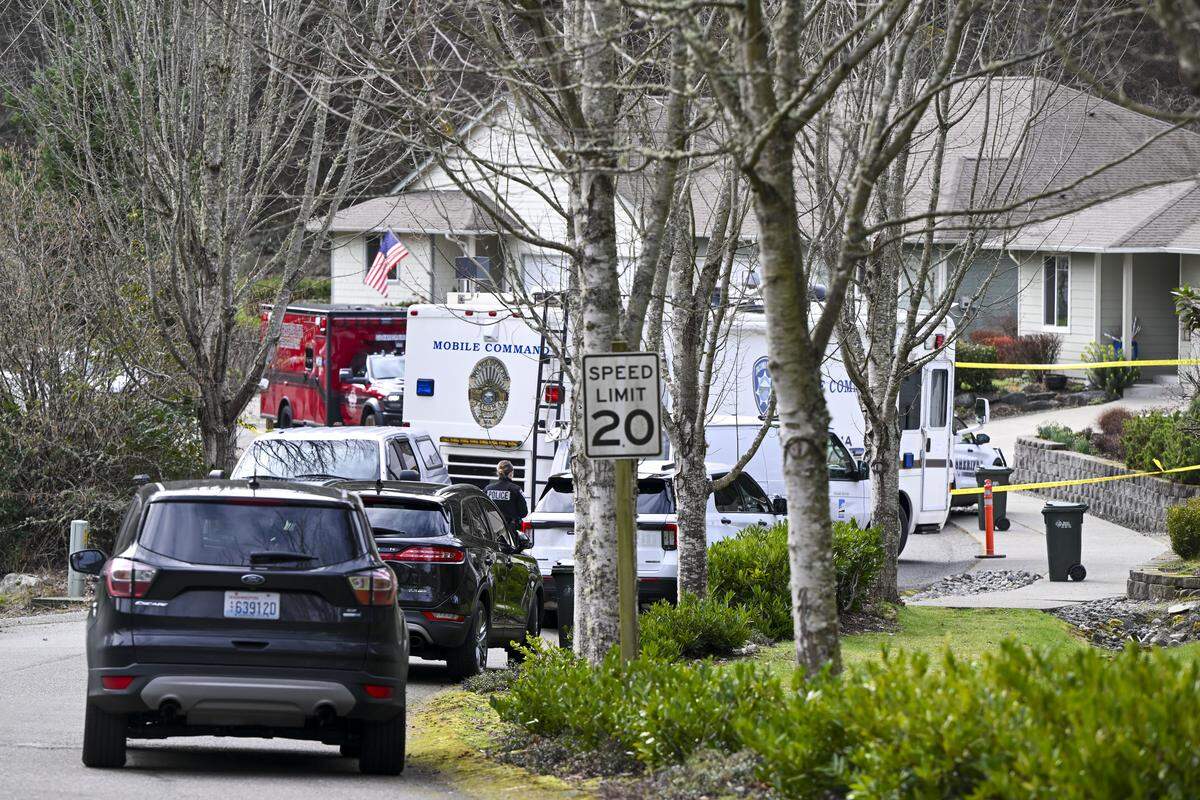
Knowles expressed frustration over law enforcement’s response time, pointing out that the building for the Sheriff’s Office’s Peninsula Detachment is just across the Purdy bridge, about 3.5 miles from Zoya Shablykina’s home.
In the family’s written statement issued Tuesday, they said they recognized that first responders faced “systemic challenges,” but they believed delays and a lack of “proactive care” were symptoms of a framework that failed everyone involved.
“I really don’t think anybody had to die,” Knowles said. “What is broken with our system there?”
This story was originally published March 5, 2026 at 5:15 AM.