Racism and white supremacy have shaped cities like Tacoma, for people and animals
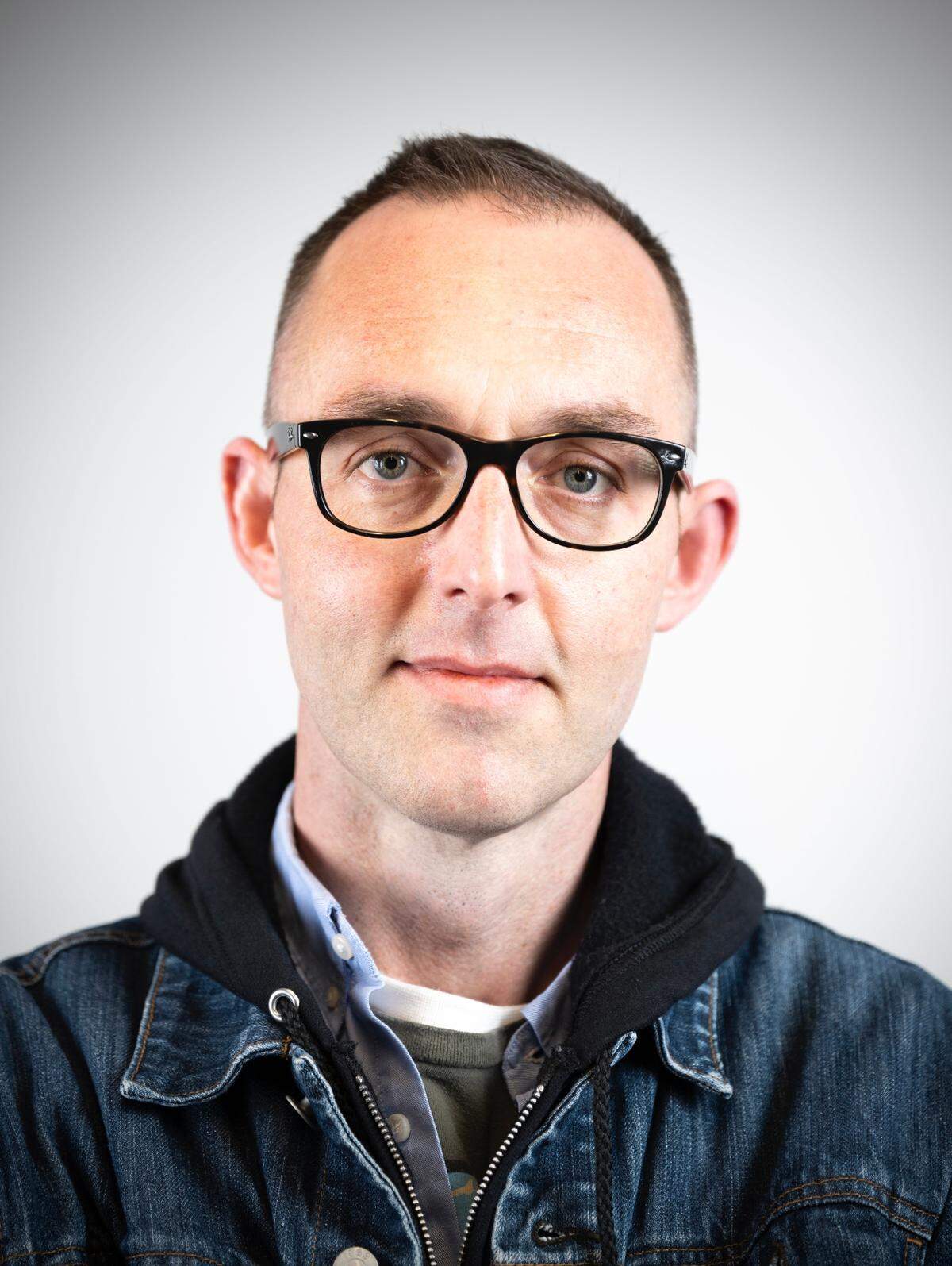
University of Washington Tacoma associate professor Chris Schell wasn’t talking about the South Sound’s recent heat wave, but he could have been.
With temperatures throughout the region soaring into the 80s and 90s, unaccustomed locals have been in desperate search of shade, cool water or — rarest of all — air conditioning.
For many, the heat has bordered on unbearable, but as Schell noted last week, there’s little question that some city dwellers have it far better than others when temperatures rise.
That’s because the way people experience an urban heat wave — and whether they’re able to find relief — varies greatly, depending on where they are, Schell told The News Tribune.
It’s not luck of the draw, Schell said.
Instead, as a report he co-authored with colleagues from UWT, the University of California Berkeley and the University of Michigan helps to explain, it’s one of many urban environmental outcomes directly tied to systemic racism.
The academic endeavor — which involved reviewing more than 170 previously published studies — analyzes the impact that social inequalities have on the health of plants and wildlife in cities.
As Schell notes, it also illuminates the inverse: How we treat our environment has a direct impact on people, their health outcomes and the qualities of their lives.
“The way in which we treat each other and treat society is the way in which we are treating our natural planet,” Schell said.
Take the prevalence of shade-creating trees, which directly impact a neighborhood’s temperature.
When it comes to the impact of any urban heat wave, where you live — and the societal forces that have contributed to it — matter, Schell said. Whether a neighborhood has trees or not is just often one of many lasting legacies of redlining, racial segregation and white wealth accumulation in cities.
Those forces have impacted where our freeways and garbage dumps have been built and contributed to lower-income, more racially diverse neighborhoods being hit harder by the effects of climate change, Schell noted.
Asked for a local example of how this looks, Schell pointed directly to the border between Tacoma and University Place, or within Tacoma itself, along a north-south divide.
As aerial photos illustrate, the whiter and more well-to-do neighborhoods appear green and spacious, benefiting from greater tree cover, while the lower-income, more racially diverse parts of town often appear as clear-cut brown swaths of pavement, freeways and strip-mall sprawl.
Over the years, it adds up, for the people and the environment, Schell said.
The oppression and inequity are visible all around us, he said, and none of it is happenstance.
These are choices a white supremacist society has made.
“Everything you do in society has a butterfly effect on our natural world, and we can’t ignore that anymore,” Schell argued.
As an urban ecology professor, Schell said he spends a lot of time thinking about and studying animals in the urban environment.
Using this as a starting point, he noted that urban areas with a variety of trees, plants and habitat also tend to have greater animal diversity — like deer, coyote or raccoon.
Meanwhile, areas with fewer trees are left to contend with higher temperatures, creating what are known as urban heat islands. Pests, insects and rodents often thrive in these places, while other species fade away.
From an environmental standpoint, it’s not hard to understand the consequences for plants and wildlife.
What scientists now need to reckon with is what it means for people and what that tells us about ourselves, Schell argued. For instance, while the environmental differences between urban and rural areas have been well-documented in the past, science hasn’t been as interested in documenting the differences within cities while paying attention to racial and class divides.
For larger society, meanwhile, some fixes — like planting trees in more diverse, lower-income neighborhoods while guarding against gentrification — seem obvious.
The far more complicated work will be deconstructing the forces that created the need in the first place.
The good news?
If we can do the work, we can save ourselves — and the world around us, Schell said.
“We need to dismantle (and) decolonize all of these structures that perpetuate inequality, in order to quite literally guard against our climate crisis, guard against … unsustainable practices, guard against the things that are destroying our natural planet,” Schell said.
“It literally starts with us.”
This story was originally published August 18, 2020 at 10:55 AM.