Jeannie Darneille fought to give criminals second chances. WA prisons are better for it
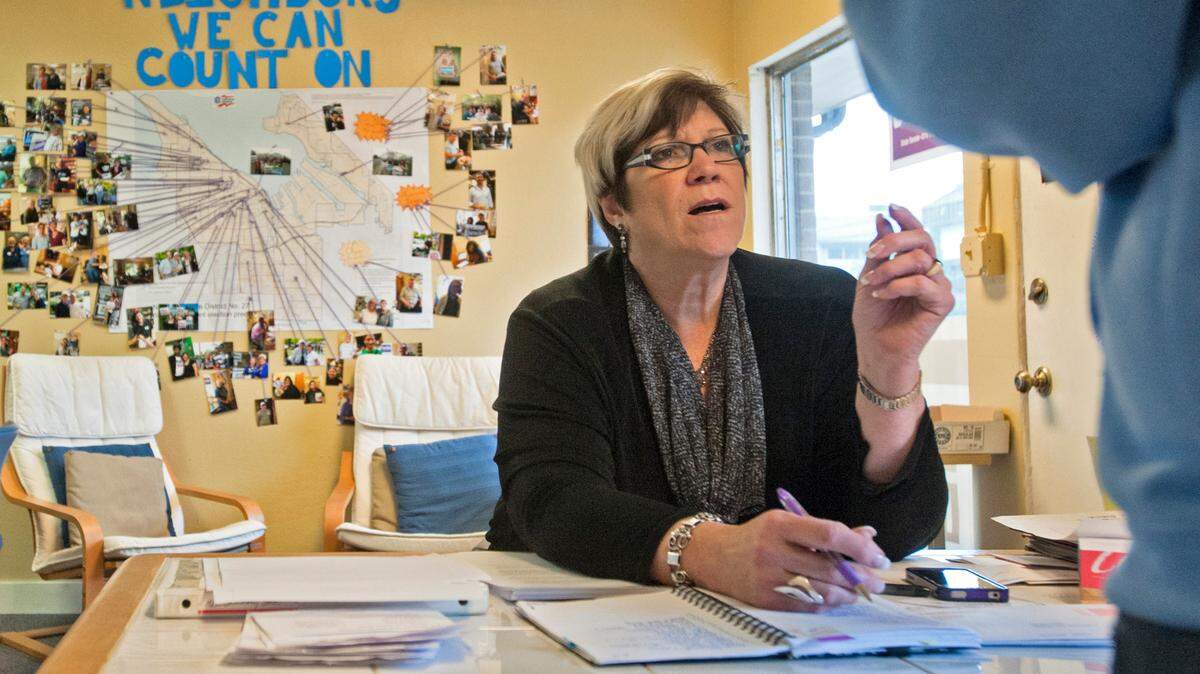
Jeannie Darneille can talk. That’s one thing about her, and as a journalist, it doesn’t take long to figure it out. Looking for a quick quote? Good luck. Want an hour-long conversation that fills your notepad? You’re in luck.
So it came as no surprise that when Darneille and I connected recently — on the heels of the announcement that the longtime Tacoma state senator would be leaving the legislature for a position as assistant secretary for the Women’s Prison Division in the state Department of Corrections — the conversation was anything but brief.
Over the last two decades, few have spent more time and effort advocating on behalf of Washingtonians behind bars and those with criminal records. From helping to end the practice of shackling incarcerated women during child birth to slowly chipping away at the callous inhumanity of the state’s three-strikes law, Darneille has dedicated much of her career to waging battles on behalf of those too many of us would prefer to lock up and forget.
Put another way? No politician runs on a platform of providing second chances for convicted criminals, but that’s precisely the work Darneille has consumed herself with. That takes guts, gumption and thick skin. It’s also admirable, at least if you believe in the power of redemption, and the idea that how we treat people who have made mistakes tells us more about us than it does them.
On Darneille’s way out the door, I wanted to know why she did it.
“I don’t mind taking on tough challenges,” the Tacoma Democrat eventually admitted. “It’s sort of my nature.”
Last week, Darneille recalled early on in her legislative career when a committee assignment first put her at odds with testosterone-driven tough-on-crime lawmakers intent on passing new laws and creating new crimes. While difficult, she said, the experience provided a formative education, helping to expose what’s wrong with our society’s thirst for punishment — from the impact of systemic racism to the way we forsake those who have committed crimes.
Still, not everyone in positions similar to hers has taken it upon themselves to tangle with such a broken system. While there’s ample data on racial disparities in the criminal justice system and subjects like the developing brain or the way adverse childhood experiences affect future behavior, that doesn’t make the plight of the incarcerated a calling elected leaders flock toward. In fact, many flee from it. As Darneille put it: “No one ever wants to be perceived as soft on crime.”
For Darneille, however, the perception seems to have mattered little, and the victories she’s notched because of that have been lasting and meaningful. In particular, she highlighted two legislative efforts she’s most proud of. Both took years to achieve.
In 2019, Gov. Jay Inslee signed a bill she sponsored that will end the practice of jailing juveniles for skipping school or running away. A decade earlier, Gov. Chris Gregoire signed off on an effort that restored voting rights for the previously incarcerated once they’re no longer on parole or probation.
Darneille referred to these moments as “the best bill signings of my lifetime.”
“I have seen such levels of injustice that it’s shocking to me, and I feel like I have to do something about it,” Darneille said of her motivation.
As we spoke, Darneille stressed just how much work remains, and indicated that she’s excited to continue pushing for change from her new post overseeing the state’s women’s prisons. The job seems like a natural fit.
As for the rest of us? While we wait to see who the Pierce County Council will choose as Darneille’s temporary replacement, we should also pause to contemplate the thorny question the outgoing senator has spent the last 21 years facing head on:
Is punishment and retribution the lone goal of our prison system, or should we aspire to something more? We talk about rehabilitation, but do we mean it?
“Most people get out of prison. The vast majority get out,” Darneille noted.
“So what are we doing to help them succeed?”