WA pot shops robberies have turned deadly. It will keep happening until Congress acts
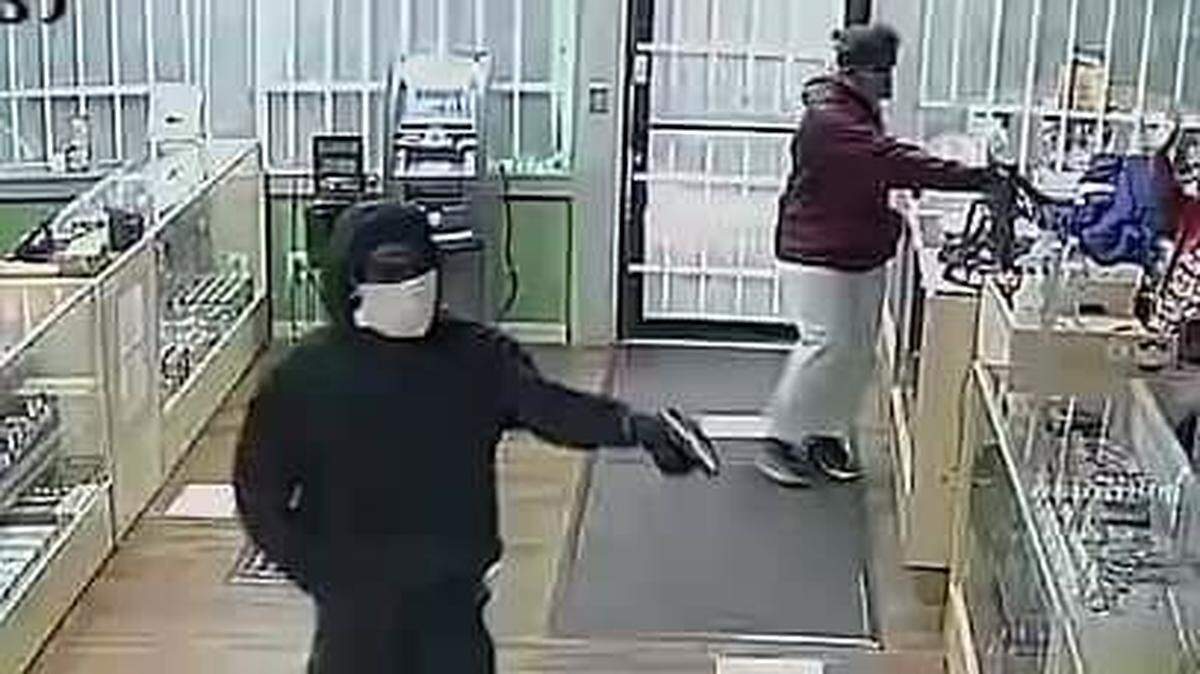
It happened again last weekend, and it didn’t have to. That’s what makes it so tragic and infuriating.
On Sunday, March 20, at approximately 10 p.m., Tacoma police responded to an armed robbery at a pot shop in the 3200 block of Portland Avenue. When officers arrived, they found a male employee suffering from a gunshot wound. Life-saving measures failed, and the victim, who Tacoma police later said was only 29 years old, was pronounced dead at the scene.
Citywide, it was at least the 12th armed pot shop robbery this year, according to Tacoma police spokesperson Wendy Haddow.
Across the region, it was the third time in a week someone died as the result of a retail marijuana robbery gone wrong, according to the Seattle Times.
It’s not a trend we’re powerless to stop, which is why it should anger people across the state.
If I sound more irritated than usual, it’s because I am. Two months ago I wrote about an apparent increase in armed pot shot robberies in Western Washington. At the time, law enforcement officials in Thurston, King, Snohomish and Whatcom counties all reported a noticeable uptick, while the state Liquor Control Board had recently issued an advisory bulletin on the problem.
Since then, matters have gotten worse. An unofficial tally provided by the Washington Cannabusiness Association now puts the number of pot shop robberies across the state at roughly 70 since the beginning of the year. Most troubling, the crimes have turned deadly.
So what’s the answer?
As I wrote at the time, what Washington’s marijuana retailers need is the ability to do business by debit and credit card, just like everyone else. But until Congress gives them the ability to do so, legally through passage of the SAFE Banking Act, that can’t happen. The federal prohibition on pot means that banks can’t do business with marijuana businesses in states that have legalized weed without fear of federal penalties from regulators. So legal pot remains an overwhelmingly cash business, and the target on retailers’ backs persists.
This week, Vicki Christophersen, executive director of the Washington Cannabusiness Association, described the situation as “a crisis.”
“The only way we get cash — to the level that it is — out of the cannabis stores is by passage of the SAFE Banking Act,” Christophersen said, telling The News Tribune that pot-shop thieves can often make off with tens of thousands of dollars for their efforts. “Until we deal with this cash issue, it’s going to continue to be a real problem.”
That’s undoubtedly true, and so it falls on people like her to advocate for the obvious. Since the U.S. House of Representatives has passed the SAFE Banking Act with broad bipartisan support — six times — you wouldn’t think it would come to this, and yet here we are. According to various national media reports, one of the key hangups in D.C. appears to be whether the legislation should come before federal legalization and efforts to address the country’s history of racially disparate enforcement of marijuana laws.
According to U.S. Senator Patty Murray, both issues deserve attention.
Murray said the spike in armed pot-shop robberies represents “a huge problem in Washington state.”
“It is really dangerous for small business owners who are just following the letter of the law,” Murray said in a statement provided to The News Tribune. “It makes absolutely no sense that legal cannabis businesses are being forced to operate entirely in cash and it’s dangerous for the employees behind the register.”
Closer to home, there are still more reasons for Washington residents to be angry — not that we needed any.
While there was nothing that state lawmakers could have done in Olympia that would have had the immediate impact of the federal SAFE Banking Act, according to Christophersen, there were smaller steps the state Legislature could have enacted last session that would have helped.
For instance, efforts to establish and fund a task force in response to the rise in retail cannabis robberies fell by the budgeting wayside. And a bill that would have increased criminal penalties for some pot shop robberies — making them similar to pharmacy robberies — failed to gain traction in the state House, despite being passed unanimously in the Senate in early February.
Almost a decade after Washington voters legalized the sale and use of recreational marijuana — creating a regulated market that now brings in more than a billion dollars in sales and roughly a half billion in tax revenue — it’s enough to make you wonder how much lawmakers care about the thousands of residents now employed in the industry.
According to Christophersen, what’s at stake, particularly when it comes to banking, is the “safety of our employees, our business owners, the communities around them and our customers.”
“I hesitate to ever use the word ‘crisis,’ but I do believe this has reached that point in our state,” Christophersen said, noting that other states with legalized marijuana markets are faced with a similar problem.
On Tuesday, U.S. Rep. Marilyn Strickland, who represents Washington’s 10th Congressional District, said she’s hopeful her colleagues in the Senate will soon be able to pass the SAFE Banking Act.
Strickland said she supports the effort — and efforts to remove marijuana from the list of scheduled substances under the Controlled Substances Act — and believes that the marijuana industry’s forced reliance on cash creates “crimes of opportunity.”
“The SAFE Banking Act has been passed repeatedly in the House, and it tends to stall in the Senate,” Strickland said. “Maybe (the increase in armed robberies at cannabis retailers across the country) will be a wake up call for folks in the Senate — that they have the ability to affect public safety and keep workers and people safe.”
Back in the other Washington, Christophersen hopes that’s the case.
She said advocating for the passage of the SAFE Banking Act would remain a top priority until lawmakers do what they should have done years ago.
“It is absolutely unacceptable at this point that our businesses have to deal with this much cash, and it is squarely sitting in the hands of the U.S. Senate,” Christophersen said.
This story was originally published March 23, 2022 at 5:00 AM.