Tacoma has $100K for arts on the Eastside, South End. Residents will decide how it’s spent
Back in 2018, Tacoma voters approved a one-tenth of 1 percent sales tax increase to help provide access to arts, culture, heritage and science programming across the city.
Known as Tacoma Creates, the state’s first voter-approved cultural program of its kind now brings in roughly $6 million a year. Since collection of the tax began, it has helped to pay for everything from local events and festivals to bus passes for local school children.
From the very start, one of Tacoma Creates’ primary objectives — and big promises — has been the reduction of barriers that often prevent people from participating in local arts and culture programming in historically underserved communities. Nowhere was this disparity more evident than in places like Tacoma’s Eastside and South End, where the initiative’s champions have often pledged that the money will go to good use.
So what does that actually look like — four years after the tax was approved?
The last month has provided a prime example.
On Tuesday, canvassers from the Tacoma-Pierce County Health Department spanned out near Roosevelt Elementary, not far from Portland Avenue, urging people to vote in a process that will determine how $100,000 in funding is spent in the area over the next year.
According to Liesl Santkuyl, who works in TPCHD’s health and equity department, it’s an opportunity for anyone who lives, works, goes to school or has a child attending school on the Eastside or in South Tacoma to participate in government decisions that directly impact their lives.
“It allows community members to have a voice on how to spend funds. … So it’s true community engagement,” Santkuyl said of the effort, which is a partnership between Tacoma Creates, TPCHD and the Public Health Centers for Excellence called Your Voice, Your Power that asks participants in both neighborhoods to choose from three arts and culture-related project proposals to be produced over the next year.
On the Eastside, participants will choose between a series of pop-up light art shows that would be driven by community engagement and intended to showcase the neighborhood’s character, a “freewall” space dedicated to legal mural painting and a series of multicultural festivals featuring food, art and dance.
In South Tacoma, voters also have three options: a series of three creative talent shows; a two-day South Tacoma heritage festival; and a mural highlighting the cultural diversity of the area.
The proposed projects were culled from more than 3,000 ideas submitted by the public, Santkuyl said, with the finalists developed by community groups and nonprofits in each of the neighborhoods.
Votes will be accepted online and in person through the end of the week.
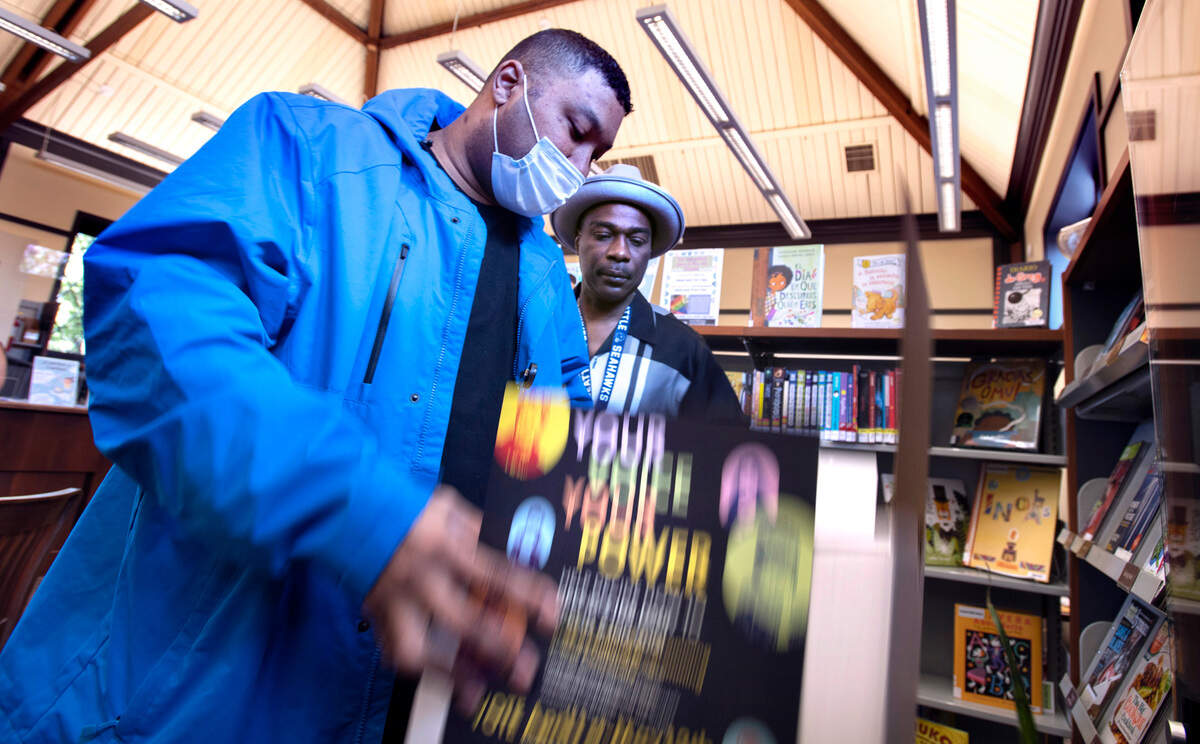
Your Voice, Your Power
There are a couple ways to look at Tacoma Creates, four years after it was approved by a majority of voters and two years into a COVID-19 pandemic that has both rearranged life as we knew it and brought our societal failings into sharper focus.
On one hand, there’s little question that the tax money Tacoma Creates has collected has been put to good use. As The News Tribune has reported, the program distributed $4.7 million to 57 cultural organizations in its 2020-21 program year, helping to keep some afloat during a time of immense uncertainty while supporting more than 400 programs and events. The stats don’t lie, and the flexible funding has been a blessing for many deserving recipients.
There’s also a cynical view, and it’s one I sometimes have trouble shaking.
In a city with a critical lack of affordable housing, where hundreds of people live on the streets because our woefully inadequate social safety net can’t find a way to catch them, the fact that city leaders and residents found the political will to pass a tax for arts and culture that brings in millions of new dollars each year but have yet to address more pressing crises can feel like a squandered opportunity.
The reality is there are likely elements of truth in both assessments. Life is complicated and often contradictory.
Here’s the good news:
At a time when all of us are trying to recover and remain resilient in the face of a pandemic that has hit many of the most vulnerable the hardest, the outreach, relationship building and listening that are at the heart of the “Your Voice, Your Power” campaign have the potential to deliver real, tangible results to neighborhoods that have too often been neglected.
The effort is also building much needed trust in government in the process.
Say what you will about the city’s art tax; that’s money well spent.
On Monday, Santkuyl explained what’s at stake, taking the opportunity to marvel at the impact simply involving the public in budget decisions can have.
“It gets community members that don’t always get a chance to vote — like children, and very diverse communities — to be actively engaged in decision making. It (also) creates spaces for cultural reflection, expression, collective healing – these projects support community health and well being,” Santkuyl said.
“We know that a lot of people distrust government, and this is a way to really allow people to see that we truly want to hear their voice,” she added.