
Here’s what’s known — and not known — about the E. coli outbreak that has hit 6 states
The CDC and FDA let everyone know Tuesday night they’re investigating what they’re calling an E. coli outbreak with cases in six states. The agencies also let everyone know there’s a lot they don’t know.
Here’s the quick breakdown:
How many people are ill?
There are only 12 cases so far. Five of those people needed hospitalization.
Illinois has four people sick. California, Michigan and Pennsylvania have two each. Virginia and Ohio have one each.
Despite the coast-to-coast geographic spread, the CDC said standard DNA fingerprintng of the E. coli bacteria indicates “that people in this outbreak are more likely to share a common source of infection.”
Is this another romaine lettuce E. coli outbreak?
Not definitively, but romaine lettuce would be the food of interest in this investigation.
As the Miami Herald reported Sunday, Tanimura & Antle recalled bagged romaine lettuce in 19 states and Puerto Rico after inspectors found E. coli in a sample being sold in a Comstock, Michigan, Walmart.
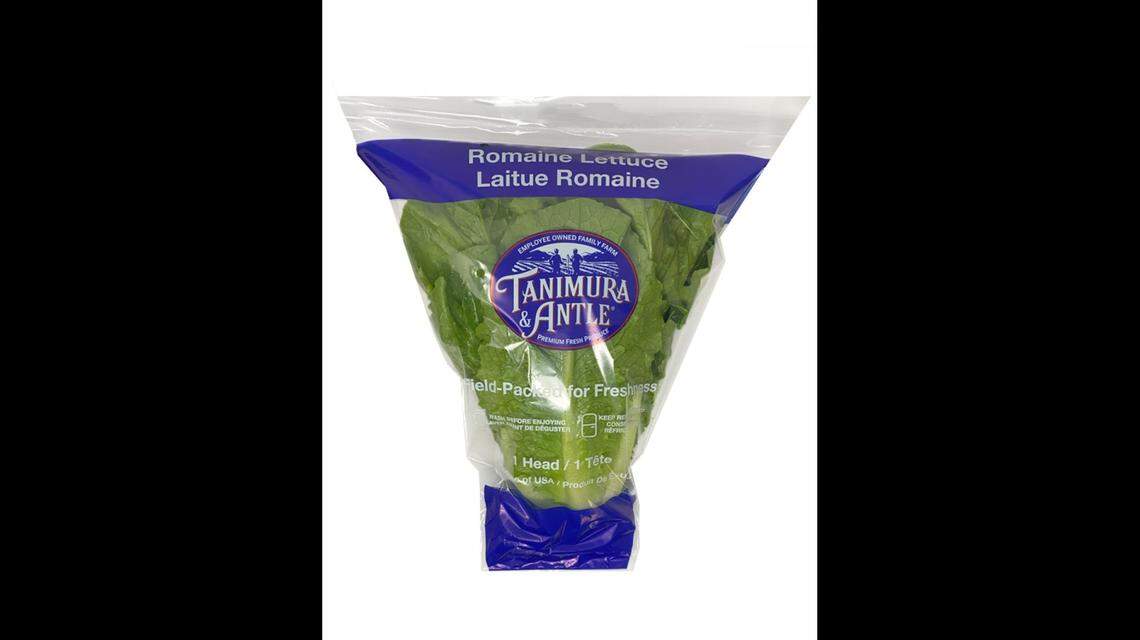
But “there is not enough epidemiologic and traceback information available at this time to determine if ill people got sick from eating Tanimura & Antle romaine lettuce,” the CDC said Tuesday.
The CDC said all 11 people it spoke to in the outbreak “reported eating various types of leafy greens” the week before they got sick. Of that group, there as many spinach eaters as romaine lettuce eaters (five each) from the week before they got sick. Three people checked off the iceberg lettuce box, the same number as red leaf lettuce.
What type of E. coli is this?
The E. coli found by Michigan and the E. coli in the outbreak is E. coli O157:H7, one of the nastier forms of the foodborne illnesss.
You’ll start to feel symptoms from this anywhere from two to eight days after eating the infected food, but it’s usually three to four days. Stomachaches, light fever and bloody diarrhea are usually where the damage stops. Some people develop a kidney failure called hemolytic uremic syndrome (HUS) that can prove fatal.
If you feel ill and think it might be an E. coli infection, don’t try to deal with it via antibiotics. Some studies say that antibiotics can increase the chance of HUS.
This story was originally published November 11, 2020 at 11:50 AM with the headline "Here’s what’s known — and not known — about the E. coli outbreak that has hit 6 states."
