Millions who overpaid taxes on unemployment benefits to be sent IRS refunds this week
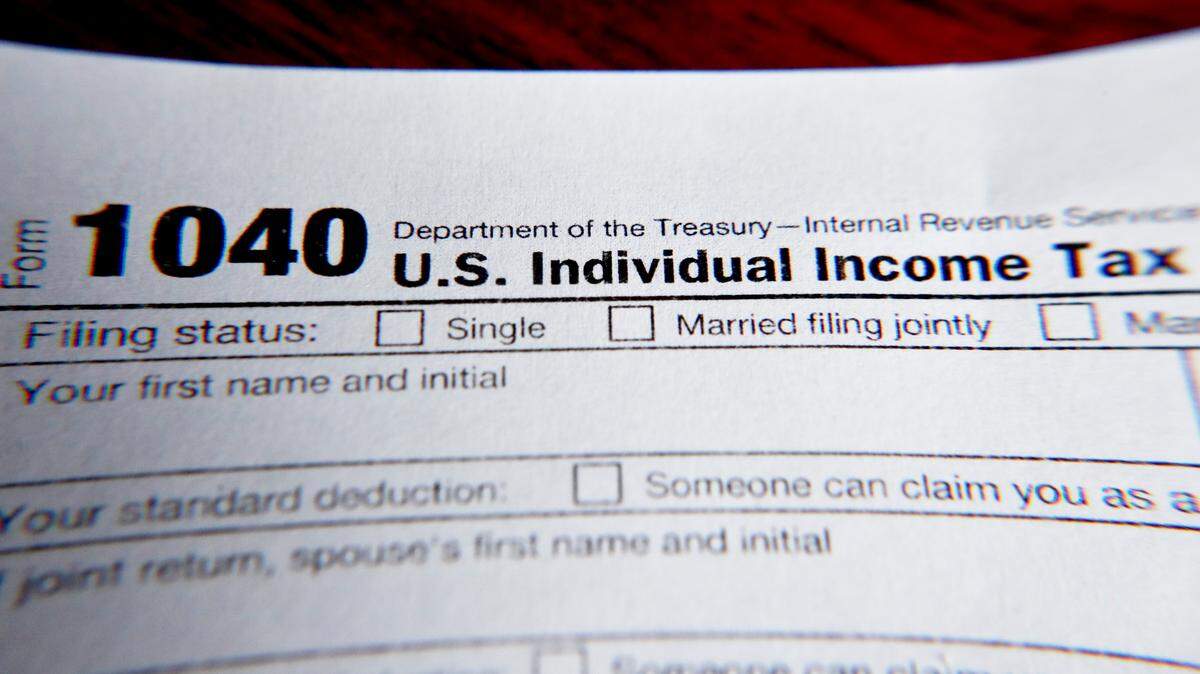
Millions of Americans who overpaid taxes on their unemployment benefits last year could be getting a refund from the Internal Revenue Service this week.
The IRS said Tuesday it’s issuing another round of refunds, this time to nearly 4 million taxpayers. Direct deposits are set to go out Wednesday and paper checks are set to go out Friday.
Here’s what to know about the refunds.
Who gets them
The American Rescue Plan — the $1.9 trillion COVID-19 relief packaged signed into law in March — exempted up to $10,200 in unemployment benefits received in 2020, meaning people who received jobless benefits did not have to pay taxes on compensation up to that amount.
But many people filed their 2020 income tax returns before the American Rescue Plan was enacted and therefore may have paid taxes on compensation they were eligible to have exempt.
The refunds are for those who were eligible for the exemption but already paid taxes on those unemployment funds.
Who is eligible for the exemption
The American Rescue Plan exempted portions of unemployment compensation for taxpayers who made less than $150,000 in “modified adjusted gross income” in 2020.
Those who made more than $150,000 cannot exclude any unemployment benefits from their income.
In June, the IRS sent 2.8 million refunds to eligible taxpayers but said more were qualified.
During this round, the IRS says it identified 4.6 million taxpayers who may be “due an adjustment” — roughly 4 million of whom are expected to be sent a refund this week.
The IRS says it will continue sending refunds throughout the summer.
How much the refunds are worth
The average refund sent this week is $1,265, the IRS says. Some taxpayers will get more and some will get less.
The $10,200 is just the maximum amount of compensation that can be excluded from taxable income, not the amount that taxpayers should expect from the refunds.
How the payments work
The IRS says most taxpayers owed a refund don’t need to do anything to receive it.
“To ease the burden on taxpayers, the IRS has been reviewing the Forms 1040 and 1040SR that were filed prior to the law’s enactment to identify those people who are due an adjustment,” the IRS says.
People “due an adjustment” will either receive a refund for the amount they overpaid or have it applied to “other outstanding taxes” or “federal or state debts owed.”
“Taxpayers will generally receive letters from the IRS within 30 days of the adjustment, informing them of what kind of adjustment was made (such as refund, payment of IRS debt payment or payment offset for other authorized debts) and the amount of the adjustment,” the IRS says.
People who, because of the excluded unemployment compensation, are eligible now for deductions or credits they didn’t claim on their original tax return “should file a Form 1040-X, Amended U.S. Individual Income Tax Return.”
The IRS says taxpayers should file an amended return if they didn’t “submit a Schedule 8812 with the original return to claim the Additional Child Tax Credit and are now eligible for the credit,” and they should also amend their returns if they didn’t “submit a Schedule EIC with the original return to claim the Earned Income Tax Credit (with qualifying dependents) and are now eligible.”
This story was originally published July 14, 2021 at 11:07 AM with the headline "Millions who overpaid taxes on unemployment benefits to be sent IRS refunds this week."