
You could see 20 meteors an hour — if the moon stays out of the way. What to know
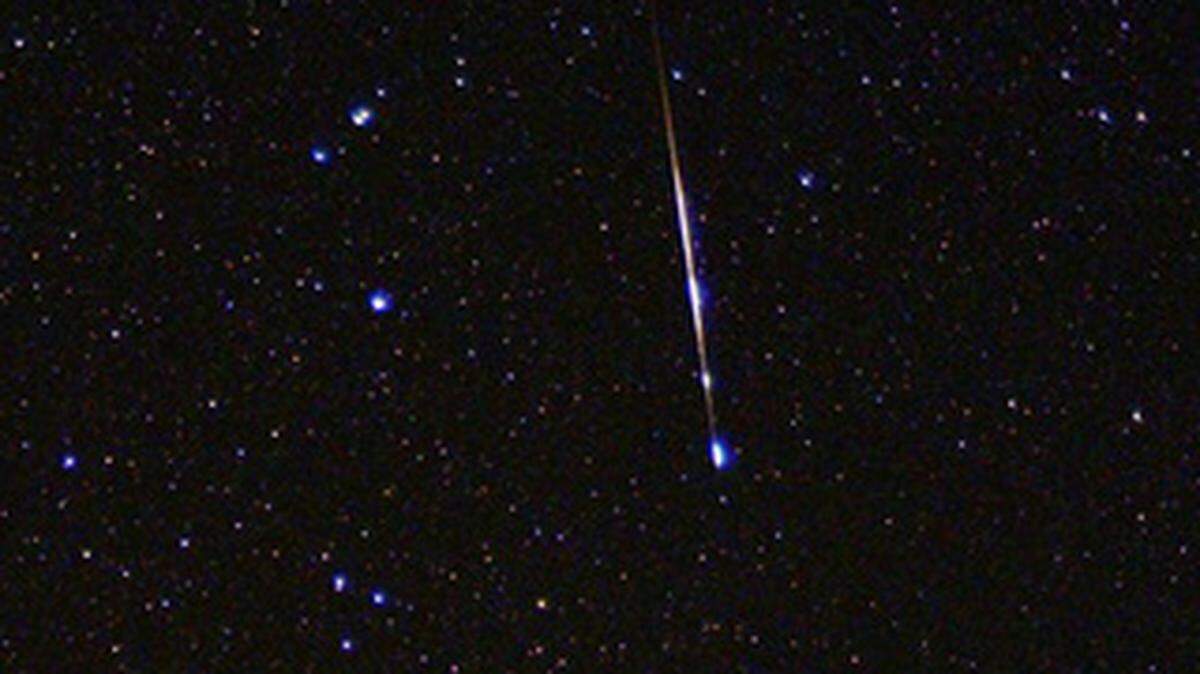
The moon might be getting in the way of a meteor shower that peaks this week.
The Delta Aquariid meteor shower will peak through the end of July, according to NASA. It typically brings about 20 meteors an hour.
This year, however, the moon might make spotting the meteors a challenge. The moon will be in a bright waning gibbous phase, which will brighten the sky and make it harder to see the meteors, according to the Farmers’ Almanac.
“These faint meteors are difficult to spot,” NASA said. “And if there is a moon you will not be able to view them.”
Luckily, July isn’t the only time hopeful stargazers can spot the meteors. The Delta Aquariids are visible until late-August, and a fainter waning crescent moon will make them easier to see, according to EarthSky.
They’ll be zooming through the sky at the same time as the Perseids, another meteor shower that produces up to 100 meteors an hour.
“If you are unable to view the Delta Aquariids during their peak, look for them again during the Perseids in August,” NASA said. “You will know that you have spotted a Delta Aquarid if the meteor is coming from the direction of the constellation Aquarius.”
The best chance to catch a glimpse of the Delta Aquariid meteor shower in July is to find an area away from city and street lights, according to NASA. Lie flat on your back with a view of as much sky as possible.
Find the constellation of Aquarius in the southern part of the sky, and look about 25 degrees from it, NASA said.
“In less than 30 minutes in the dark, your eyes will adapt and you will begin to see meteors,” NASA said. “Be patient—the show will last until dawn, so you have plenty of time to catch a glimpse.”
This story was originally published July 28, 2021 at 8:34 AM with the headline "You could see 20 meteors an hour — if the moon stays out of the way. What to know."