
‘Unusual’ seashell found on Outer Banks has an unexpected color, national park says
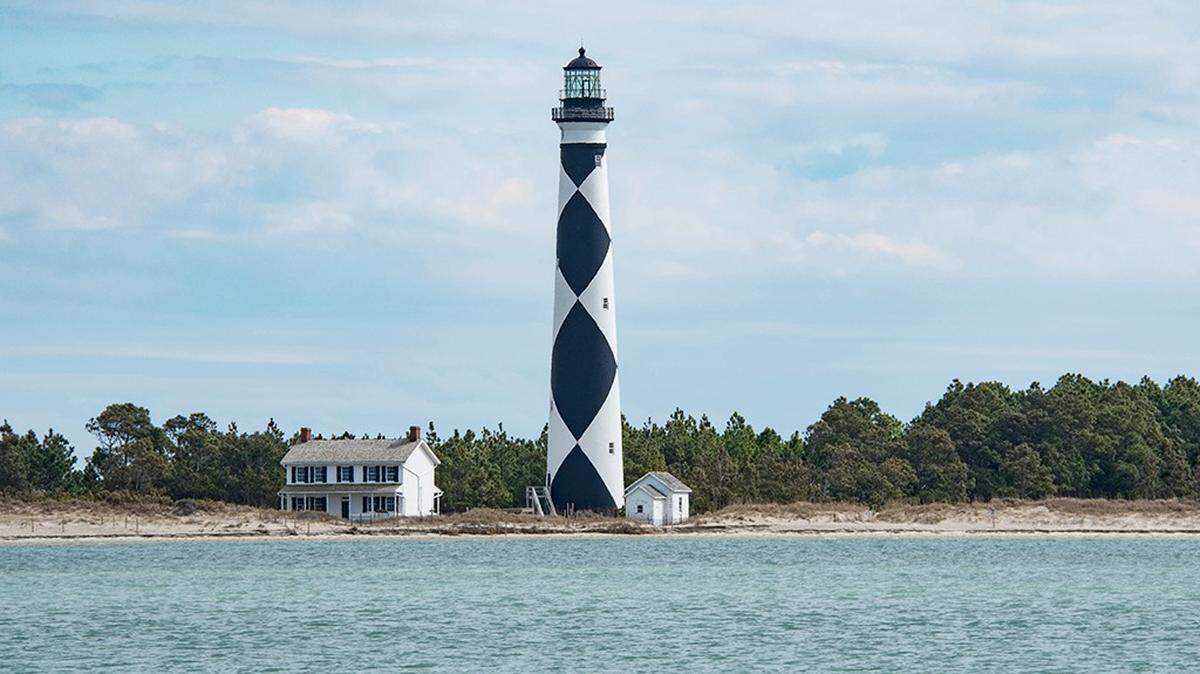
Outer Banks beaches are beloved by seashell hunters for the numbers of shells to be found and the variety.
Weird stuff is also known to wash up along the popular North Carolina vacation destination and such was the case on Saturday.
A Florida Fighting Conch was found on a Shackleford Banks beach and it was oddly colored — or rather, not colored at all.
“These conchs are most often a dark chestnut brown, but this one is almost white,” Cape Lookout National Seashore reported in a Facebook post.
The park posted a photo of a regular shell for comparison, and it had swirls of colors from gold to dark brown.
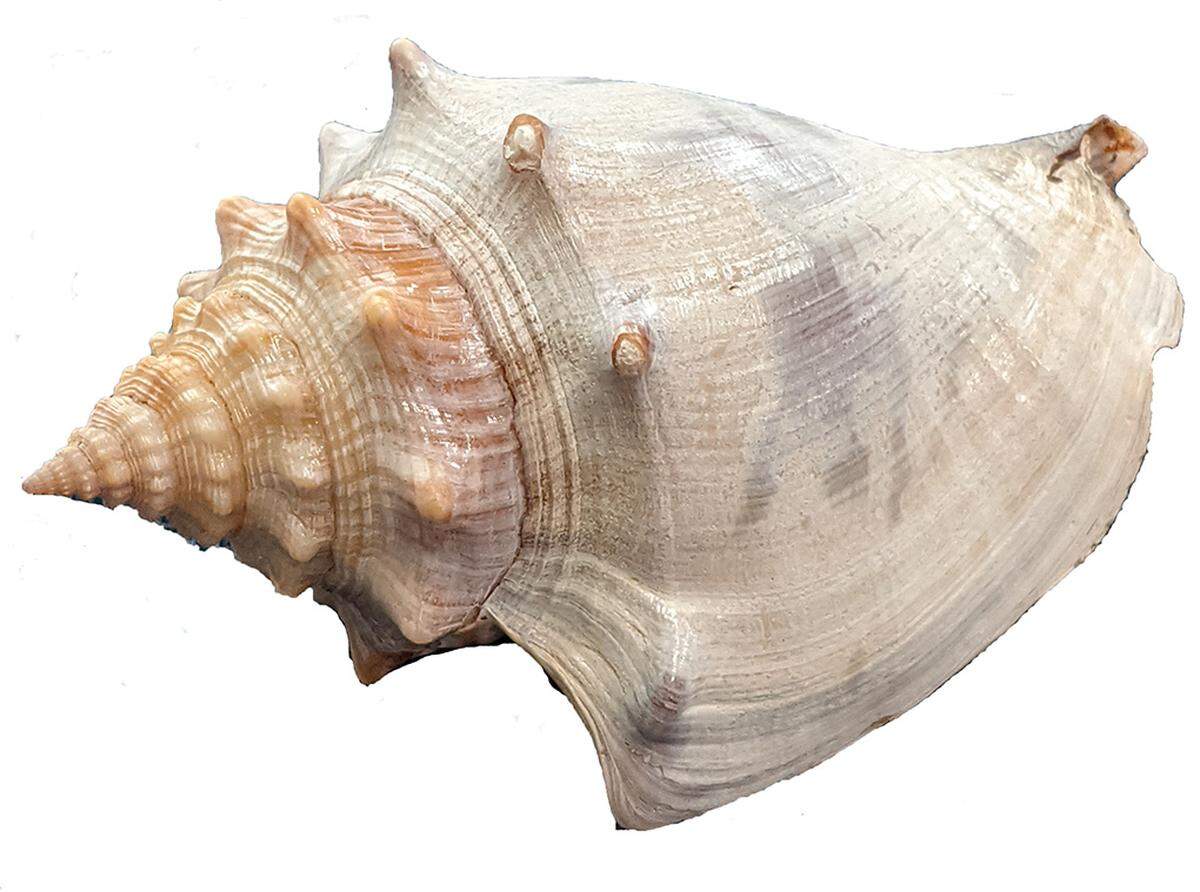
“It is unknown if the lighter color comes from a genetic variation or from its exposure to the sun over time spent on the beach. Either way, it’s a beautiful shell,” the park said.
“Fighting conchs get their name from the occasional fights between rival males. ... These snails are primarily herbivores.”
The park didn’t say who found the highly collectible shell or what will become of it.
Several unusual seashells have been found in recent years on the Outer Banks, including some that were fossils.
In 2019, the park reported a long-buried welk was found, and it likely predated the current incarnation of the Outer Banks, McClatchy News reported. It was nearly black from years spent buried under mud and sand, officials said.
Last year, an ancient clam shell was discovered at the park, measuring nearly 6 inches across and weighing 2 pounds. That is nearly double the size of a modern clam species, the park said.
Cape Lookout National Seashore encourages visitors to do a little “prospecting” for seashells, which pile up on beaches after storms.
The Outer Banks is uniquely positioned at a spot where currents collide, resulting in strange things washing ashore, including shipwrecks and World War II bombs.
This story was originally published August 26, 2021 at 5:04 AM with the headline "‘Unusual’ seashell found on Outer Banks has an unexpected color, national park says."