
Why are so many landlords raising rent? Here’s what experts say as renters seek relief
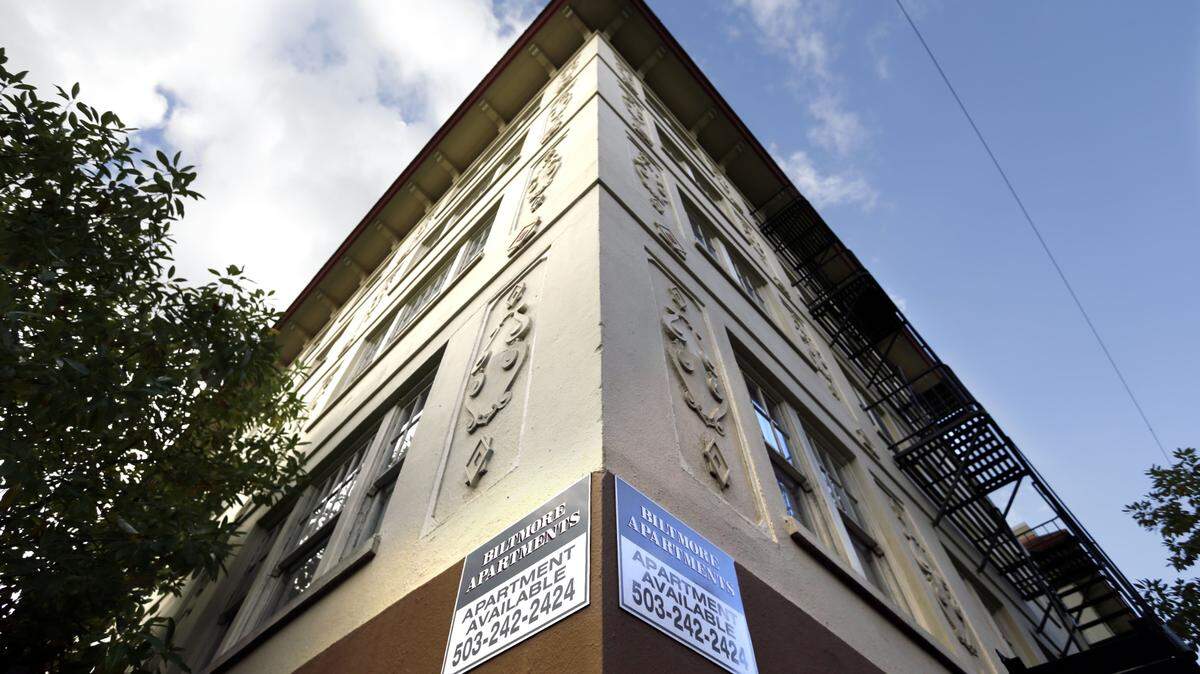
If you’ve found yourself seeking rent relief in recent months, you’re not alone.
Rents across the country have skyrocketed over the past year, in some cities increasing by as much as 40%, according to an analysis by real estate company Redfin.
In Dallas-Fort Worth, for example, rents are up 25%, WFAA reports.
Experts say a “perfect storm” of factors is causing the spike that is driving many Americans out of their homes or forcing them to pay more of their salary on rent at a time when fuel prices and groceries are also putting the squeeze on their bank accounts.
In March 2022, average rents across the country were 17% higher than they were in March of last year, said Jeff Tucker, senior economist at Zillow.
“That’s not a number I ever expected I would see for annual rent growth at the national level,” he said. “Before the pandemic, we were talking about it averaging 3 or 4%.”
One of the biggest factors at play in the rising cost of rent is the fact that there aren’t enough homes — including apartments and houses — to meet the demand, meaning there isn’t enough competitive pressure on landlords to keep their rents low, he said.
The rental vacancy rate at the end of 2021 was 5.6%, the lowest it’s been since 1984, according to Federal Reserve Economic Data.
“Broadly, there’s not enough homes for everybody who wants one right now, whether that’s to buy a home or rent a home,” Tucker said.
Home construction lags
The building of new houses and apartment buildings has also been slowed due to ongoing issues with the global supply chain spurred by the coronavirus pandemic, which has led to labor shortages and the disruption of shipping lanes around the world, said Roberto Quercia, professor in the University of North Carolina’s Department of City and Regional Planning.
“Construction was gaining speed prior to the pandemic,” he said. “Unfortunately, that came to a screeching halt when COVID came around.”
The rising costs of fuel, construction materials and building maintenance have also led to higher prices being passed on to renters, he said.
“It’s kind of like a perfect storm of why the rents are high,” he said.
The average price of gas across the country is $1.30 higher than it was a year ago, according to AAA.
And while it’s too early to say if Russia’s invasion of Ukraine, which has already impacted gas prices around the world, will influence more rent increases, Quercia said.
The prices of goods and services related to property development and property management — such as hiring tradespeople and contractors and replacing appliances such as air conditioners — have also soared, Tucker said.
“Those have had some of the fastest price increases out of everything contributing to inflation,” he said. “There’s some truth to it that those costs are getting passed on to renters.”
The COVID-19 effect
The pandemic has also affected the way people approach renting, Tucker said.
With many people working remotely, more tenants are seeking more space and more privacy when looking for a home or apartment. Also, people who may have been willing to share a unit before the pandemic might now each be searching for a place of their own.
Also, as eviction moratoriums put into place around the country to protect tenants during the pandemic come to an end, landlords will be better able to evict their current occupants and rent to new tenants at higher prices, Quercia said
While experts say it’s difficult to predict what will happen over the next few years, they agree that this year’s increase in rent prices is likely to endure as one of the highest on record.
“I expect rents to keep rising in the year ahead, but not as fast as they did last year,” Tucker said. “I think last year will stand as the high water mark for how fast annual rent growth can go for a very long time.”
This story was originally published April 6, 2022 at 7:13 AM with the headline "Why are so many landlords raising rent? Here’s what experts say as renters seek relief."