
Triassic park theft: Someone cut fossil footprints from stone at Utah national park
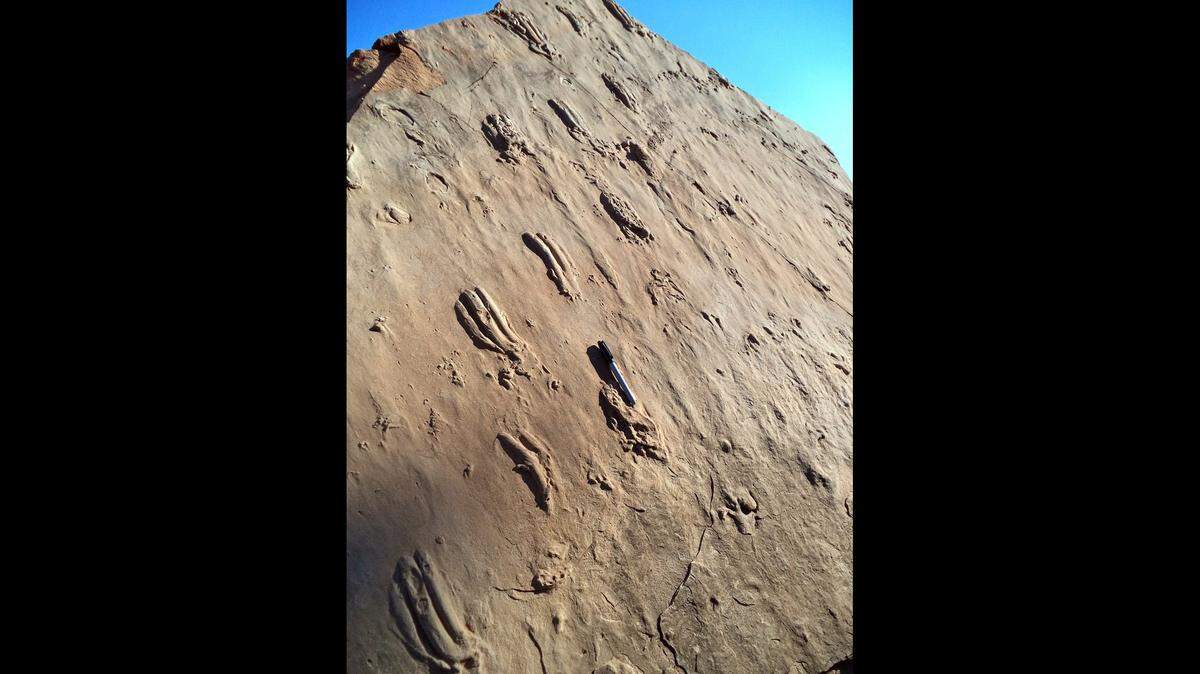
A series of fossilized footprints linked to a Triassic-era reptile have been stolen from a Utah national park.
The incident is being investigated as an act of vandalism and the theft of “irreplaceable paleontological resources,” according to National Park Service Investigative Services.
It happened in south central Utah’s Capitol Reef National Park, which is home to a geologic “wrinkle in the earth’s surface” that is nearly 100 miles long.
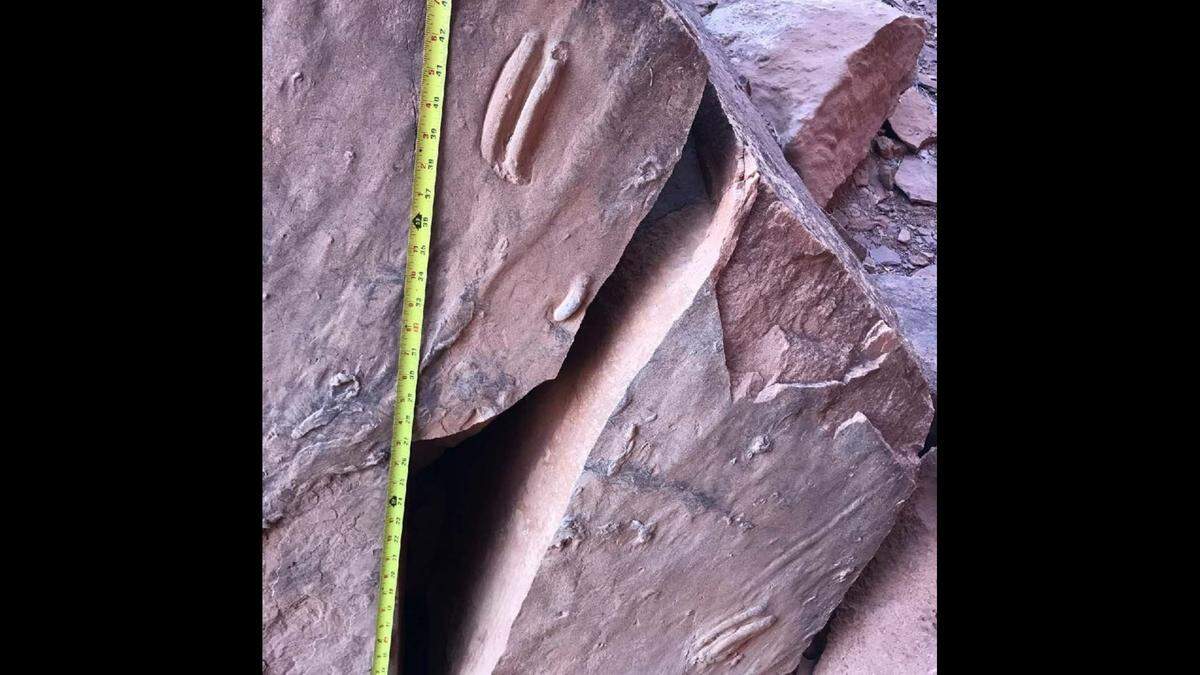
“Sometime between August 2017 and August 2018, trace reptile track fossils dating from the Triassic period were removed from a trackway within the park,” investigators said in a news release.
“Some of the oldest and most extensive reptile tracks in the western United States are found within Capitol Reef National Park. Fossils preserve the record of life on earth and are exceedingly rare.”
The incident was initially considered an act of vandalism, but further investigation recently confirmed a theft had taken place, investigators said.
The stolen “trackways” were in a location that is “remote and relatively unknown by visitors,” National Park Service officials told McClatchy News. Fossils on federal land are protected under the Paleontological Resources Protection Act, officials said.
The Triassic Period — which gave birth to the first dinosaurs — lasted from 251 million to 199 million years ago and was “a desolate time in Earth’s history” that included a mass extinction, according to National Geographic.
A photo shared by the National Park Service shows a 4-foot section of the fossil prints was cut from the boulder with some type of tool.
Websites like eBay show a single Triassic-era footprint can fetch hundreds of dollars for sellers.
The National Park Service didn’t say what creature left the stolen prints. Decades of research have been invested in studying stone tracks in the park, some of which take the form of “toe scrapes.”
“Well preserved, skin, claw, and pad, impressions are common,” according to the National Park Service.
“Occasional, well developed, tail-drag marks frequently occur in many of the trackway sequences.”
Capitol Reef National Park is known for its Waterpocket Fold, a geologic formation that created “a dramatic landscape of rugged cliffs and canyons, striking natural bridges and arches, and distinct formations in the heart of red rock country,” Capitolreef.org reports.
“This warp in the Earth’s crust is a classic monocline: a steep fold on one side of otherwise horizontal geological layers, about 7,000 feet higher in the west than on the east,” the site says.
This story was originally published May 11, 2022 at 4:25 AM with the headline "Triassic park theft: Someone cut fossil footprints from stone at Utah national park."