Peek inside newly uncovered Roman sanctuary showing life in Netherlands 1,700 years ago
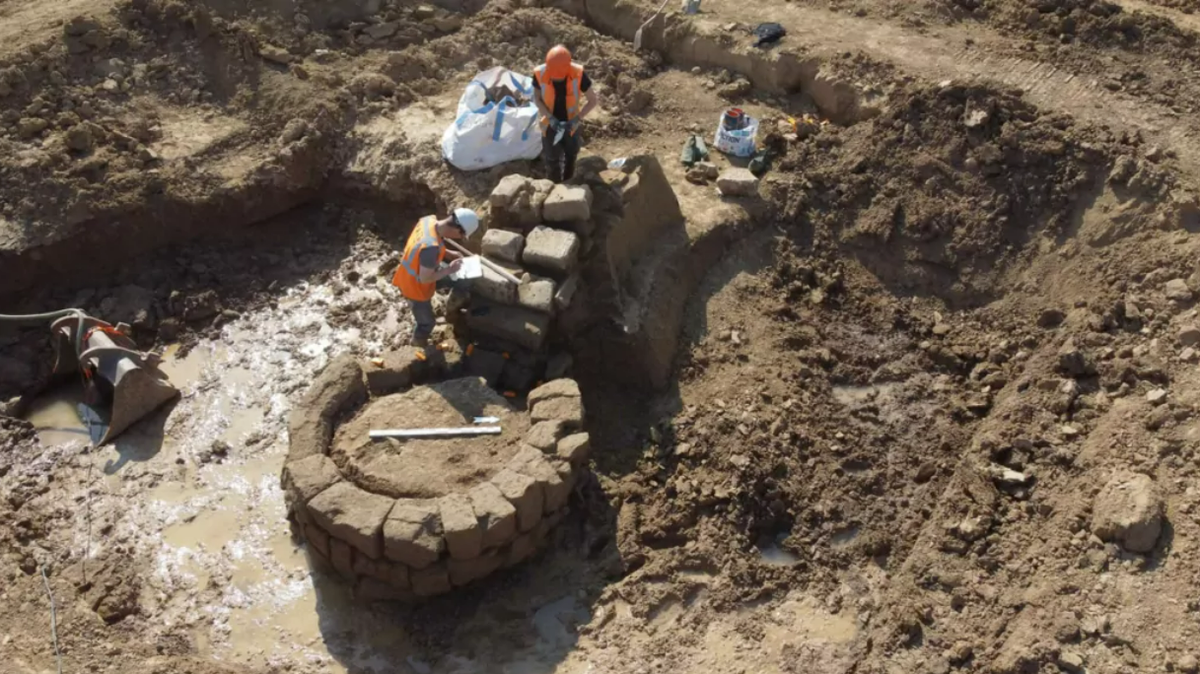
Centuries ago, a bustling village in northern Europe with a massive sanctuary complex was the place to be for important Roman soldiers. The hustle and bustle has faded, but remnants of this vibrant ancient life are still visible, archaeologists in the Netherlands have found.
Archaeologists uncovered the nearly complete sanctuary complex in Gelderland, RAAP Archaeology said in a news release. The site, named the Herwen-Hemeling Sanctuary, is the most complete Roman complex found in the Netherlands.
The ruins of several beautifully painted temples dedicated to different gods and goddesses have been found, experts said. Roman soldiers used these temples from the first century to fourth century to place stone altars for various deities as a sign of gratitude.
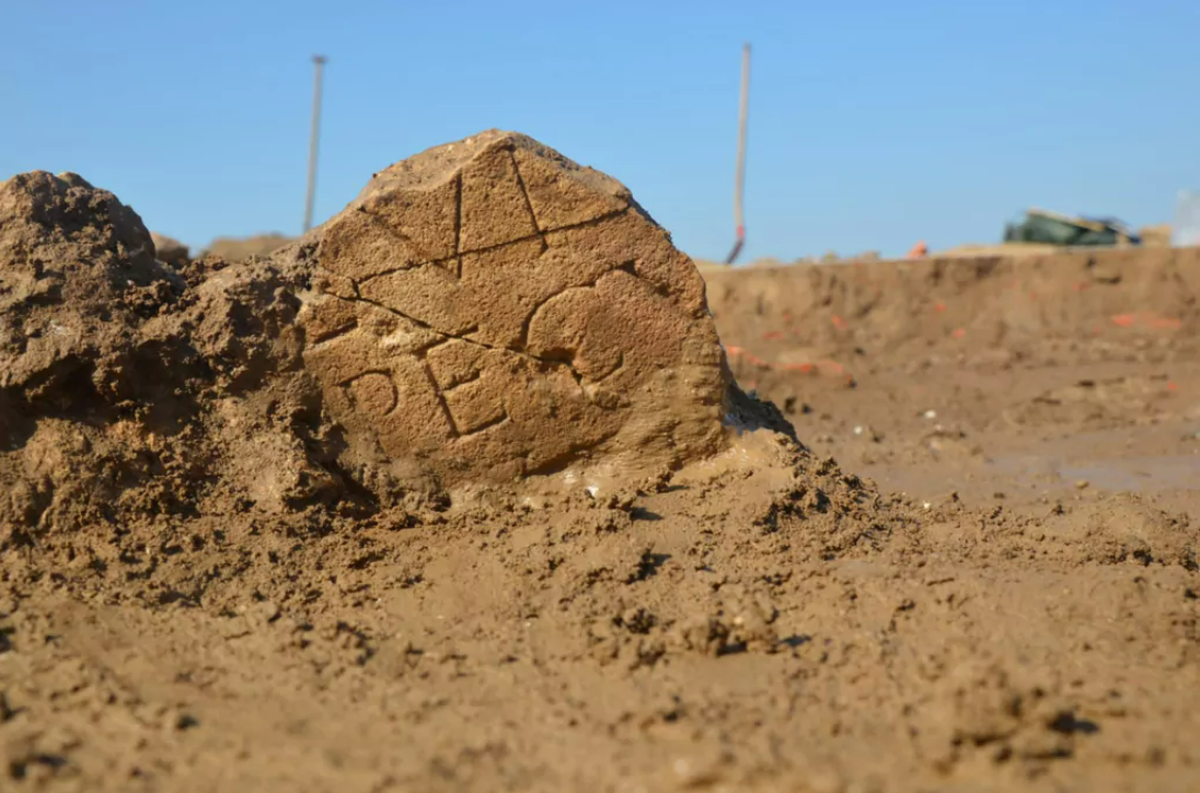
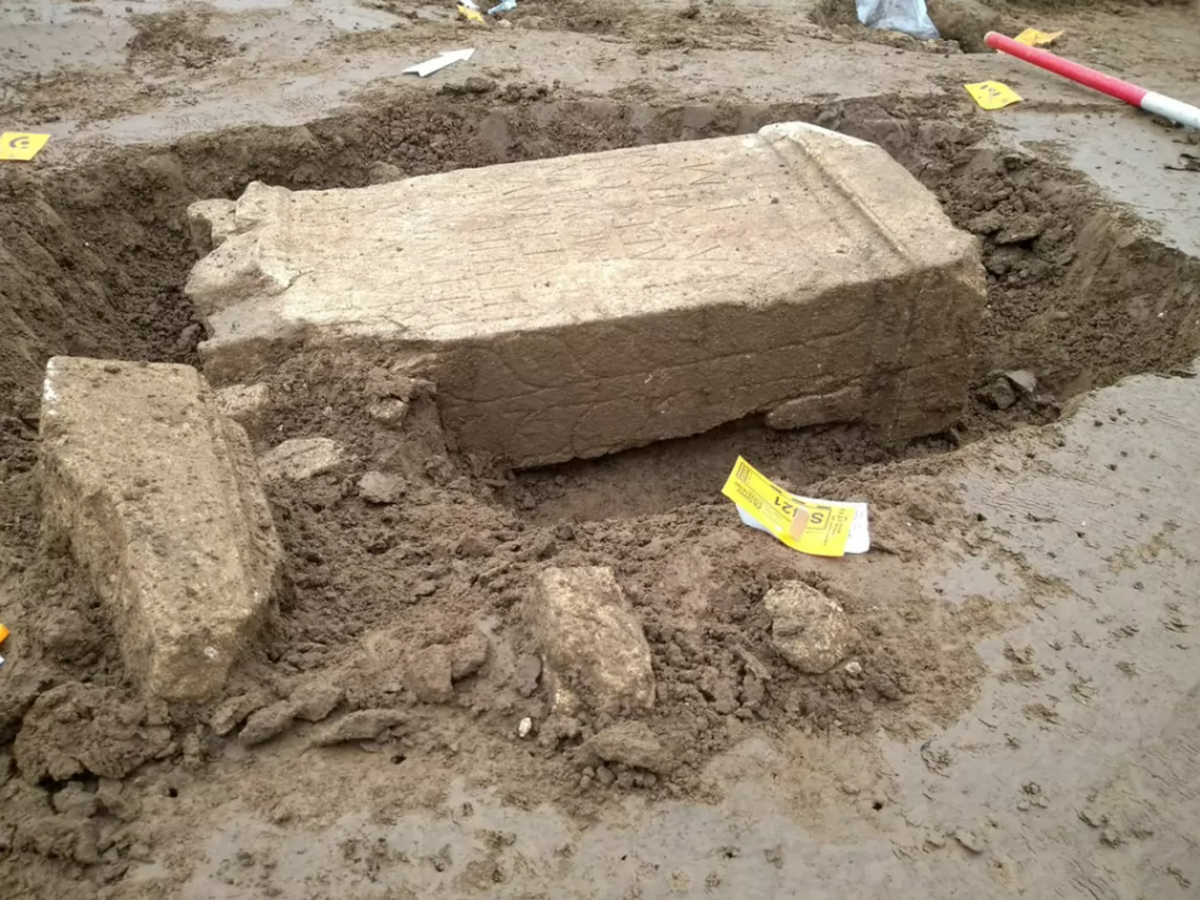
Many of these stone altars had inscriptions, photos show. Piecing together fragmented altars and translating the inscriptions, researchers learned that stones had been dedicated to Hercules Magusanus, Jupiter-Serapis and Mercury, the release said.
Hercules Magusanus is a god connected to the Roman deity Hercules and a German deity of Magusanus, Marie-Louise Genèvrier wrote in a study from 1984.
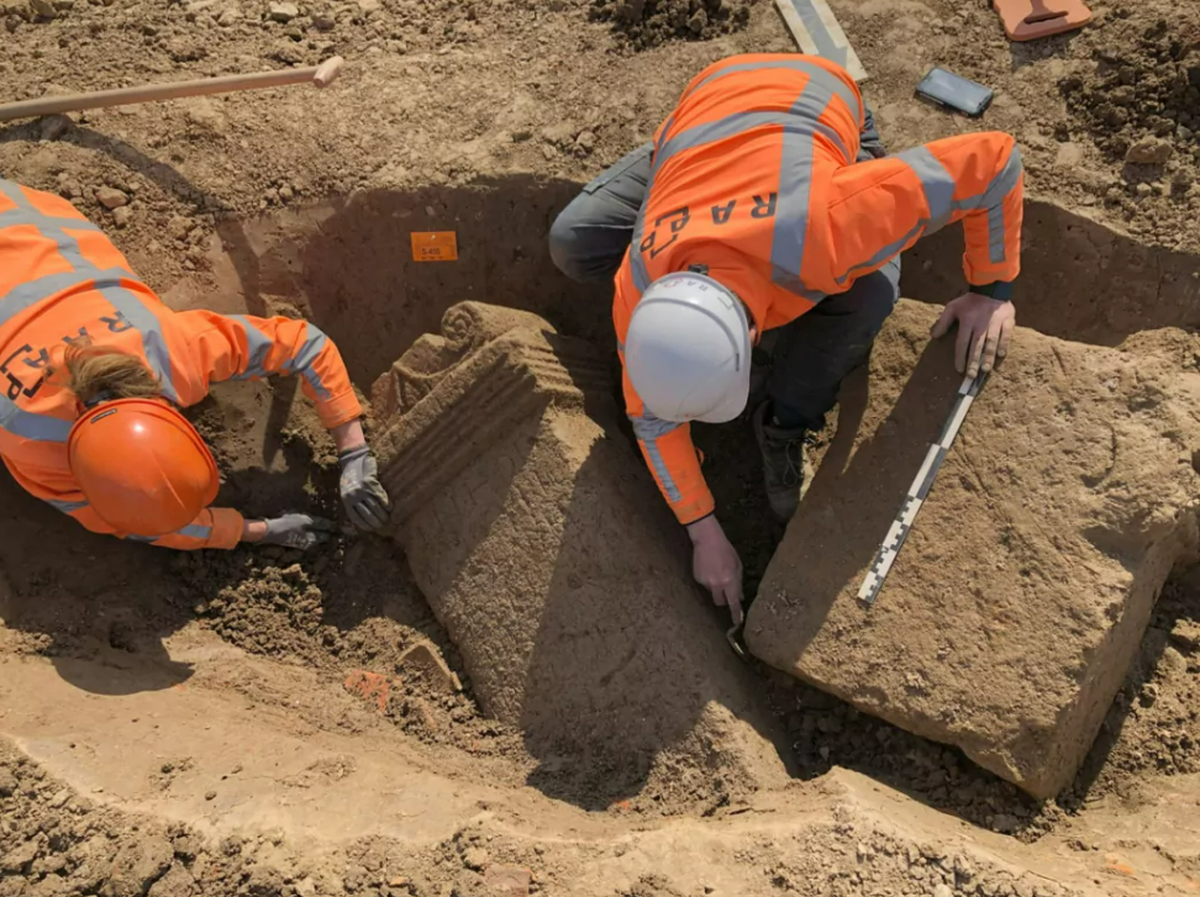
Excavations of the sanctuary complex have revealed even more finds than originally expected, Broadcasting Gelderland reported on Wednesday, Dec. 21. About 80,000 artifacts have been found, archaeologist Eric Norde of RAAP Archeology told the outlet.
Archaeologists found a stone staircase leading down to a large stone well, photos show. Remnants of large sacrificial fires were also found, experts said.
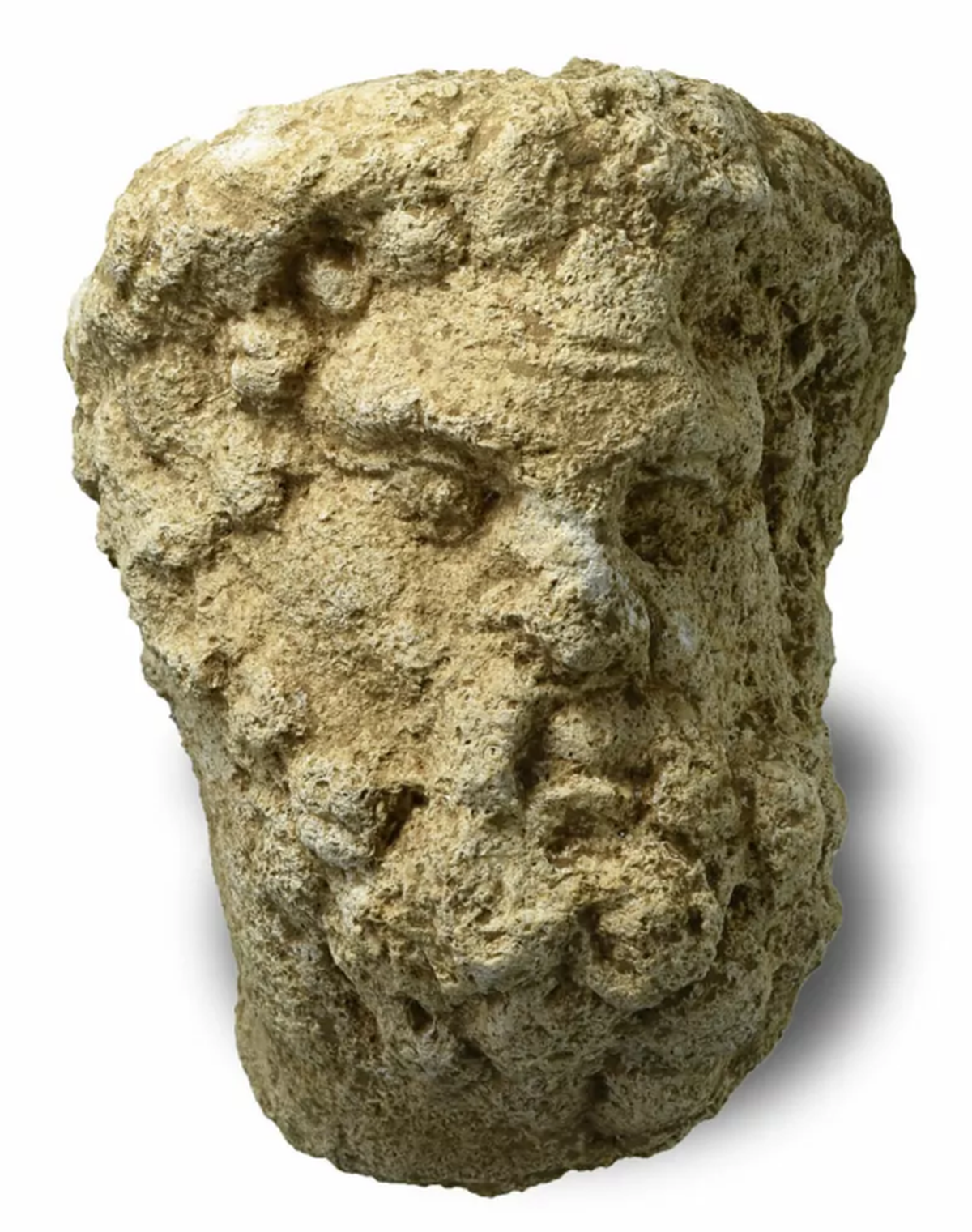
Researchers also uncovered an unprecedented number of limestone sculpture fragments. Photos show one such fragment, the head of a sculpture.
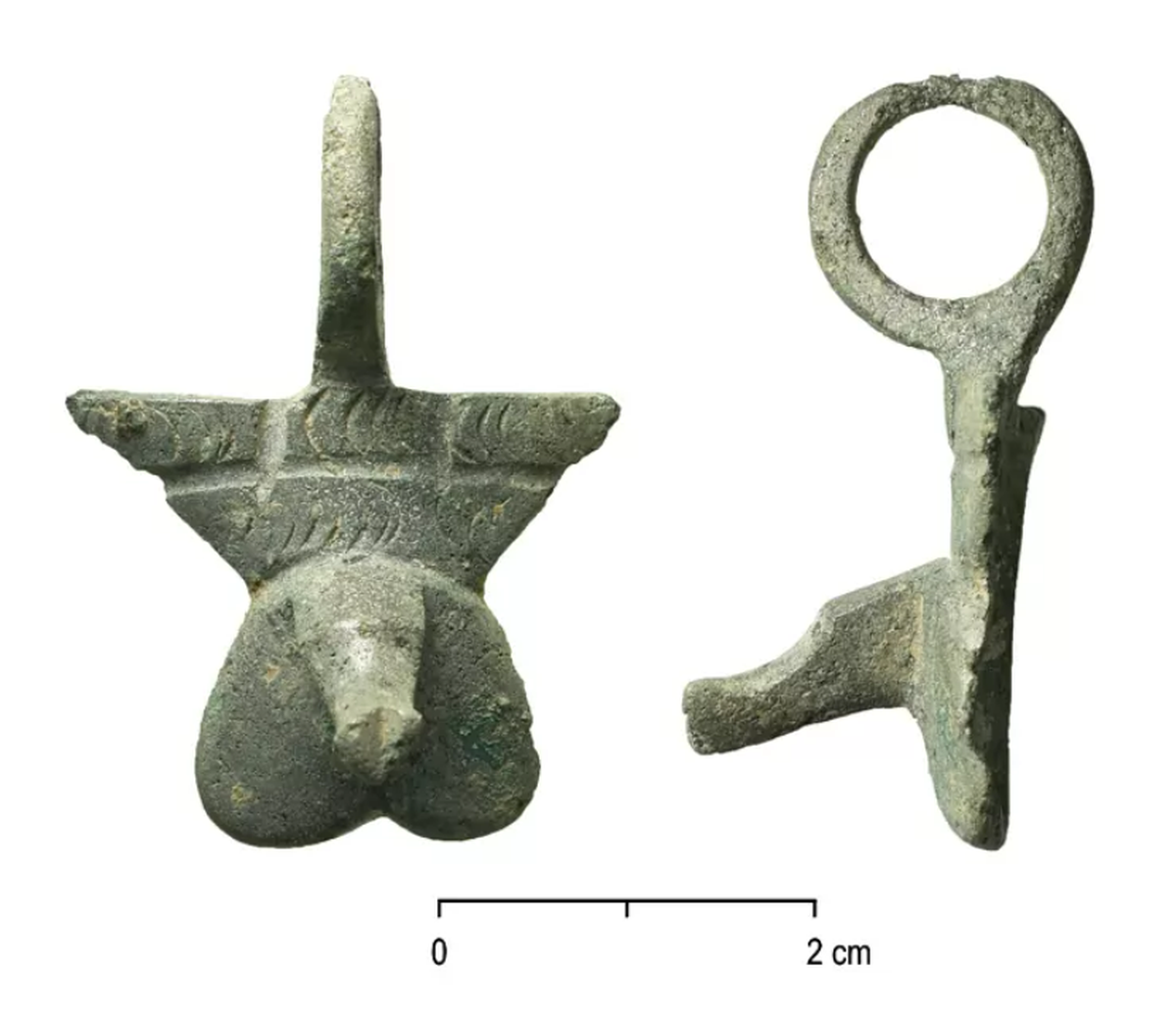
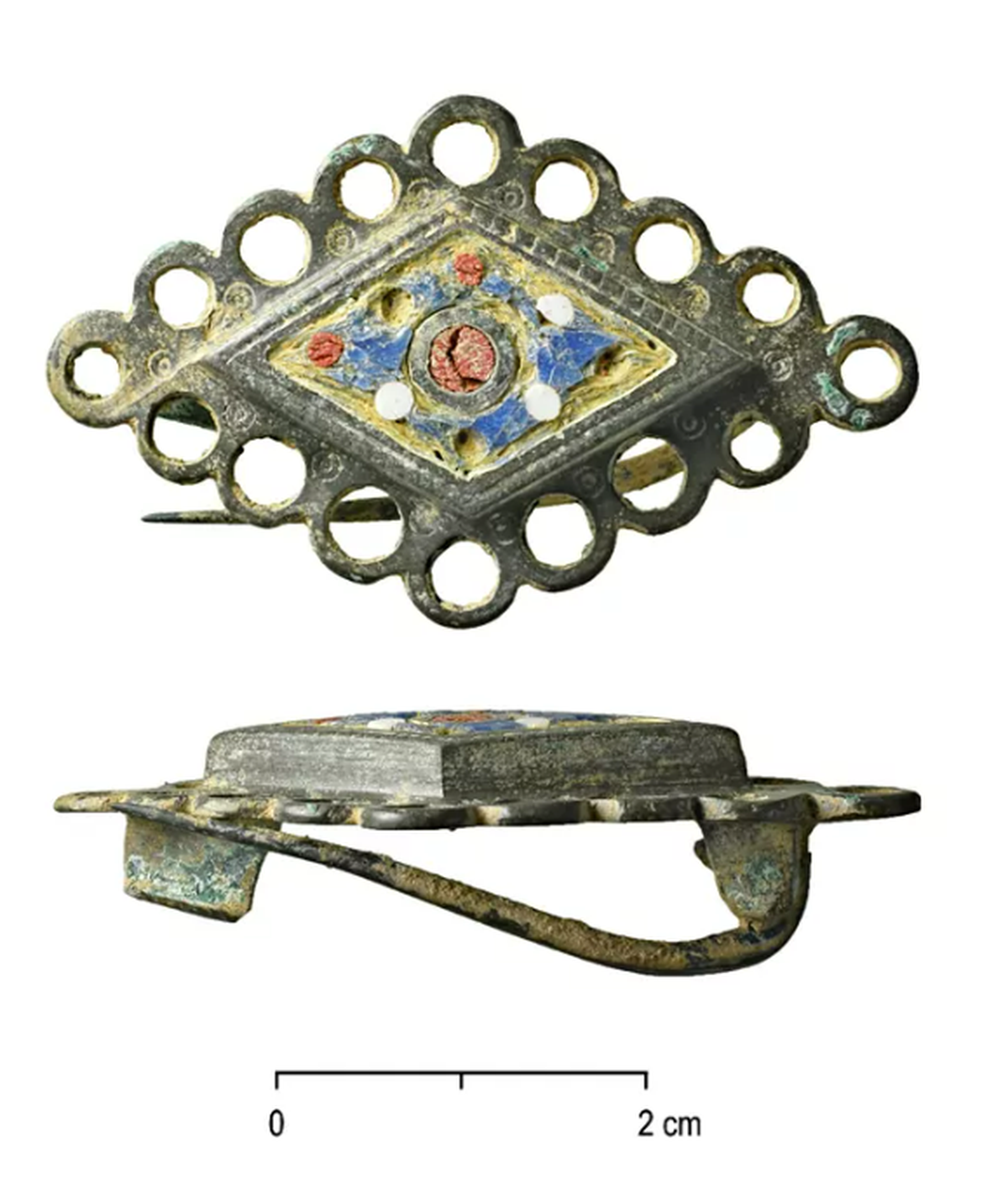
Sanctuary excavations also unearthed horse harnesses, hangers for harnesses, armor pieces, and spear and lance points, the release said. Other finds included a cloak pin, jewelry, coins and 13,000 fragments of roof tiles — some with dog and pig paw prints, Broadcasting Gelderland reported and the organization said on Facebook.
Together, the complex has given archaeologists a glimpse into daily life at the 1,700-year-old Roman sanctuary.
Documenting and studying all the artifacts found at the Herwen-Hemeling Sanctuary is expected to take three to four years, Norde said.
The sanctuary was excavated during spring and summer 2022. Archaeologists began sharing their findings on social media in December and plan to continue doing so for the next two years. Follow along on Facebook, Instagram and LinkedIn.
Herwen is in the province of Gelderland, on the Netherlands-Germany border, and about 70 miles southwest of Amsterdam.
Google Translate and Facebook Translate were used to translate news releases from RAAP Archaeology.
This story was originally published December 22, 2022 at 1:27 PM with the headline "Peek inside newly uncovered Roman sanctuary showing life in Netherlands 1,700 years ago."