
‘Secret chamber’ under Washington, DC, was sealed 120 years ago. What was it for?
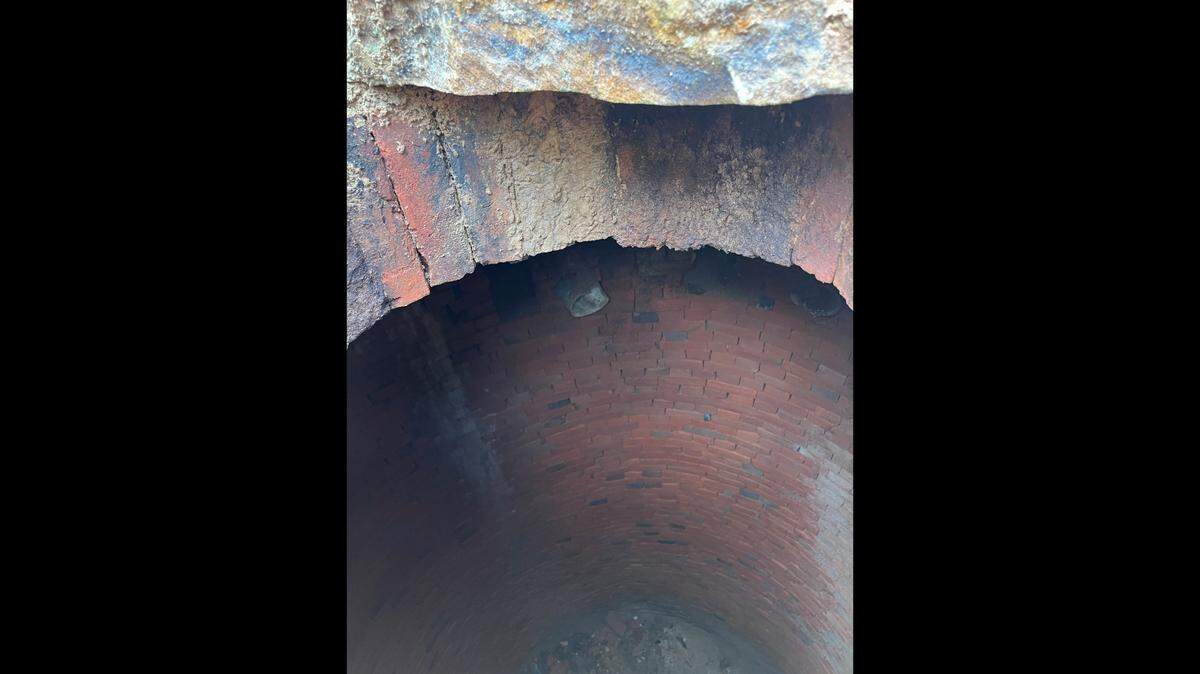
Washington, D.C., has been hiding a secret the past century: a 9-foot-wide, 30-foot-high subterranean passage under the National Mall.
The National Park Service likened it to “a secret chamber” in a Sept. 2 Facebook post, but has determined the gaping hole had a more mundane use.
“Last month, there was an unanticipated archaeological discovery under the National Mall as part of the Smithsonian Castle Revitalization Project,” NPS officials said.
“While working on the utilities under Jefferson Drive, workers opened up a large brick-lined cistern.”
.jpeg "cistern_fitted (1).jpeg")
Historians believe the massive chamber dates to around 1847, when there were less than 30 states and the Civil War was still 14 years off.
“It remained empty and sealed for more than 120 years,” park officials said. “Sadly, no national treasures or secret symbols were recovered, but the cistern offers a neat glimpse into the museum’s and the National Mall’s past.”
Cisterns are buried chambers meant to collect rainwater, often for domestic use. It is believed the cistern “collected rainwater from the Castle and supplied it back for use at the Castle.”
Photos show the entrance was found several feet underground and removal of a large stone revealed the smooth masonry walls were well preserved. The bottom appeared to show a mix of clay, broken bricks and bits of what appeared to be broken glass.
“The Smithsonian will search through the debris and sediment at the cistern base, and anything uncovered will be documented and cataloged,” Carly Bond, associate director of Architectural History & Historic Preservation at the Smithsonian, told McClatchy News.
“We will save as much of the cistern as possible and fill it with flowable fill. The cistern’s large void cannot remain for safety reasons for the vehicles and pedestrians using this busy street on the National Mall.”
The Smithsonian Institution Building, known as the “Castle,” was the institution’s first home. The building is in need of “major revitalization,” and the project will include exterior and “public spaces” restoration, NPS officials say.
This story was originally published September 4, 2024 at 9:16 AM with the headline "‘Secret chamber’ under Washington, DC, was sealed 120 years ago. What was it for?."