
Lawmakers propose bill that would subsidize ‘cool’ roofs. Here’s what to know
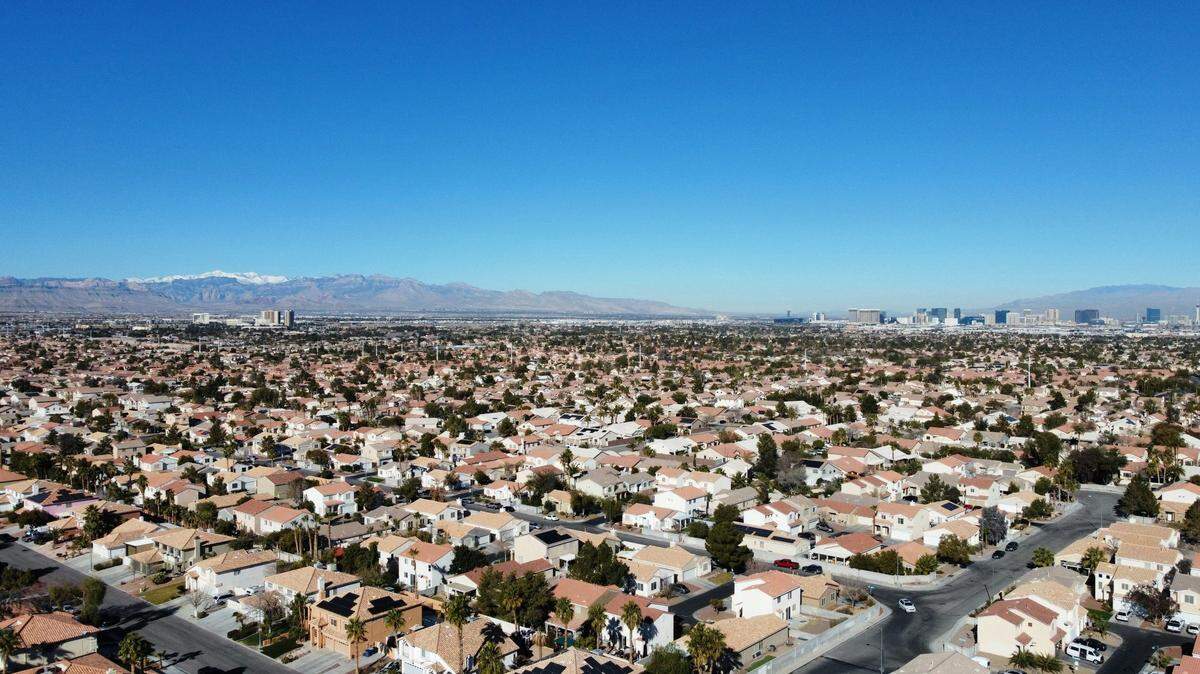
House Democrats introduced a bill that would subsidize cool roofs for some American households in an effort to mitigate the risks of extreme heat.
The proposed legislation — titled the Cool Roof Rebate Act — was put forward in early April by Missouri Rep. Emanuel Cleaver, North Carolina Rep. Valerie Foushee and California Rep. Raul Ruiz.
“As global temperatures continue to rise to record-breaking levels and at a record-breaking pace, it’s imperative that Congress provide families with new and innovative ways to beat the heat and lower energy costs,” Cleaver said in a press release.
The bill would offer a federal rebate to households that install cool roofs, which are intended to reflect sunlight and absorb less heat than traditional roofs.
“Conventional roofs can reach temperatures of 150°F or more on a sunny summer afternoon, sun,” according to the Department of Energy. “Under the same conditions a reflective roof could stay more than 50°F (28 °C) cooler.”
If passed, the bill would authorize a total of up to $25 million in rebates per year between 2026 and 2030.
It outlines two sets of criteria in order for households to qualify for the federal subsidy.
First, the household must have a total annual income less than 200% of their ZIP code’s median income. Second, their ZIP code must be is in the top quarter of the Centers for Disease Control and Prevention’s Heat and Health Index. Many of these ZIP codes are found in Southern or Western states like Arizona, Texas and Georgia.
“As communities across the country continue to experience extreme weather events and record-breaking heat due to climate change, it is critical that Congress take steps to provide communities with the support they need to mitigate the effects,” Foushee, who first introduced the legislation in 2024, said in the release.
Globally, 2024 was the hottest year on record — rising 2.3 degrees above the 20th century baseline — and topping the previous year’s record, according to NASA. The “exceptional” trend is being driven by increases in greenhouse gas emissions.
The bill was also endorsed by the Federation of American Scientists, a nonprofit think tank.
“To prepare for future extreme heat events, we need to be developing and deploying innovative adaptation solutions at scale,” Daniel Correa, the organization’s CEO, said in the release. “The Cool Roof Rebate Act will make cool roofing technology affordable to more Americans to lower their home cooling costs and provide the incentives necessary to grow and diversify the cool roofing market.”
It’s not clear if House Republicans — who hold a narrow majority in the chamber — would support the bill if it were to come for a vote.
But, GOP lawmakers have opposed other recent climate initiatives, indicating the cool roofing bill could face slim odds of passing. For example, in 2022, every Senate Republican voted against the Inflation Reduction Act, which provided billions in tax credits for clean energy projects. The following year, most House Republicans voted to cut the EPA budget by 39%, according to The Hill.
This story was originally published April 10, 2025 at 2:51 PM with the headline "Lawmakers propose bill that would subsidize ‘cool’ roofs. Here’s what to know."